GST Number - 07AHIPB1341G1ZW
Are you searching for an effective way to grow your retail business while creating a strong and memorable brand identity? Entering the world of private label hair accessories can be a powerful next move. This business model allows you to design, brand, and sell a unique range of products under your own name. Whether you’re extending an existing hair care brand or launching a new venture, private labeling gives you the freedom to develop products that reflect your vision and resonate with your customers.
This guide walks retail buyers through the essentials to consider before placing an order for private label hair accessories, helping you avoid common pitfalls and build a scalable, profitable product line with the right manufacturing partner, such as Bajoria Plast.
Choosing a private label approach is one of the most strategic decisions a retailer can make. Instead of promoting another company’s brand, you invest in building your own. This gives you full control over branding, product design, pricing, and customer experience. Every sale strengthens your brand presence in the market, increasing recognition and trust among customers.
Private labeling also opens the door to higher profit margins. By working directly with manufacturers like Bajoria Plast, you eliminate middlemen and gain access to quality products at competitive prices. This cost advantage allows for flexible pricing and improved profitability. Offering exclusive products that customers can only find through your brand encourages loyalty and helps you stand out in a crowded retail space, setting the foundation for long-term growth.
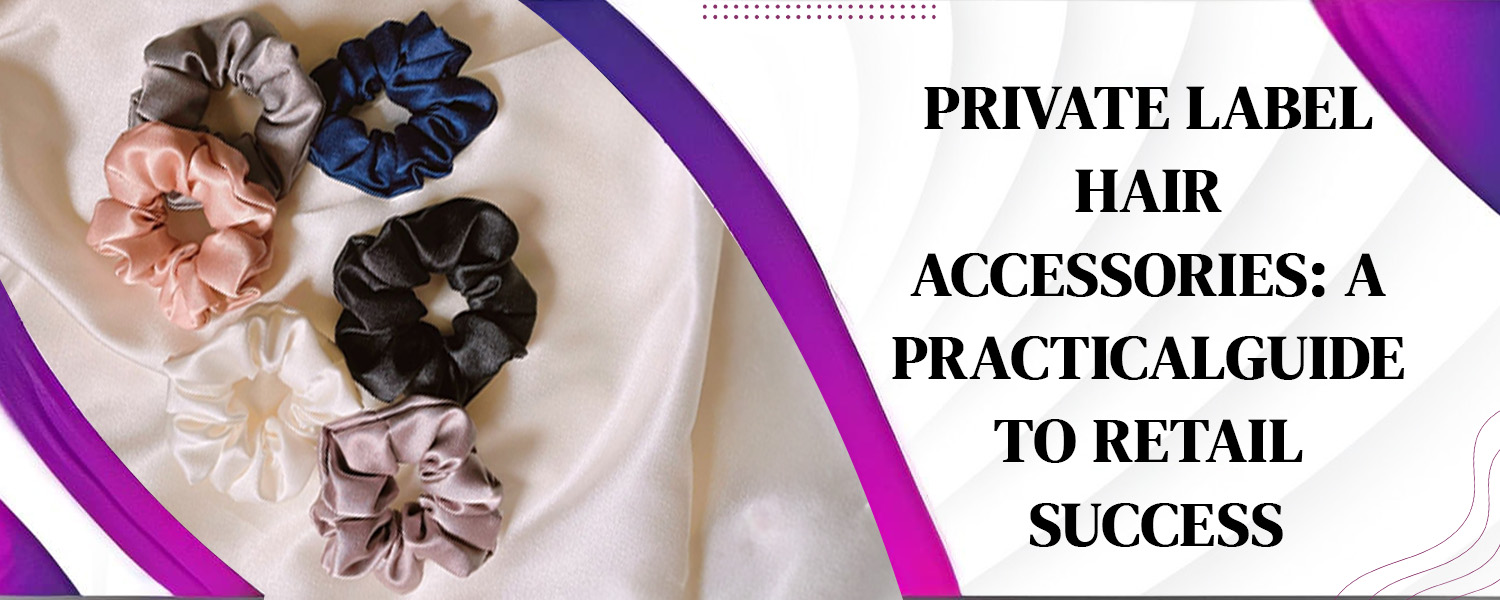
Private label hair accessories include a wide range of fashion-forward and functional products designed for hair, all sold under your brand name. These items can seamlessly complement an existing hair care range or form a complete standalone collection. Common private label options include hair clips, claws, headbands, scrunchies, and hair ties, along with accessories like hair scarves and other styling essentials.
The private label process involves a manufacturer producing these items specifically for your brand. You choose the designs, materials, finishes, and colors, while the products are packaged and marketed with your logo and branding. With the support of experienced manufacturers such as Bajoria Plast, generic accessories are transformed into a distinctive product line that reflects your brand’s identity and directly appeals to your target audience.
Many retail buyers are moving away from reselling established brands and embracing the private label model. The primary reason is the desire to build a unique brand identity. When you sell someone else's product, you're also promoting their brand presence. With your own brand name on the label, you control the narrative and build equity in your own business.
This control allows you to create products that perfectly match your vision and your customers' desires. The following sections will explore the specific advantages that make private labeling such an attractive option, from boosting your profits to gaining control over your supply chain.
Planning a private label hair accessories program?
Get material and MOQ advice from a professional manufacturer.
Get Private Label Advice
One of the biggest advantages of private labeling is the ability to earn higher profit margins. When you sell well-known brands, a large portion of the selling price goes toward brand marketing and established markups. Private labeling removes these extra layers, allowing you to source products directly from the manufacturer at more competitive rates.
This streamlined cost structure means more profit on every sale. With clearer visibility into production expenses, you can accurately calculate margins and plan pricing strategies. By handling branding and promotion yourself, you retain the value that would otherwise go to a national brand. Bajoria Plast supports retailers with cost-effective manufacturing solutions that help maximize profitability.
Ways to achieve higher margins include:
In today’s competitive retail space, differentiation is essential. Private labeling gives you the freedom to create a unique brand identity that sets you apart from competitors. Instead of offering the same products found everywhere else, you can develop exclusive hair accessory collections tailored to your audience’s preferences.
This exclusivity builds strong brand recognition and customer loyalty. When shoppers connect with your products, they return specifically to your brand, not just your store. With the right private label partner like Bajoria Plast, your business transforms into a recognizable destination rather than just another retailer.
To build strong differentiation, focus on:
Private labeling also gives you greater control over your supply chain. By working directly with a manufacturer, you are no longer dependent on a third-party brand’s stock availability or delivery schedules. Direct communication ensures better coordination, consistent quality, and reliable production timelines.
This level of involvement allows you to oversee materials, quality standards, and manufacturing schedules more closely. The result is fewer delays, improved inventory planning, and greater confidence in your product supply. Bajoria Plast provides transparent manufacturing support, helping retailers maintain stability and efficiency across their supply chain.
Key areas of supply chain control include:
Before you jump into a private label partnership, it's essential to do your homework. Choosing the right manufacturer is the most critical step in ensuring your venture is a success. A thorough evaluation process will help you avoid common pitfalls and secure a partner who can deliver on your vision. Key areas to assess include material quality, production capacity, and customization options.
Taking the time to evaluate these factors will safeguard your investment and contribute to a better customer experience. Below, we’ll look at the most important considerations you must review before placing your first private label order, from product materials to production lead times.
The foundation of high-quality hair accessories lies in the materials used to create them. Customers can instantly feel the difference between a weak, poorly made clip and a strong, well-crafted one. If you want to build a trustworthy and recognizable brand, product quality cannot be compromised. This is why it’s essential to carefully evaluate the materials your manufacturer provides and always request samples to assess the quality firsthand. Bajoria Plast emphasizes the importance of using reliable materials that meet both performance and appearance standards.
When exploring manufacturing options, take the time to understand the complete range of materials available. For accessories such as hair clips and claws, options may include various grades of plastic, metal components, or even eco-friendly alternatives. For other products like headbands or scarves, materials such as vegan leather or specialized textiles can add both comfort and style.
Key factors to consider when selecting materials include:
By partnering with experienced manufacturers like Bajoria Plast, you can ensure your private label hair accessories deliver long-lasting quality while strengthening your brand’s reputation.
Understanding a manufacturer’s Minimum Order Quantity (MOQ) is especially important for startups and growing businesses. MOQ refers to the minimum number of units that must be ordered in a single production cycle. High MOQs can be challenging for new brands, as they require a larger upfront investment and carry higher inventory risk. Thankfully, many manufacturers now offer smaller production batches, making it easier for emerging brands to launch products, test designs, and enter the market with confidence.
Scalability is just as critical as MOQ. As your brand gains traction, your manufacturing partner should be capable of increasing production volumes without compromising product quality or delivery timelines. A scalable manufacturer ensures smooth growth, supporting your transition from a small operation to a well-established brand. Discussing MOQ limits and future production capacity early on helps ensure your partner can meet both your current requirements and long-term goals.
|
Factor |
Small Production Batches |
Larger Production Runs |
|
Ideal For |
Startups, trial launches, testing new designs, budget-conscious brands |
Established brands, high-demand products, expansion phases |
|
Investment Level |
Lower initial cost with reduced inventory risk |
Higher total investment, but more cost-efficient per unit |
|
Flexibility |
Enables quick changes and experimentation with multiple designs |
Focuses on higher quantities of a single, proven design |
Private labeling is all about differentiation, which makes a manufacturer’s customization capabilities a key deciding factor. The right partner should provide extensive options to help transform your ideas into distinctive products. A strong private label process is collaborative, giving you control over every detail—from the size and shape of a hair clip to color tones, textures, and finishing details.
When evaluating manufacturers, ask about their product development support. Can they create custom logo embossing tools to enhance brand visibility? What type of design files do they require? Most manufacturers work with detailed PDF files that include measurements and material specifications. If you don’t already have finalized designs, check whether design assistance is available to help bring your concept to life.
Customization options to explore include:
Placing your brand name on a product also means taking responsibility for how it is made. That’s why partnering with a manufacturer that follows all relevant regulatory and ethical standards is essential. This includes compliance with labor laws, workplace safety regulations, and material safety requirements. An ethical and compliant supply chain strengthens brand credibility and builds long-term trust with customers.
Always ask about the certifications your manufacturing partner holds and their approach to intellectual property protection. Reputable manufacturers respect your designs and are willing to sign non-disclosure agreements (NDAs) to safeguard your ideas and branding.
Key compliance areas to confirm include:
Lead time plays a major role in product launches and inventory planning. It refers to the total time required from order placement to final delivery, including sampling, production, and shipping. A dependable manufacturer will provide transparent and realistic timelines—for instance, sample development may take several weeks before mass production begins.
Equally important is production stability. Your manufacturing partner should be able to deliver consistent quality across every order, regardless of volume. Strong quality control systems ensure uniform results and reduce the risk of defects or inconsistencies. Be sure to ask about quality assurance processes and how consistency is maintained from one batch to the next.
Factors that affect production timelines include:
Together, clear lead times and stable production form the backbone of a reliable supply chain and a successful private label brand.
Never underestimate the power of packaging. It's often the first physical interaction a customer has with your brand, and it plays a huge role in shaping their perception. Thoughtful, distinctive packaging can elevate your hair accessories from simple products to a full-fledged brand experience. It protects the product, communicates your brand’s story, and can be the deciding factor for a customer choosing your item off the shelf.
Your packaging is a direct reflection of your brand reputation. Whether you opt for minimalist, eco-friendly, or luxurious packaging, it should align with your brand identity and customer preferences. Work with your manufacturer to explore custom packaging options. Many offer services to help you design and source boxes, tags, or pouches that make your products feel special and create a memorable unboxing experience for your customers.
Embarking on a private label journey is exciting, but there are common pitfalls that can trip up even the most prepared retail buyers. One of the biggest mistakes is choosing a manufacturer based on price alone. While cost is important, sacrificing quality standards to save a few cents can damage your brand in the long run. Always prioritize product quality to ensure customer satisfaction and repeat business.
Another common error is failing to properly vet your manufacturing partner. Don't just take their word for it; ask for references, review their compliance certifications, and order samples before committing to a large production run. Finally, avoid launching without a clear vision for your brand. A strong business model includes not only great products but also a solid marketing plan and a deep understanding of your target audience.
Every retail program is different.
We help buyers evaluate materials, packaging, and compliance before ordering.
Free Sourcing Consultation
When looking for a reliable partner in private label manufacturing, retail buyers consistently turn to Bajoria Plast. With over 15 years of experience, we have the expertise to bring your collection of hair accessories to life. We are dedicated to producing high-quality goods that will make your brand stand out. Whether you need a small batch to test the market or are planning a large production run, we have the capacity to support your brand’s growth.
We specialize in private label hair accessories manufacturing, offering:
- 18+ years of production experience
- Annual capacity of over 2 million units
- BSCI-certified factory
- Plastic, fabric, and accessory material options
- OEM & ODM private label services
- MOQ starting from 2,000 pcs per style
- Fast sampling within 7 days
- Export experience with US & Canadian retailers
We support retailers from first test order to long-term supply programs.
Planning a private label hair accessory line?
Get professional advice on materials, MOQ, and packaging before ordering.
In summary, private label hair accessories offer a unique opportunity for retail buyers looking to stand out in a competitive market. By understanding the advantages such as higher profit margins and brand differentiation, you can make informed decisions that align with your business goals. Additionally, evaluating key factors like product material, customization capabilities, and compliance will ensure that your offerings meet customer expectations. Avoid common pitfalls and capitalize on trends to drive success. If you're ready to take the next step and explore what private label can do for your business, don't hesitate to get quotes from us today!
The cost of producing private label hair accessories depends on several factors, including design details, material choices, and order volume. Pricing can vary significantly from one product to another, which is why requesting a customized quote is the best approach. Most manufacturers are able to provide precise pricing once the initial sample is developed and approved for full-scale production.
Yes, definitely. Many manufacturers support small and emerging retailers by offering low minimum order quantities for initial production runs. This makes it possible to launch a private label hair accessory line, test market response, and refine product offerings without a large upfront investment—while still maintaining quality standards.
In the U.S. beauty and fashion market, several hair accessory categories are especially well-suited for private labeling. High-demand items include hair clips, hair claws, headbands, and scrunchies. These versatile accessories align well with current trends and provide retailers with an easy way to meet consumer preferences and grow their product range.