Call Us:+91 8882231160


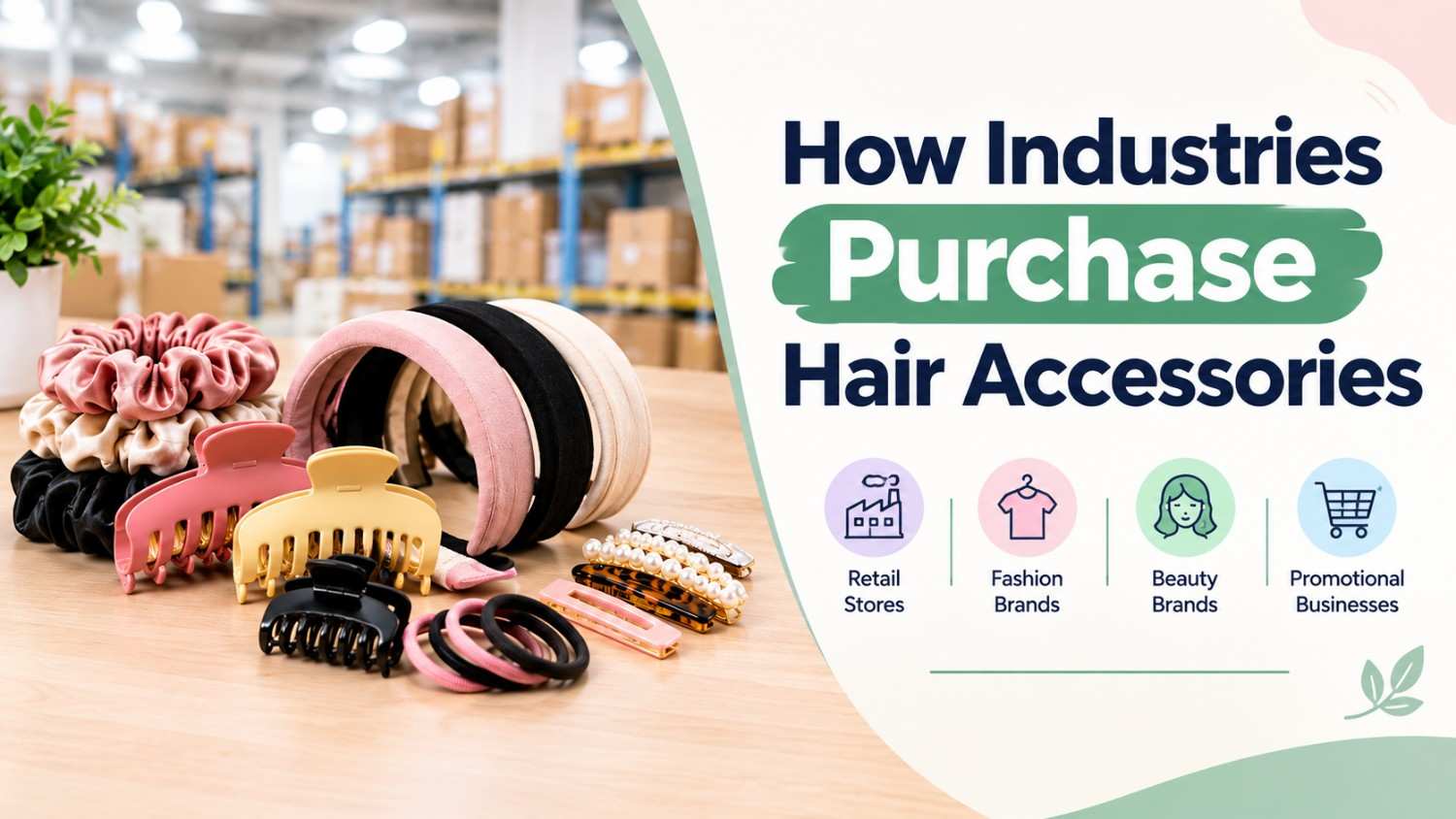
Hair accessories may seem like simple, affordable products, but the purchasing decisions behind them are often carefully planned. From bobby pins and hair clips to hair ties and combs, every product has different requirements depending on where and how it will be sold.
Different industries approach hair accessory purchasing in different ways. A product that works well in a dollar store may not meet the needs of a professional salon. Similarly, an accessory that performs well on an e-commerce platform may not be suitable for a fashion boutique.
Understanding these differences is important for buyers who want better product performance and sell-through, as well as for suppliers who want to develop long-term business relationships instead of relying on one-time orders.
For procurement teams, hair accessories are no longer viewed simply as low-cost add-on products.
In recent years, purchasing decisions in this category have become more organized and carefully planned. Price continues to be important, but buyers are also paying greater attention to supply reliability, product consistency, packaging requirements, and overall operational efficiency.
Many purchasing teams now consider the total cost of a product rather than focusing only on its unit price. Factors such as reliable reordering, consistent quality, packaging compliance, lead times, and SKU management can all influence the final purchasing decision.
Another noticeable trend is assortment simplification. Instead of continuously adding new products, many buyers prefer to maintain a focused range of proven SKUs that sell consistently and can be replenished easily. This approach can help reduce inventory risk and make demand forecasting more manageable.
Supplier capability has also become increasingly important. Buyers prefer suppliers who understand their sales channels, recognize seasonal demand patterns, and can make product adjustments without creating unnecessary disruptions.
Overall, hair accessory purchasing has gradually moved from purely price-focused buying toward efficiency-focused sourcing. Today's buyers are often looking for suppliers who can provide consistency, reliability, and long-term operational support.
Beauty supply stores generally operate with a strong focus on variety and quick product movement.
Their customers frequently look for both familiar everyday products and new styles. Because of this, buyers often prefer suppliers who can provide a suitable range of SKUs while maintaining efficient replenishment cycles.
Product presentation is also important in this channel. Hair accessories need to be easy to identify, properly packaged, and ready for display. Buyers often look for products that combine current trends with dependable sales performance.
The objective is not necessarily to follow every new trend. Instead, buyers want the flexibility to introduce new products when demand becomes clear while maintaining a stable selection of everyday bestsellers.
Dollar stores and discount retailers generally focus more on consistency and cost control than frequent product changes.
Hair accessories in this channel are often purchased as ongoing programs rather than short-term seasonal products. Buyers typically prefer a focused selection of SKUs that can remain available for extended periods and deliver predictable sales.
Pricing is important, but supply reliability is equally valuable. Buyers want suppliers who can maintain consistent quality, support stable pricing where possible, and provide straightforward packaging suitable for standardized retail displays.
For discount retailers, success often depends on reliable turnover, easy replenishment, and minimal disruption rather than constant product novelty.
Professional salons generally view hair accessories as practical tools rather than simply retail products.
Their purchasing decisions are therefore strongly influenced by performance, durability, comfort, and reliability. Products need to perform consistently during repeated professional use and maintain their quality across multiple orders.
Instead of focusing mainly on a large assortment, salons often prioritize products designed for specific styling tasks. Sectioning clips, styling clips, combs, and other professional accessories may be selected based on grip, handling, durability, and ease of use.
When a product performs reliably, buyers are more likely to continue reordering it. For professional channels, consistent performance can therefore play an important role in developing long-term supplier relationships.
Fashion brands and boutiques often take a more selective and brand-focused approach to hair accessory purchasing.
For these businesses, accessories can become an extension of the overall brand identity. Buyers may consider whether a product matches their seasonal collections, design style, colors, packaging, and target customer.
Orders may be smaller compared with large retail programs, but expectations regarding design, finishing, customization, and presentation can be higher.
Fashion-focused buyers may also look for suppliers that can support smaller production runs, customized packaging, specific color selections, and coordinated product collections while maintaining quality and delivery schedules.
For this channel, hair accessories are not only about sales volume. They can also contribute to the overall customer experience and brand image.
Although purchasing requirements vary between retail stores, salons, online sellers, and fashion businesses, many buyers share several common priorities.
One major priority is reducing operational complexity. Buyers want fewer supply problems, fewer unexpected changes, and fewer issues after placing an order. Consistency is often more valuable than constantly introducing new products.
Predictability is another important factor. Buyers generally value stable quality, dependable production, clear communication, and realistic lead times. A product that performs consistently across multiple reorder cycles can be more valuable than a product that looks attractive but creates uncertainty.
Buyers also want suppliers who understand their business model. A supplier should ideally understand how the products will be sold, displayed, packaged, replenished, and used.
In simple terms, buyers across different industries are not necessarily looking for the largest number of choices. They are looking for products and suppliers that reduce problems and fit smoothly into their purchasing process.
Bajoria Plast approaches hair accessory supply with an understanding that different sales channels have different requirements.
Instead of using the same product approach for every buyer, the focus is on developing assortments according to the buyer's market and sales model. This can include everyday products for high-volume retailers, functional accessories for professional users, and trend-focused products for fashion-oriented businesses.
Bajoria Plast also supports OEM and ODM programs, allowing buyers to work with different product specifications, packaging formats, colors, and product combinations according to their requirements.
For procurement teams, reliable execution is equally important. Consistent quality standards, production capabilities, and dependable lead-time management can help buyers plan their orders and future replenishment more effectively.
By focusing on long-term cooperation rather than one-time transactions, Bajoria Plast aims to support buyers in developing stable and sustainable hair accessory programs.
Choosing a hair accessory supplier is more than comparing product prices.
Buyers should consider whether a supplier understands their specific channel requirements and can support future growth without creating additional operational challenges.
A suitable supplier should be able to maintain product consistency, manage repeat orders, scale production when required, and make necessary adjustments while keeping communication clear.
Procurement teams can consider questions such as:
The goal is not simply to find a supplier with the largest product catalog. It is to find a supplier whose products, processes, and capabilities fit naturally into the buyer's purchasing system.
Yes. Purchasing requirements can vary considerably between industries. Dollar stores may focus on stable pricing and consistent supply, salons may prioritize functionality and durability, while online sellers may pay greater attention to customer demand and product performance.
Common core products include bobby pins, basic hair clips, elastic hair ties, styling accessories, and different types of combs. These products are widely used and can serve different customer groups depending on their design, quality, and application.
Price remains an important purchasing factor, but it is not always the only consideration. Inconsistent quality, supply delays, product defects, and difficult reordering can create additional costs over time. Buyers often consider the overall value of a product rather than looking only at its initial price.
A smaller selection of proven products can make inventory management, forecasting, and replenishment easier. Buyers may prefer products with reliable demand rather than maintaining a large assortment of slow-moving SKUs.
Packaging can affect product presentation, storage, transportation, compliance, and merchandising. Clear and standardized packaging can make products easier to handle and display across different retail environments.
Hair accessories may be small products, but purchasing requirements can vary significantly across industries.
Beauty supply stores may focus on variety and fast replenishment, discount retailers may prioritize consistency and cost control, salons may focus on functionality, and fashion businesses may look for design and brand alignment.
Understanding these differences helps buyers make more informed sourcing decisions while allowing suppliers to create products and programs that better match their customers' needs.
In today's competitive market, successful hair accessory sourcing is not only about price or product variety. It is also about quality, consistency, communication, supply reliability, and long-term cooperation.
Ultimately, choosing the right product and the right supplier can make the purchasing process more efficient and sustainable.

Buying Plastic Combs in Bulk at Low Cost: A Smart Buyer’s Guide
Private Label Hair Accessories: A Practical Guide to Retail Success
Plastic vs. Metal Hair Combs: A Smart Comparison for Wholesale Buyers
Plastic vs. Wooden Combs for Retail: Making the Right Choice?
Are Plastic Combs Profitable for Dollar Stores?

Hair Accessories for Amazon FBA: Smart Sourcing Strategies for Sellers
Hair Accessories for Beauty Supply Stores
Where Can I Buy Plastic Combs Wholesale?

Hair Accessories for Dollar Stores – Custom & Reliable
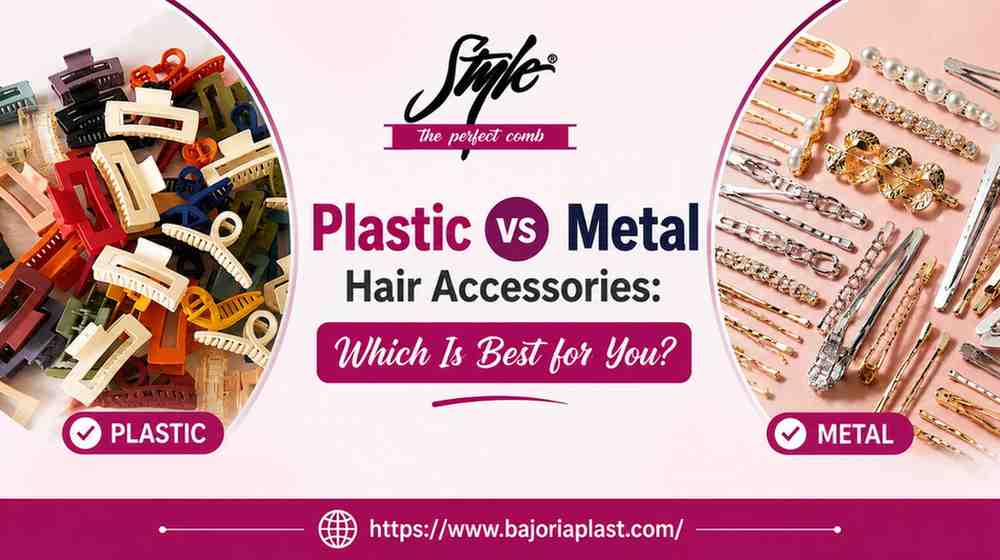
Plastic vs Metal Hair Accessories: Which Is Best for You?
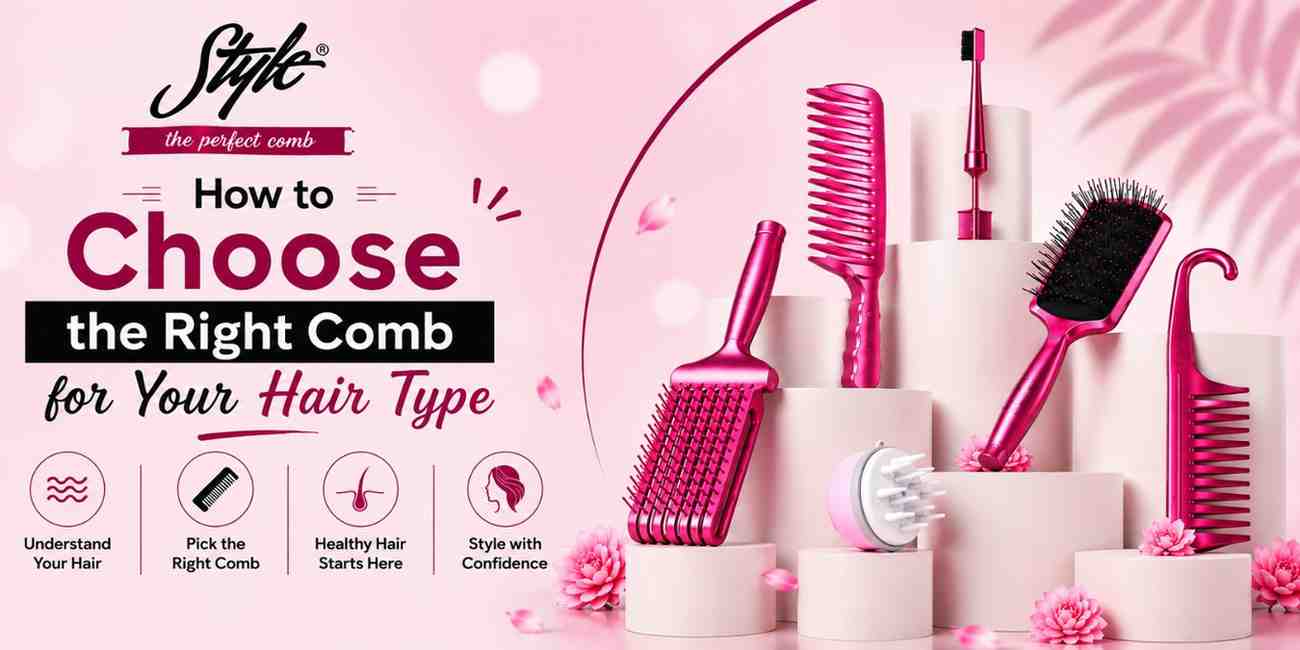
How to Choose the Right Comb for Your Hair Type
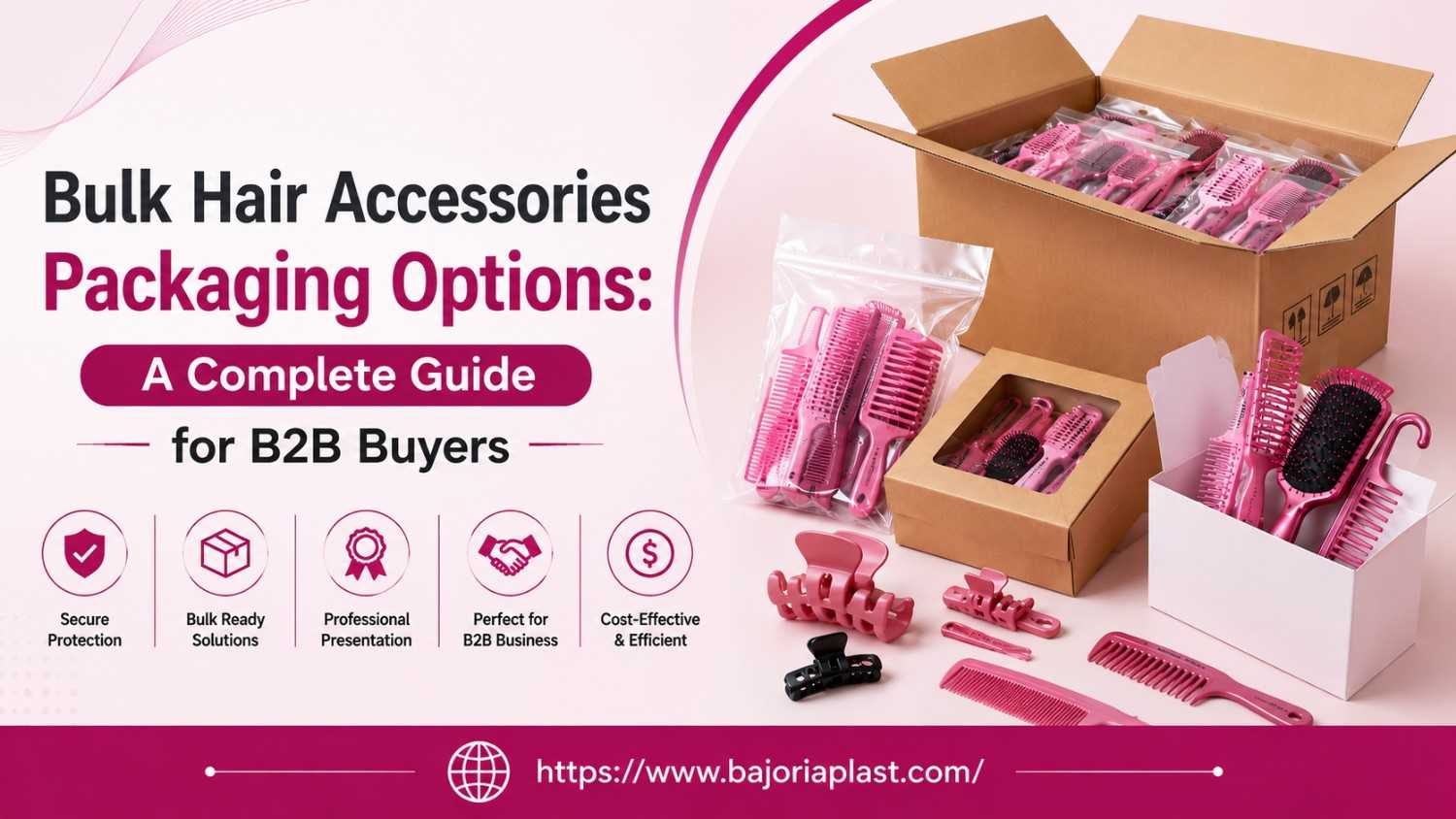
Bulk Hair Accessories Packaging Options: A Complete Guide for B2B Buyers
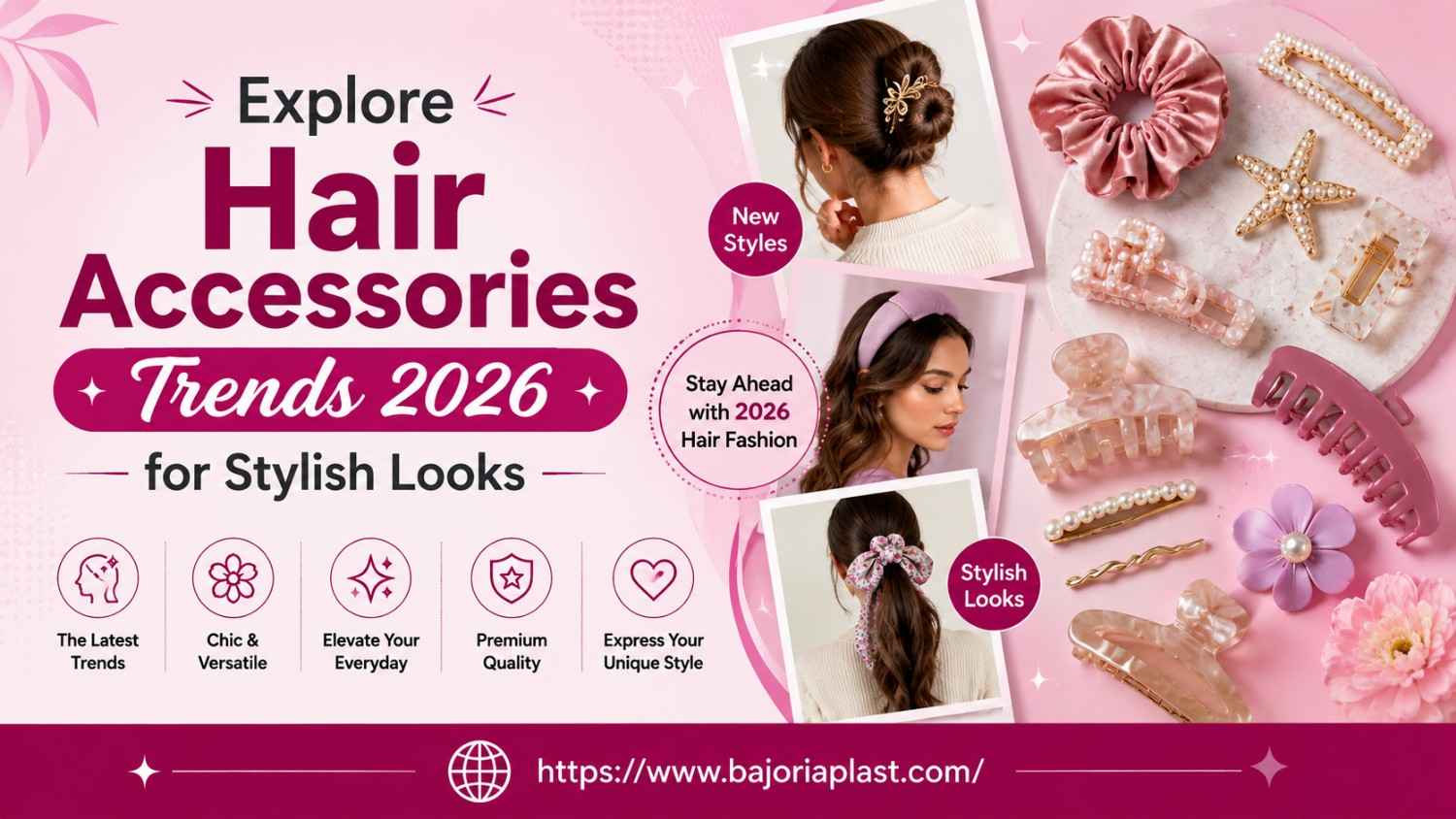
Explore Hair Accessories Trends 2026 for Stylish Looks
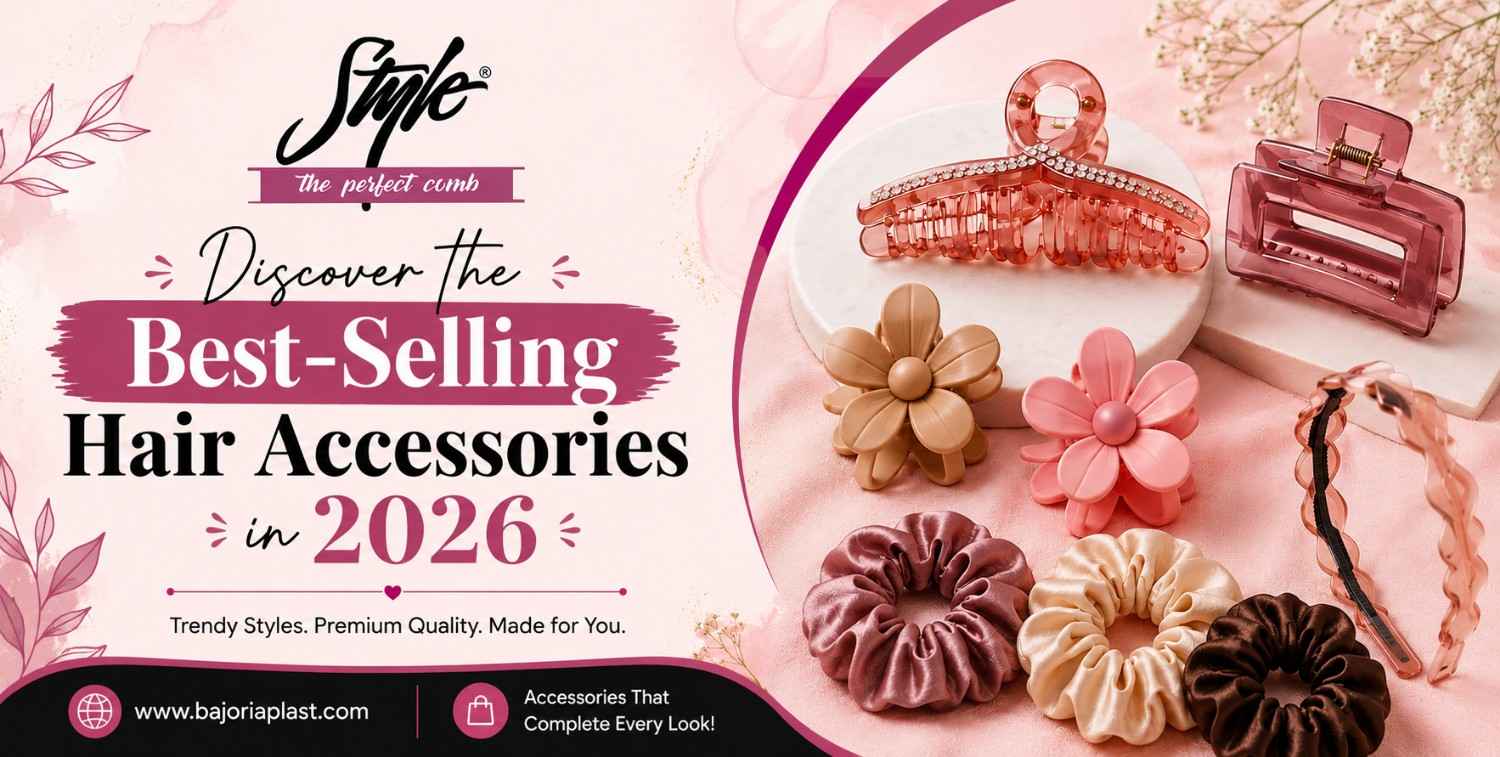
Discover the Best-Selling Hair Accessories in 2026
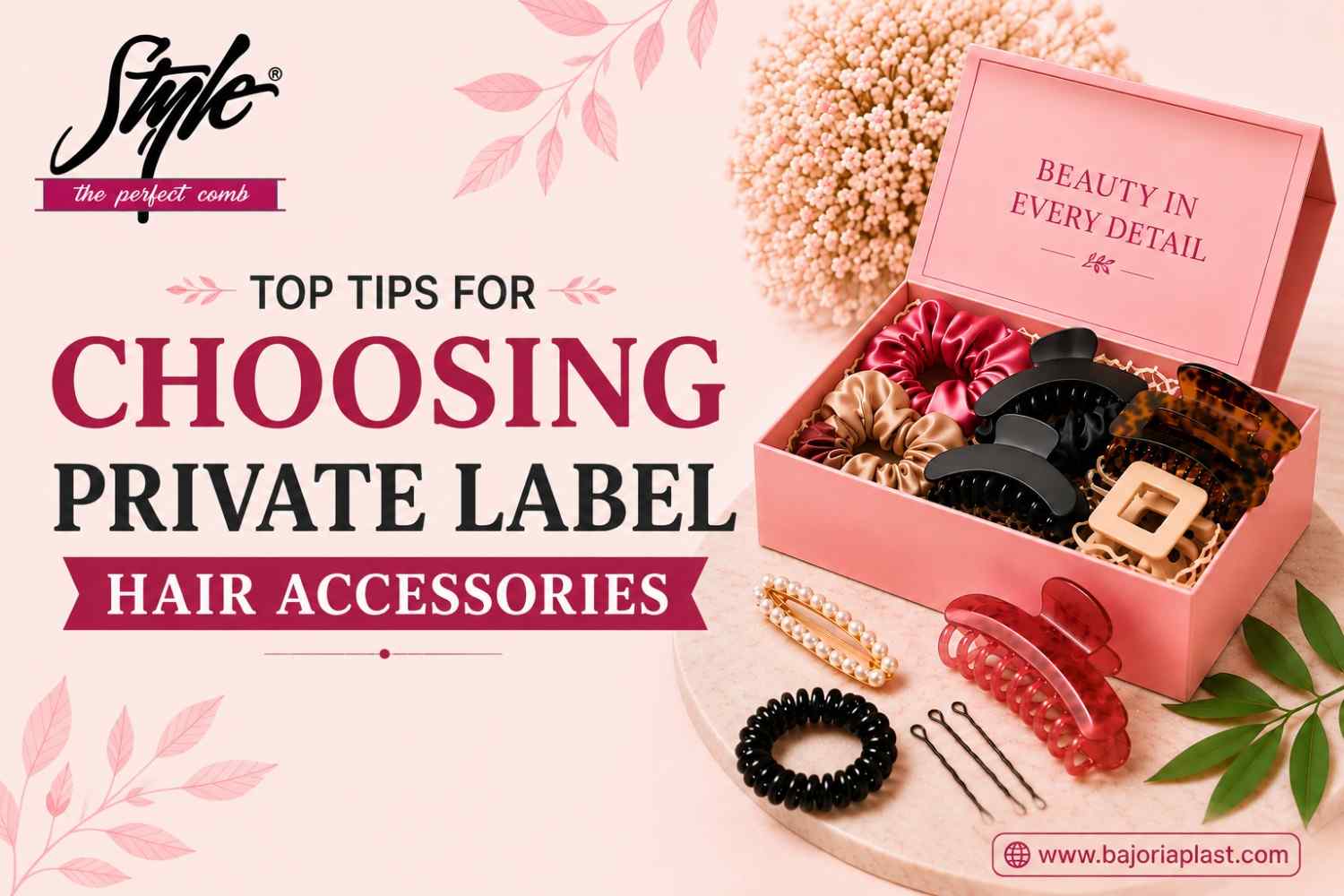
Top Tips for Choosing Private Label Hair Accessories
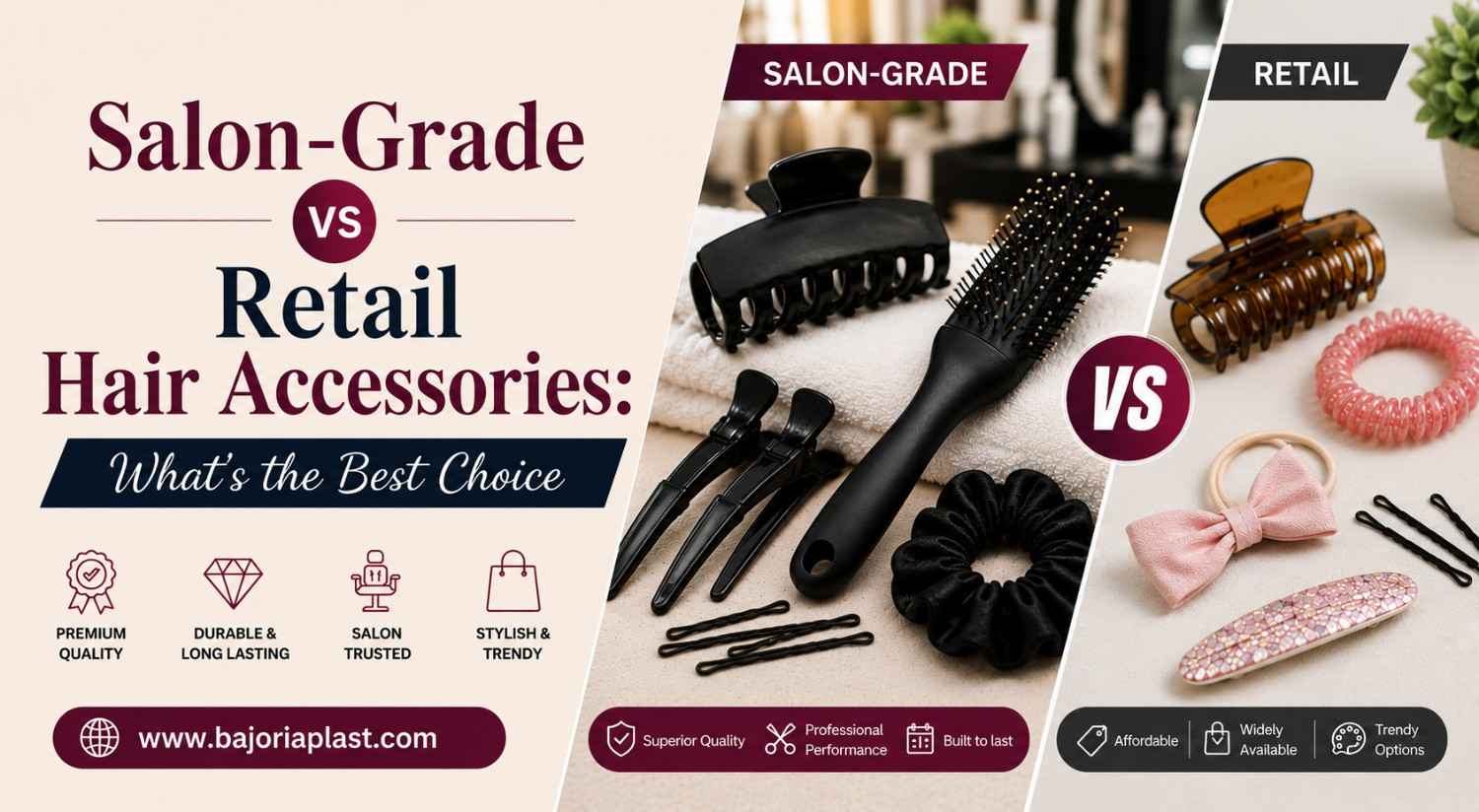
Salon-Grade vs Retail Hair Accessories: What’s the Best Choice?
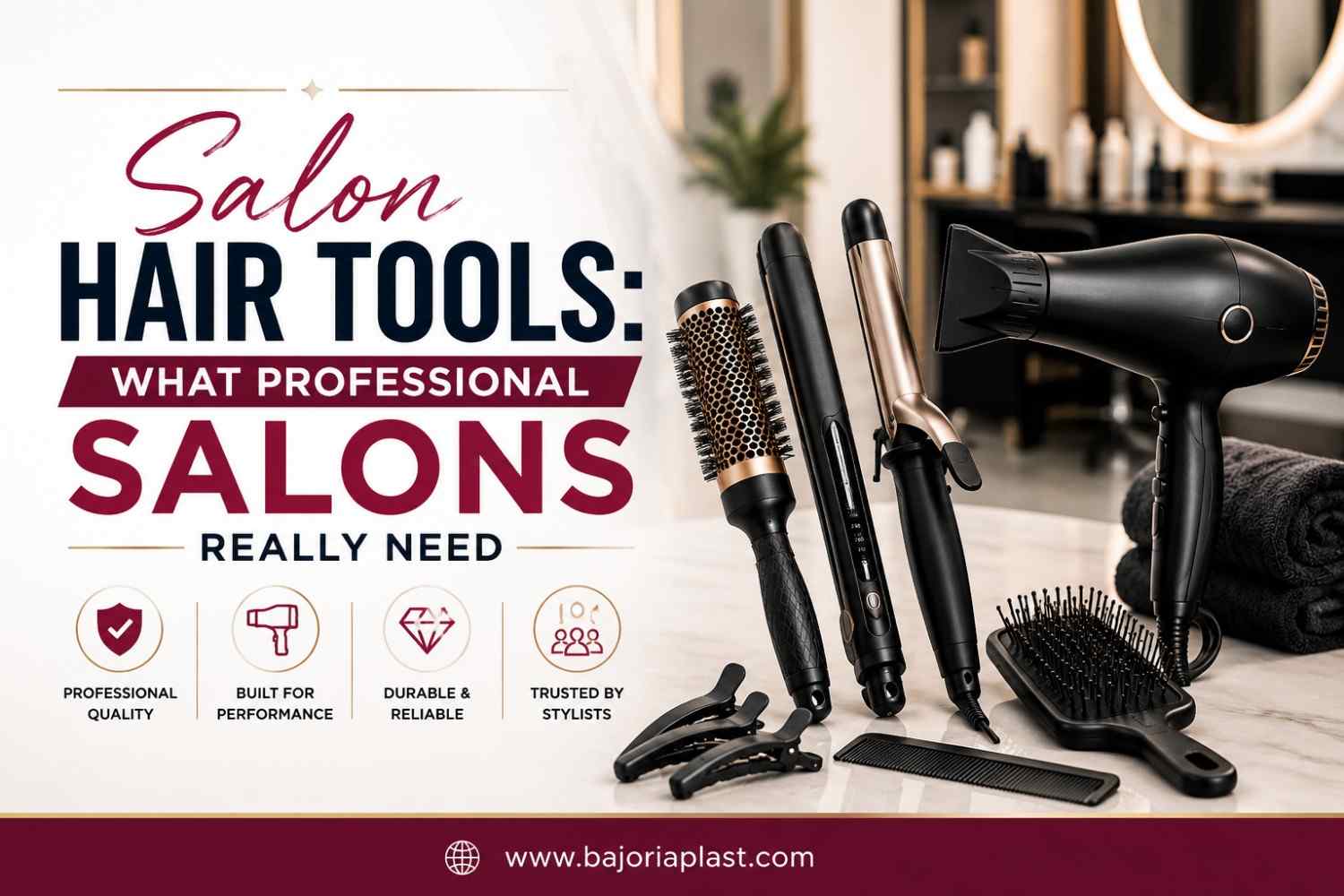
Salon Hair Tools: What Professional Salons Really Need
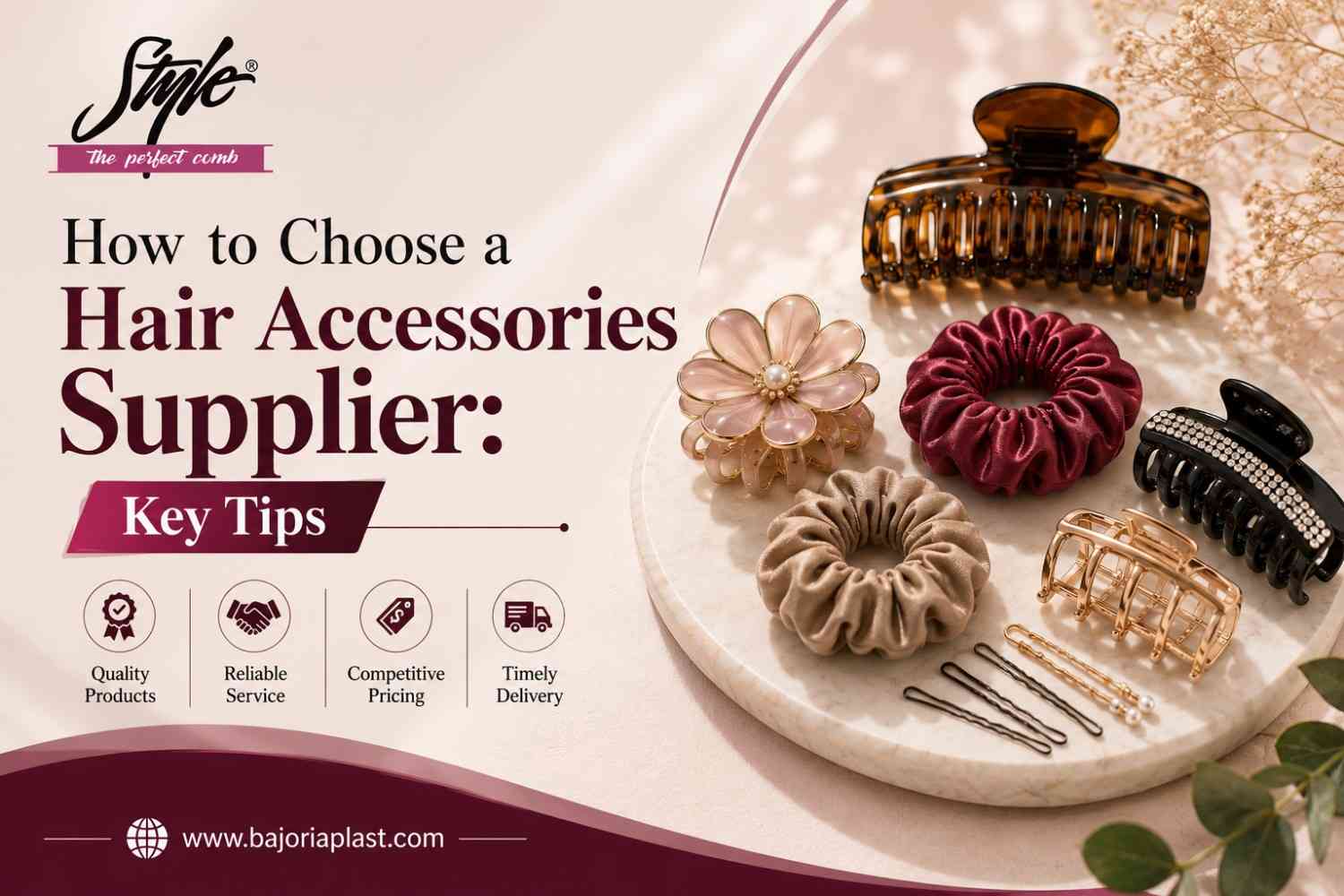
How to Choose a Hair Accessories Supplier: Key Tips
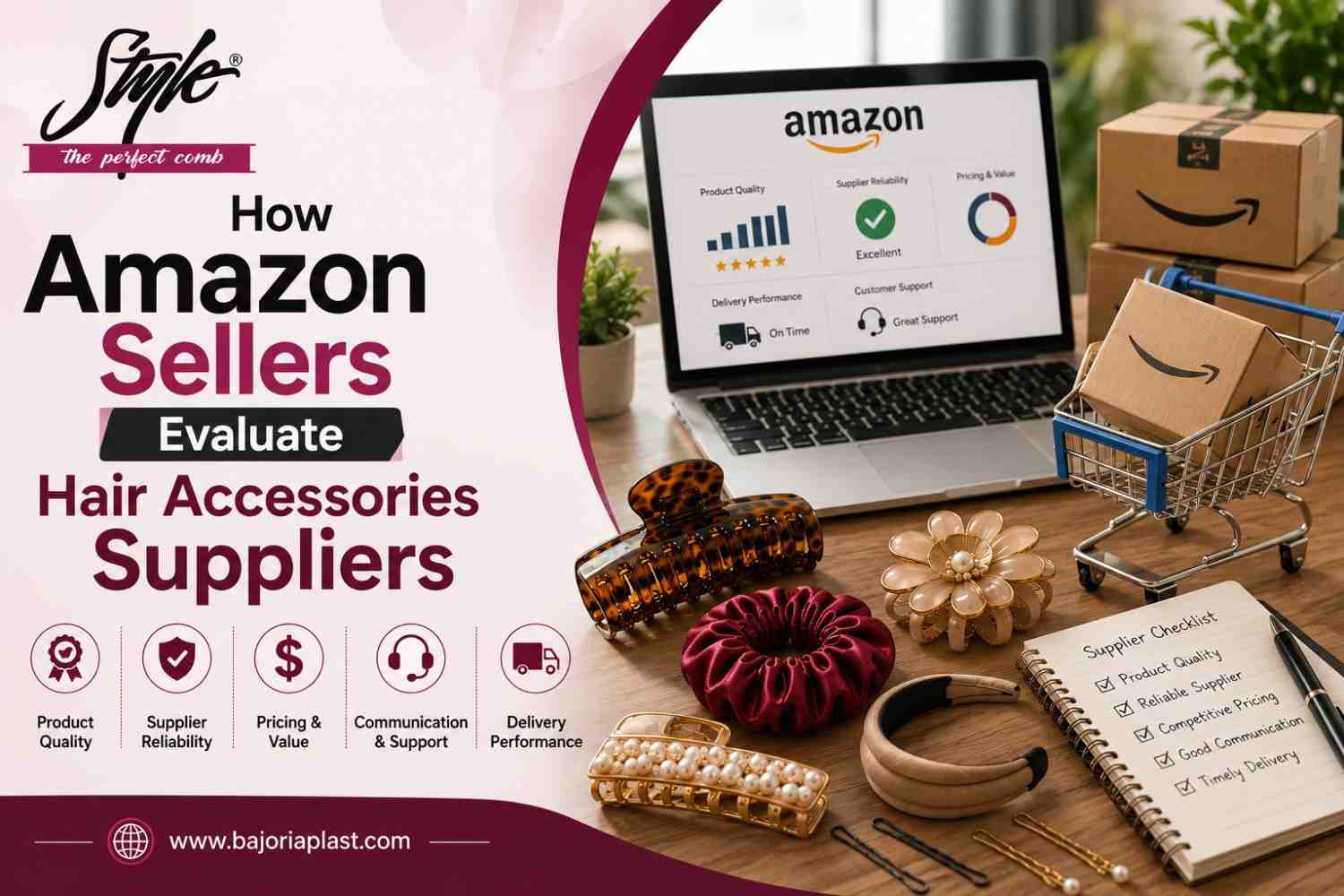
How Amazon Sellers Evaluate Hair Accessories Suppliers
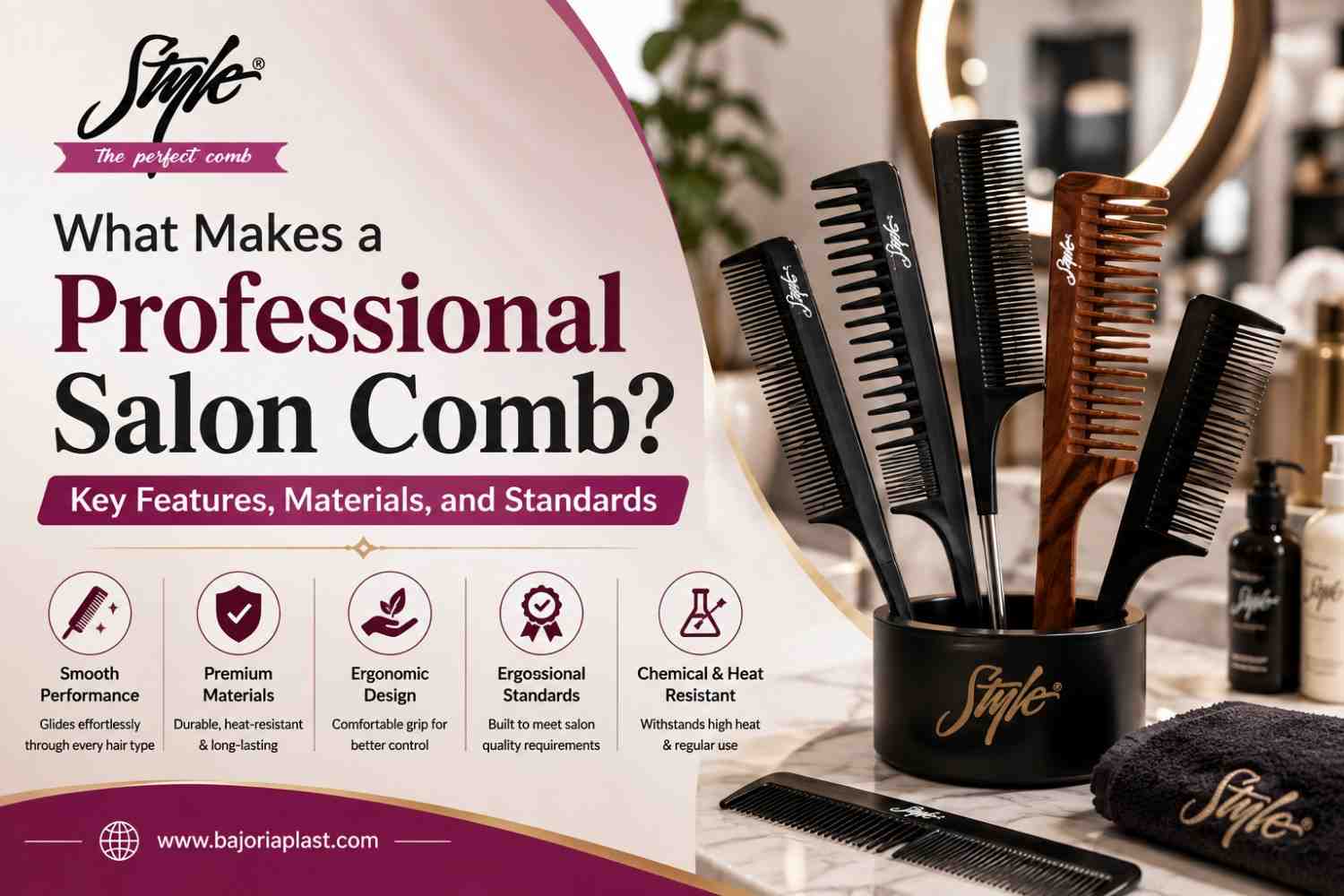
What Makes a Professional Salon Comb? Key Features, Materials, and Standards
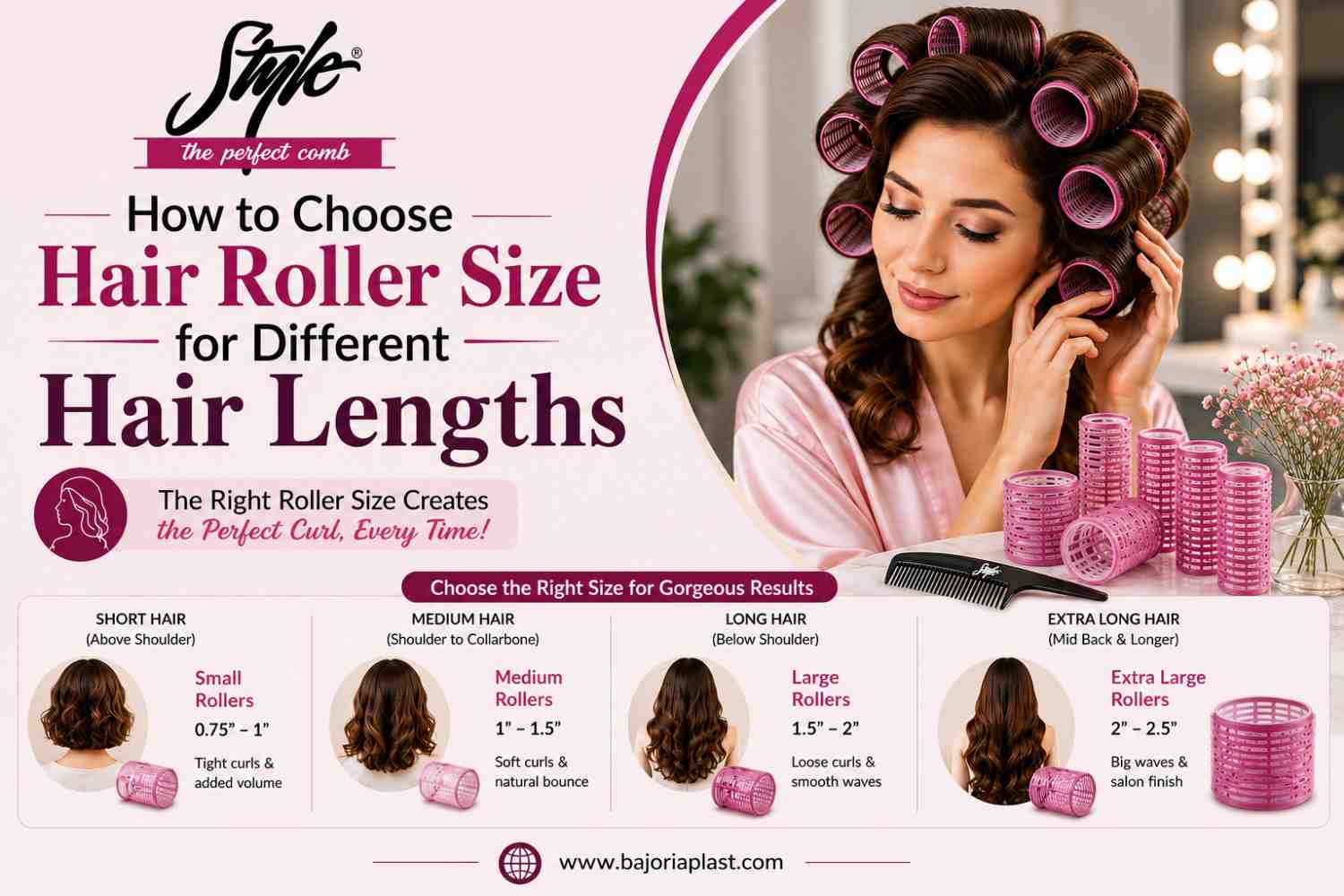
How to Choose the Right Hair Roller Size for Every Hair Length
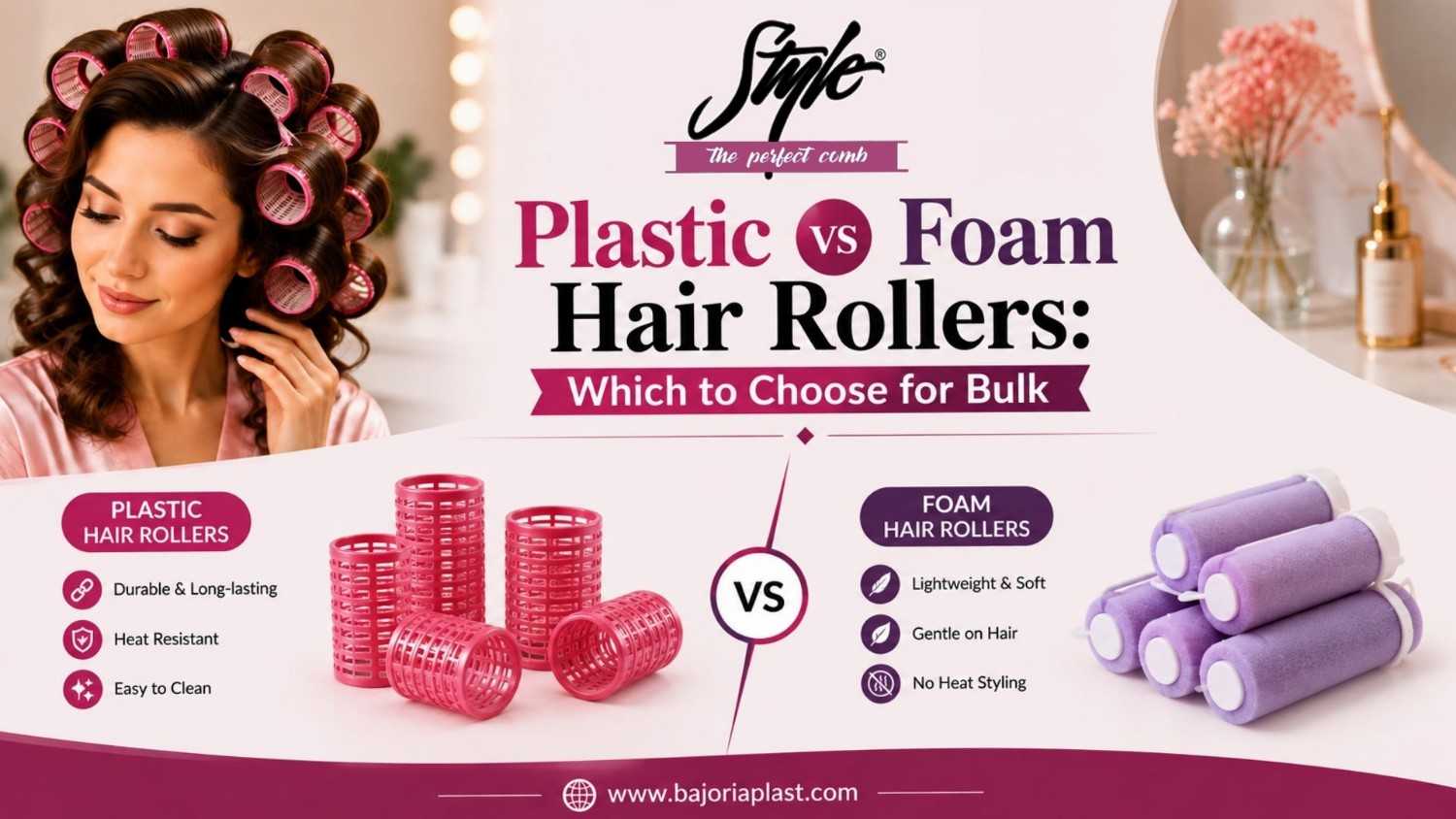
Plastic vs Foam Hair Rollers: Which to Choose for Bulk?
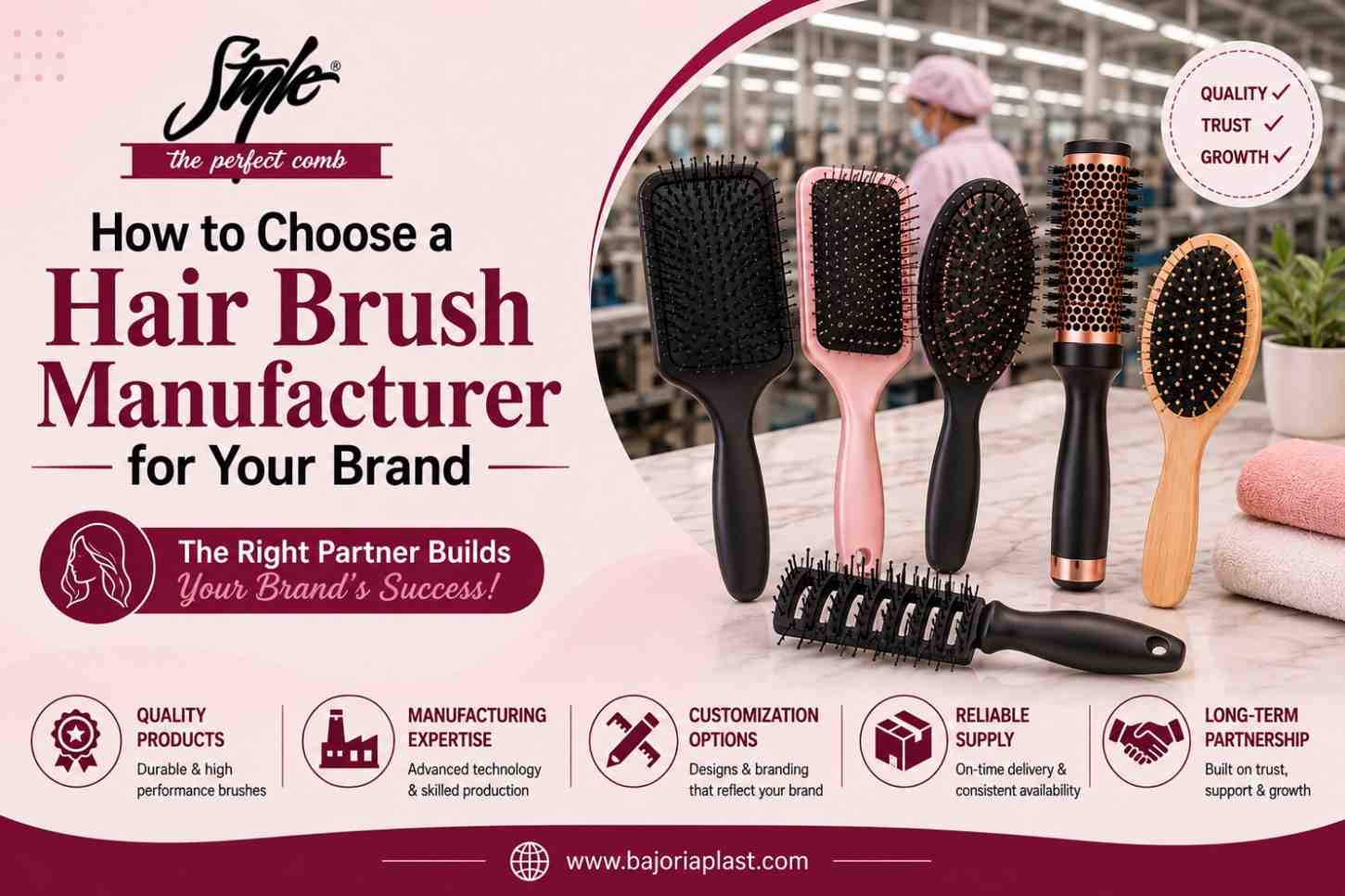
How to Choose a Hair Brush Manufacturer for Your Brand
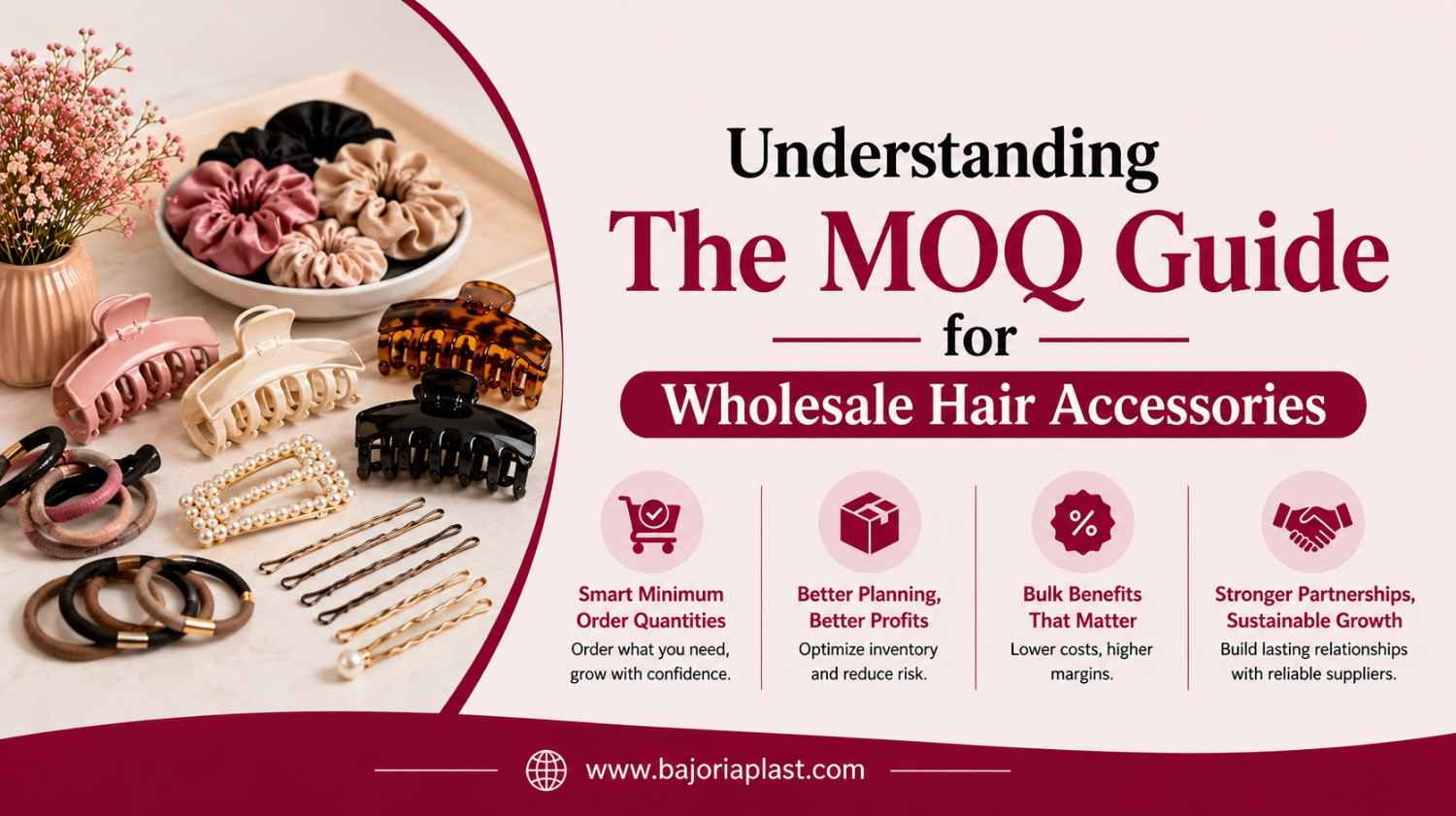
Understanding The MOQ Guide for Wholesale Hair Accessories
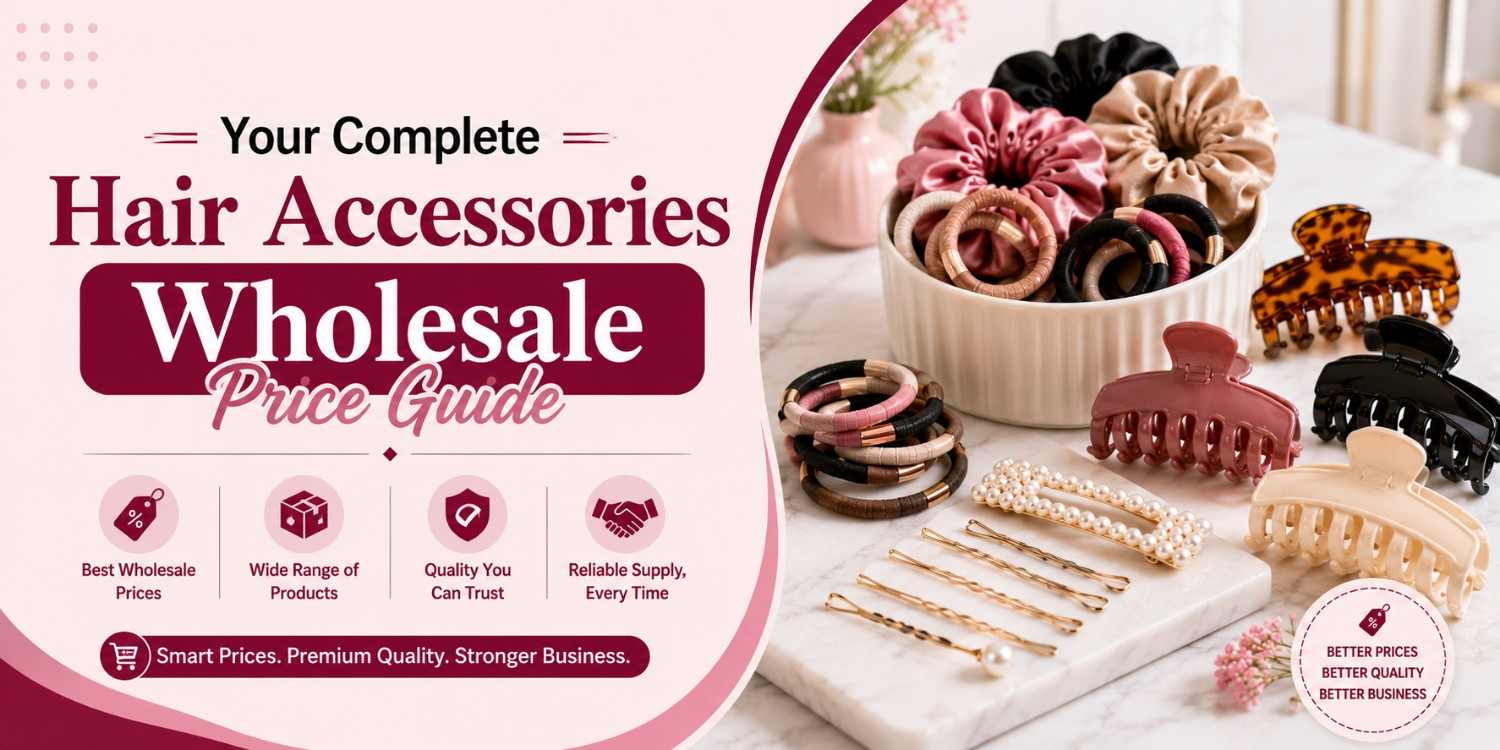
Your Complete Hair Accessories Wholesale Price Guide
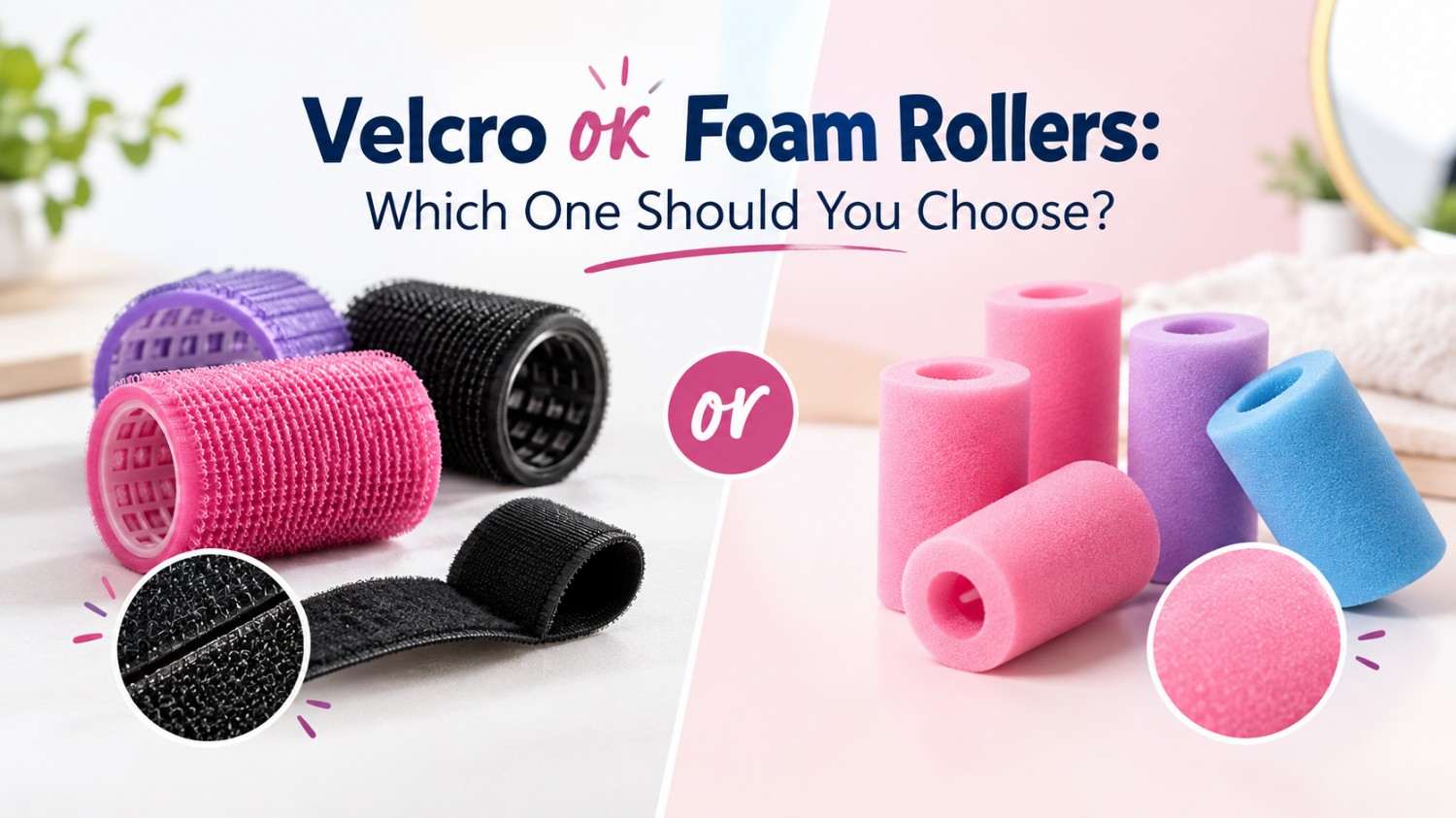
Velcro or Foam Rollers: Which One Should You Choose?
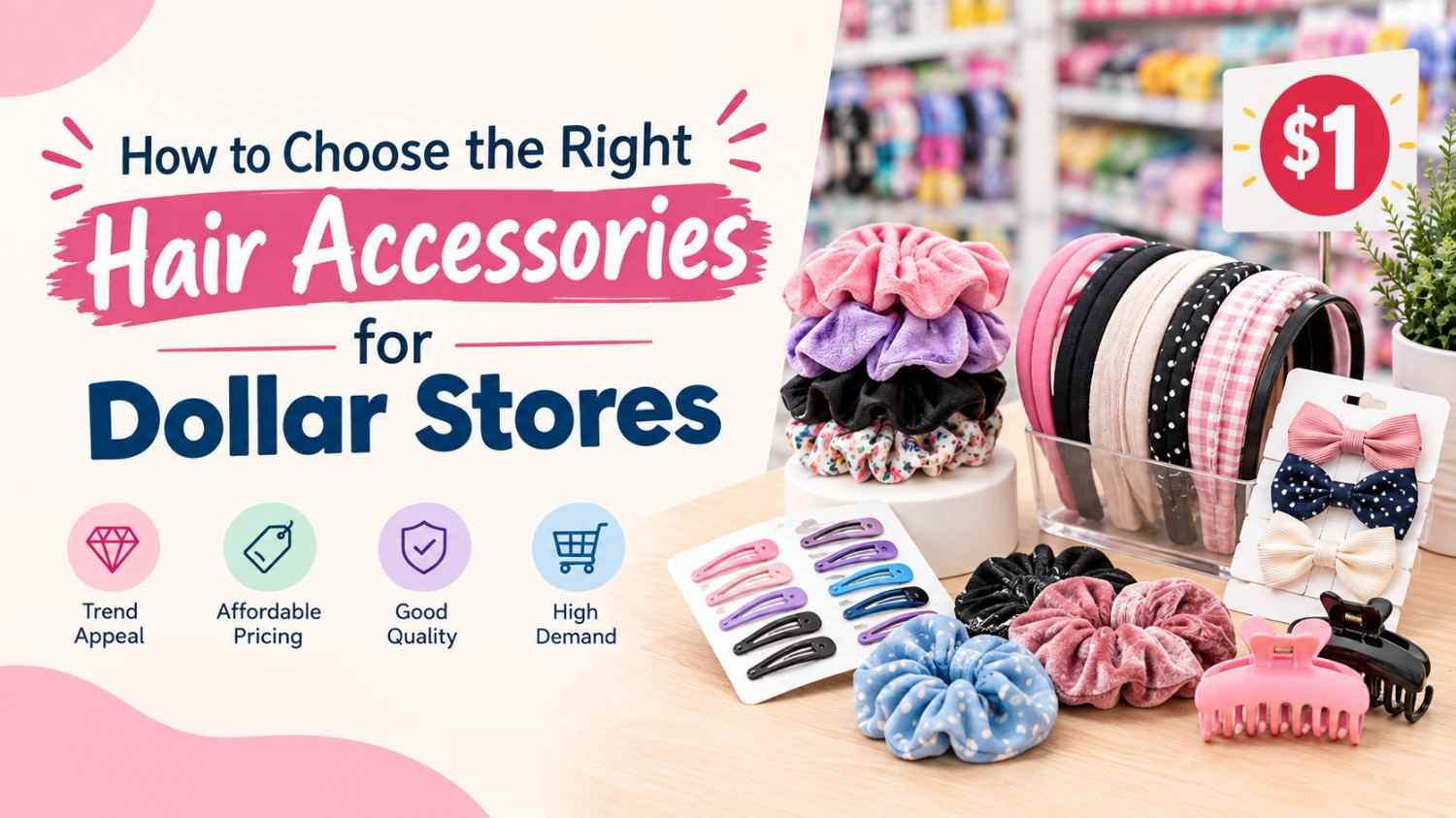
How to Choose the Right Hair Accessories for Dollar Stores
How Industries Purchase Hair Accessories
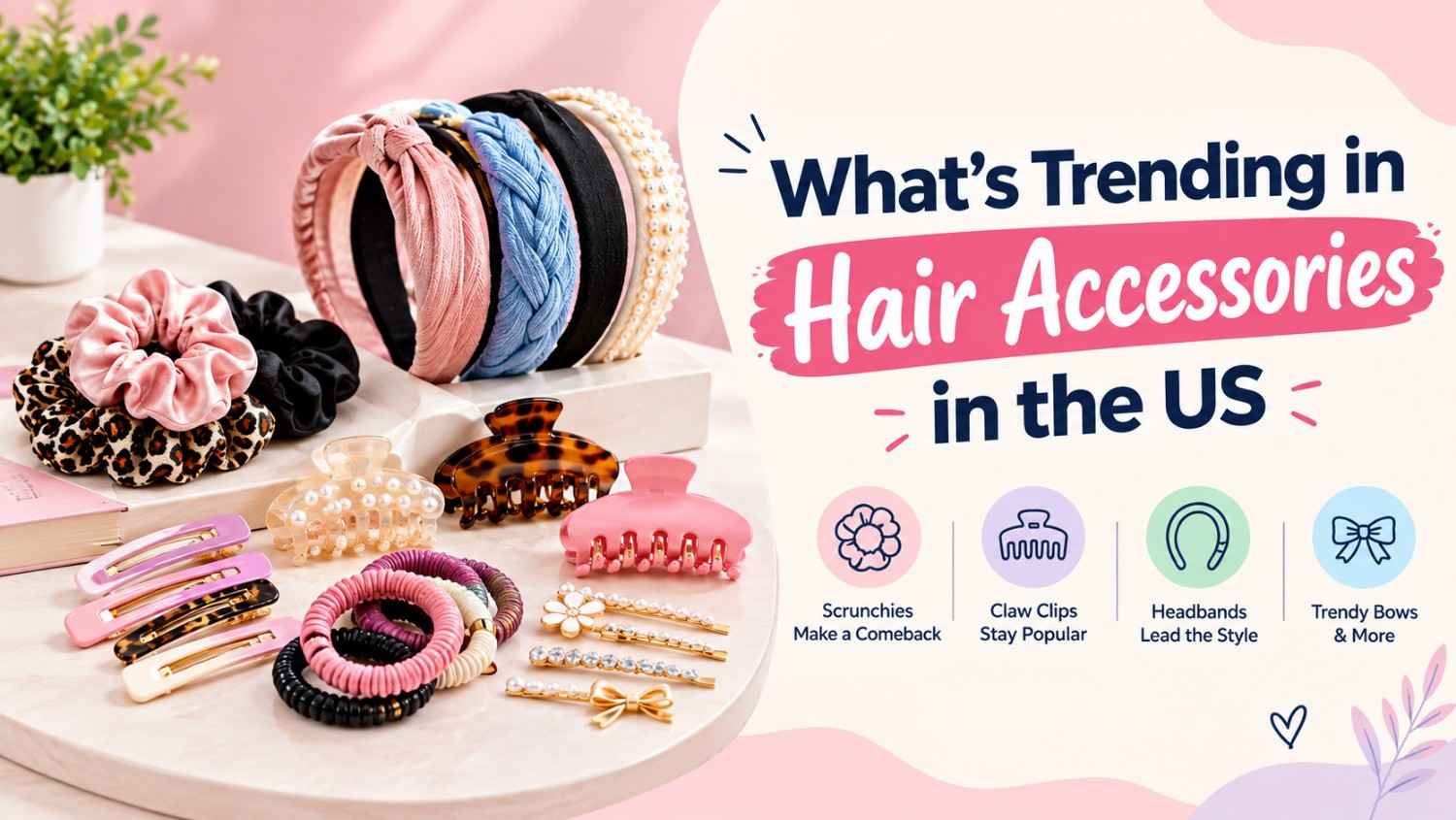
What’s Trending in Hair Accessories in the US

What Are the Benefits of Using a Wooden Comb?
Get In Touch With Bajoria Plast
Address
4593-94 Deputy Ganj, Sadar Bazar, Delhi- 110006, India