Call Us:+91 8882231160

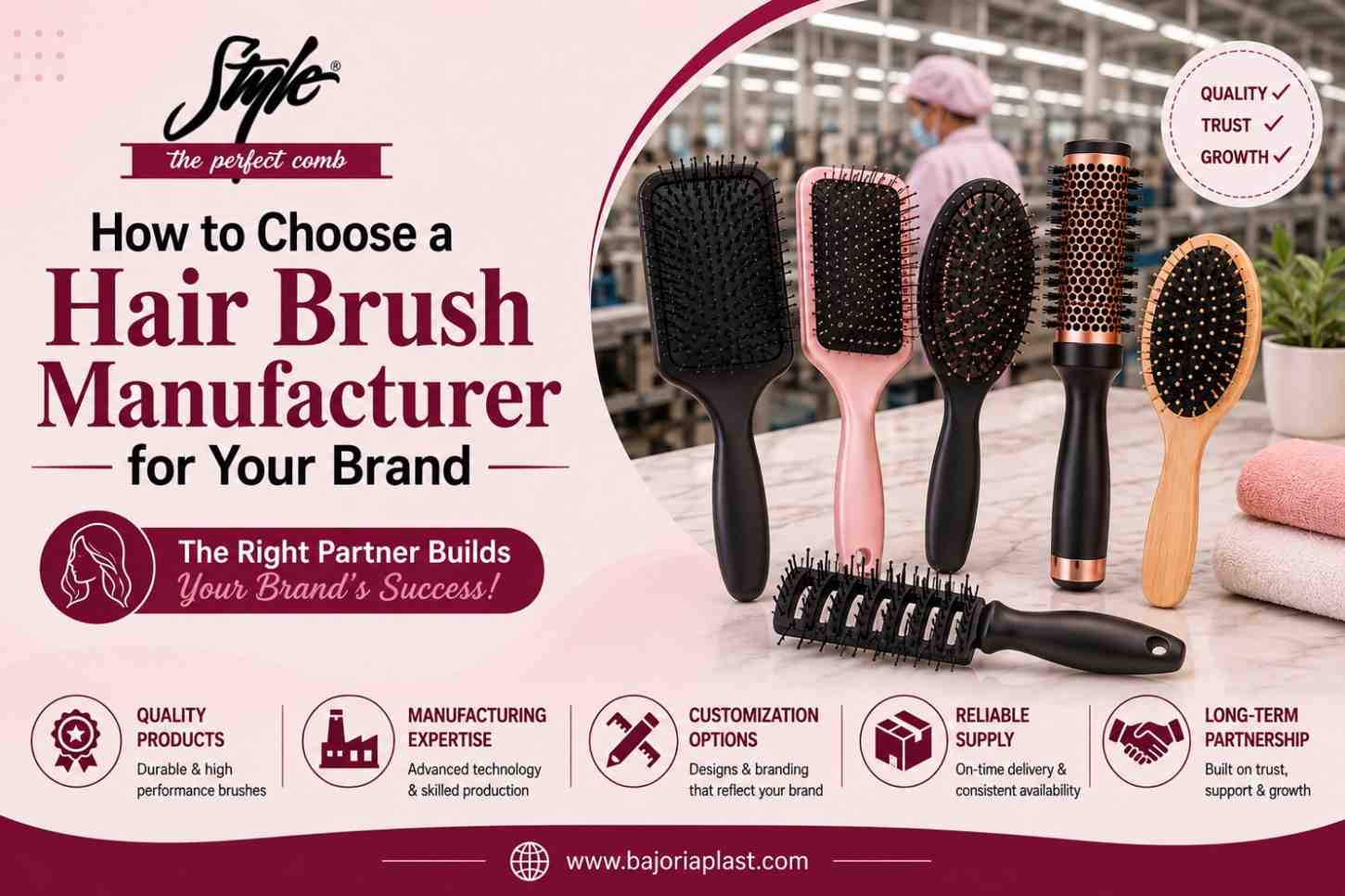
Finding the right hair brush is an important part of maintaining healthy hair and achieving effective styling results. For beauty brands, the quality of a hair brush can have a direct impact on customer satisfaction and brand perception. Choosing the right manufacturer is therefore one of the first and most important decisions when developing a successful hair care product line.
A reliable manufacturing partner can help you create products that match your target audience, meet quality expectations, and strengthen your brand identity. For new and growing beauty businesses, building the right supplier relationship can provide a strong foundation for long-term product development and growth.
A hair brush may look like a simple beauty accessory, but its quality depends heavily on the manufacturer behind it. Everything from the handle and bristle material to the overall design and finishing can influence how the product performs and how customers perceive your brand.
A professional hair brush manufacturer should have reliable production capabilities, consistent quality standards, and proper quality-control procedures. These factors help ensure that every batch meets the required specifications and delivers a consistent customer experience.
The right manufacturer can also support your business with product customization, packaging, material selection, and different design options. This flexibility is particularly valuable for beauty brands that want to create products that stand out in a competitive market.
On the other hand, choosing an unsuitable supplier can result in inconsistent product quality, delayed production, poor communication, and customer complaints. Before making a decision, carefully evaluate the manufacturer's production capacity, material sourcing, quality-control system, customization options, pricing, minimum order quantities, and delivery capabilities.
Taking time to evaluate potential manufacturers can help reduce risks and create a stronger foundation for your brand's long-term growth.
Before approaching any hair brush manufacturer, clearly identify who your products are designed for. Your target audience will influence almost every aspect of your product, including the brush type, materials, features, design, packaging, and price range.
Consider the needs and preferences of your potential customers. Are you targeting people with thick, curly, fine, straight, or textured hair? Do they prefer professional styling tools, everyday brushes, detangling brushes, or eco-friendly products? Are they primarily shopping online, through retail stores, or through professional salons?
Answering these questions will help you develop a clearer product strategy and communicate your requirements more effectively to manufacturers.
For example, a brand targeting customers with delicate or easily tangled hair may prioritize gentle bristles and flexible designs, while a professional-focused brand may require durable brushes designed for frequent salon use.
A well-defined target market also helps you determine the right price point and product positioning. The more clearly you understand your customers, the easier it becomes to select a manufacturer capable of producing hair brushes that meet their expectations.
Before contacting manufacturers, prepare a basic product brief covering your target audience, brush type, preferred materials, design requirements, quantity, packaging, budget, and expected quality standards. This will make the sourcing process more organized and help you compare manufacturers more effectively.
Understanding your target audience is one of the most important steps when developing a hair brush product. Are you creating brushes for professional stylists, eco-conscious consumers, everyday users, or customers with specific hair concerns? Each audience has different needs, and these requirements should guide your product design.
Hair type is another important consideration. Customers with fine, thin hair may need a different brush from those with thick, curly, or textured hair. Choosing the right bristle type, shape, flexibility, and overall design can make a significant difference in the styling experience.
For example, boar bristle brushes can be useful for smoothing hair and distributing natural oils, particularly on straight or fine hair. Brushes with flexible synthetic bristles, such as nylon, can be suitable for detangling thicker or wet hair when designed for gentle use.
Your manufacturer should have the capabilities to produce brushes according to these specific requirements. Once you clearly understand your customers, you can work with the manufacturer to select appropriate materials and develop a product that addresses genuine customer needs.
After identifying your audience, determine which product features and benefits matter most to them. Is your market primarily price-sensitive, or are customers willing to pay more for premium materials, advanced features, and distinctive designs?
Your answer will influence everything from material selection and manufacturing methods to packaging and final pricing.
For a premium beauty brand, the focus may be on creating a luxurious hair brush using high-quality materials, refined finishing, and customized designs. This requires a manufacturer with strong craftsmanship, customization capabilities, and experience producing premium beauty accessories.
For brands targeting the mass or value-conscious market, the priority may be delivering reliable quality at a competitive price. In this case, you need a manufacturer that can maintain consistent quality while optimizing production and material costs.
Understanding these market expectations will help you choose a manufacturing partner whose capabilities and strengths align with your business goals.
Not every manufacturer has the equipment, materials, expertise, or production capacity required to create the hair brush you have in mind. Some manufacturers specialize in producing high volumes of standard designs, while others focus on customized products and private-label manufacturing.
Before choosing a supplier, carefully evaluate their manufacturing capabilities. Make sure they have the necessary technology, skilled workforce, material sourcing network, quality-control systems, and production capacity to meet your requirements.
A capable manufacturing partner should also be able to support your brand as it grows, whether you plan to introduce new brush designs, increase order quantities, or expand into different customer segments.
A versatile manufacturer should have experience producing a range of hair brush designs. A diverse product portfolio demonstrates the manufacturer's ability to serve different hair types, styling requirements, and market segments.
When reviewing a manufacturer's product range, look for experience with essential brush categories such as:
A manufacturer that offers multiple brush types can provide greater flexibility as your product range expands. It can also simplify sourcing by allowing you to work with one experienced partner for multiple products.
The materials used in a hair brush influence its performance, durability, appearance, comfort, and market positioning. A manufacturer with reliable material-sourcing capabilities can give your brand more options when developing products for specific customer groups.
Natural boar bristles, for example, are commonly used in brushes designed for smoothing and finishing. Synthetic materials such as nylon can provide flexibility and are widely used in brushes designed for detangling and everyday styling.
For brands focused on sustainability, responsibly sourced wood or bamboo can be considered for brush handles and bodies, depending on the product design and certification requirements.
When evaluating manufacturers, ask about the materials they can source and process. Find out whether they can provide different wood types, natural bristles, synthetic fibers, handle materials, and finishing options according to your specifications.
The right combination of materials can improve both the functionality and appearance of your hair brush while helping your product stand out in a competitive market. A manufacturer that understands the relationship between material selection, product performance, customer needs, and brand positioning can become a valuable long-term partner.
A strong product concept is only valuable when the manufacturer has the capabilities to turn it into a consistent, market-ready product. A reliable hair brush manufacturer needs more than modern machinery. Production capacity, process control, material sourcing, quality management, and supply-chain stability all play an important role in delivering products on time and at the required quality level.
When evaluating a potential manufacturing partner, do not focus only on the finished sample. A sample can show you what the product looks like, but understanding the manufacturer's production capabilities gives you a better idea of whether they can maintain the same quality across large orders.
Injection molding is widely used to manufacture plastic components such as hair brush handles, brush bodies, and bases. A manufacturer with advanced injection molding capabilities can produce these components with greater consistency and precision.
In-house tooling and mold-development capabilities can provide an additional advantage. When a manufacturer manages mold development, maintenance, and modifications internally, it can respond more quickly to design changes and production requirements.
Effective tooling control can help improve:
When evaluating a manufacturer, ask whether tooling and mold maintenance are managed internally or through external partners. Also discuss the materials they use and whether their production processes meet applicable safety and quality requirements.
Production capacity is another important factor when choosing a hair brush manufacturer. A supplier may be able to produce high-quality samples, but they must also have sufficient capacity to handle your required order quantities consistently.
A reliable manufacturer should have organized production processes, quality-control procedures, skilled personnel, and adequate equipment to support both regular and larger orders. The ability to increase production when demand grows is particularly important for developing beauty brands.
Production stability also means maintaining consistent quality even when order volumes change. Ask potential manufacturers about their minimum order quantities, monthly production capacity, lead times, inventory practices, and ability to handle repeat orders.
A stable manufacturing partner can help your brand avoid unnecessary production interruptions and maintain a dependable supply of products as your business grows.
A hair brush may look excellent when it leaves the factory, but its real quality becomes clear when customers use it repeatedly. Effective quality control is therefore essential for maintaining product performance, customer satisfaction, and brand reputation.
A reliable manufacturer should have quality checks throughout the production process rather than relying only on final inspection. This may include incoming material inspections, production-stage checks, dimensional inspections, assembly checks, and final product inspections.
When evaluating a potential supplier, ask how they identify and manage defects. A professional manufacturer should have a clear process for recording quality issues, identifying their causes, implementing corrective actions, and preventing similar problems from recurring.
Consistent quality control can help reduce defective products, minimize waste, improve production efficiency, and ensure that finished hair brushes meet the agreed specifications.
For beauty brands, offering a standard hair brush may not always be enough to create a distinctive identity. OEM and customization capabilities allow businesses to develop products that better reflect their brand positioning and customer requirements.
A capable OEM manufacturer can support different aspects of product development, including brush shape, handle design, materials, colors, bristle configuration, finishing, branding, and packaging.
Customization can be particularly valuable for businesses that want to create a recognizable product range rather than simply resell an existing design.
Effective customization goes beyond adding a company logo to an existing brush. Depending on the manufacturer's capabilities, brands may be able to customize the product's design, materials, colors, handle shape, bristle arrangement, and packaging.
For example, a brand may develop a consistent design language across several brush types, using similar colors, handle shapes, materials, and packaging. This can help create a cohesive product range and make the products easier for customers to recognize.
Some manufacturers may also provide services such as:
Before selecting a manufacturer, ask to see examples of their previous customized products. Reviewing their portfolio can help you understand their design and production capabilities and determine whether they can meet your specific requirements.
The right combination of manufacturing expertise, quality control, production stability, and OEM support can help transform a basic hair brush concept into a reliable product that supports your brand's long-term growth.
Working with a genuine OEM or private-label hair brush manufacturer can offer much more value than simply purchasing a standard product and adding your logo. A generic supplier typically provides ready-made products that are sold to multiple businesses, while an experienced OEM partner can work with your brand to develop products according to your specific requirements.
OEM manufacturing can give you greater control over important product details, including the brush shape, materials, bristle configuration, colors, finishing, packaging, and branding. This allows you to create a product that reflects your brand identity and meets the expectations of your target customers.
A customized product can also help your brand stand out in a competitive market. When customers associate a unique design or product experience with your brand, it can support stronger recognition and customer loyalty. For businesses focused on long-term growth, this level of product differentiation can be a valuable advantage.
Product quality is important, but effective communication and reliable order management are equally valuable when working with a manufacturer. Poor communication can result in misunderstandings, production delays, incorrect specifications, and unexpected costs.
This becomes even more important when working with overseas manufacturers, where different time zones, shipping arrangements, and international logistics can add complexity to the ordering process.
Before selecting a supplier, evaluate how quickly and clearly they respond to your questions. Ask about their communication process, primary contact person, production updates, quality inspections, and shipping procedures.
A dependable manufacturer should provide clear information, communicate changes promptly, and keep you updated throughout the production and delivery process. Good communication helps minimize misunderstandings and makes the entire sourcing experience more predictable.
For businesses sourcing hair brushes for wholesale, retail, or private-label purposes, selecting a manufacturer with the right combination of quality, production capability, customization, and supply reliability is essential.
Bajoria Plast provides hair brush solutions designed to meet the requirements of different business customers. Its focus on product quality, customization, and bulk manufacturing makes it a potential sourcing partner for brands looking to develop or expand their hair care product range.
Wholesale buyers have different requirements from individual consumers. They need consistent product quality, commercially suitable designs, competitive pricing, dependable supply, and the ability to handle repeat orders.
Bajoria Plast focuses on these business requirements when supplying hair brushes for wholesale and retail markets. Product selection can be aligned with different customer preferences, styling requirements, and market segments.
For businesses, consistency is particularly important. Receiving products with uniform specifications across different batches can help maintain customer satisfaction and protect brand reputation.
Manufacturing capacity is an important consideration for brands that expect their product demand to grow. A supplier should be able to handle initial orders while also having the capacity to support larger quantities as the business expands.
Bajoria Plast operates with established manufacturing infrastructure and production capabilities designed to support bulk requirements. Its production processes, including injection molding and tooling capabilities, can provide greater control over product development and manufacturing.
Scalable production can help businesses maintain supply continuity as order volumes increase. Buyers should still confirm current production capacity, lead times, minimum order quantities, and delivery schedules based on their specific requirements before placing an order.
Bajoria Plast offers OEM support for businesses that want to develop hair brushes beyond standard catalog designs. OEM manufacturing can include customization of the brush shape, handle, bristles, materials, colors, finishing, branding, and packaging, depending on the project requirements.
The process can begin with a product concept and continue through design development, sampling, specification confirmation, and final production. This type of support can be particularly useful for startups, private-label businesses, retailers, and established brands looking to introduce differentiated products.
For customized projects, buyers should clearly communicate their specifications and confirm samples before beginning large-scale production. This helps ensure that the final product matches the agreed design and quality expectations.
Experience in international sourcing can be valuable for businesses purchasing products from overseas manufacturers. Export documentation, shipping coordination, packaging, customs requirements, and delivery schedules all need to be managed carefully.
Bajoria Plast has experience working with international buyers and supporting bulk sourcing requirements. This experience can help streamline communication and order coordination for businesses purchasing hair brushes for different markets.
For any international order, buyers should confirm shipping terms, documentation, production lead times, packaging specifications, and applicable import requirements before finalizing the purchase.
Choosing the right manufacturing partner is ultimately about more than finding a supplier with competitive pricing. Product quality, manufacturing capability, OEM support, communication, consistency, and supply reliability all contribute to a successful long-term business relationship.
Selecting the right hair brush manufacturer is an important business decision, and overlooking key factors can create quality, cost, and supply problems later. One of the most common mistakes is choosing a supplier based only on the lowest price.
While price is an important consideration, an unusually low quotation may indicate compromises in materials, manufacturing processes, quality control, or service. A cheaper product can ultimately become more expensive if it results in defects, customer complaints, returns, or frequent replacements.
Poor communication is another warning sign. If a manufacturer is slow to respond, provides unclear information, or avoids answering technical questions, it may create problems during production and delivery. Buyers should also be cautious if a supplier refuses to provide product samples or detailed specifications before accepting a large order.
Before committing to a manufacturer, ask about:
Taking the time to verify these factors can help you avoid unreliable suppliers and build a stronger, more dependable sourcing relationship.
Choosing the right hair brush manufacturer is about much more than finding a supplier with an attractive price. Your manufacturing partner can directly influence product quality, consistency, customization, delivery reliability, and ultimately your customers' experience.
Before making a decision, evaluate the manufacturer's product capabilities, materials, quality-control procedures, production capacity, OEM support, communication, pricing, and supply reliability. A supplier that understands your target market and can consistently meet your specifications can become a valuable long-term partner.
For businesses seeking wholesale and customized hair brush solutions, Bajoria Plast provides manufacturing and OEM support for different business requirements. Buyers can explore its hair brush range and evaluate available options according to their product specifications and target market.
The right manufacturing partnership can help you build a consistent product range, strengthen your brand identity, and provide customers with hair brushes that meet their expectations.
Start by requesting product samples and reviewing the manufacturer's product quality, materials, construction, and finishing. Ask about their quality-control procedures, production capacity, lead times, and previous experience with similar products.
You can also request relevant certifications or compliance documents where applicable and ask for references or examples of previous work. For large orders, an independent third-party inspection can provide an additional level of quality verification.
Before placing an order, ask about minimum order quantities, pricing, lead times, production capacity, materials, customization options, packaging, quality control, payment terms, and shipping arrangements.
You should also confirm whether the manufacturer can meet the regulatory and product requirements applicable to your target market. Clear communication about specifications and expectations before production can help prevent misunderstandings later.
Yes. A custom or OEM manufacturer can give your brand greater control over product design, materials, bristle configuration, colors, handle shape, branding, and packaging.
Instead of selling the same standard product as multiple competitors, customization allows you to develop a hair brush that reflects your brand identity and addresses the specific needs of your target customers. This can help differentiate your products and create a more recognizable product range.
However, custom manufacturing may involve higher development costs, tooling requirements, and minimum order quantities. Businesses should evaluate these factors against their long-term branding and product-development goals.

Buying Plastic Combs in Bulk at Low Cost: A Smart Buyer’s Guide
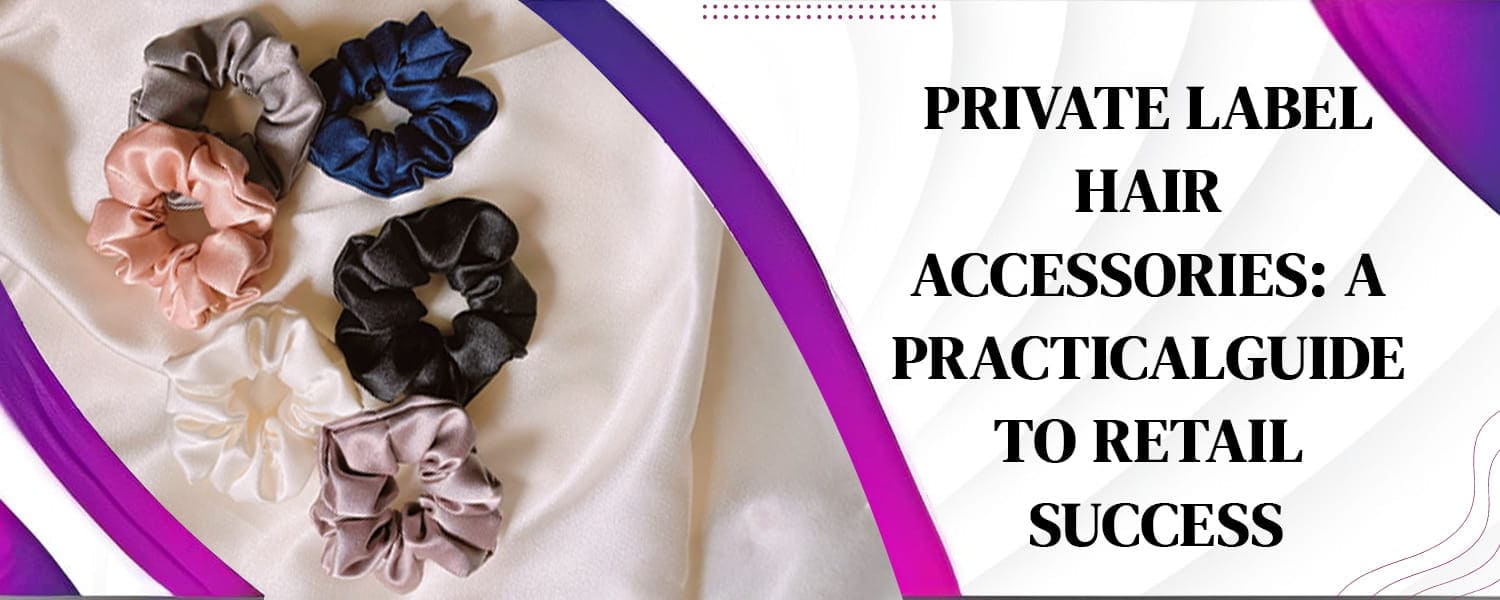
Private Label Hair Accessories: A Practical Guide to Retail Success
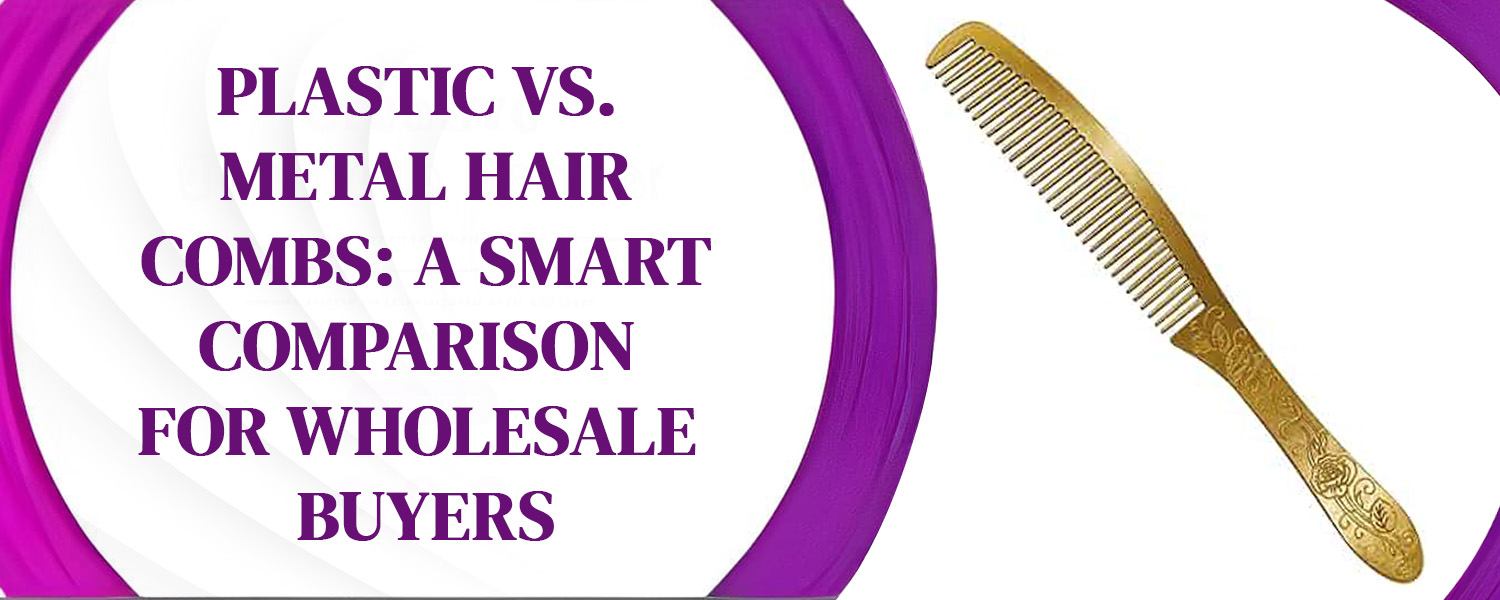
Plastic vs. Metal Hair Combs: A Smart Comparison for Wholesale Buyers
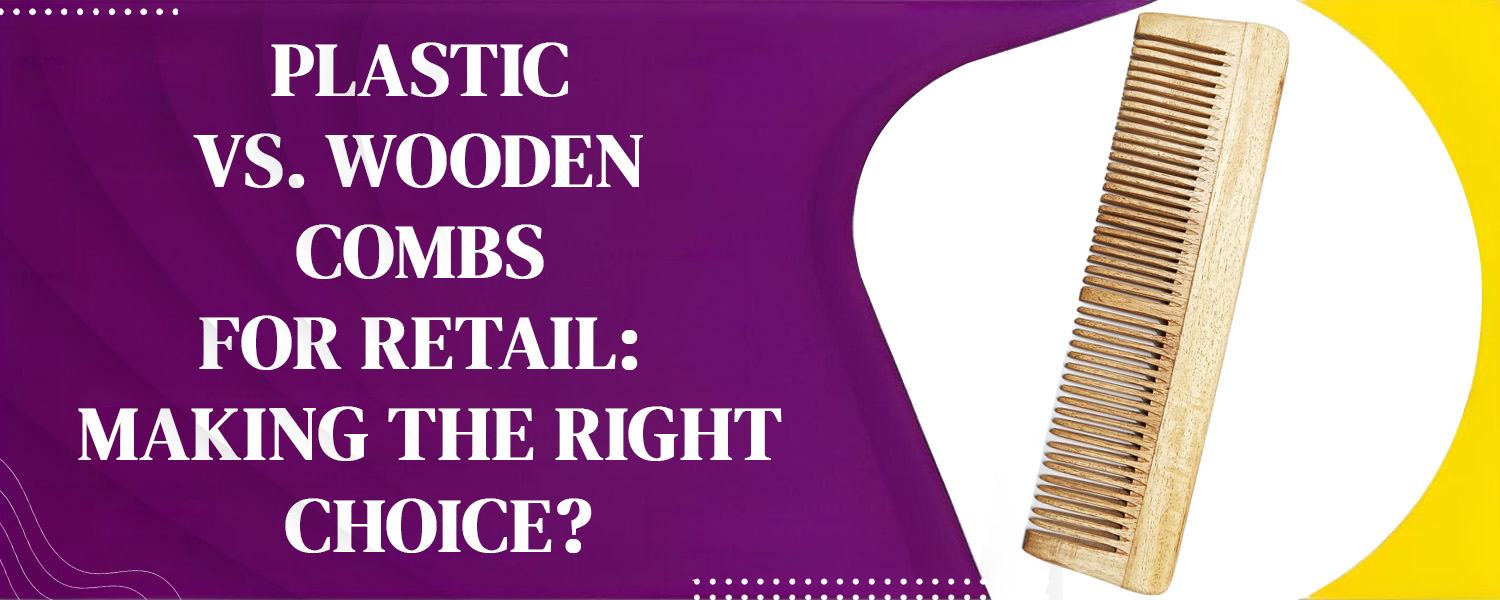
Plastic vs. Wooden Combs for Retail: Making the Right Choice?
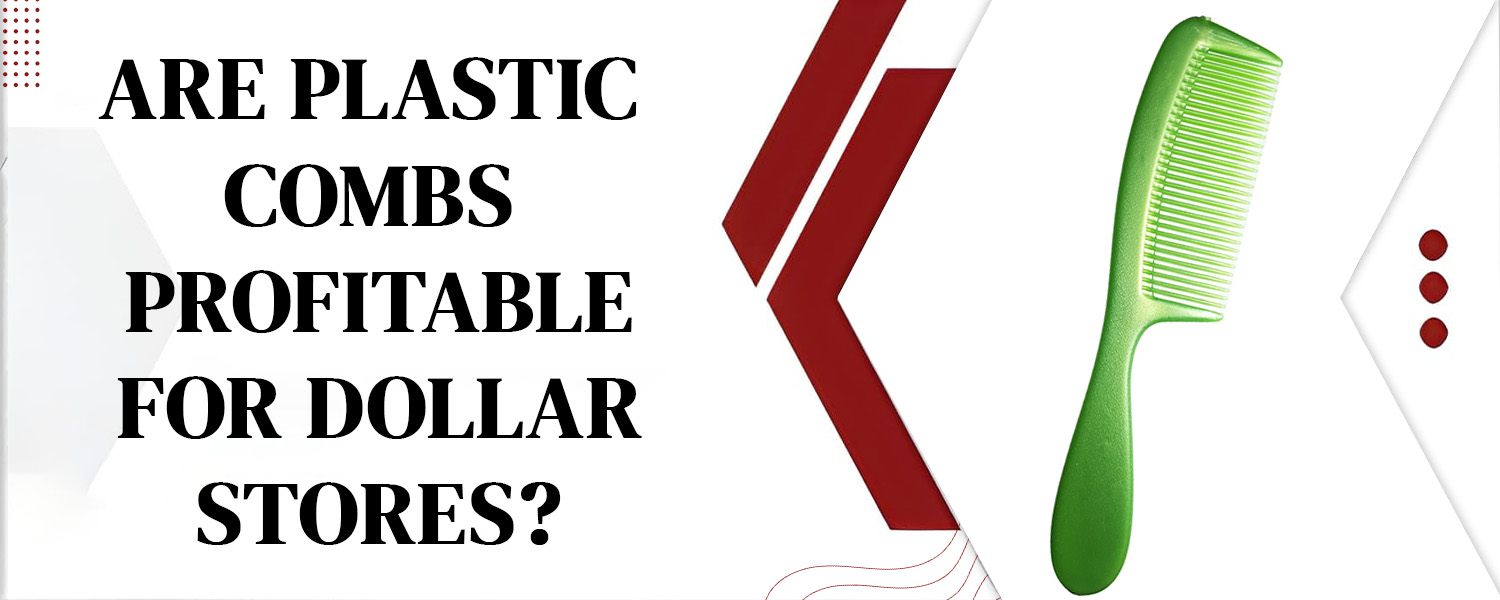
Are Plastic Combs Profitable for Dollar Stores?

Hair Accessories for Amazon FBA: Smart Sourcing Strategies for Sellers
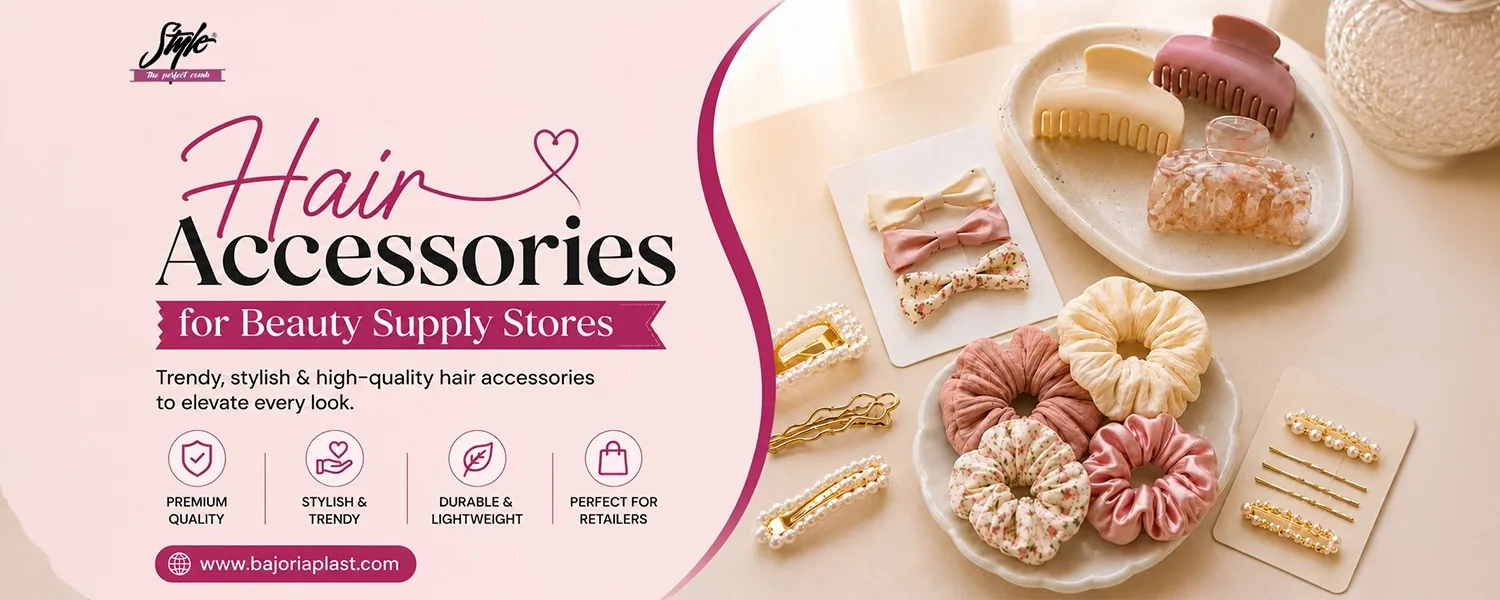
Hair Accessories for Beauty Supply Stores
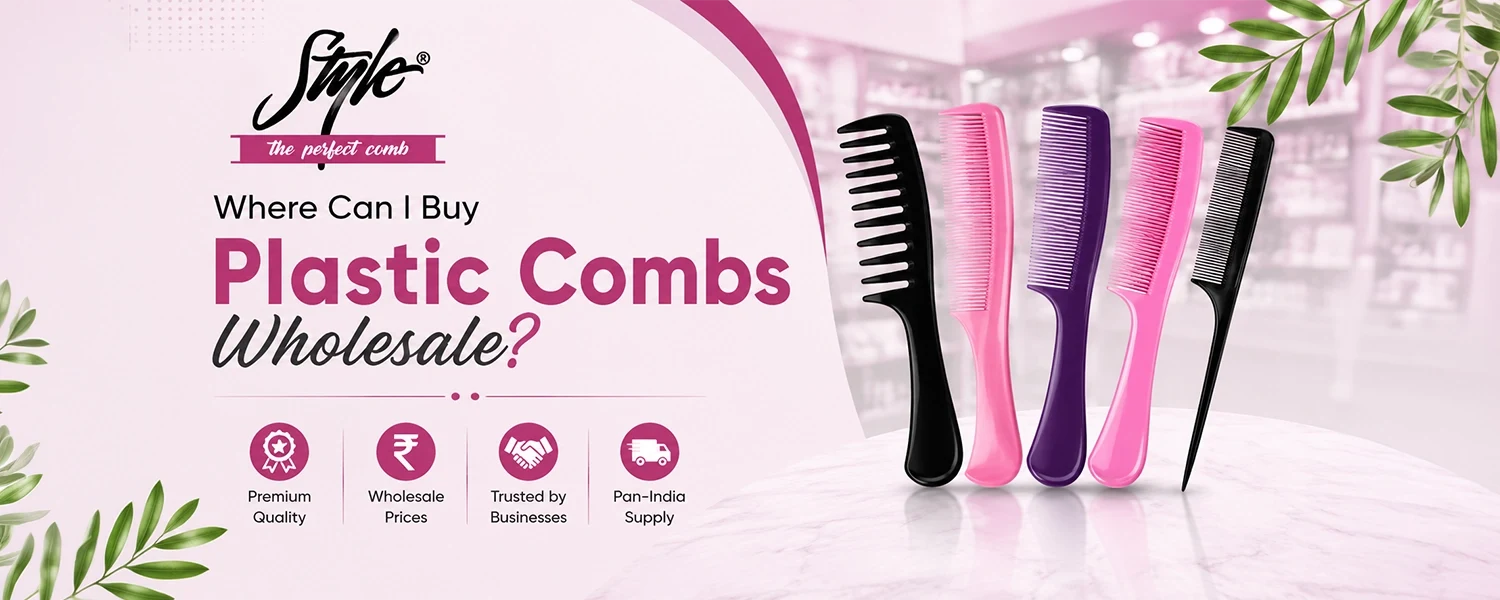
Where Can I Buy Plastic Combs Wholesale?

Hair Accessories for Dollar Stores – Custom & Reliable
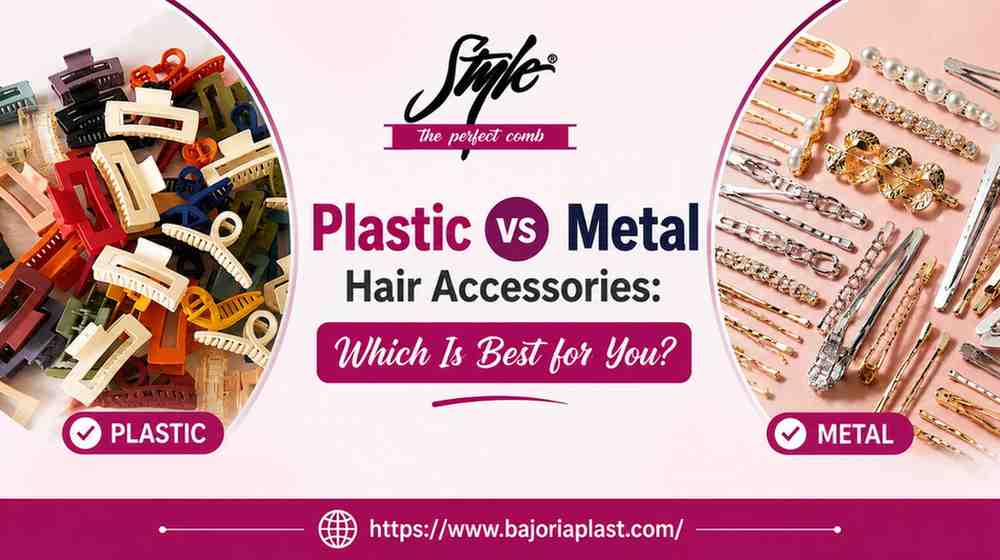
Plastic vs Metal Hair Accessories: Which Is Best for You?
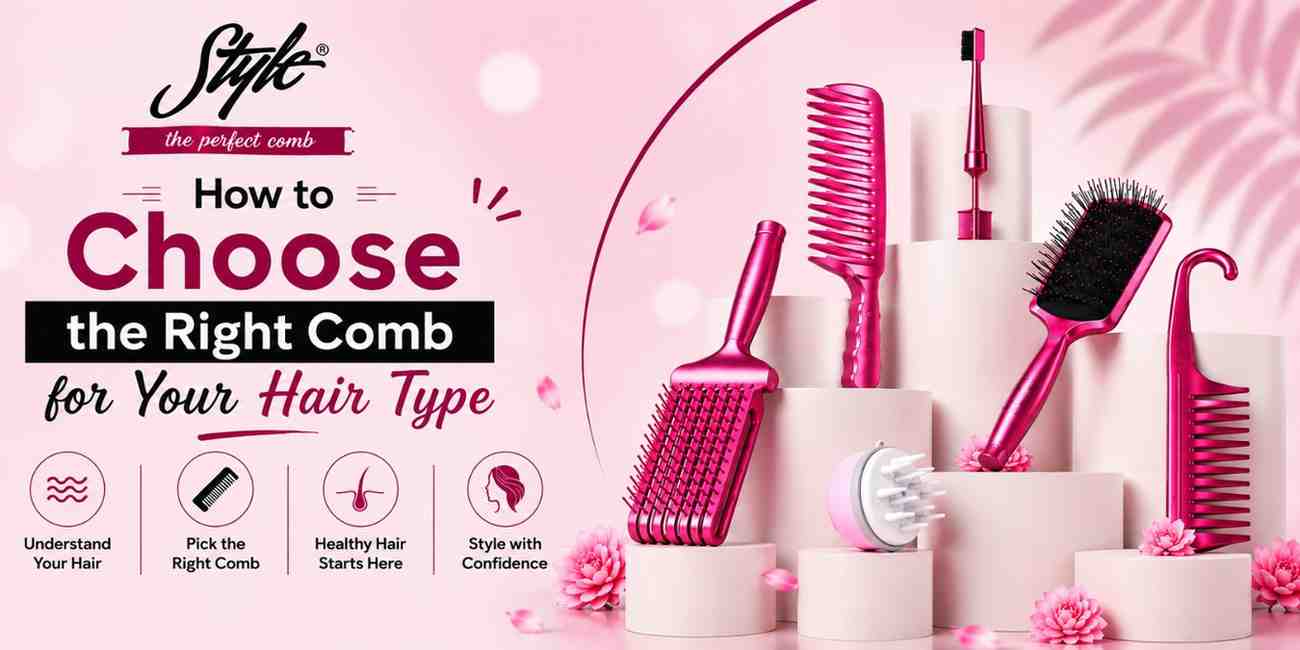
How to Choose the Right Comb for Your Hair Type
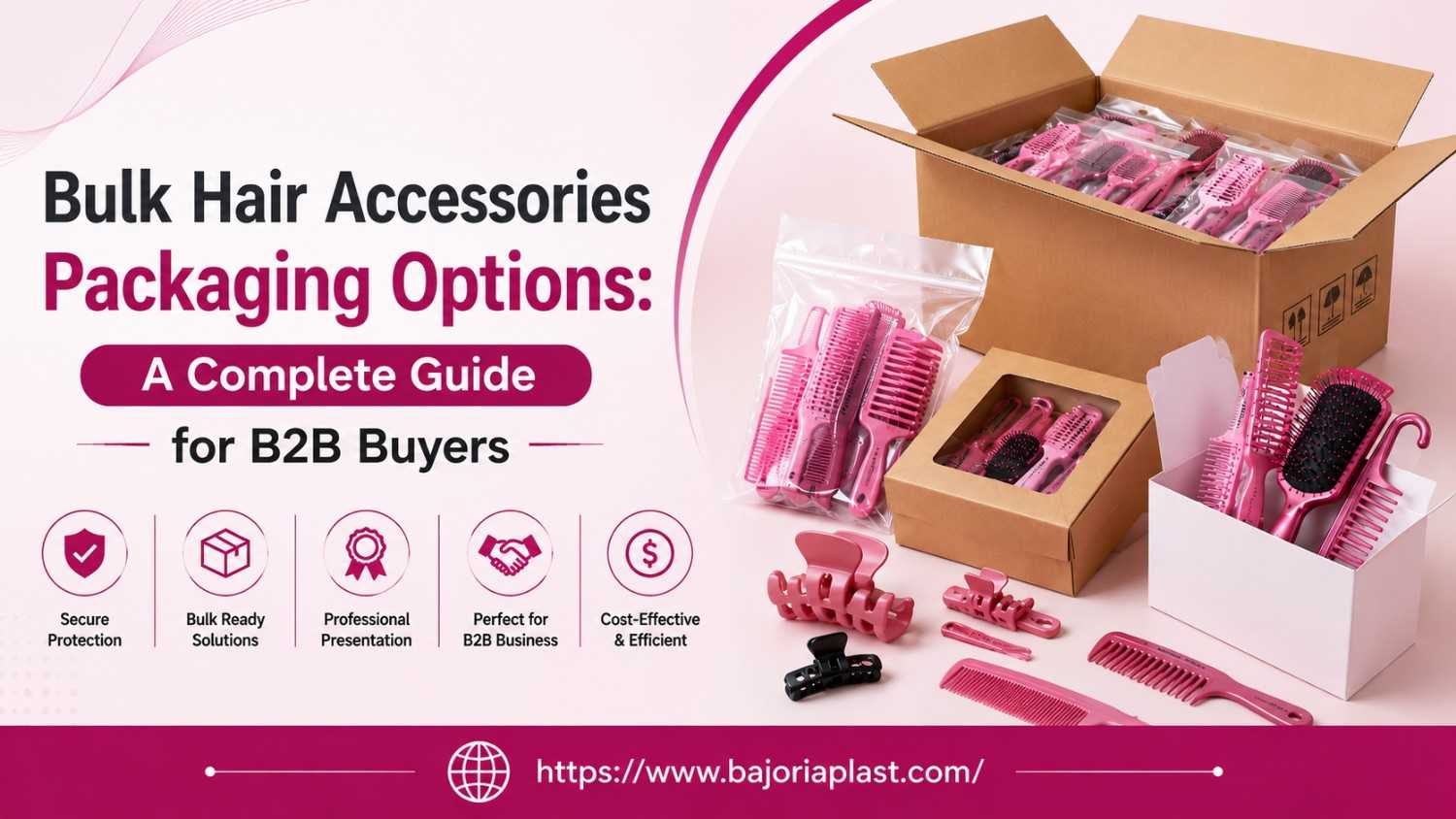
Bulk Hair Accessories Packaging Options: A Complete Guide for B2B Buyers
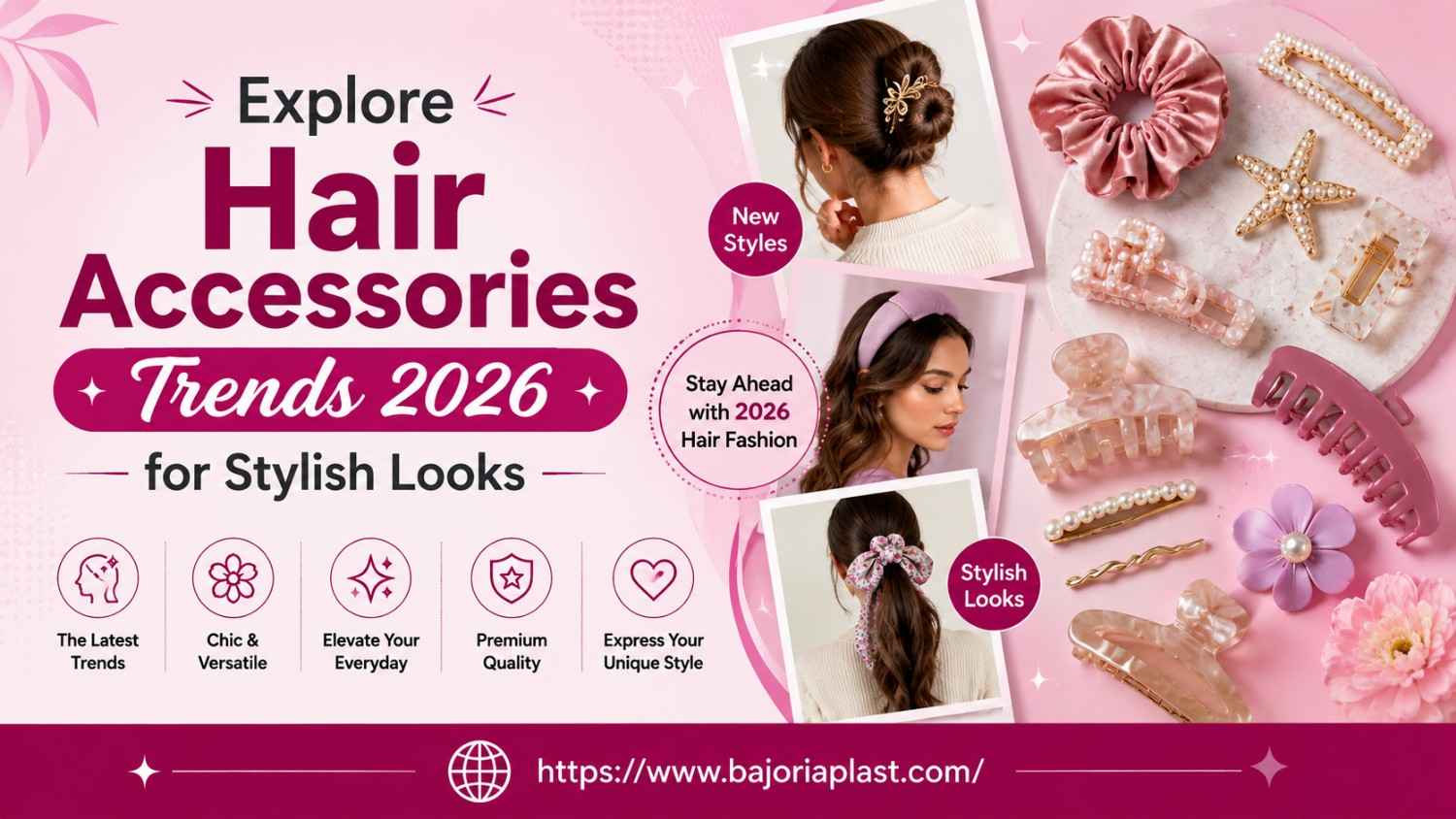
Explore Hair Accessories Trends 2026 for Stylish Looks
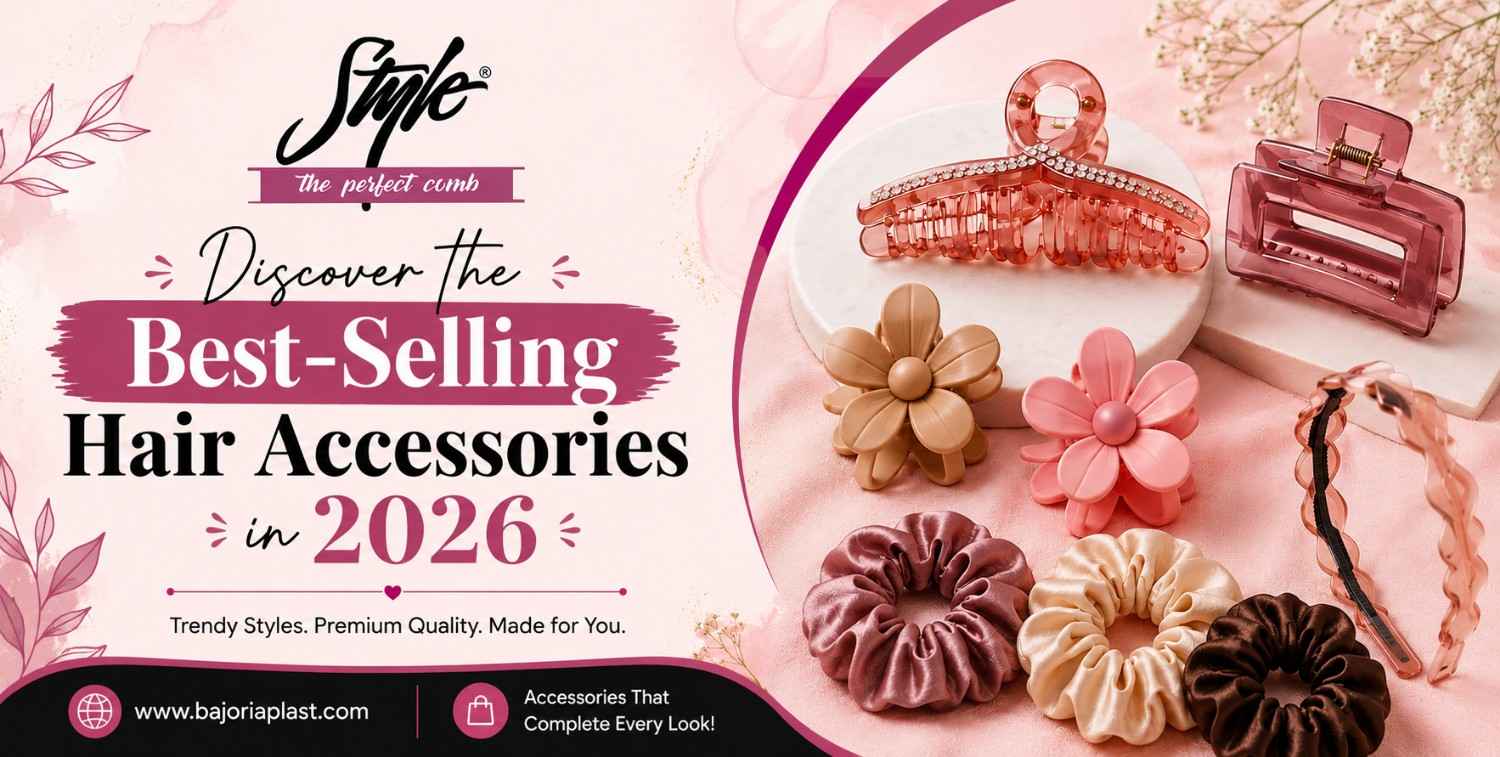
Discover the Best-Selling Hair Accessories in 2026
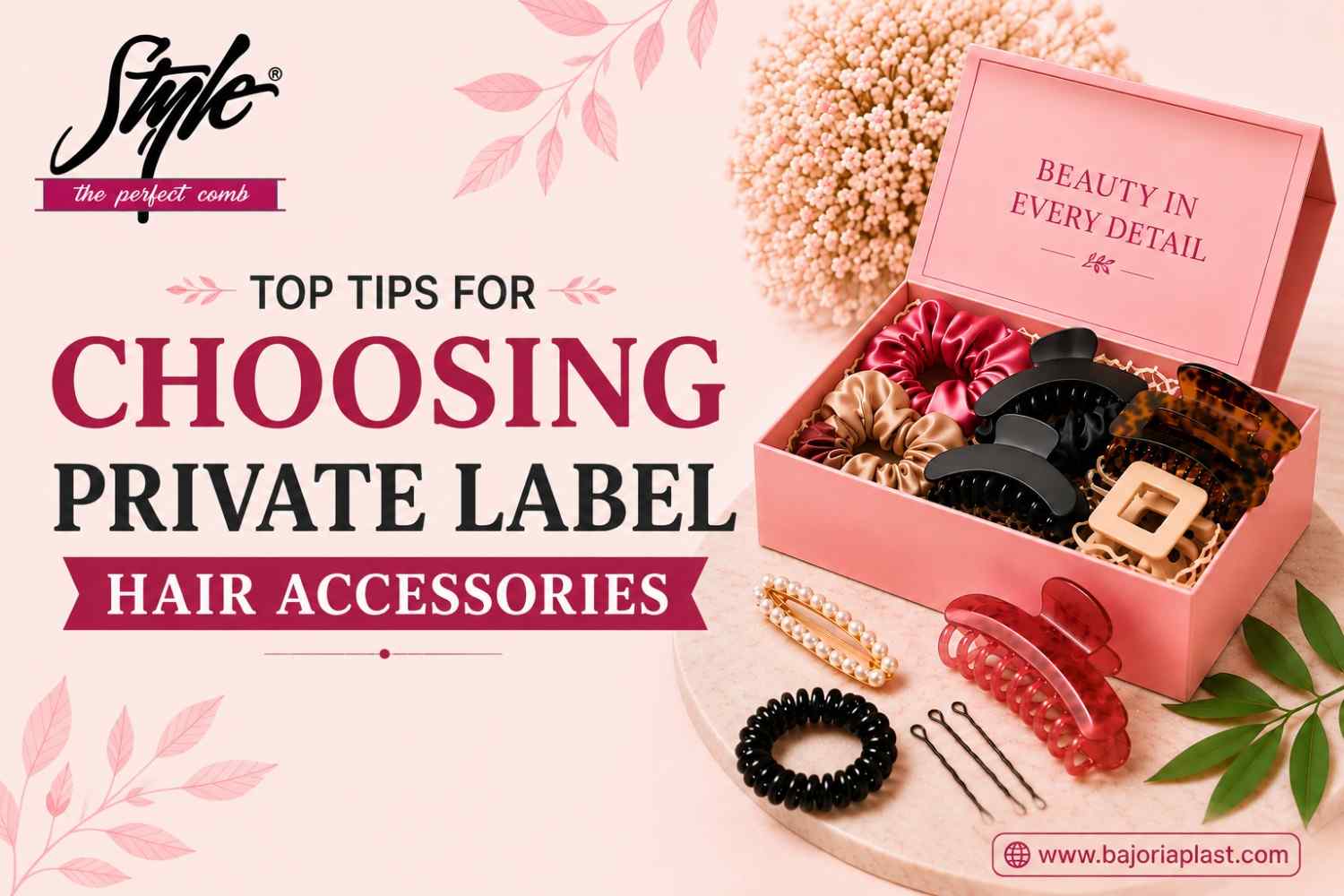
Top Tips for Choosing Private Label Hair Accessories
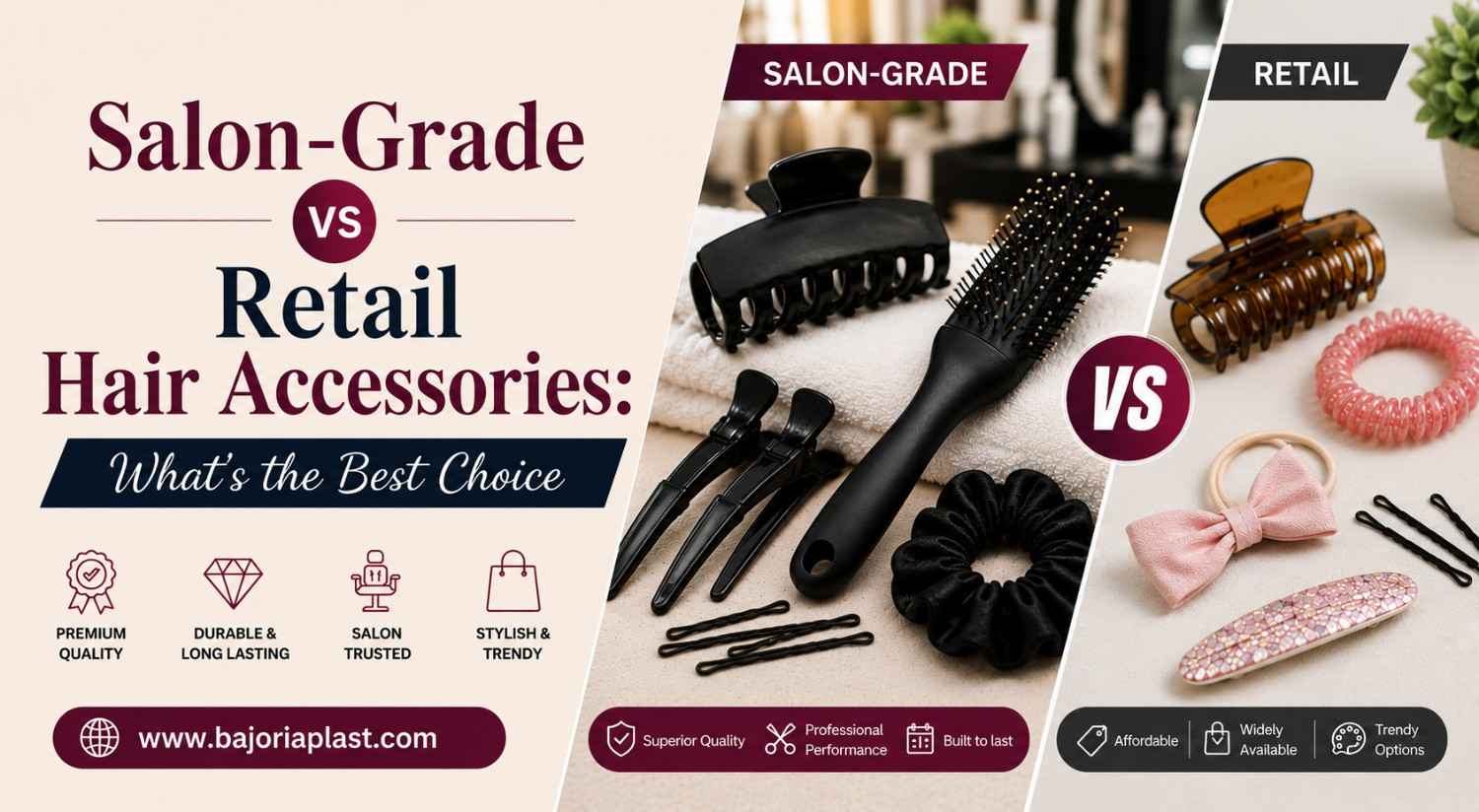
Salon-Grade vs Retail Hair Accessories: What’s the Best Choice?
Salon Hair Tools: What Professional Salons Really Need
How to Choose a Hair Accessories Supplier: Key Tips
How Amazon Sellers Evaluate Hair Accessories Suppliers
What Makes a Professional Salon Comb? Key Features, Materials, and Standards
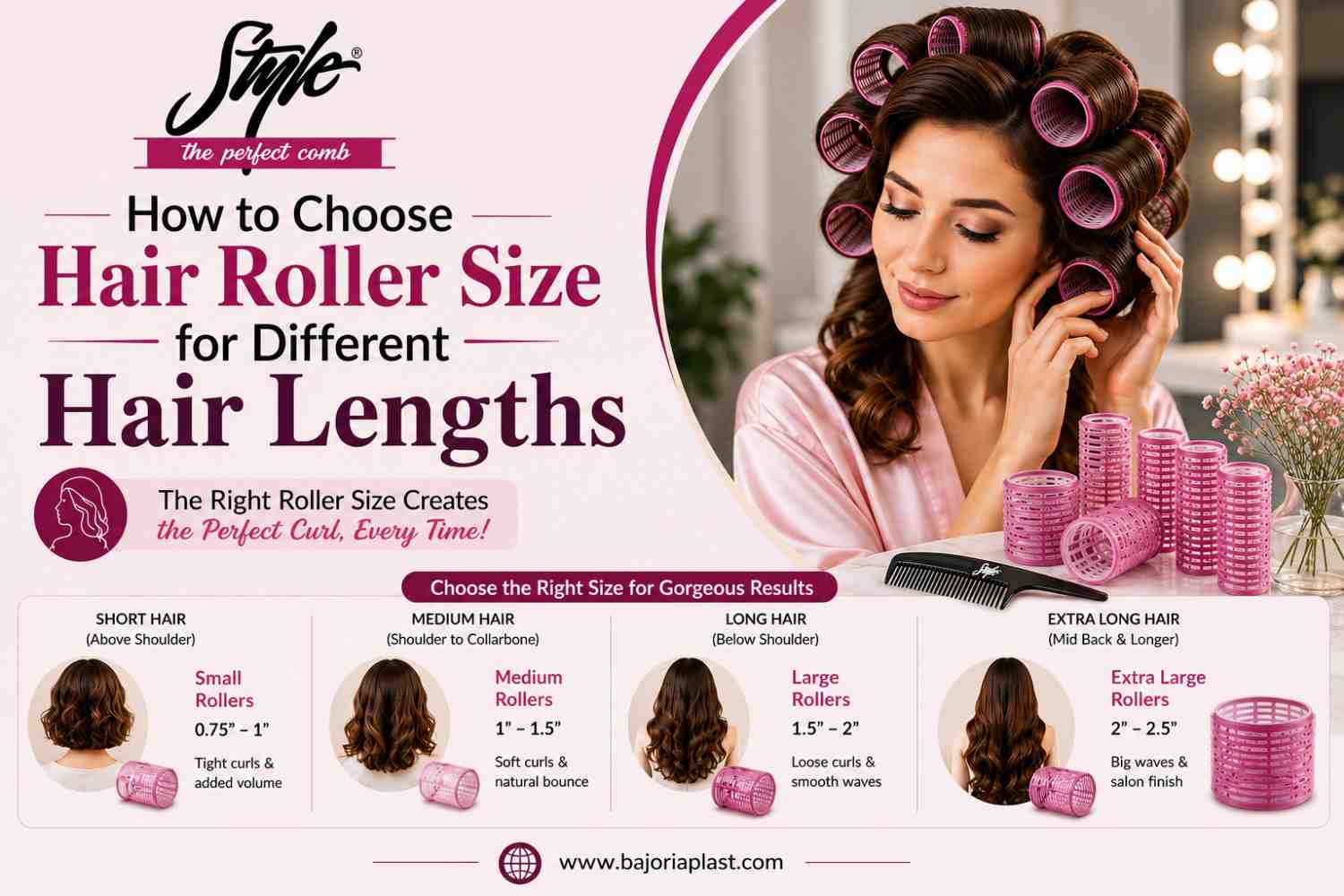
How to Choose the Right Hair Roller Size for Every Hair Length
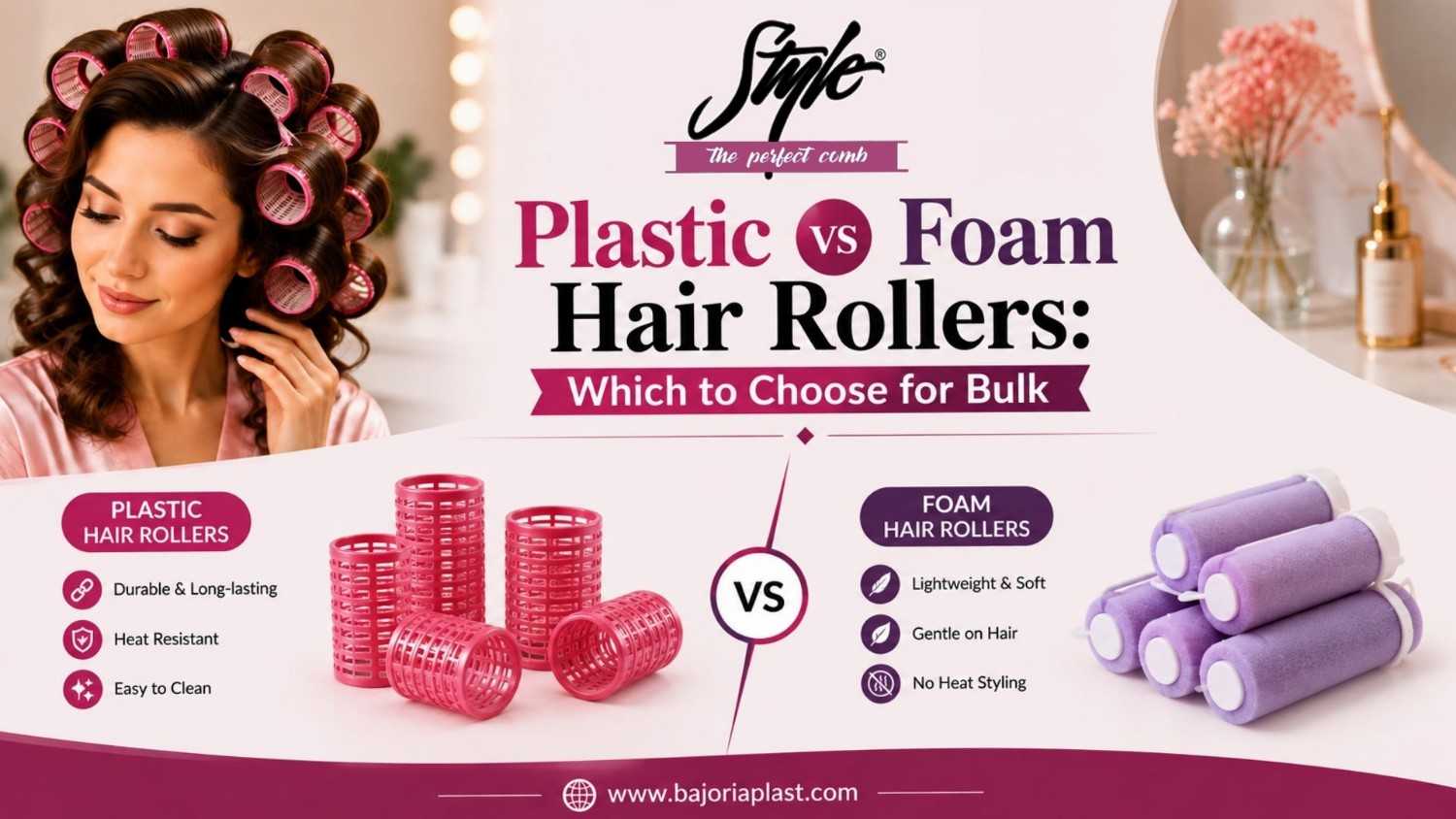
Plastic vs Foam Hair Rollers: Which to Choose for Bulk?
How to Choose a Hair Brush Manufacturer for Your Brand
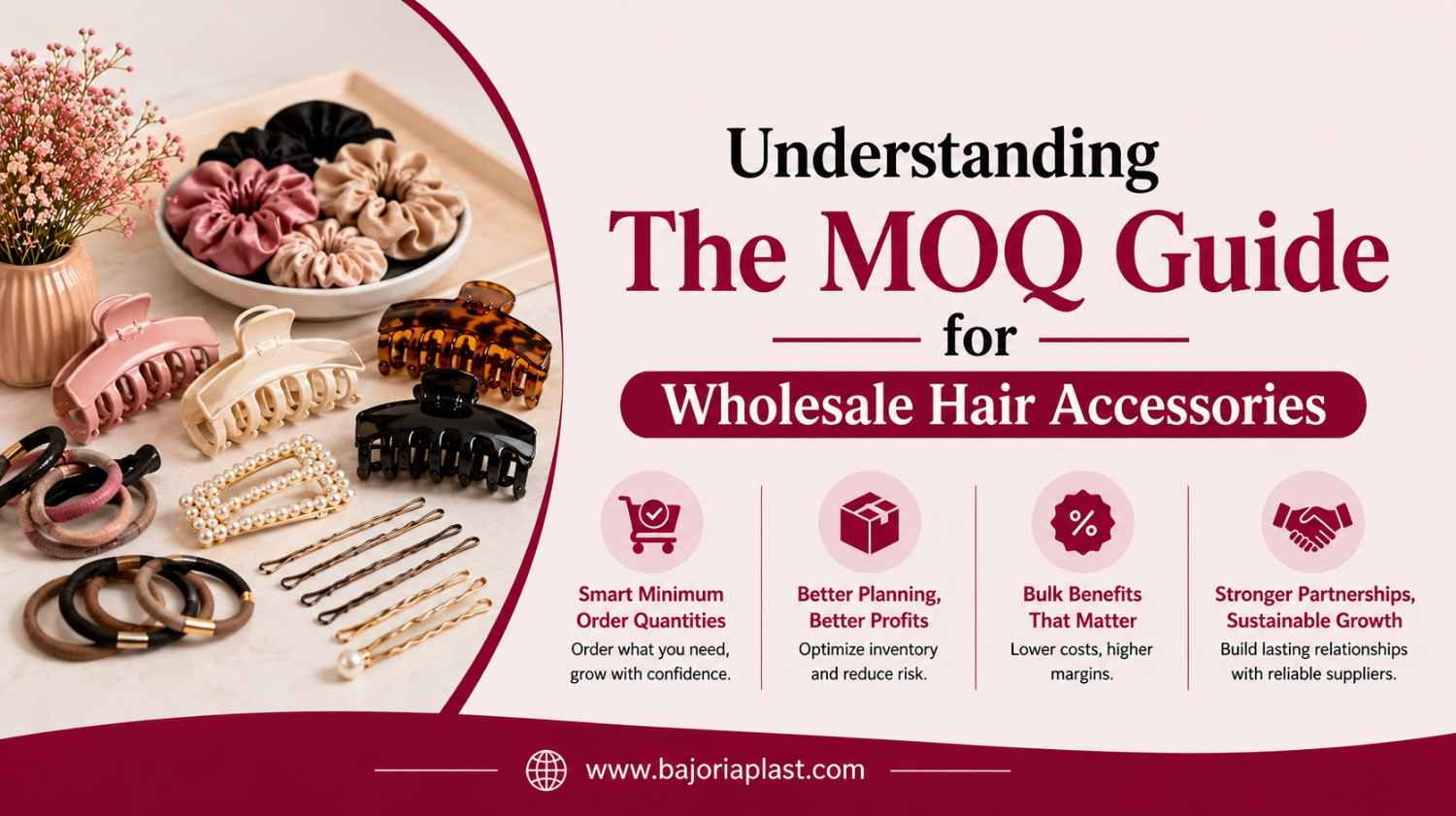
Understanding The MOQ Guide for Wholesale Hair Accessories
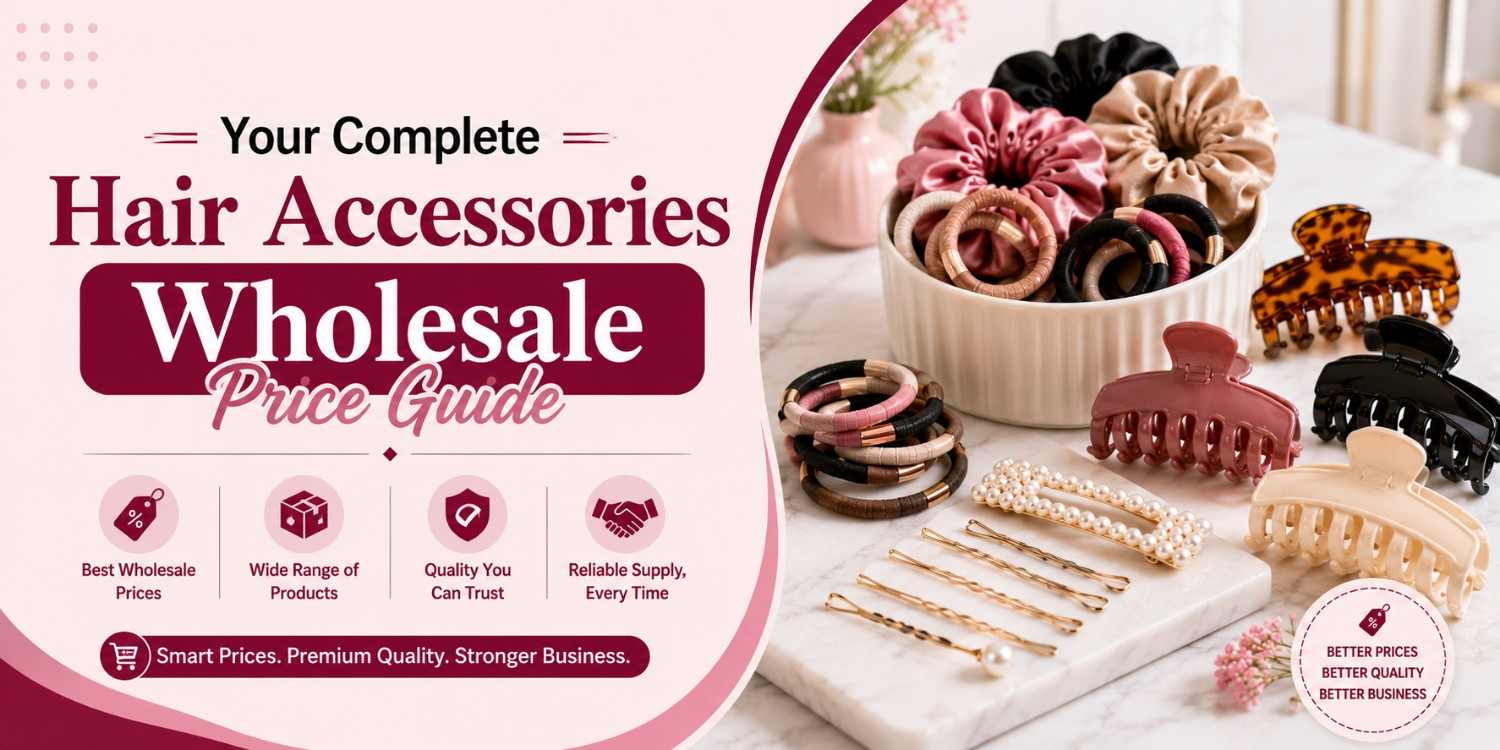
Your Complete Hair Accessories Wholesale Price Guide
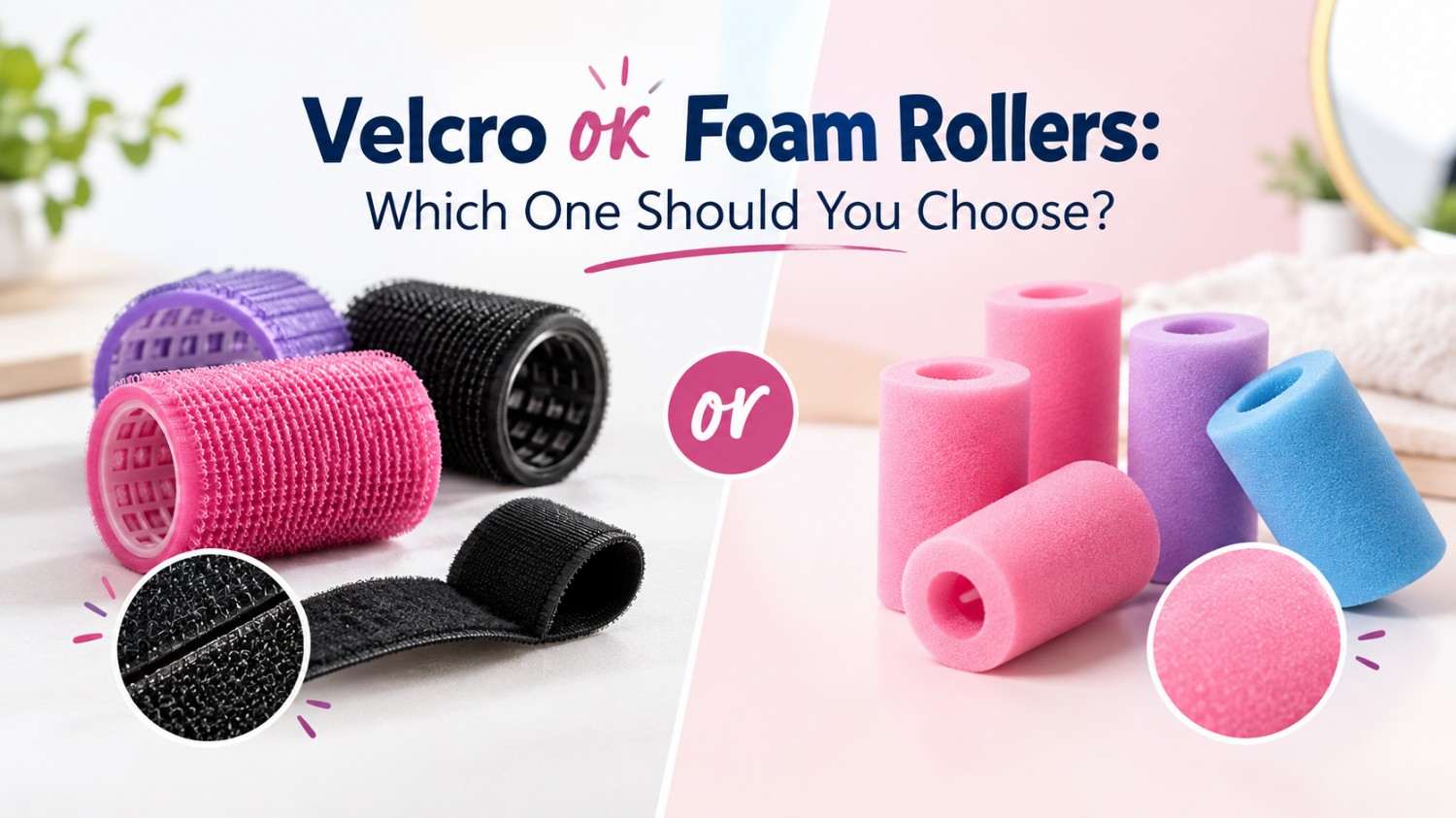
Velcro or Foam Rollers: Which One Should You Choose?
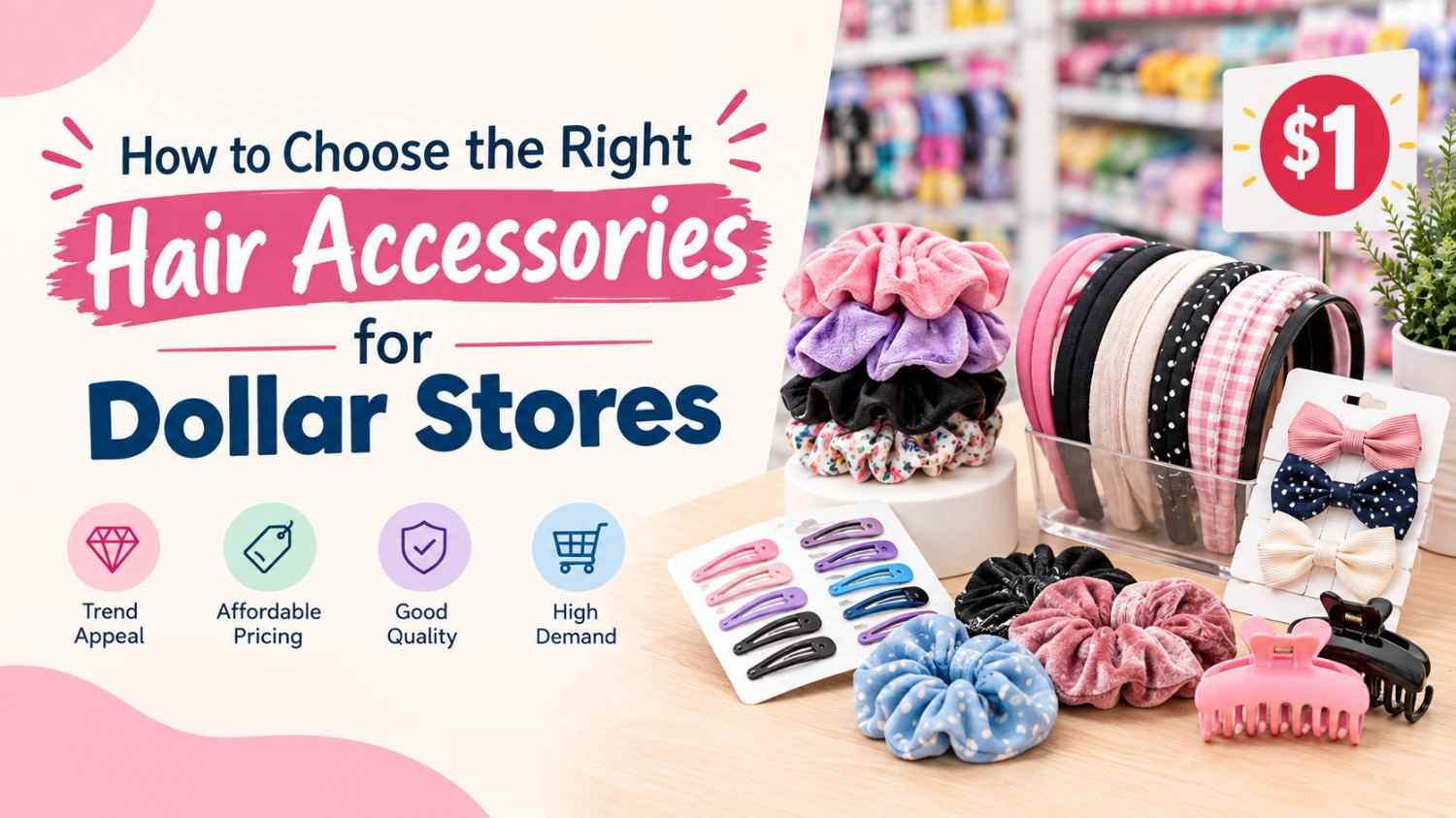
How to Choose the Right Hair Accessories for Dollar Stores
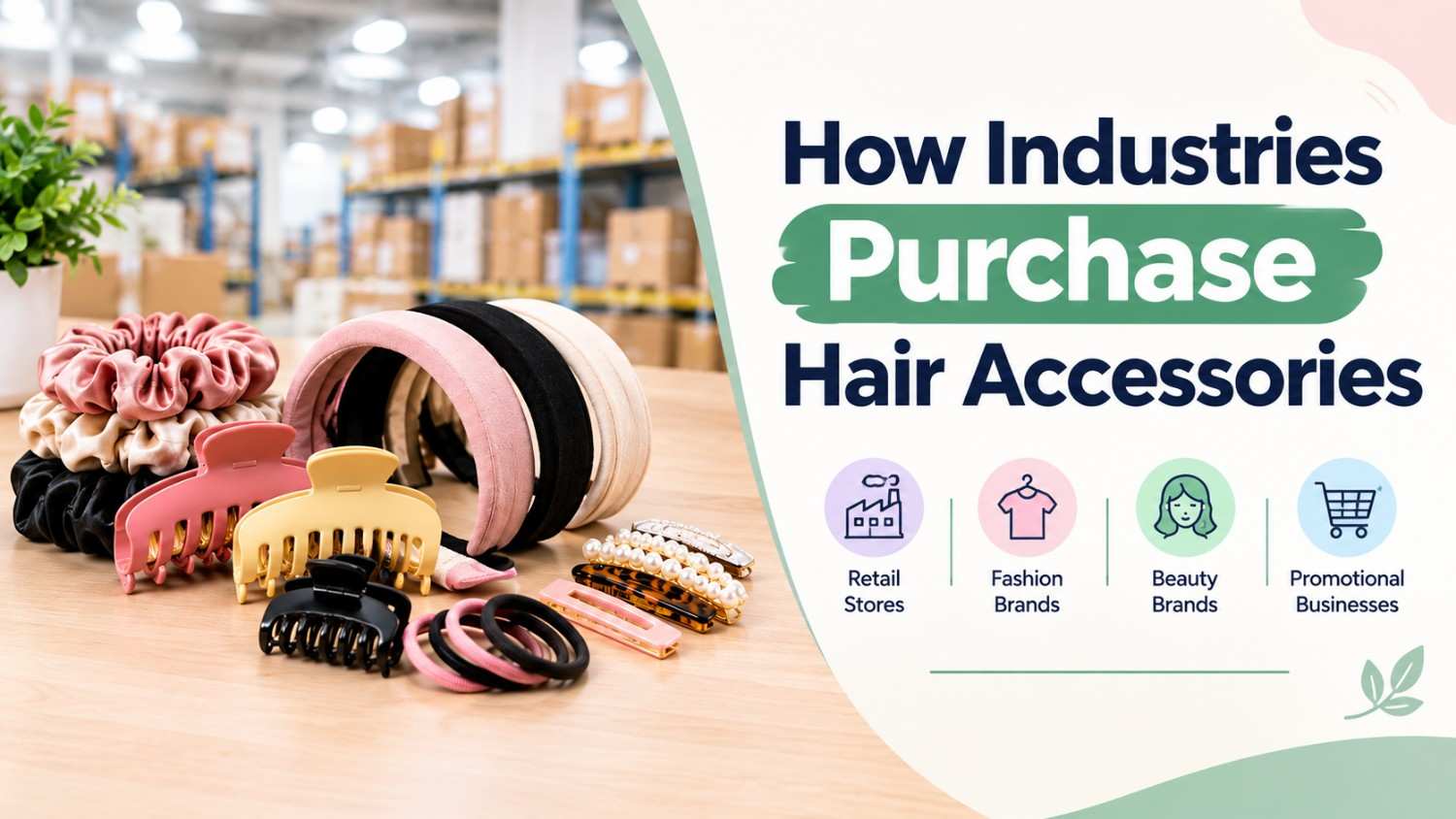
How Industries Purchase Hair Accessories
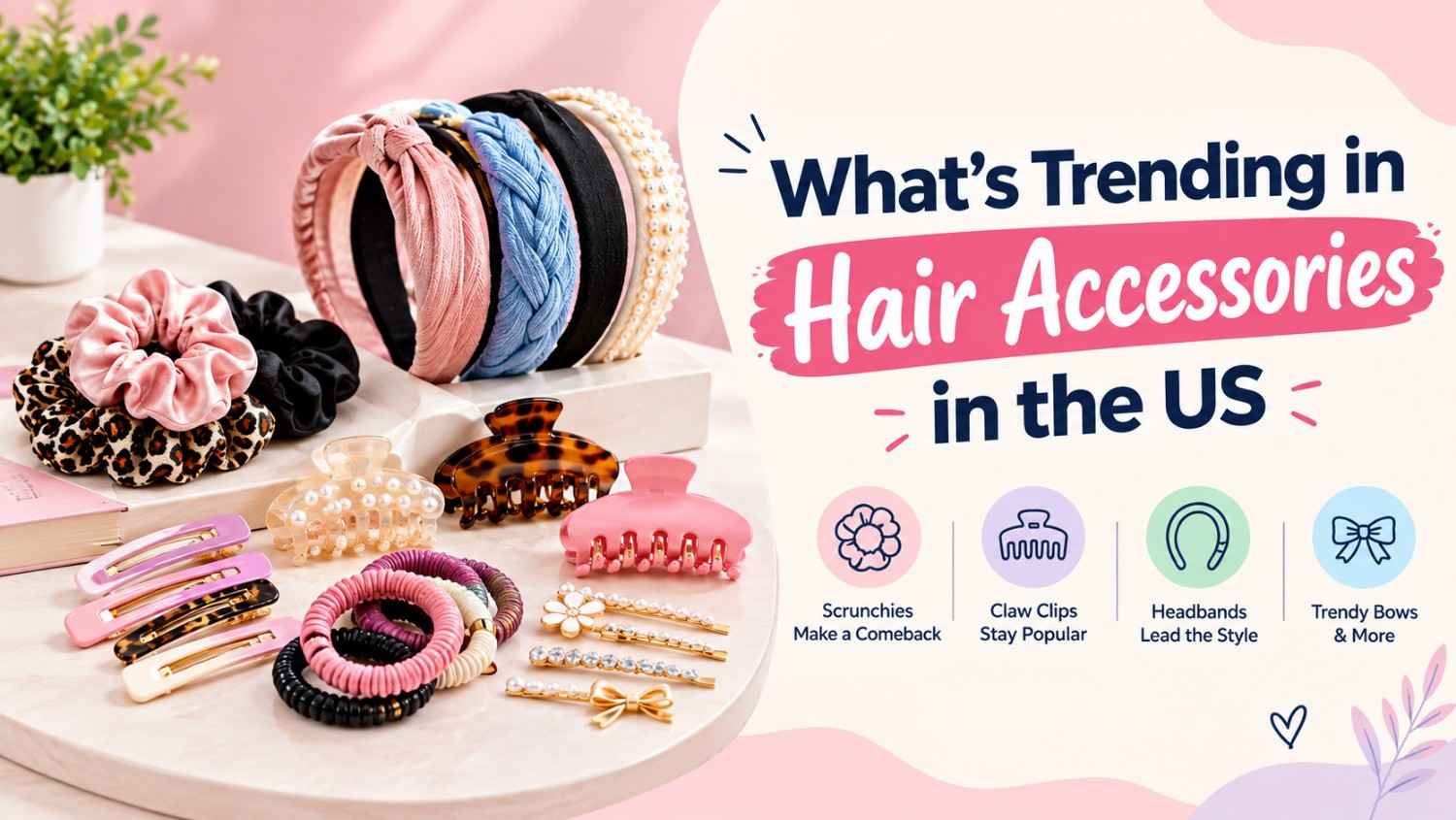
What’s Trending in Hair Accessories in the US
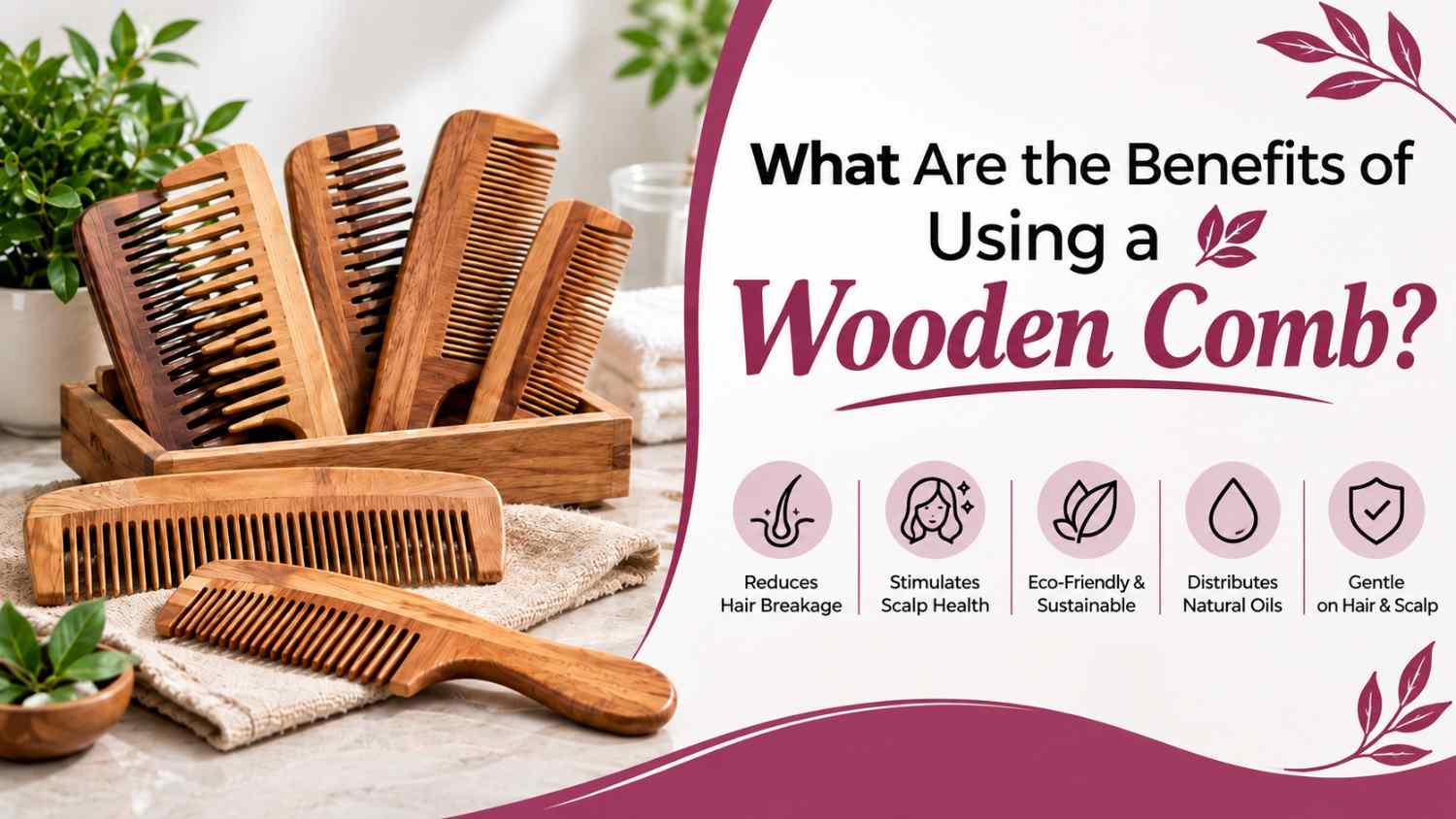
What Are the Benefits of Using a Wooden Comb?
Get In Touch With Bajoria Plast
Address
4593-94 Deputy Ganj, Sadar Bazar, Delhi- 110006, India