Call Us:+91 8882231160


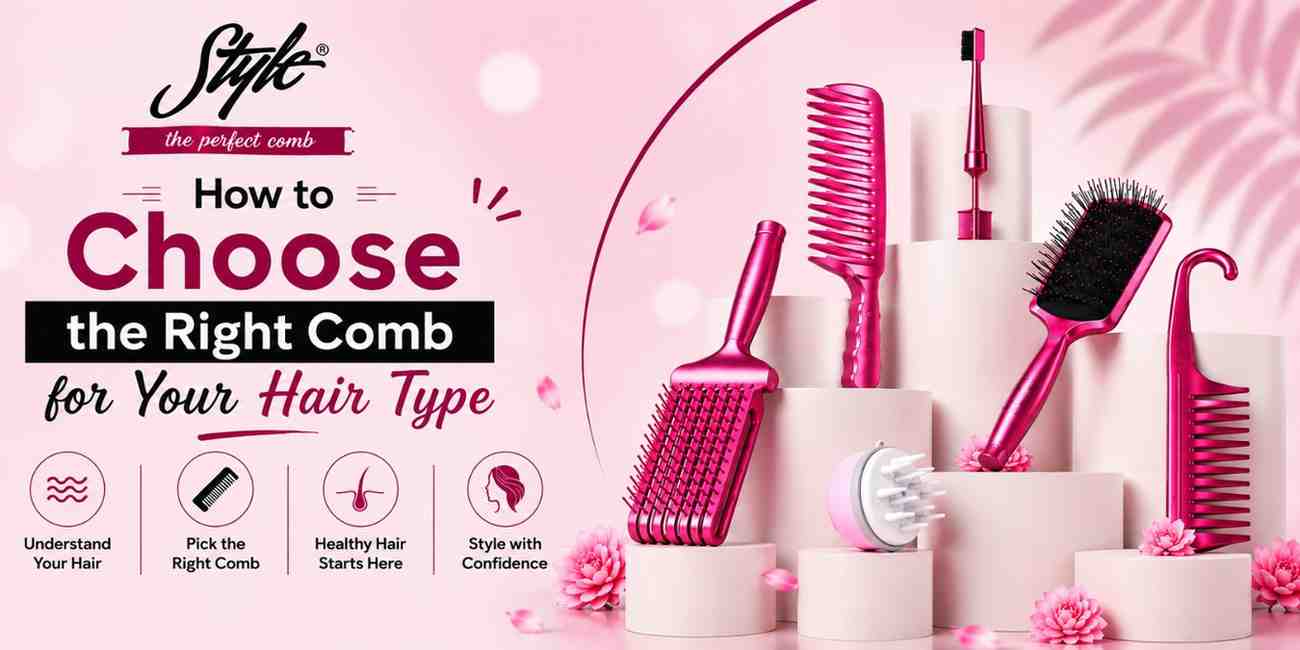
When it comes to everyday hair care, most people focus on shampoos and conditioners, often overlooking the importance of their Hair Comb. Yet this simple tool can either protect your hair or contribute to damage. Choosing the right comb or brush for your specific hair type is essential to reduce breakage, maintain scalp health, and achieve your desired hairstyles. This guide will help you explore the different comb options available so you can select the one best suited to your needs. In general, it’s recommended to replace your comb every six to twelve months, or sooner if you notice broken teeth, buildup, or warping. Regular replacement keeps your comb hygienic and effective, supporting healthier hair.
Selecting the right comb plays a vital role in maintaining hair health. Using a tool that doesn’t match your hair type can lead to problems such as excessive hair fall, breakage, tangling, and scalp irritation. How often and how you comb your hair directly affects its strength and appearance. For example, a comb designed for fine, straight hair can cause unnecessary pulling and knots in thick or curly hair.
Several factors should guide your choice, including hair texture, thickness, and styling goals. The tooth width, comb material, and overall design all influence how well a comb performs. Understanding these details allows you to work with your hair rather than against it, leading to smoother styling and long-term hair health.
The first step in selecting the right comb is understanding your hair type. Is your hair fine or thick? Straight, wavy, or curly? Each texture has different needs, and combs are designed accordingly. A comb that glides effortlessly through straight hair may snag and disrupt curls, while one made for thick hair may lack control for fine strands.
Knowing your hair type helps you decide between wide-tooth and fine-tooth combs. Thick, curly, or tangle-prone hair generally benefits from wider teeth to reduce breakage. Fine or straight hair, on the other hand, often requires finer teeth for better control and smoother styling. Recognizing your hair’s unique characteristics ensures healthier growth and easier maintenance.
Once you understand your hair texture, selecting the right comb becomes much easier. Each hair type has specific needs—from gentle detangling for fine hair to managing volume and density for thicker textures. Using a comb designed for your hair type can significantly improve your daily hair care routine.
Below is a breakdown of the best comb options for different hair types to help you make the right choice.
If you have fine or thin hair, gentle handling is key. A comb with closely spaced, smooth, and rounded teeth works best, as sharp or rough edges can damage delicate strands and cause split ends. Fine-tooth combs are ideal for styling because they provide better control and tension.
Material also matters. High-quality, smooth-finish combs help prevent snagging and unnecessary pulling.
Thick and coarse hair requires a strong, durable comb that can handle dense sections without breaking. Fine-tooth combs often get stuck, causing pulling and damage. Instead, opt for wide-tooth combs that glide through hair more easily.
A detangling brush with flexible bristles can also be useful, but a wide-tooth comb remains a staple for managing thick hair.
Curly and wavy hair needs special care to maintain its natural pattern. Using the wrong comb can disturb curl definition and lead to frizz. Wide-tooth combs are the best option, as they gently detangle without breaking or stretching curls.
Detangling curly hair while it’s wet and conditioned makes the process easier and reduces damage.
Straight hair is often considered easy to maintain, yet achieving a polished look still depends on using the right tools. A paddle brush is ideal for daily grooming and detangling, as its wide, flat surface allows you to cover larger sections of hair quickly. It’s especially effective for creating a smooth, sleek finish during blow-drying.
For more precise styling, such as creating clean partings or preparing hair for straightening, a tail comb is essential. Its fine teeth and pointed handle offer excellent control and accuracy. Beyond shape and design, the material of your comb also matters. While basic plastic combs are common, options made from wood or premium materials can help reduce static and enhance natural shine. The right comb not only detangles but also distributes scalp oils evenly, keeping straight hair healthy and glossy.
Hair length plays a key role in determining the best comb for your routine. Long hair is more prone to knots and tangles, making wide-tooth combs and paddle brushes the most effective tools. These options gently detangle larger sections of hair while minimizing pulling, stress, and breakage.
Short hair, on the other hand, allows for more detailed styling and precision. Tail combs are perfect for creating sharp parts and defined sections, while fine-tooth combs help smooth and shape shorter layers with accuracy.
Recommended tools by hair length:
Why Comb Material Matters More Than You Think
When selecting a comb, most people focus on tooth size and shape, but the material is just as important. Different materials interact with hair in different ways, affecting static, smoothness, and overall hair health.
Plastic, wood, and metal combs each have distinct characteristics. Synthetic materials are widely available and affordable, but they can contribute to frizz and static. Natural materials often offer smoother performance and help distribute natural oils more evenly.
Polypropylene, commonly known as PP, is one of the most widely used materials for affordable hair combs. Its low cost and durability make it a popular choice for everyday detangling. However, PP combs do come with certain limitations.
One of the main drawbacks is static buildup, which can lead to flyaways and frizz. Additionally, lower-quality PP combs may have rough seams that snag hair rather than glide through it smoothly.
Pros:
Cons:
Choosing wisely ensures you get functionality without compromising hair health.
ABS (Acrylonitrile Butadiene Styrene) is another commonly used plastic in hair tools. Known for its strength and impact resistance, ABS is often used in durable combs and synthetic bristle brushes. It provides a firmer grip, making it suitable for styling and managing thicker hair.
Despite its durability, ABS still shares some drawbacks with other plastics, including static buildup and reduced smoothness compared to natural materials.
Pros:
Cons:
Beyond standard plastics, premium materials offer superior performance and hair benefits. French handmade combs are typically crafted from cellulose acetate, a plant-based and biodegradable material. These combs are hand-polished, creating smooth, rounded teeth that glide through hair without pulling or snagging.
Wooden combs, particularly those made from neem wood, are another excellent choice. Wood is naturally anti-static and helps distribute natural scalp oils, conditioning hair with each stroke. Neem wood also offers antibacterial properties that can support scalp health and help reduce dandruff.
Material | Key Benefits |
Cellulose Acetate | Plant-based, flexible, anti-static, and hand-polished for snag-free combing |
Wooden Comb (Neem) | Naturally anti-static, oil-distributing, antibacterial, and scalp-friendly |
Many people unknowingly damage their hair by using the wrong comb. Forcing a fine-tooth comb through thick or tangled hair can lead to breakage and split ends. Similarly, low-quality plastic combs can create excessive static, making hair frizzy and difficult to manage.
Another frequent mistake is combing wet hair too roughly. Wet hair is more fragile and prone to stretching and snapping. Using a wide-tooth comb and working gently from the ends upward helps prevent unnecessary damage. Avoiding these habits can significantly improve hair strength and appearance.
Hair-type-specific combs are becoming increasingly popular—and for good reason. Hair care is not one-size-fits-all. Combs designed for specific textures perform better because they address unique challenges, such as preserving curls, managing volume, or protecting fine strands.
By delivering targeted performance, these specialized combs reduce damage and improve styling results. Consumers are recognizing that investing in the right comb for their hair type leads to healthier, more manageable hair over time, making it a smarter and more effective choice than generic tools.
For salon owners, retailers, or brands, offering the right comb is just as important as offering the right hair products. Purchasing hair combs wholesale allows you to provide a variety of high-quality options for every hair type. You can stock up on combs for a large amount of thick hair, delicate combs for fine hair, and everything in between. This ensures your customers find exactly what they need for the best results.
Even better, consider custom hair combs. With a partner like Bajoria Plast, you can design combs tailored to your brand's specifications. This includes choosing the material, color, tooth design, and even adding your logo. This is perfect for creating specific combs for styling, like a unique tail comb for creating perfect parts, giving your brand a professional edge and your customers a tool that provides a secure hold and flawless style.
Bajoria Plast focuses on helping buyers build practical, market-ready comb assortments.
Our hair comb offerings support:
By aligning product design with real hair needs, Bajoria Plast helps partners turn consumer education into repeatable sales.
Choosing the right comb for your hair type is a key step in maintaining healthy, damage-free hair. Every hair type has its own needs, making it important to select a comb that is designed to support those specific requirements. By understanding the differences between comb types and materials, you can make a confident, informed choice that improves both styling and overall hair health. Whether your hair is fine, thick, curly, or straight, the right comb helps detangle gently, reduce breakage, and enhance natural shine. If you’re ready to upgrade your hair care routine, explore Bajoria Plast wholesale and custom hair comb solutions—crafted to suit every hair type. Request a quote today and find the perfect comb made just for you.
Can using the wrong comb cause hair breakage or damage?
Yes. Using an unsuitable comb can pull, snag, or overstretch hair strands, leading to breakage, split ends, and overall hair weakness. Choosing a comb that matches your hair type is essential for protecting hair health.
Which type of comb is best for wet or tangled hair?
Wet hair is more fragile and should be handled with care. A wide-tooth comb or a dedicated detangling brush is ideal, as these tools reduce friction and prevent excessive stretching. Always begin detangling from the ends and work upward.
How do I decide between a wide-tooth and a fine-tooth comb?
Your hair type is the best guide. Wide-tooth combs are ideal for thick, curly, or heavily tangled hair, while fine-tooth combs are better suited for fine, thin, or straight hair that requires precision styling.
Are wooden combs better than plastic or metal combs?
For many hair types, wooden combs offer clear benefits. They help reduce static and evenly distribute natural scalp oils. However, the best comb material ultimately depends on your styling needs, as some high-quality plastic combs can also perform well for specific uses.

Buying Plastic Combs in Bulk at Low Cost: A Smart Buyer’s Guide
Private Label Hair Accessories: A Practical Guide to Retail Success
Plastic vs. Metal Hair Combs: A Smart Comparison for Wholesale Buyers
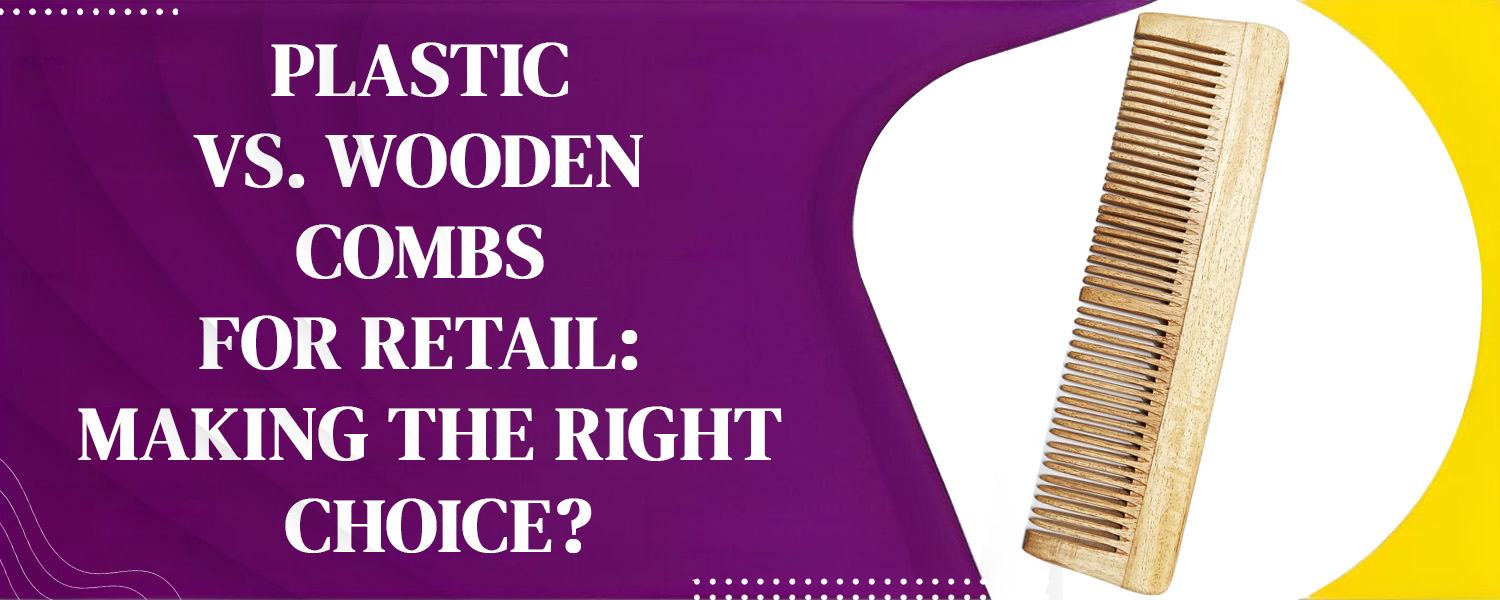
Plastic vs. Wooden Combs for Retail: Making the Right Choice?
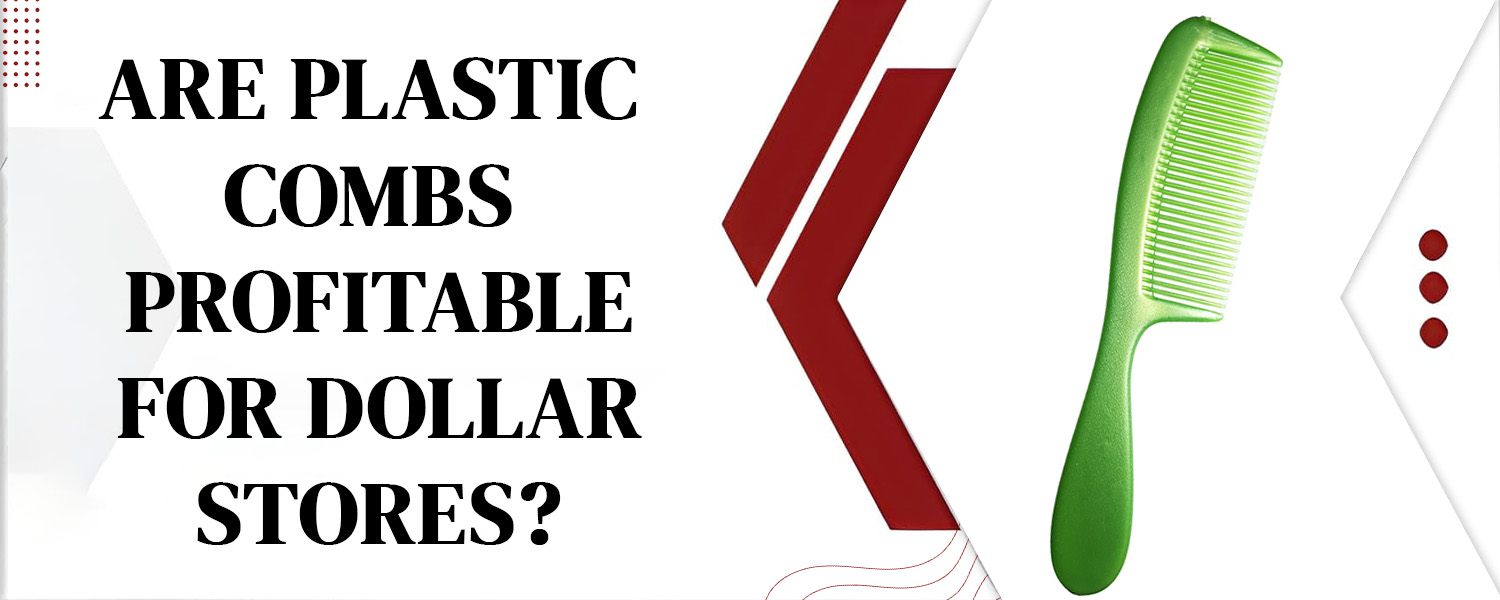
Are Plastic Combs Profitable for Dollar Stores?

Hair Accessories for Amazon FBA: Smart Sourcing Strategies for Sellers
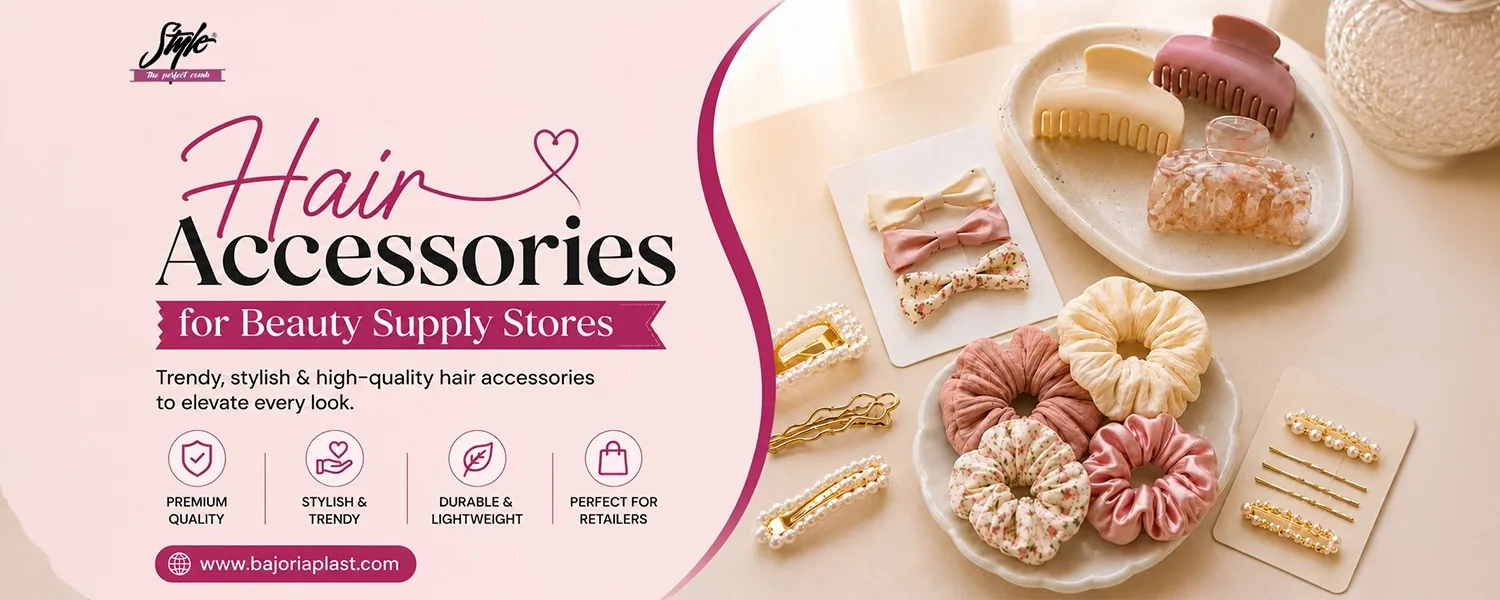
Hair Accessories for Beauty Supply Stores
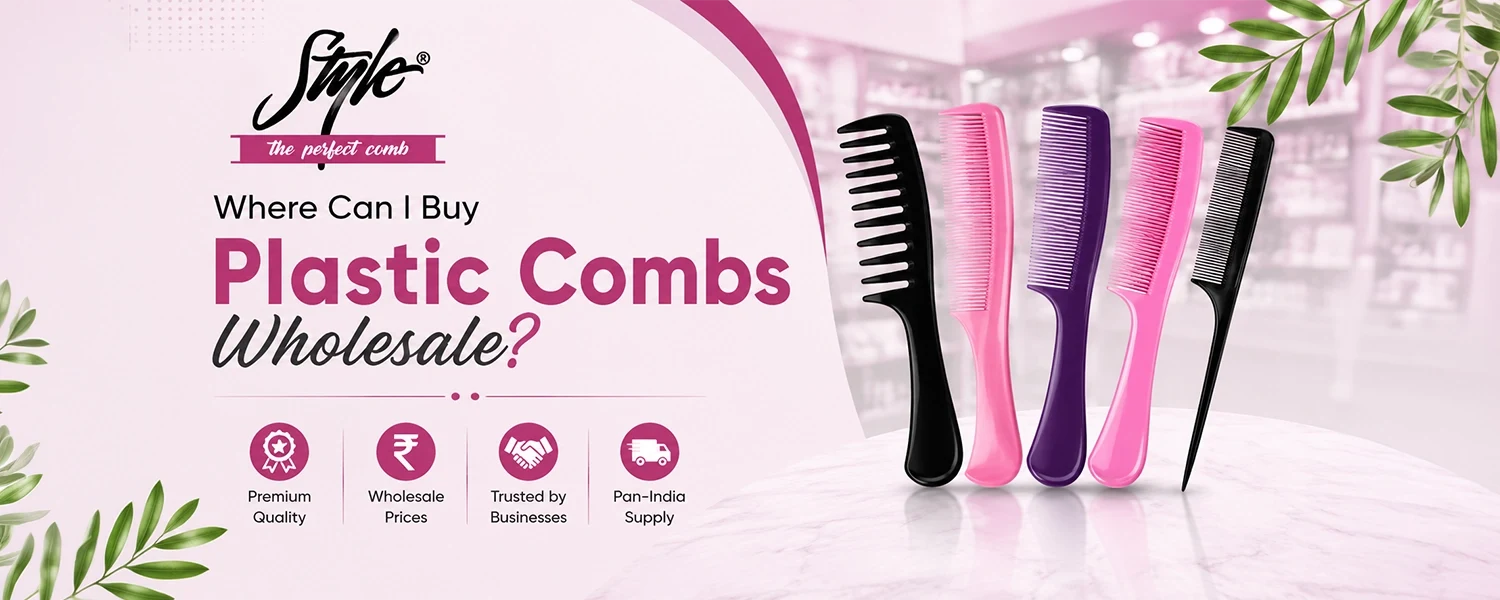
Where Can I Buy Plastic Combs Wholesale?

Hair Accessories for Dollar Stores – Custom & Reliable
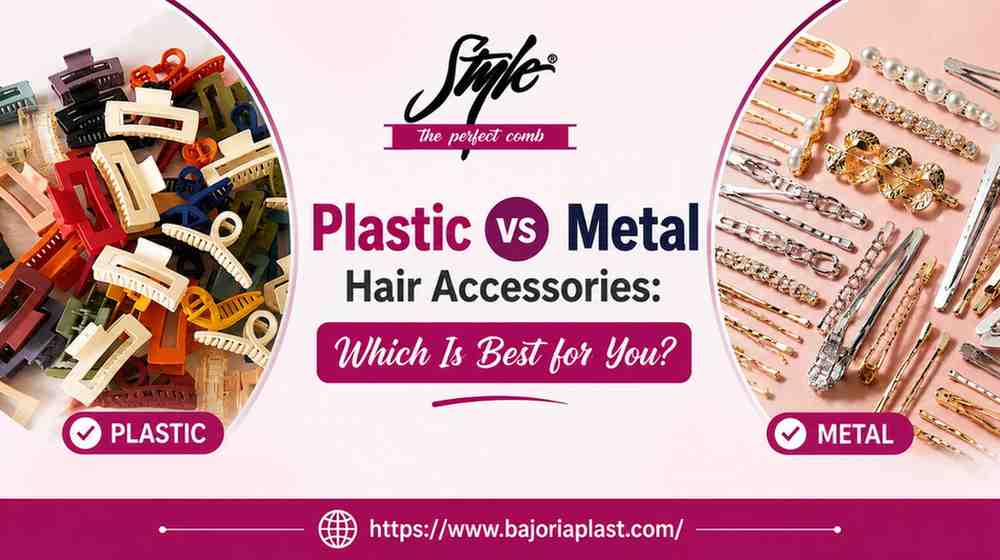
Plastic vs Metal Hair Accessories: Which Is Best for You?
How to Choose the Right Comb for Your Hair Type
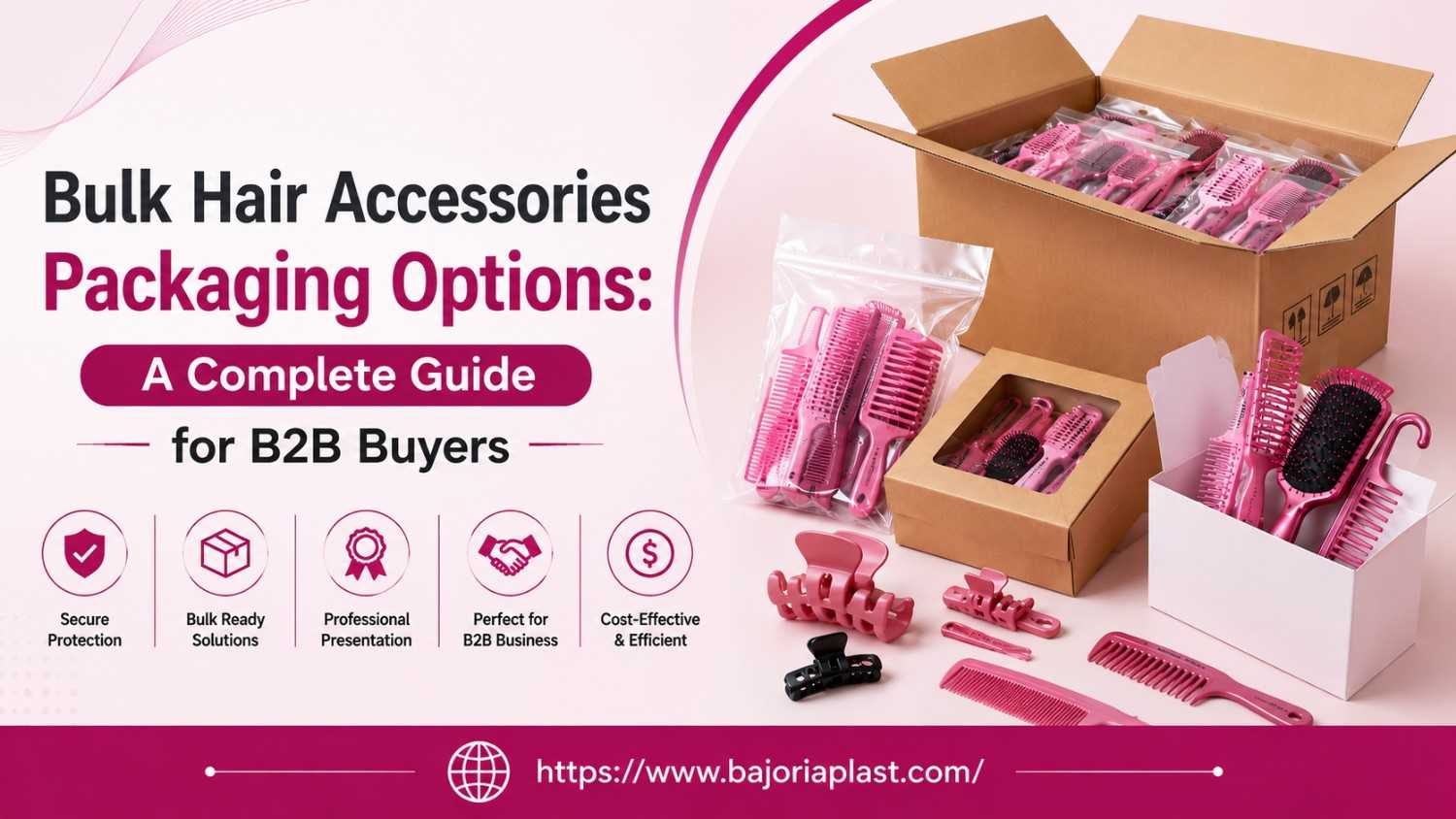
Bulk Hair Accessories Packaging Options: A Complete Guide for B2B Buyers
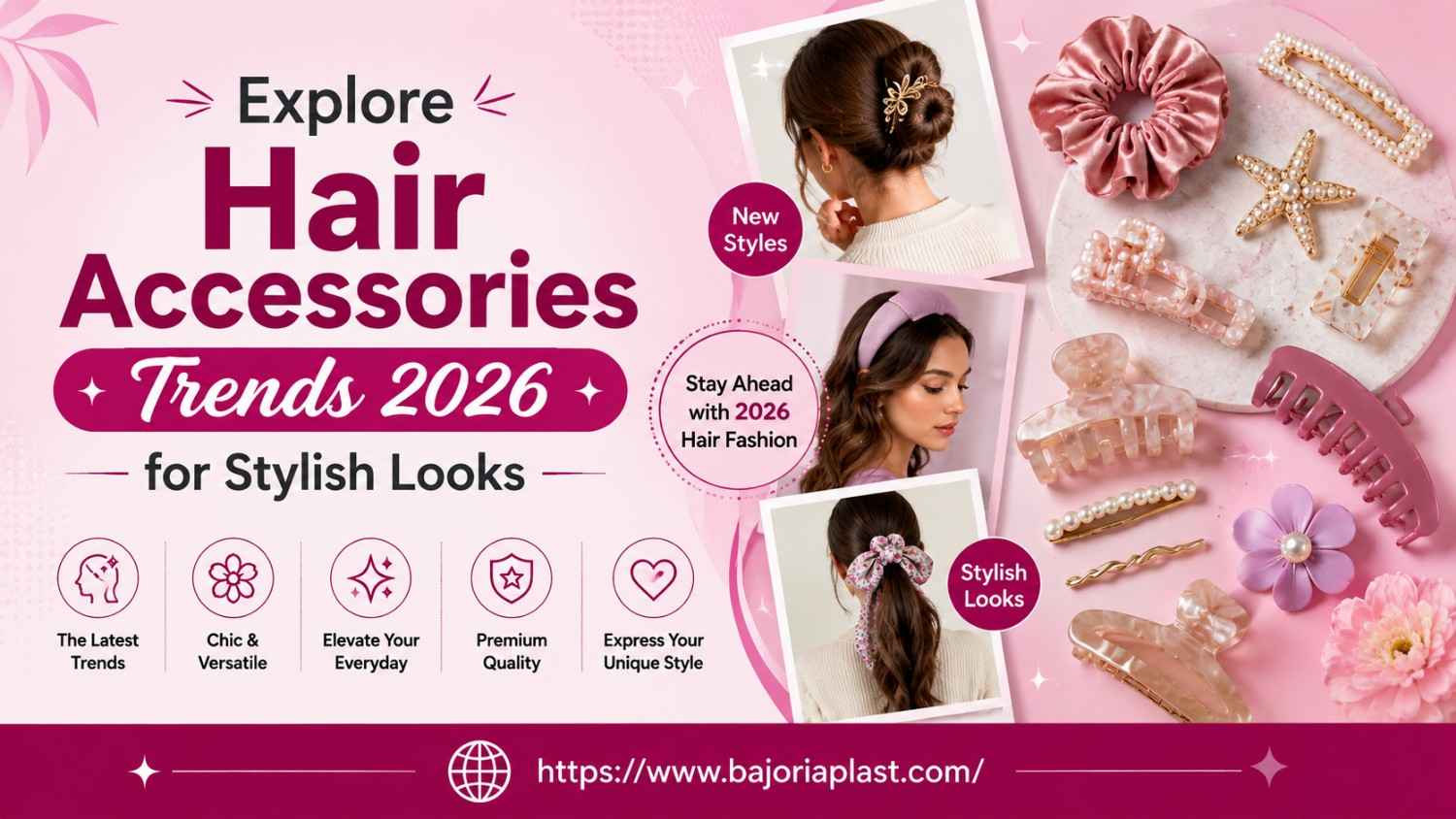
Explore Hair Accessories Trends 2026 for Stylish Looks
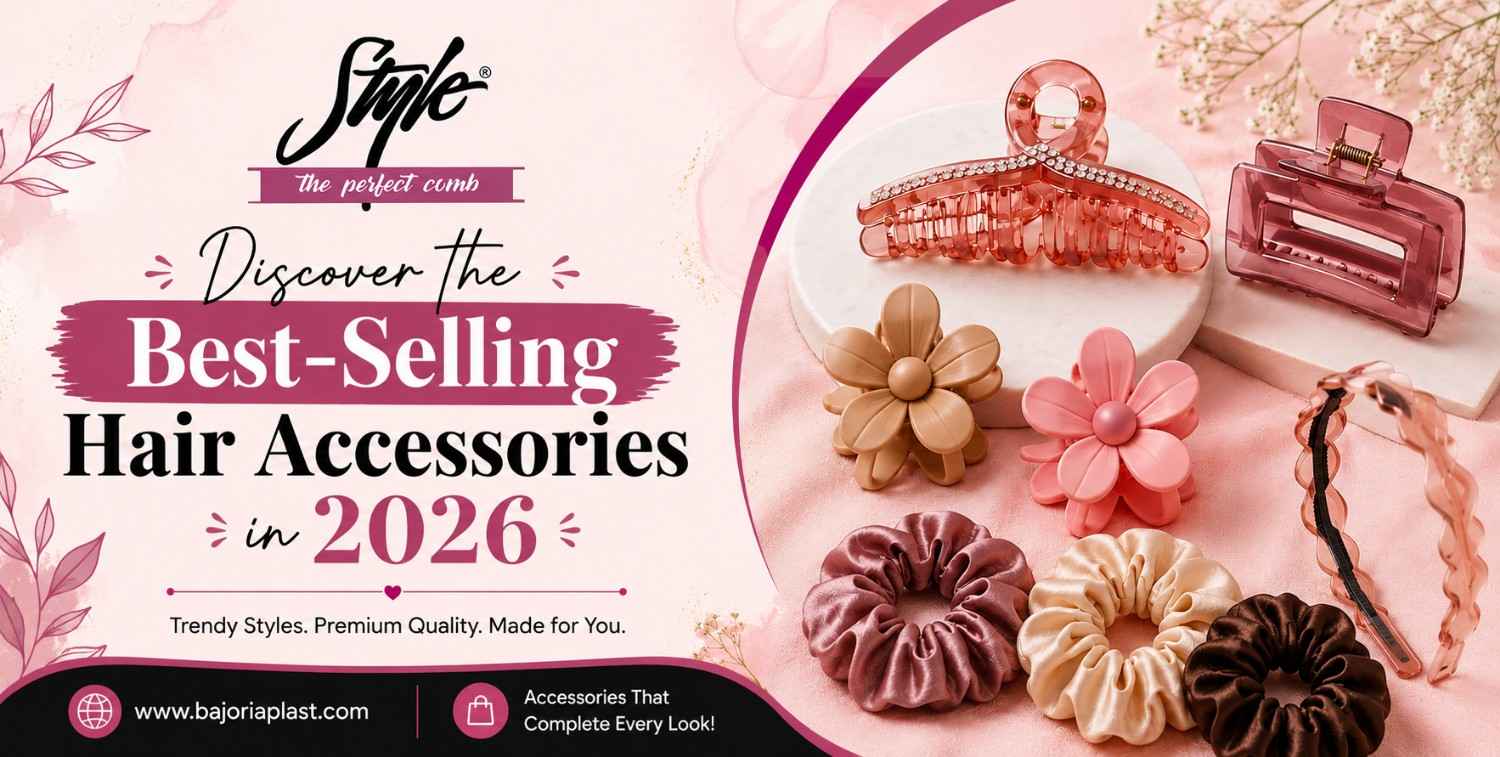
Discover the Best-Selling Hair Accessories in 2026
Top Tips for Choosing Private Label Hair Accessories
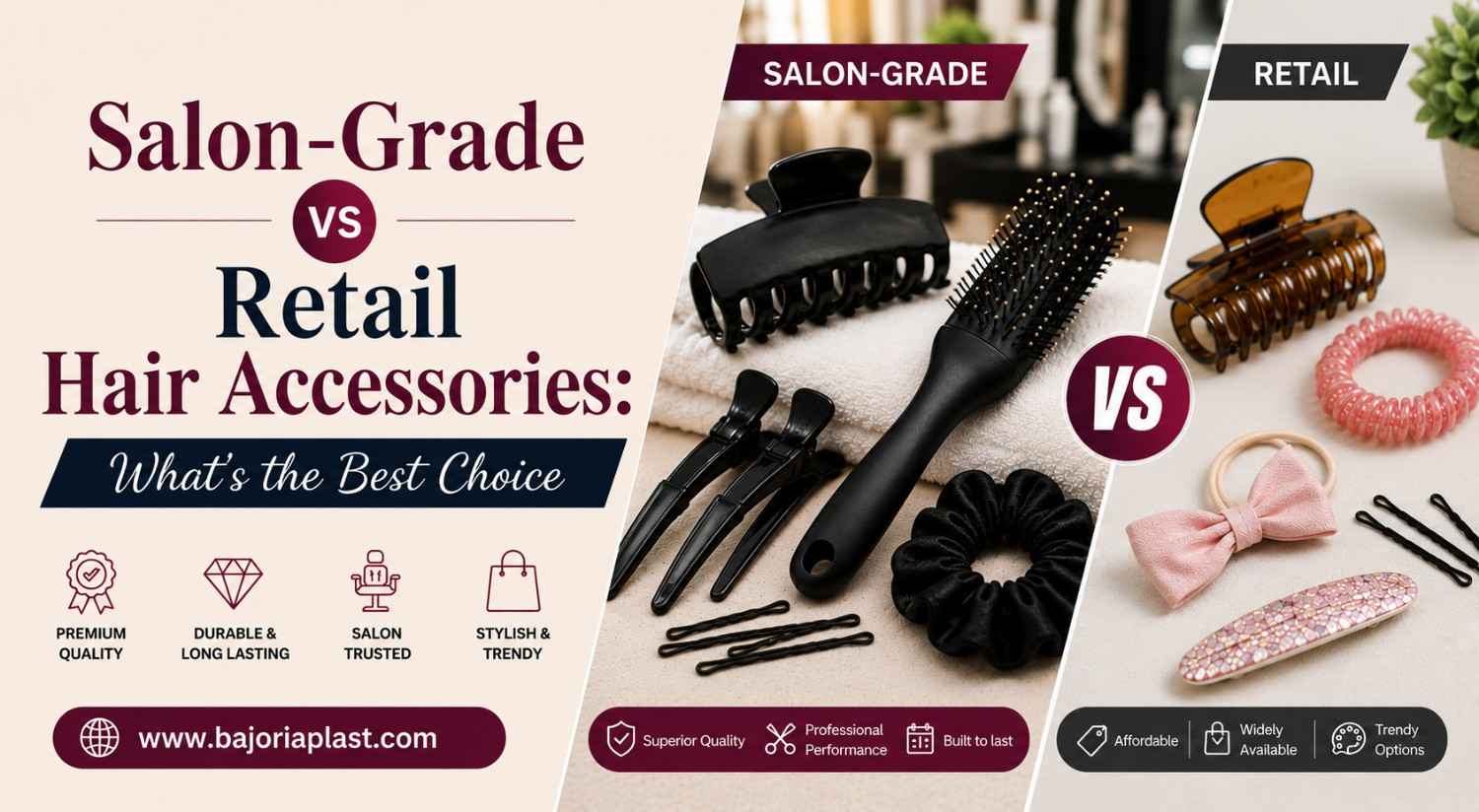
Salon-Grade vs Retail Hair Accessories: What’s the Best Choice?
Salon Hair Tools: What Professional Salons Really Need
How to Choose a Hair Accessories Supplier: Key Tips

How Amazon Sellers Evaluate Hair Accessories Suppliers
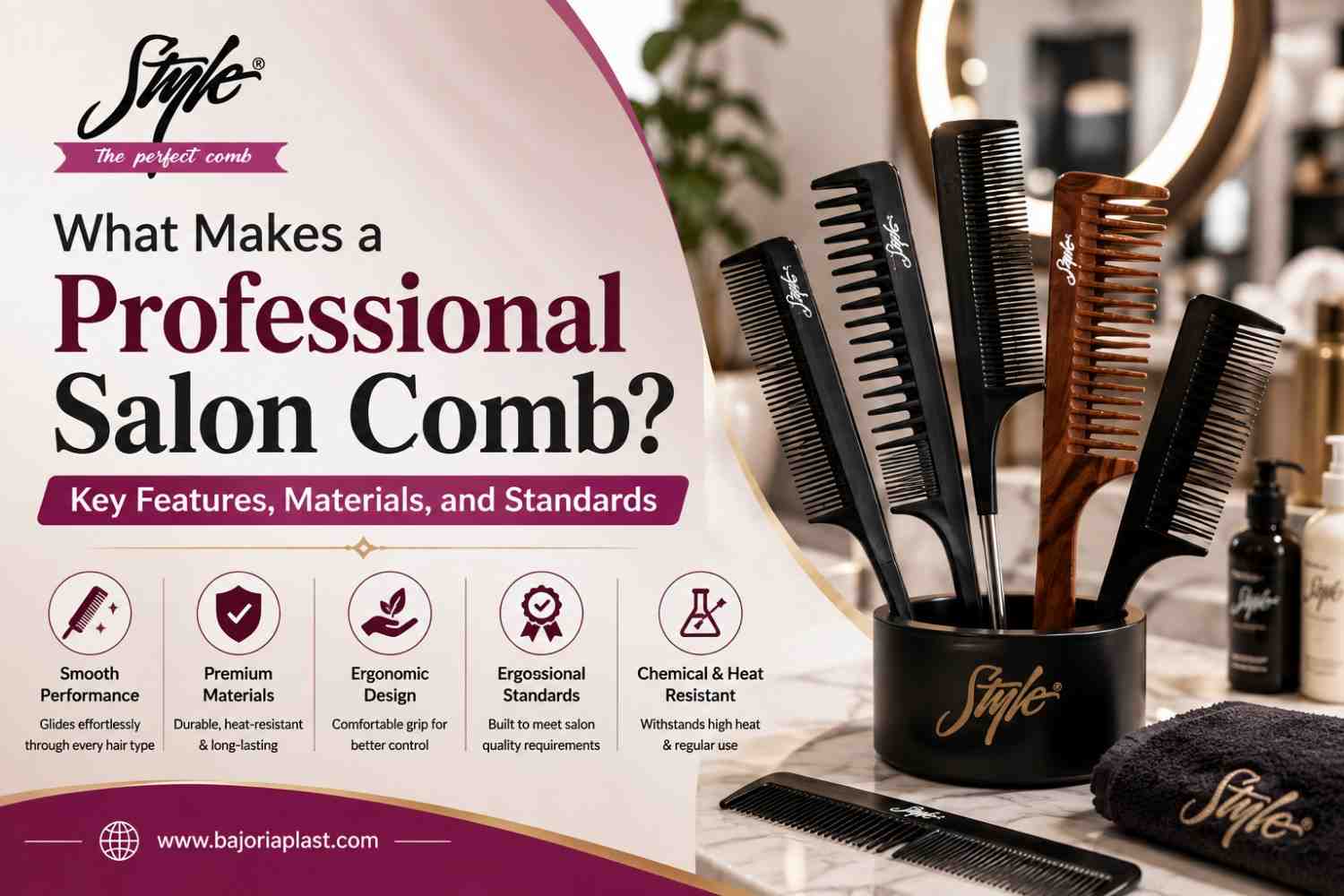
What Makes a Professional Salon Comb? Key Features, Materials, and Standards
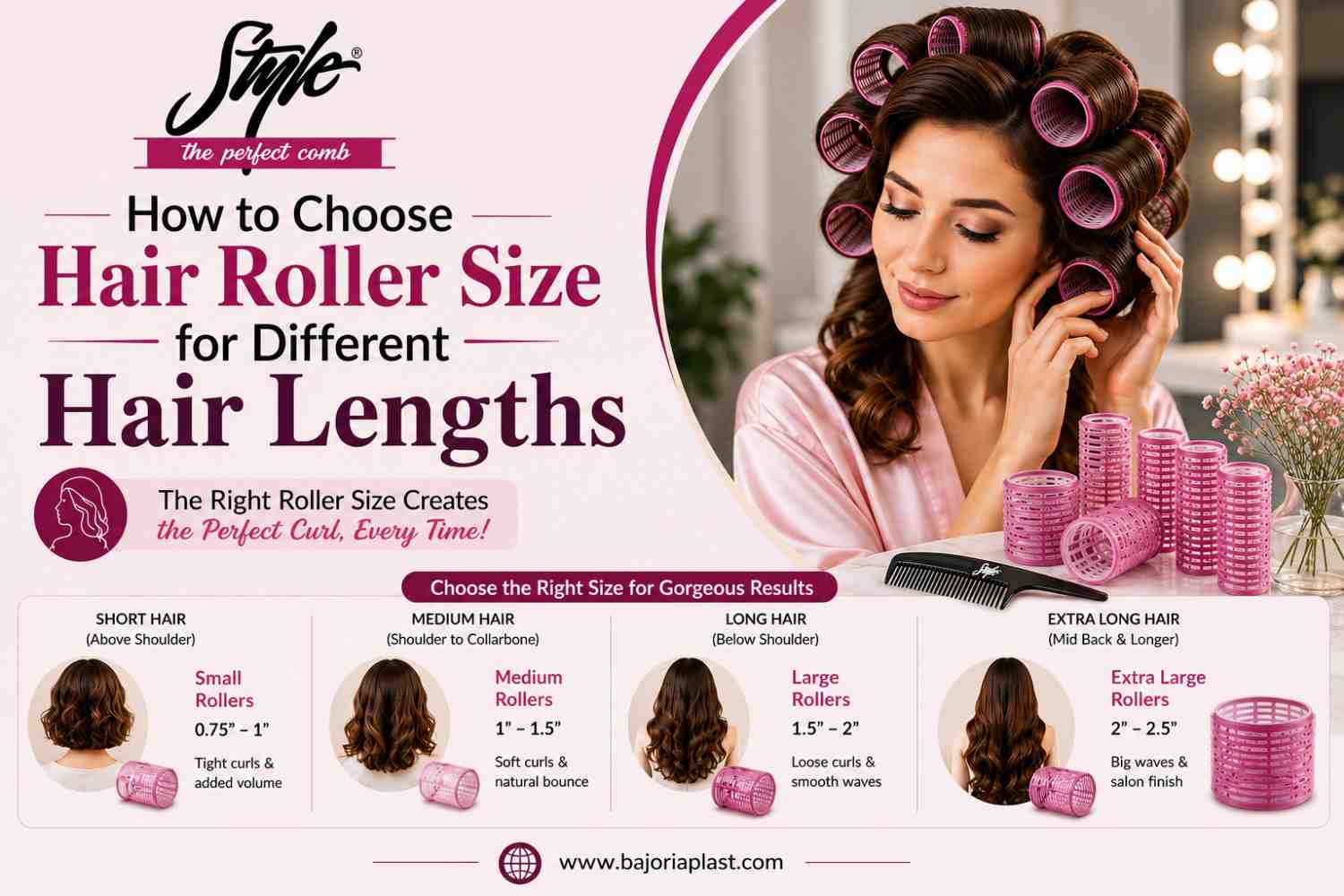
How to Choose the Right Hair Roller Size for Every Hair Length
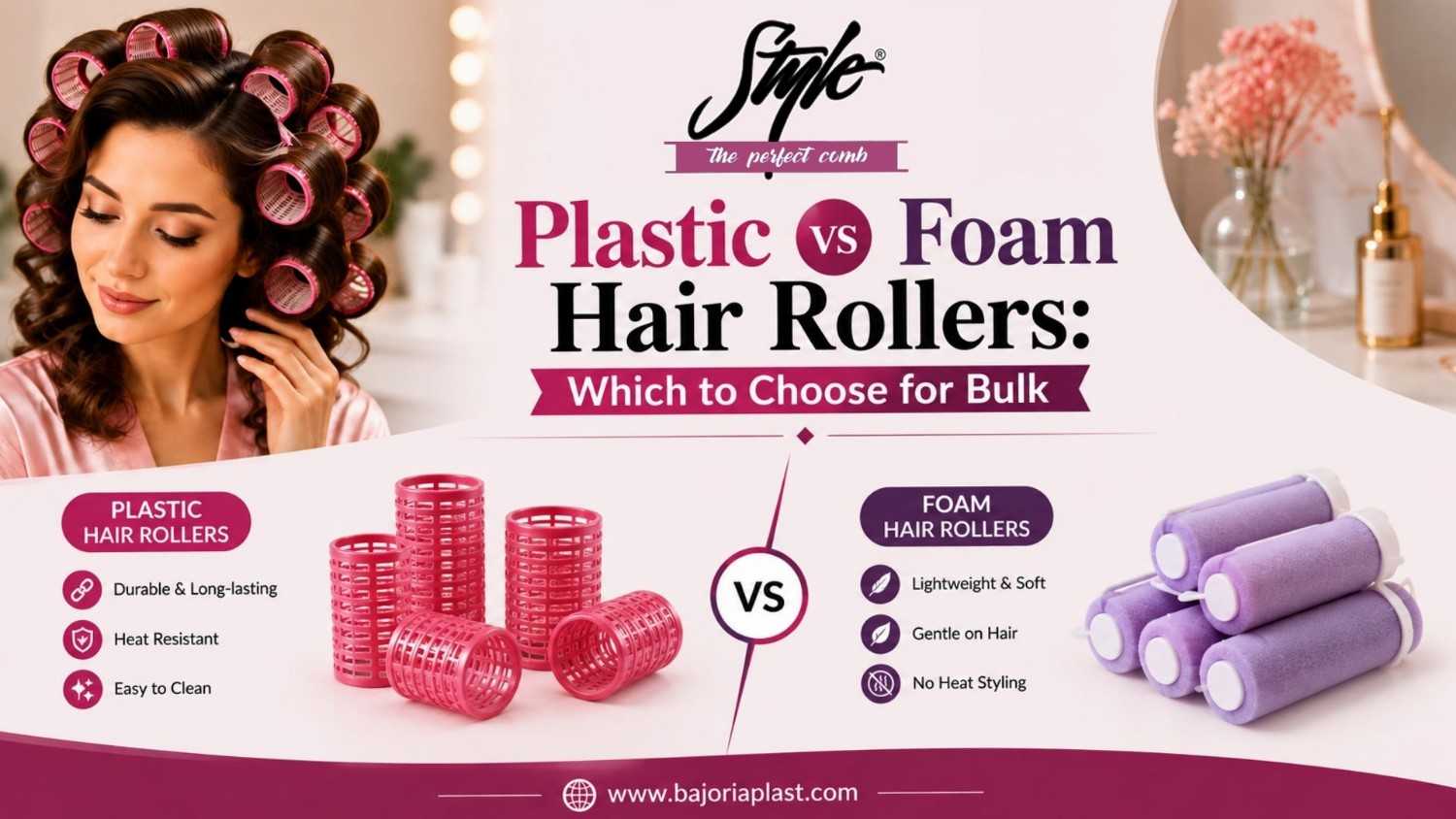
Plastic vs Foam Hair Rollers: Which to Choose for Bulk?
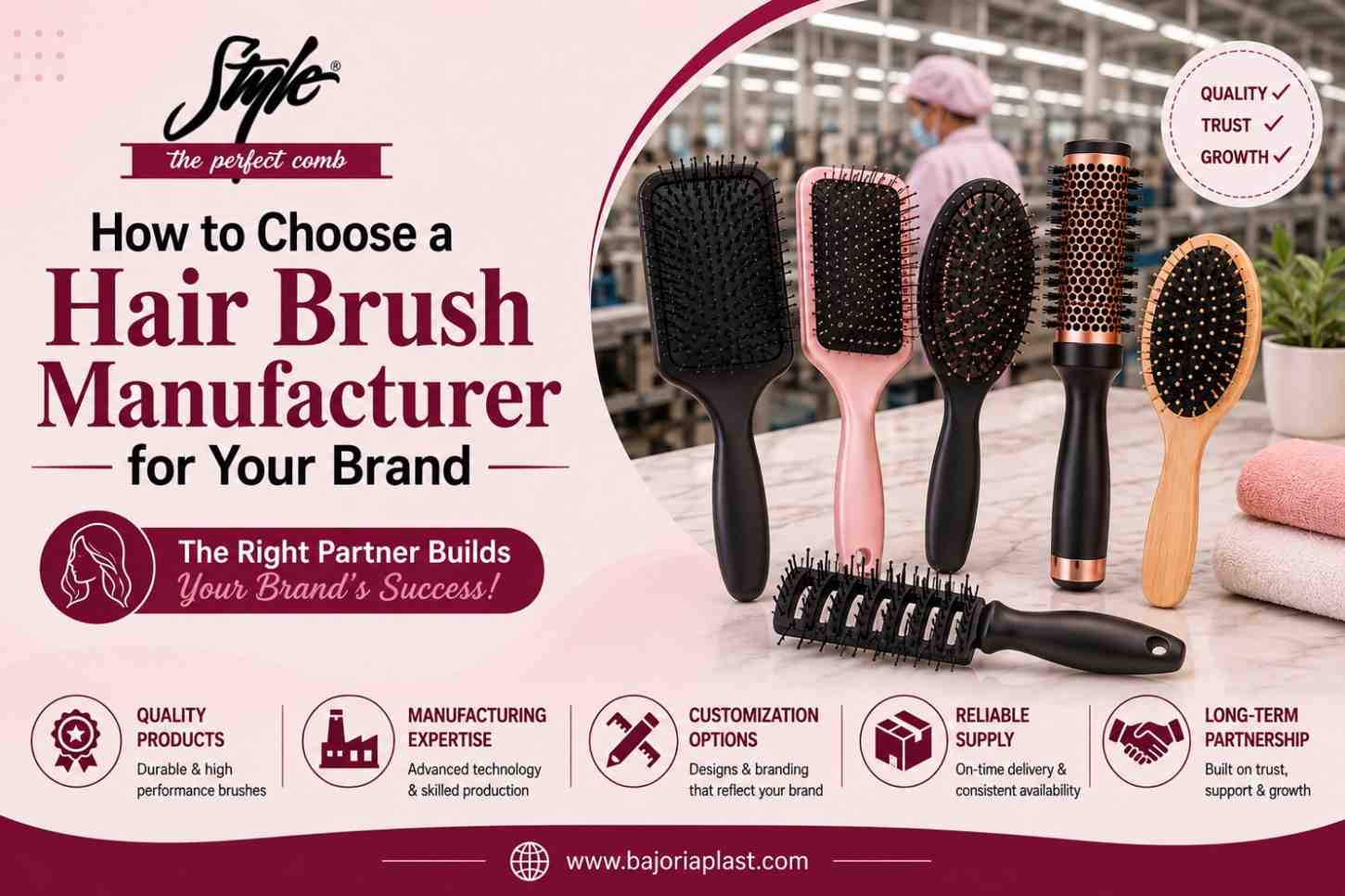
How to Choose a Hair Brush Manufacturer for Your Brand
Understanding The MOQ Guide for Wholesale Hair Accessories
Your Complete Hair Accessories Wholesale Price Guide
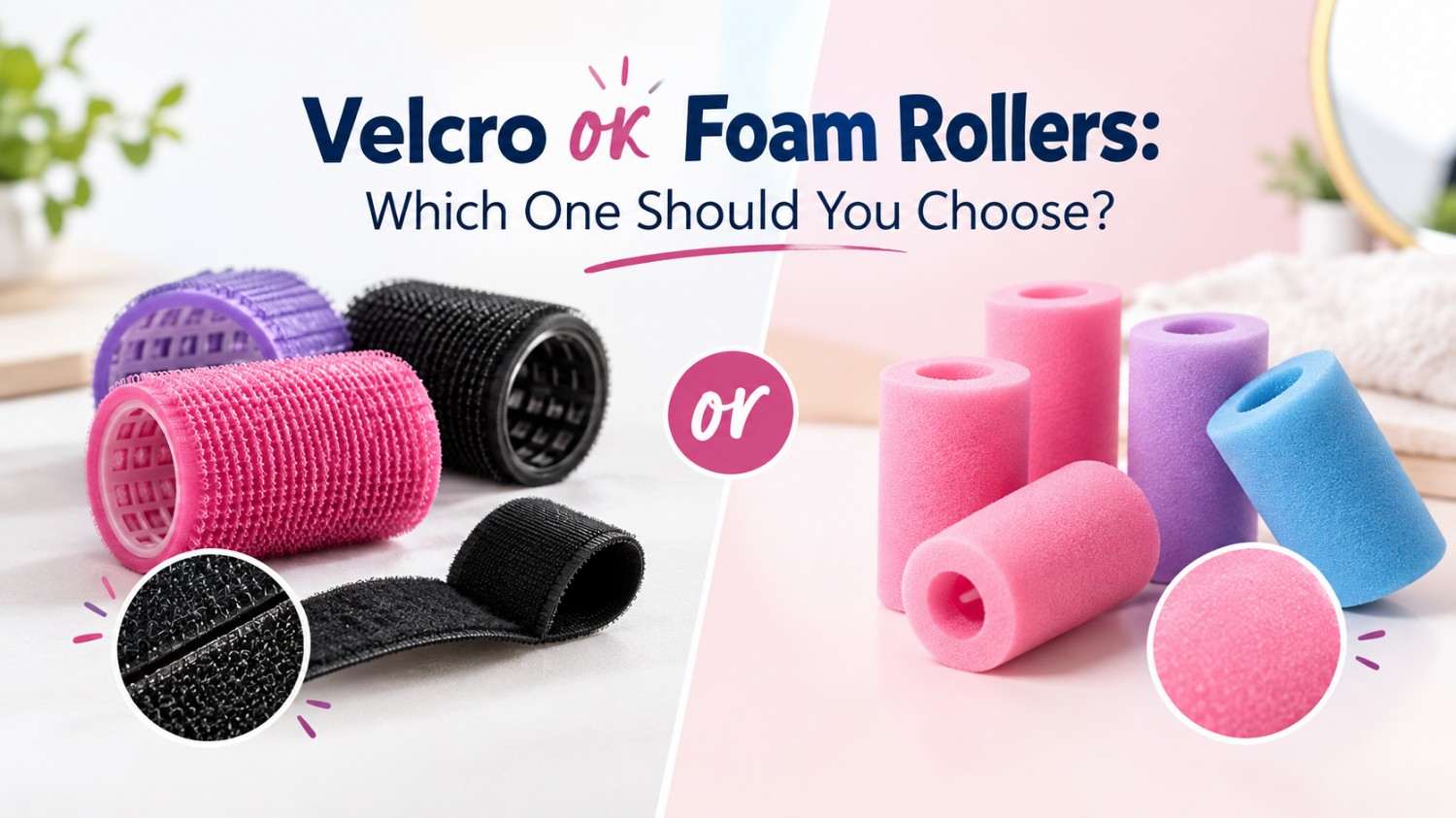
Velcro or Foam Rollers: Which One Should You Choose?
How to Choose the Right Hair Accessories for Dollar Stores
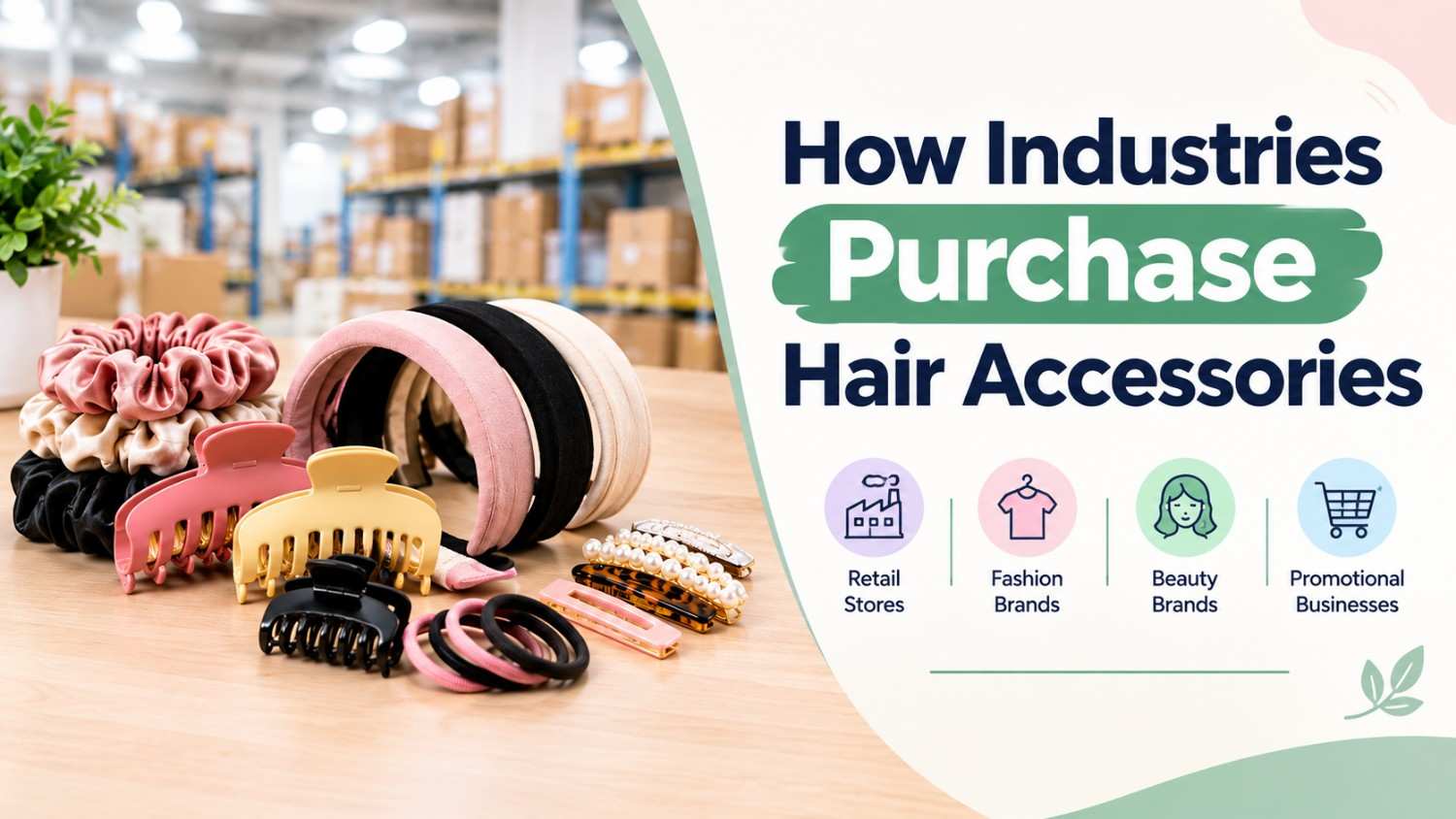
How Industries Purchase Hair Accessories
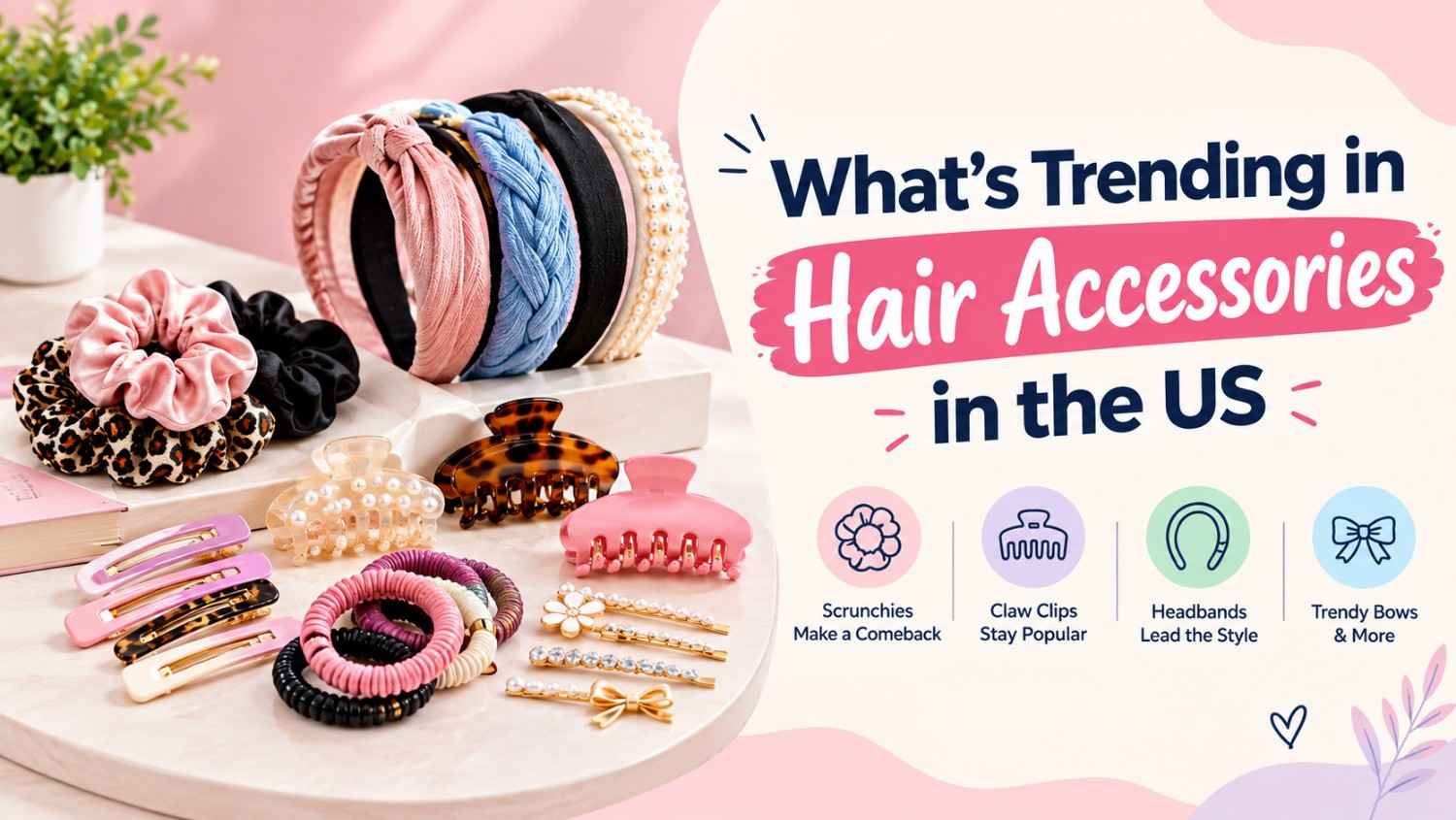
What’s Trending in Hair Accessories in the US
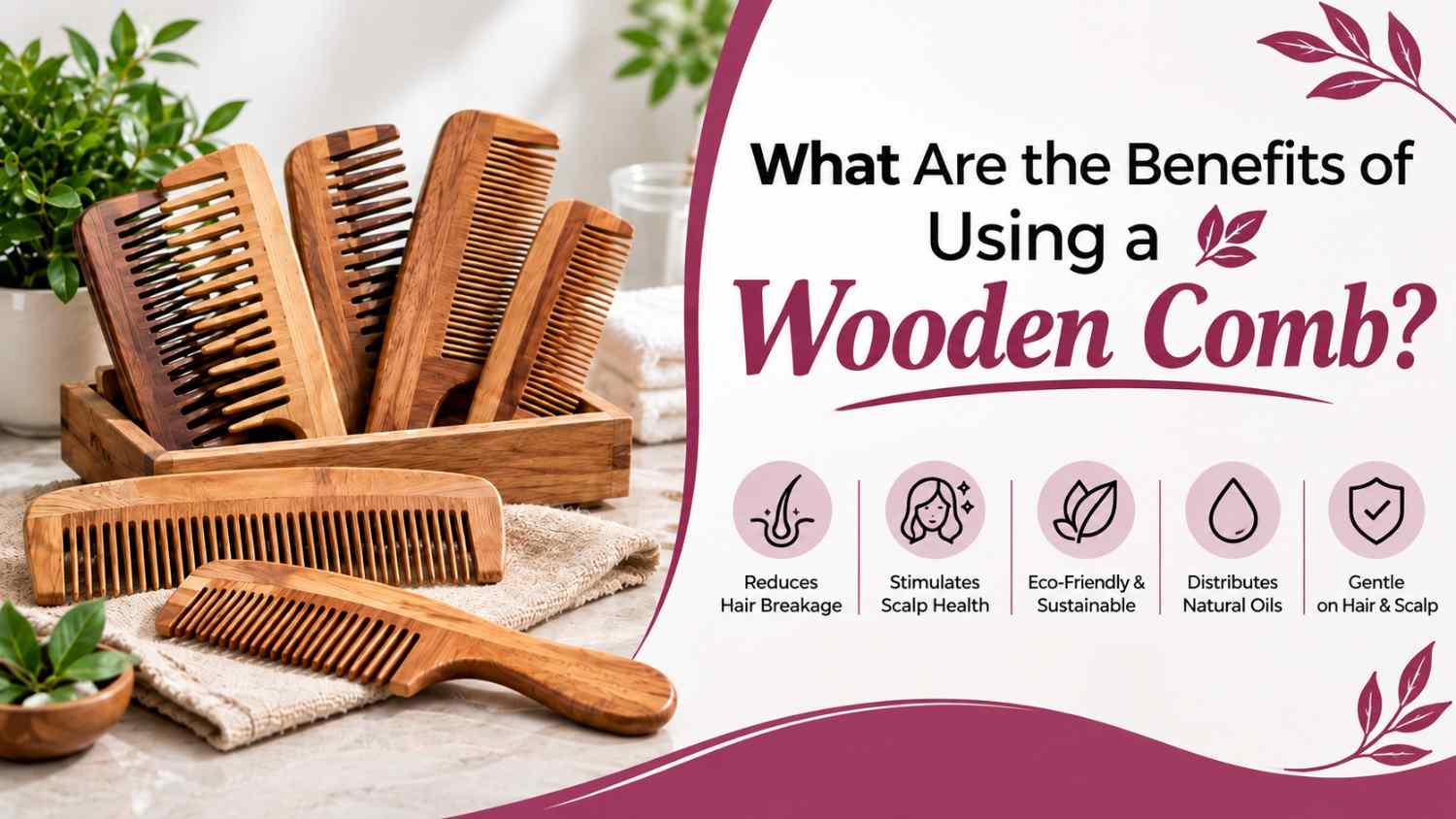
What Are the Benefits of Using a Wooden Comb?
Get In Touch With Bajoria Plast
Address
4593-94 Deputy Ganj, Sadar Bazar, Delhi- 110006, India