Call Us:+91 8882231160


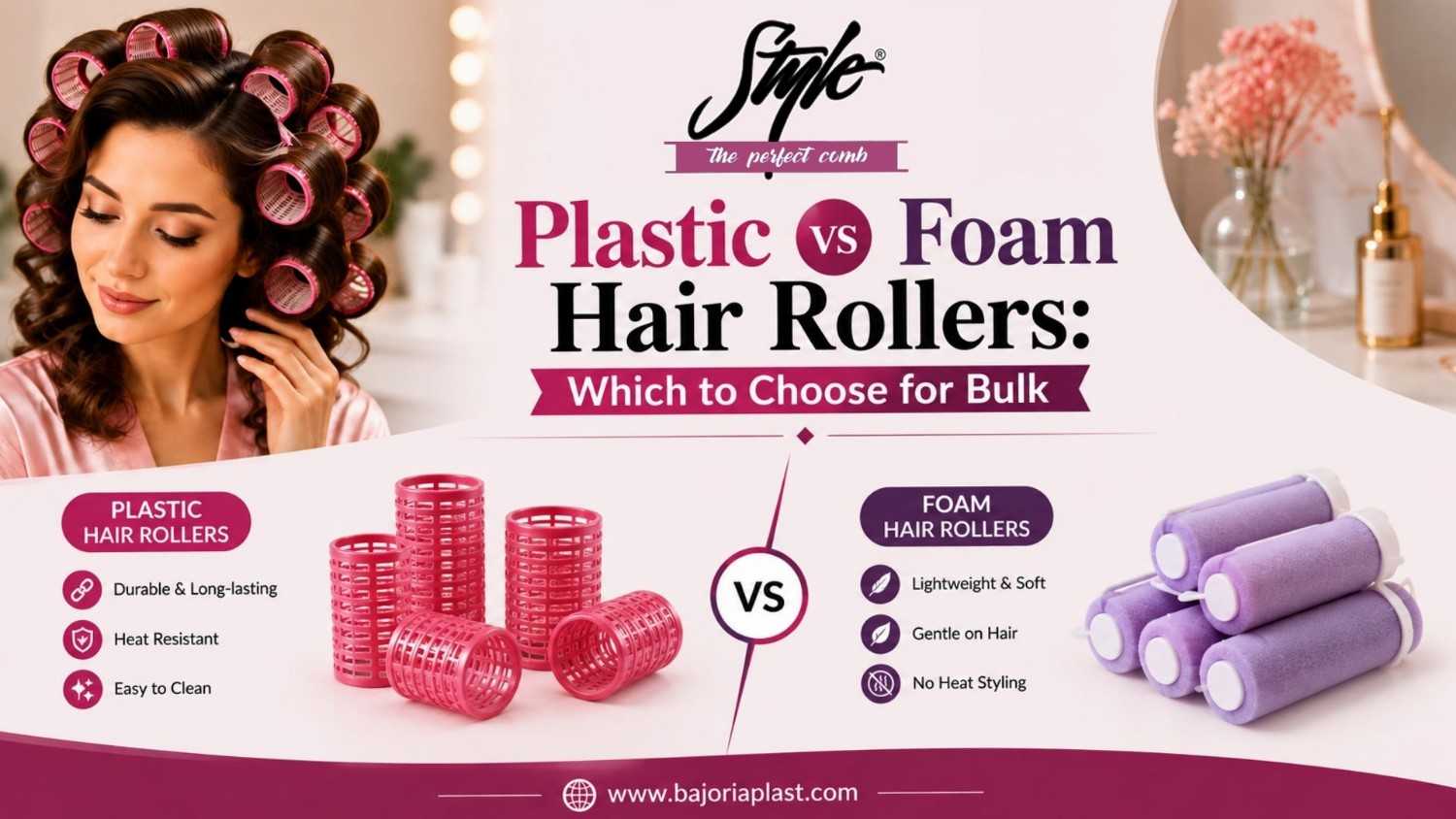
Hair rollers have become popular again as more consumers explore heatless curls, at-home hairstyling, and easy ways to add volume and texture. This growing interest has created new opportunities for wholesalers, distributors, retailers, and private-label buyers.
When purchasing hair rollers in bulk, one common question is:
Should you choose plastic hair rollers or foam hair rollers?
Both options are designed to create curls, waves, and volume, but their material, comfort, durability, handling, and ideal applications are different. These differences become especially important when ordering large quantities, where product quality, storage, shipping, and customer satisfaction can directly affect business performance.
This guide compares plastic and foam hair rollers from a bulk buyer’s perspective, helping you select the most suitable option for your target market.
Choosing the right material for hair rollers is important because the material influences how the roller feels, performs, stores, and lasts.
Different customers have different styling needs. Some prefer firm rollers for creating defined curls and adding volume, while others prioritize lightweight, comfortable rollers that can be worn for longer periods. For wholesalers and distributors, understanding these differences makes it easier to select products that match customer expectations.
Material selection can also influence dShould you choose plastic hair rollers or foam hair rollers? urability, packaging, storage, transportation, and replacement frequency. Plastic rollers generally offer a rigid structure and good resistance to repeated handling, while foam rollers are lightweight and flexible, making them attractive for heatless styling and overnight use.
For bulk buyers, the best choice is not simply the cheapest option. It should provide the right balance of quality, functionality, durability, customer demand, and overall value.
Plastic hair rollers are widely used by salons, beauty professionals, retailers, and consumers because of their firm construction and versatile styling performance.
Their rigid structure makes them easy to position in the hair and suitable for creating different curl patterns and levels of volume. Depending on the roller size and design, they can be used to create tighter curls, defined waves, root lift, or fuller hairstyles.
Another advantage is their durability. Quality plastic rollers can handle repeated use and are less likely to lose their shape during regular handling and storage. Their non-porous surface can also make cleaning easier, which is particularly useful in professional salon environments where hygiene and product maintenance are important.
For bulk buyers, these characteristics can make plastic rollers a practical choice when purchasing products intended for salons, beauty stores, professional stylists, and regular repeat use.
Plastic hair rollers are generally made from firm, lightweight plastic designed to provide structure and stability during styling. Their rigid construction distinguishes them from foam rollers, which are softer and more flexible.
Plastic rollers are available in multiple sizes and designs, allowing buyers to select products according to their target customers and styling requirements.
Some popular options include:
The availability of different sizes and designs makes plastic rollers suitable for a wide range of retail and professional applications.
Durability is an important consideration for salons and other professional users purchasing hair rollers in bulk. Plastic rollers generally have a sturdy structure that allows them to withstand repeated handling and regular styling use.
Compared with softer materials, rigid plastic is less likely to compress or lose its original shape during storage and transportation. This can be beneficial for wholesalers and distributors because products are easier to stack, pack, and handle without significantly changing their shape.
A longer usable life can also contribute to better overall value. When salons can reuse quality rollers repeatedly, they may not need to replace their stock as frequently. For bulk buyers, this makes durability, consistent manufacturing quality, and product reliability important factors when comparing suppliers.
Foam hair rollers offer a different styling experience. Their soft and flexible construction makes them lightweight and comfortable, which is one reason they are popular for heatless curls and longer-duration styling.
Foam rollers can be particularly appealing to consumers who prefer to style their hair without direct heat. Their soft design can make them more comfortable to wear while relaxing or sleeping, depending on the roller design and individual preference.
For retailers and wholesalers, foam rollers can also be an attractive product category because they appeal to customers interested in heatless styling, overnight curls, lightweight beauty accessories, and at-home hair care routines.
However, foam rollers may require more careful handling and storage than rigid plastic rollers. Their soft material can be more susceptible to compression, wear, or deformation over time, depending on the quality of the foam and construction.
The right choice depends on your target market and intended use.
Plastic hair rollers may be a better fit when durability, structured styling, easy handling, and professional salon use are priorities. They can also be attractive for retailers selling a broad selection of roller sizes and designs.
Foam hair rollers may be more suitable when comfort, lightweight construction, heatless styling, and overnight use are the main selling points.
For wholesalers and private-label businesses, offering both types can also be an effective strategy. This allows you to target different customer segments rather than depending on a single roller material.
Ultimately, bulk buyers should evaluate more than just the material. Consider product quality, roller size, design, packaging, minimum order quantity, customization options, supplier reliability, shipping requirements, and expected customer demand before placing a large order.
For wholesale buyers, cost-effectiveness is about more than simply comparing the purchase price per unit. Factors such as durability, maintenance, replacement frequency, and product performance all contribute to the overall value of a bulk order.
Plastic hair rollers may have a slightly higher initial cost than some foam options, but their sturdy construction can provide a longer usable life. For salons, retailers, and distributors, this can reduce the need for frequent replacements and help control long-term operating costs.
When evaluating the cost-effectiveness of plastic hair rollers in bulk, consider the following factors:
For businesses focused on long-term value, comparing the total cost of ownership rather than only the initial purchase price can help identify the most suitable product.
Client comfort is another important factor when selecting hair rollers for salon use. Lightweight plastic rollers can be easy to handle and position, allowing stylists to create different hairstyles without adding unnecessary weight to the hair.
Depending on their design and size, plastic rollers can be used to create defined curls, soft waves, root volume, and fuller hairstyles. Their smooth surface can also make them relatively easy to handle during styling.
A comfortable and efficient styling process can contribute to a better overall salon experience. When customers receive consistent results while experiencing minimal inconvenience during a service, they are more likely to return and recommend the salon to others.
For salon owners, investing in reliable styling accessories is therefore not only about product performance. It can also contribute to customer satisfaction, repeat visits, and a stronger professional image.
Foam hair rollers are popular among customers who prioritize comfort and heat-free styling. Their soft, lightweight construction makes them suitable for a variety of styling routines, including longer-duration and overnight use.
Available in different sizes and designs, foam rollers can be used to create different curl patterns, from defined curls to soft waves. Their flexible structure allows users to position them comfortably in the hair, making them particularly appealing for at-home styling.
One of the biggest advantages of foam rollers is that they can be used without direct heat. This makes them a useful option for consumers who want to reduce their reliance on heat-based styling tools while creating curls and waves.
For wholesalers and retailers, foam rollers can be a valuable addition to a product range aimed at customers interested in heatless curls, comfortable styling, overnight hair routines, and at-home beauty accessories.
Foam rollers are generally made from soft, lightweight, and flexible material. Their construction is designed to provide a comfortable styling experience while allowing the roller to remain securely positioned in the hair.
Depending on the design, foam rollers may include an internal wire, clasp, or fastening mechanism that helps secure the hair without requiring traditional pins. Their soft construction is the primary difference from rigid plastic rollers.
Foam rollers are available in several shapes and sizes to meet different styling preferences. Some popular options include:
The variety of designs makes foam rollers particularly attractive to retailers targeting the growing market for convenient, heatless hair-styling products.
Durability is an important consideration when purchasing foam rollers for frequent professional use. Because foam is softer than rigid plastic, it can be more vulnerable to compression, tearing, and general wear over time.
Repeated use may cause some foam rollers to lose their original shape or become less effective. The fastening mechanism can also require additional care, depending on the product design and construction quality.
For high-traffic salons, this potential for faster wear should be considered when calculating the overall cost of ownership. Foam rollers may be particularly suitable for retail customers and personal use, while businesses requiring accessories for intensive daily salon operations may prefer more durable options.
Another consideration is maintenance. Unlike smooth, non-porous plastic, some foam materials can absorb moisture and styling products, making them more challenging to clean thoroughly. Businesses should therefore consider the manufacturer's care instructions and their own hygiene requirements before selecting foam rollers for professional environments.
Despite these considerations, foam rollers remain a strong option for customers who value comfort, flexibility, and heat-free styling. For bulk buyers, the ideal choice ultimately depends on the intended market, frequency of use, product quality, and customer expectations.
For wholesale buyers, foam hair rollers can be an appealing option because of their generally lower upfront cost. A lower price per unit allows businesses to purchase larger quantities within the same budget, making them useful for new retailers, distributors, and businesses that want to stock multiple sizes and styles without making a large initial investment.
However, the purchase price is only one part of the overall cost. Foam rollers may have a shorter usable life than rigid plastic rollers, particularly when they are used frequently in professional environments. This means buyers should also consider replacement requirements when calculating the total cost of ownership.
For retailers selling hair rollers for personal or at-home use, the shorter lifespan may be less significant because individual customers typically use the products less frequently than salons. In contrast, salon owners should evaluate how often the rollers will be used, cleaned, handled, and replaced.
For businesses focused on keeping their initial investment low, foam rollers can be a practical choice. However, buyers should factor in potential replenishment costs before placing a large order.
Comfort is one of the biggest advantages of foam hair rollers. Their soft and cushioned construction can feel gentler on the scalp and hair than rigid rollers, making them particularly suitable for extended styling and overnight use.
Because foam rollers are lightweight and flexible, they can be more comfortable when worn for several hours. This makes them an attractive option for customers who prefer heatless styling routines or want to create curls while sleeping.
Foam rollers can also be used with damp hair to create soft, natural-looking curls and waves as the hair dries. Their flexible construction can help reduce pulling and pressure during styling, although the suitability of any roller depends on the individual's hair type and the product design.
For customers who place a high priority on comfort, flexibility, and heat-free styling, foam rollers can be an excellent choice. For salons, they can be especially useful for services that require rollers to remain in the hair for an extended period.
Choosing between plastic and foam hair rollers for a bulk order requires more than comparing their appearance or unit price. Wholesale buyers should consider factors such as durability, cost, comfort, storage, transportation, intended use, and customer preferences.
Plastic and foam rollers each serve different purposes. Plastic rollers are generally better suited to buyers who prioritize durability, structured styling, and repeated professional use. Foam rollers, on the other hand, are attractive to customers who value comfort, flexibility, and heatless or overnight styling.
The right option ultimately depends on your business model, target market, expected usage, and budget.
Durability is an important consideration when purchasing hair rollers in large quantities, especially for salons and professional users.
Plastic hair rollers generally have an advantage because their rigid construction can withstand frequent handling and repeated use. Quality plastic rollers are less likely to become permanently compressed or lose their basic shape during normal storage and handling. Their smooth surfaces can also make cleaning and maintenance more convenient.
Foam rollers are softer and more flexible, which contributes to their comfort but can also make them more vulnerable to compression, tearing, and wear over time. Frequent use may cause some foam rollers to lose their original shape or require replacement sooner, depending on the quality of the material and construction.
For businesses purchasing rollers for intensive professional use, durable plastic options may provide better long-term value. However, buyers should always evaluate material quality, construction, supplier standards, and intended usage rather than assuming that every plastic roller will automatically outlast every foam roller.
Price is an important factor when placing a large wholesale order. Foam rollers often have a lower initial unit cost, making them attractive to buyers working with a limited budget or those who need to purchase large quantities.
Plastic rollers may have a higher upfront price, but their potentially longer usable life can help offset the initial investment. The best way to compare the two options is to consider the total cost of ownership, rather than focusing only on the purchase price.
For example, a lower-priced foam roller may require more frequent replacement in a high-use salon, while a durable plastic roller may remain usable for a longer period. On the other hand, foam rollers can be a cost-effective choice for retailers targeting personal-use customers who do not require the same level of durability as professional salons.
Before placing a bulk order, buyers should compare:
A detailed comparison of these factors will help wholesalers, distributors, retailers, and salon owners choose the hair roller type that offers the best overall value for their specific market.
Here’s a simple breakdown for wholesale buyers:
Feature | Plastic Hair Rollers | Foam Hair Rollers |
Initial Unit Cost | Moderate | Low |
Lifespan in Salon | High (1-3+ years) | Low (3-9 months) |
Replacement Frequency | Low | High |
Long-Term Value | Excellent | Fair |
Ultimately, the most cost-effective option depends on whether you prioritize low initial spending or better long-term value.
Shipping and storage can have a significant impact on the overall cost of a bulk hair roller order. When comparing foam and plastic rollers, buyers should consider both product weight and shipment volume.
Foam rollers are lightweight, which can help reduce transportation costs when shipping charges are primarily weight-based. However, their soft and bulky design may require more packaging space. If they cannot be compressed without affecting their shape, the larger shipment volume may increase freight costs.
Plastic hair rollers are generally heavier, but many designs are compact and stackable. This allows suppliers to pack more units into the same space, which can improve storage efficiency and potentially reduce volume-based shipping expenses.
Before placing a bulk order, consider the following:
The most economical option will depend on your order quantity, supplier location, destination, packaging method, and shipping terms. Requesting a detailed quotation from the supplier can help you compare the total landed cost accurately.
The performance of hair rollers can vary depending on hair texture, thickness, length, and the desired styling result. For wholesale buyers, understanding these differences can help determine which products are most suitable for their target customers.
Plastic rollers, including Velcro and magnetic designs, can be useful for creating defined curls, smooth waves, and additional volume. Their firm structure provides good support during styling and can be suitable for straight, medium, and thicker hair, depending on the roller design and size.
Foam rollers are often preferred by customers who want a softer and more comfortable styling experience. Their lightweight construction can work well for fine or delicate hair and for customers interested in heatless or overnight styling. They can also be useful for enhancing natural curl patterns and creating soft waves.
For damp-hair styling, both plastic and foam rollers can be effective when used correctly. Magnetic plastic rollers, for example, can help create a smooth and uniform finish, while foam rollers offer greater flexibility and comfort during longer wear.
For wholesalers and retailers, stocking both options can be a practical strategy because it allows customers to choose products based on their hair type, styling goals, comfort preferences, and usage routine.
For salons, wholesalers, and retailers purchasing hair rollers in bulk, it is important to evaluate the strengths and limitations of each type before making a decision.
Plastic hair rollers are generally valued for their durability, structured design, and ease of maintenance. They can be a practical choice for professional environments where products are handled frequently. However, their rigid construction may be less comfortable for customers who need to wear rollers for several hours.
Foam rollers focus more on comfort, flexibility, and heatless styling. They are particularly attractive for retail customers interested in overnight curls and gentle styling. However, their softer material may be more susceptible to wear, and some foam designs can be more difficult to clean thoroughly than smooth plastic rollers.
A quick comparison:
Ordering hair rollers in bulk does not have to be complicated. With proper planning, buyers can identify the right products, compare suppliers, control costs, and build an inventory that matches customer demand.
Whether you are a salon owner, wholesaler, distributor, retailer, or private-label buyer, the process should begin with a clear understanding of your requirements. This includes deciding which roller types, sizes, quantities, packaging options, and price range are suitable for your business.
A structured purchasing process can also help reduce common problems such as ordering unsuitable sizes, receiving inconsistent quality, or carrying more inventory than your market requires.
Before contacting manufacturers or wholesale suppliers, prepare a clear purchasing plan. Start by identifying your target customers and the types of styling products they are most likely to purchase.
Your requirements may vary depending on whether you supply professional salons, beauty retailers, online customers, or individual consumers. Once you understand your market, you can decide whether plastic rollers, foam rollers, or a combination of both is appropriate.
Here are the key details to prepare:
A systematic ordering process can make bulk purchasing easier and reduce the risk of costly mistakes. Follow these steps to make a more informed purchasing decision:
Starting with clear requirements and following a structured purchasing process can help wholesalers, distributors, salons, and retailers build a reliable hair roller inventory while reducing unnecessary costs and purchasing risks.
The first step in placing a bulk hair roller order is to understand your business and customer requirements. Identify the hairstyles your clients request most often and consider the hair types, lengths, and styling preferences you regularly handle.
For example, salons serving customers with long, thick hair who prefer voluminous waves may benefit from larger plastic or Velcro rollers. If your customers have fine or delicate hair or prefer heatless, overnight styling, foam rollers may be a useful addition to your inventory.
Review your current stock and estimate future demand before deciding on quantities.
A clear assessment of your needs will help you create a more accurate and practical bulk-order plan.
Once you understand your requirements, compare plastic and foam hair rollers based on their intended use.
If your business prioritizes durability, easy maintenance, structured styling, and repeated professional use, plastic hair rollers may be a suitable choice. They are available in various designs and sizes and can support different styling requirements.
If comfort, flexibility, heatless styling, and extended wear are more important, foam rollers may be a better option. Their soft construction makes them particularly appealing for overnight and at-home styling.
You do not necessarily have to choose only one type. Many salons and retailers maintain a combination of plastic and foam rollers to serve different customer needs. Keeping durable plastic rollers for regular professional use and selected foam rollers for specific services can provide greater flexibility.
After selecting the type of rollers you need, compare products from different suppliers based on both quality and pricing. The lowest unit price is not always the most economical choice, particularly when purchasing in bulk.
For plastic rollers, examine the strength, finish, shape retention, and overall construction. For foam rollers, pay attention to the density and quality of the foam, flexibility, fastening mechanism, and resistance to everyday wear.
Request product samples whenever possible before placing a large order. Testing samples allows you to evaluate the material, construction, size, comfort, and styling performance firsthand.
A slightly higher initial investment in better-quality products can provide greater value through improved durability, consistent performance, and reduced replacement requirements.
Once you have finalized your product requirements, choose a reliable supplier with experience in handling wholesale and bulk orders.
A dependable supplier should provide clear product specifications, transparent pricing, consistent quality, responsive communication, and reliable delivery timelines. These factors can reduce the risks associated with large purchases.
If you are considering Bajoria Plast for your bulk hair roller requirements, provide the supplier with complete details about the products, sizes, quantities, packaging, and customization requirements you need.
Before confirming the order, make sure the agreed specifications, pricing, minimum order quantity, payment terms, packaging, and delivery schedule are clearly documented.
After placing your order, keep track of the shipping and delivery schedule. Confirm the expected delivery date and obtain tracking information when available so you can plan your inventory accordingly.
When the shipment arrives, inspect the products promptly. Check the packaging for damage and verify that the quantities, sizes, designs, and materials match your purchase order.
An organized inventory system will make it easier to manage your stock and identify which products need to be reordered.
Here are some useful inventory-management practices:
Effective inventory management helps protect your investment and keeps your salon or retail operation running efficiently.
For businesses purchasing hair rollers in bulk, choosing the right supplier is an important part of maintaining product quality and customer satisfaction. Bajoria Plast offers a diverse range of hair rollers designed to meet the requirements of salons, retailers, distributors, and other beauty businesses.
Quality consistency is particularly important for bulk buyers. A reliable manufacturing and quality-control process can help businesses receive products that meet their specifications across different orders.
Bajoria Plast also supports businesses with OEM and bulk ordering solutions, making it easier for buyers to source products according to their business requirements. Whether you need plastic rollers for professional salon use or comfortable foam rollers for retail customers, selecting products based on your market, budget, and intended application can help you make a more informed purchasing decision.
Choosing between plastic and foam hair rollers for bulk orders requires careful consideration of durability, comfort, styling performance, maintenance, shipping, and overall cost-effectiveness. Each type offers distinct benefits, making it suitable for different salon, retail, and personal styling requirements.
Plastic hair rollers are generally a practical choice for businesses that prioritize durability, repeated professional use, and easy maintenance. Foam rollers, on the other hand, are attractive to customers who value comfort, flexibility, and heatless or overnight styling.
Before placing a bulk order, evaluate your target customers, product requirements, expected usage, budget, storage capacity, and supplier reliability. A combination of plastic and foam rollers can also be a smart approach for businesses that want to serve a wider range of styling needs.
For businesses looking for a reliable source of hair rollers, Bajoria Plast offers a range of hair rollers for different market and styling requirements. With suitable OEM and bulk-order solutions, businesses can select products according to their specifications and purchasing needs.
For many salons, plastic hair rollers can be a practical choice for bulk stock because of their durable construction and easy maintenance. However, foam rollers can also be useful for customers who prefer greater comfort, flexible styling, or overnight use. Keeping both types can help salons accommodate different hair types and styling preferences.
Plastic hair rollers generally have a longer usable life under frequent professional use because their rigid construction is more resistant to compression and everyday wear. Foam rollers are softer and may lose their shape, tear, or become compressed with repeated use, depending on their material quality and construction. For businesses prioritizing durability, high-quality plastic rollers are often the more suitable option.
Shipping costs depend on factors such as weight, package dimensions, order quantity, destination, and shipping method. Foam rollers are lightweight but may occupy more space, while plastic rollers can be heavier but are often easier to stack and pack efficiently. Wholesale buyers should request shipping quotations based on both actual weight and volumetric weight to determine the most economical option.
Yes. Quality can vary significantly between budget and premium hair rollers. Higher-quality products generally use better materials and manufacturing processes, which can improve durability, consistency, comfort, and overall performance.
For wholesale buyers, the lowest unit price may not always provide the best value. Comparing material quality, product lifespan, performance, supplier reliability, and replacement costs can help businesses select products that offer better long-term value.

Buying Plastic Combs in Bulk at Low Cost: A Smart Buyer’s Guide
Private Label Hair Accessories: A Practical Guide to Retail Success
Plastic vs. Metal Hair Combs: A Smart Comparison for Wholesale Buyers
Plastic vs. Wooden Combs for Retail: Making the Right Choice?

Are Plastic Combs Profitable for Dollar Stores?

Hair Accessories for Amazon FBA: Smart Sourcing Strategies for Sellers
Hair Accessories for Beauty Supply Stores
Where Can I Buy Plastic Combs Wholesale?

Hair Accessories for Dollar Stores – Custom & Reliable
Plastic vs Metal Hair Accessories: Which Is Best for You?
How to Choose the Right Comb for Your Hair Type
Bulk Hair Accessories Packaging Options: A Complete Guide for B2B Buyers
Explore Hair Accessories Trends 2026 for Stylish Looks
Discover the Best-Selling Hair Accessories in 2026

Top Tips for Choosing Private Label Hair Accessories
Salon-Grade vs Retail Hair Accessories: What’s the Best Choice?
Salon Hair Tools: What Professional Salons Really Need
How to Choose a Hair Accessories Supplier: Key Tips
How Amazon Sellers Evaluate Hair Accessories Suppliers
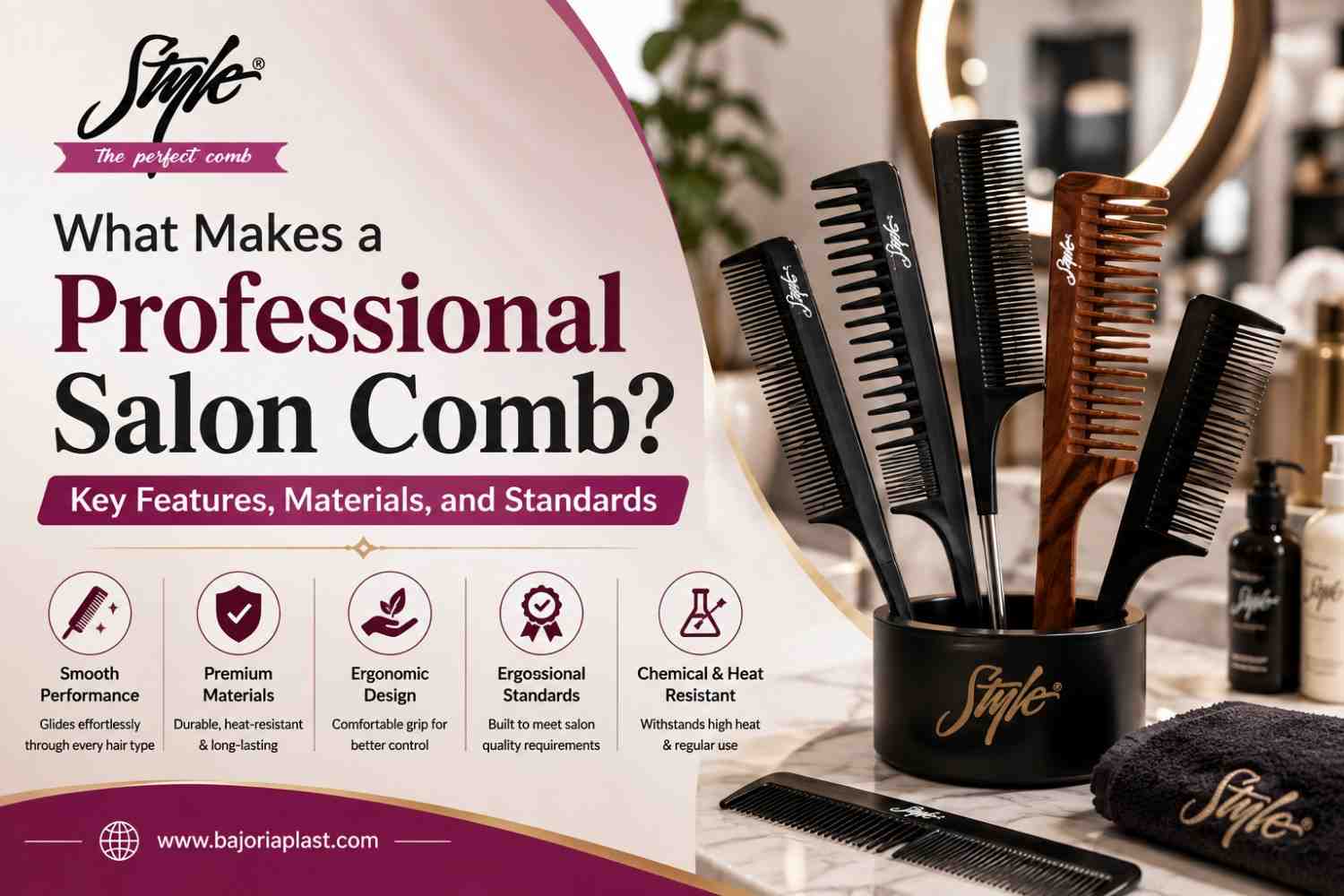
What Makes a Professional Salon Comb? Key Features, Materials, and Standards
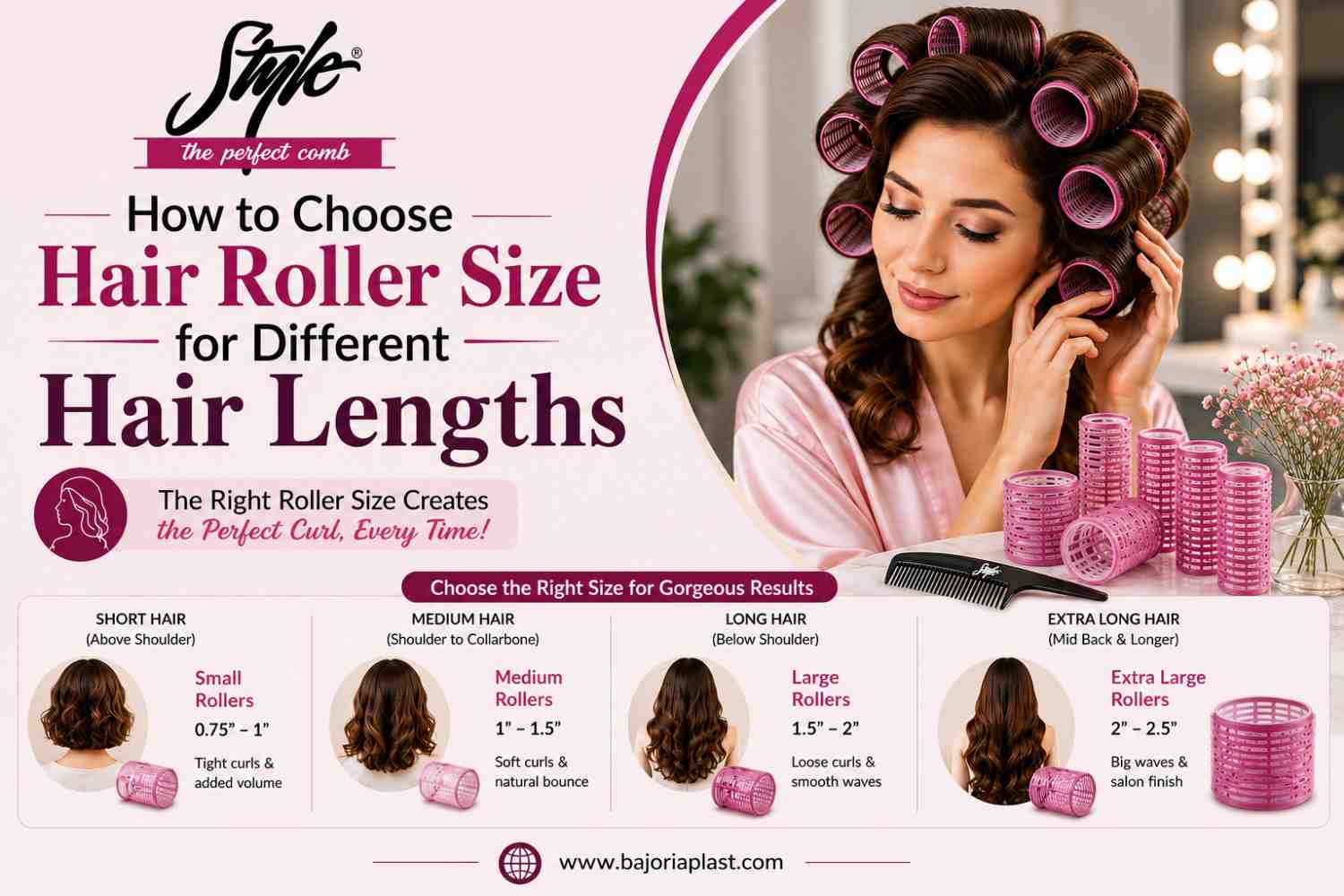
How to Choose the Right Hair Roller Size for Every Hair Length
Plastic vs Foam Hair Rollers: Which to Choose for Bulk?
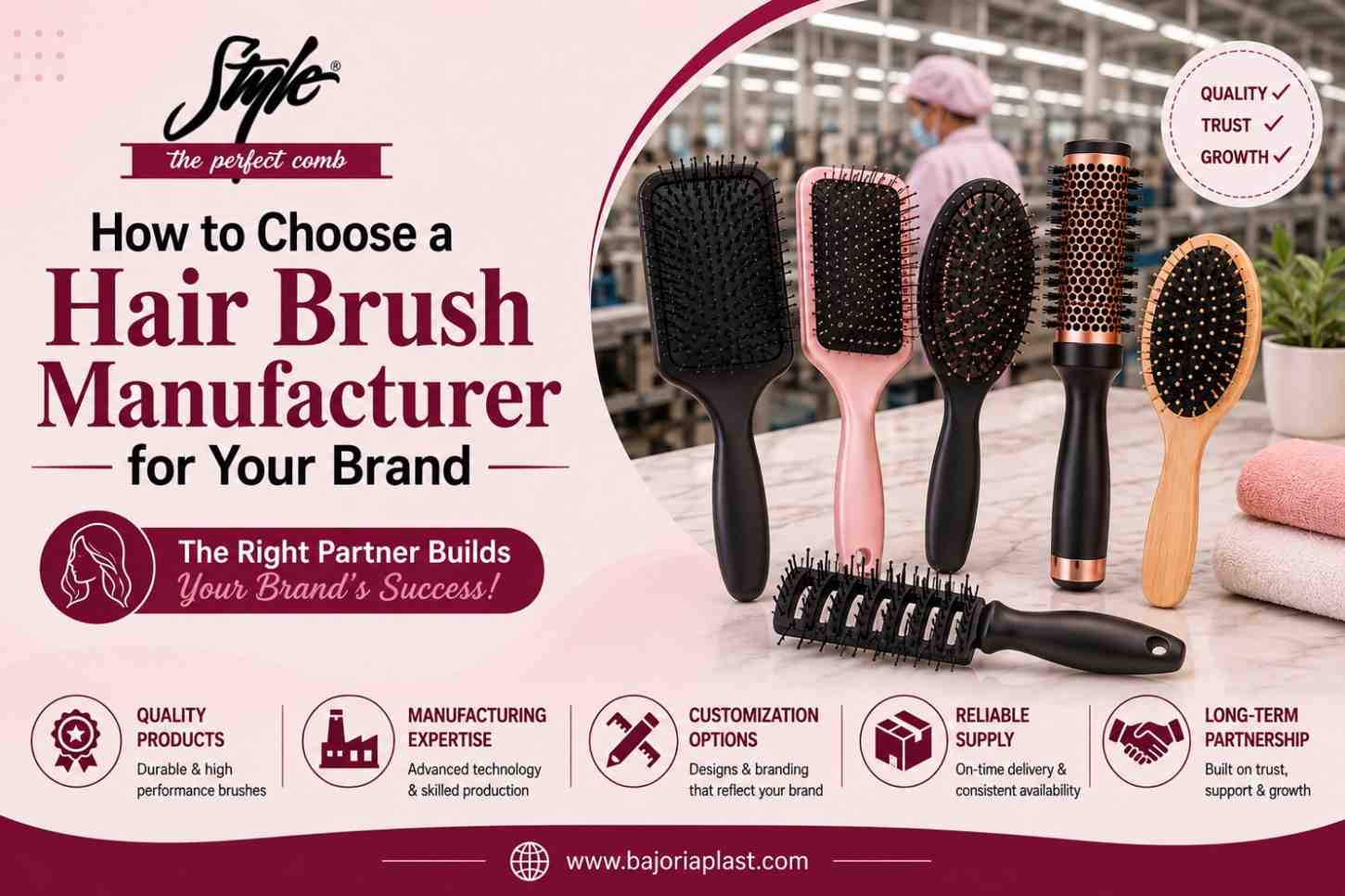
How to Choose a Hair Brush Manufacturer for Your Brand
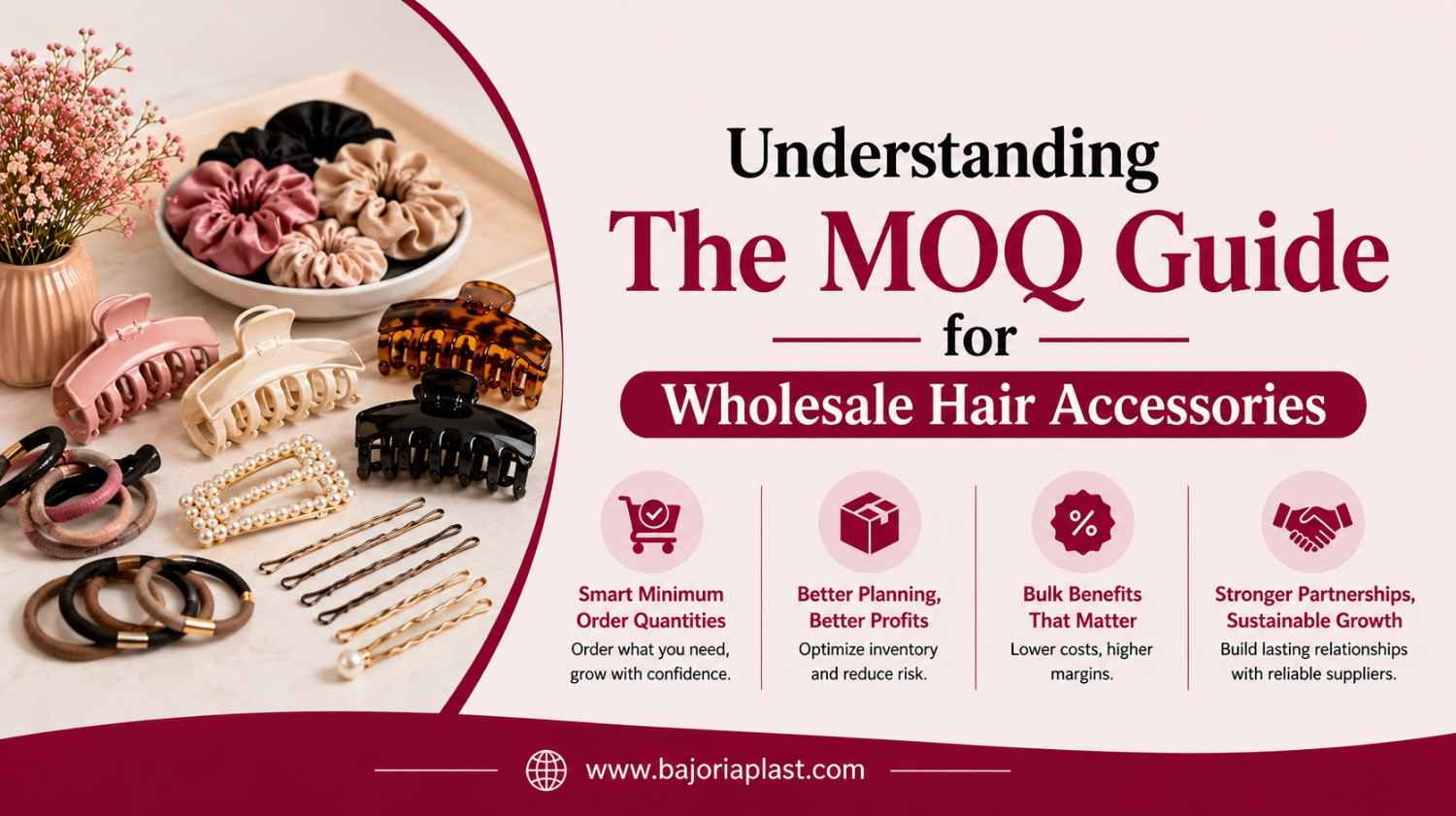
Understanding The MOQ Guide for Wholesale Hair Accessories
Your Complete Hair Accessories Wholesale Price Guide
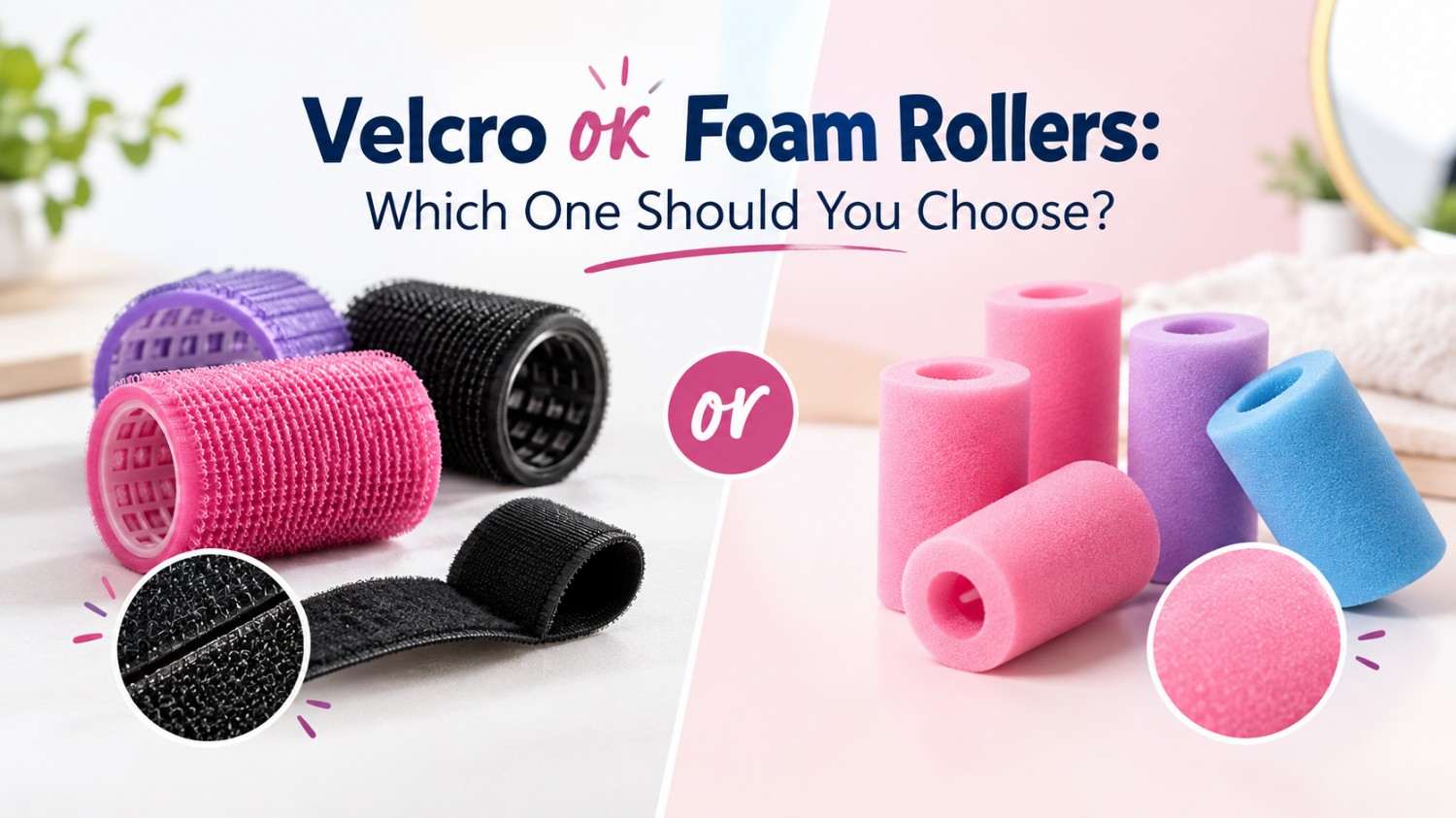
Velcro or Foam Rollers: Which One Should You Choose?
How to Choose the Right Hair Accessories for Dollar Stores
How Industries Purchase Hair Accessories
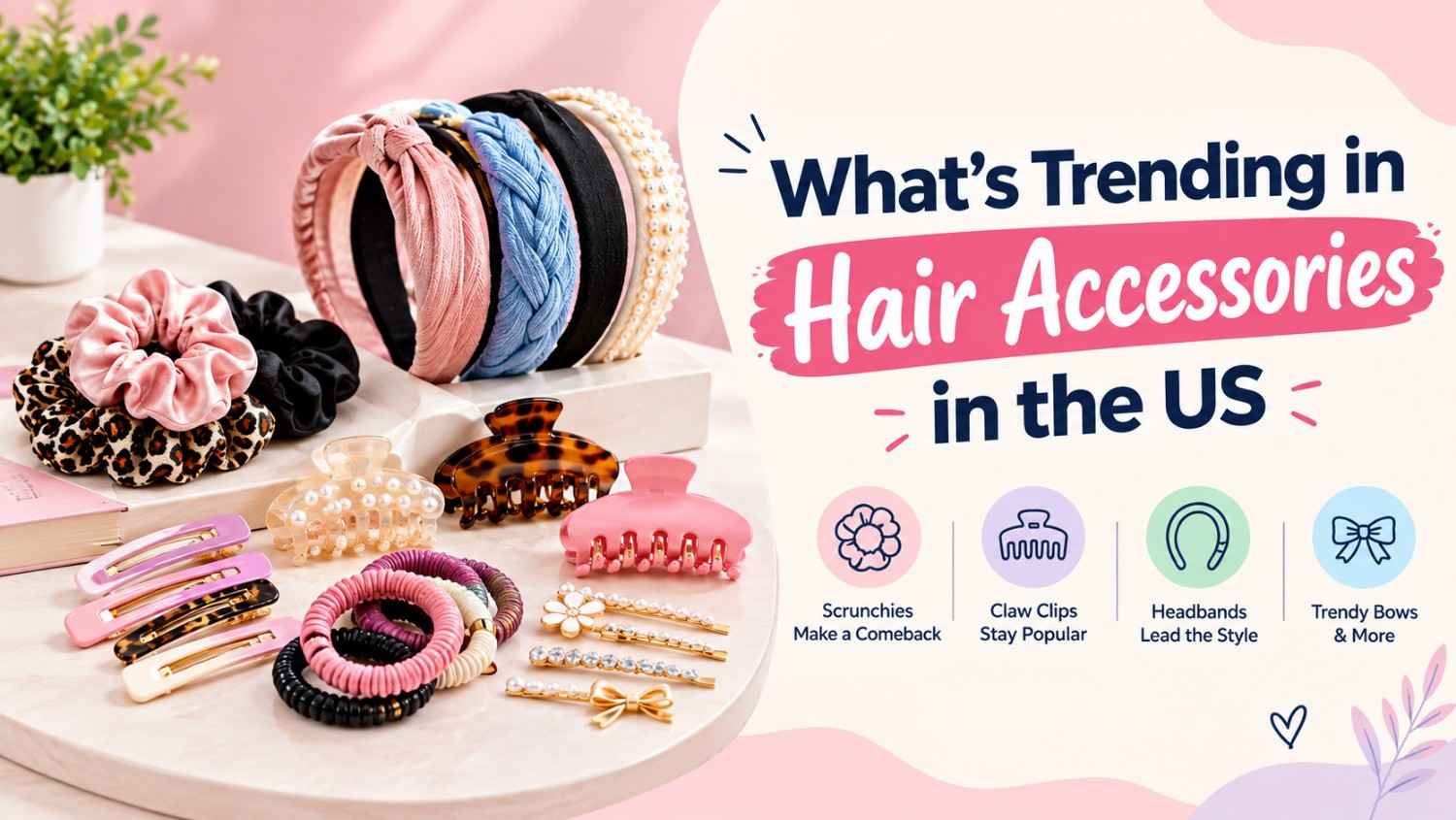
What’s Trending in Hair Accessories in the US

What Are the Benefits of Using a Wooden Comb?
Get In Touch With Bajoria Plast
Address
4593-94 Deputy Ganj, Sadar Bazar, Delhi- 110006, India