Call Us:+91 8882231160


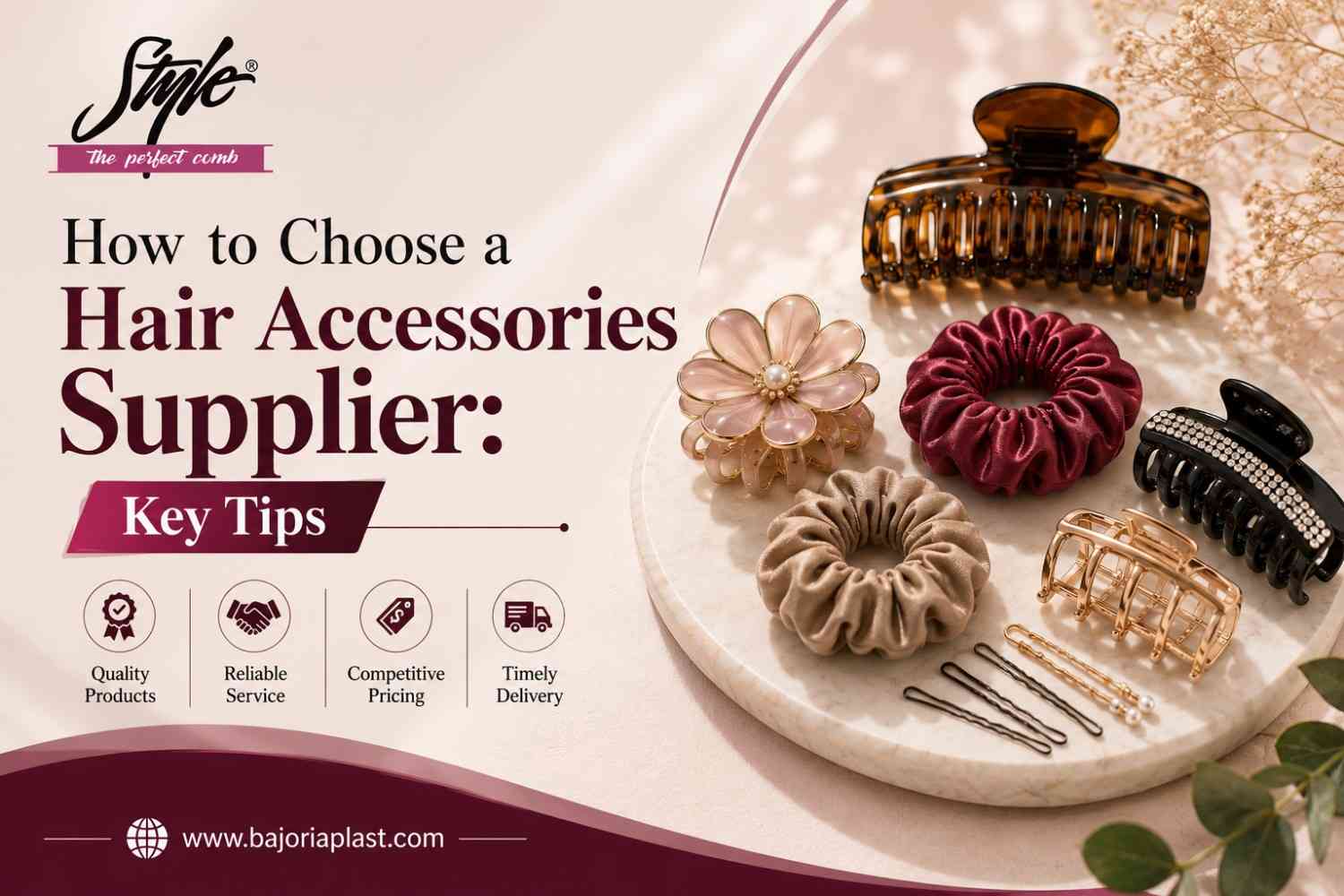
Launching a hair accessories business is an exciting opportunity, but finding the right supplier is one of the most important decisions you'll make. A dependable supplier ensures consistent product quality, timely deliveries, and competitive pricing, helping you build customer trust and grow your brand. On the other hand, an unreliable supplier can lead to inventory shortages, poor-quality products, and dissatisfied customers.
This guide explains the essential factors to consider when selecting a Hair Accessories supplier. From understanding market trends to evaluating product quality and supplier reliability, you'll gain the knowledge needed to establish a successful and sustainable business.
The global hair accessories industry continues to grow as consumers increasingly seek stylish, functional, and affordable products. Fashion trends, social media influence, and changing customer preferences have created strong demand for accessories that complement both everyday looks and special occasions.
Before choosing a supplier, it's important to understand what products are popular and which styles appeal to your target audience. A supplier that stays current with market trends can help your business remain competitive and meet customer expectations.
Successful retailers and wholesalers usually offer a broad selection of accessories to attract different customer segments, including salons, boutiques, online stores, and wedding planners. Stocking both everyday essentials and premium fashion accessories allows businesses to serve a wider audience.
Popular products include:
Offering a diverse product range helps businesses meet changing customer preferences while increasing sales opportunities.
Hair accessory trends change quickly, largely driven by platforms like Instagram, Pinterest, and TikTok. Customers constantly look for fresh designs, seasonal collections, and fashionable accessories inspired by influencers and celebrities.
For this reason, your supplier should be capable of introducing new designs regularly while maintaining consistent product quality.
Modern businesses also value suppliers that provide additional services such as:
These value-added services help businesses build stronger brand recognition and differentiate themselves from competitors.
When evaluating suppliers, ask about their production capabilities, quality control process, customization options, and minimum order quantities.
Demand for hair accessories varies throughout the year and often depends on regional fashion preferences.
For example:
Regional preferences also influence buying behavior. Fashion-conscious cities may demand trend-driven collections throughout the year, while other markets prioritize affordability and everyday essentials.
Understanding these seasonal patterns helps businesses forecast inventory more accurately and work with suppliers capable of scaling production during peak demand periods.
Season | Popular Hair Accessories |
Spring | Floral clips, pastel scrunchies, decorative hair pins |
Summer | Colorful claw clips, lightweight headbands, hair ties |
Fall | Velvet scrunchies, tortoiseshell clips, neutral barrettes |
Winter | Padded headbands, festive hair pins, darker accessories |
Many businesses source products from countries recognized for their manufacturing expertise.
Different regions often specialize in specific product categories and production capabilities. Some manufacturers focus on premium fashion accessories, while others excel at high-volume production or customized products.
When comparing international suppliers, consider factors such as:
Choosing a supplier with a proven reputation for quality and reliability helps reduce business risks while ensuring long-term growth.
Once you understand what you're looking for, the next step is identifying trustworthy suppliers. Finding the right manufacturing partner requires research and careful evaluation.
Businesses commonly discover reliable suppliers through several channels, including:
Each sourcing method offers unique advantages. While online platforms make it easy to compare suppliers, trade fairs provide valuable opportunities to inspect product quality and establish direct business relationships.
In the following sections, we'll explore the best ways to find reputable hair accessories suppliers and evaluate which one is the ideal fit for your business.
Online wholesale marketplaces have become one of the easiest ways to discover reliable hair accessories suppliers. Platforms such as Alibaba, Global Sources, and Made-in-China allow businesses to compare thousands of manufacturers, product catalogs, pricing options, and customer reviews in one place.
To find the right supplier, use specific search terms instead of broad keywords. Narrow your results by reviewing supplier ratings, response times, years of experience, and verification status. This helps identify manufacturers with a proven track record of delivering quality products and dependable service.
Before placing an order, follow these simple guidelines:
Taking these precautions reduces risk and helps you build relationships with trustworthy manufacturing partners.
Although online sourcing is convenient, meeting suppliers face-to-face offers valuable advantages. Trade shows, beauty exhibitions, and industry events provide the opportunity to inspect products firsthand and establish direct relationships with manufacturers.
These events allow salon owners, retailers, distributors, and entrepreneurs to evaluate product quality, compare different suppliers, and discuss business requirements in person. You can also negotiate pricing, learn about manufacturing capabilities, and better understand how each supplier operates.
Unlike online listings, exhibitions let you physically examine product durability, finishing, packaging, and overall craftsmanship before making purchasing decisions.
Benefits of Visiting Industry Events
Participating in trade shows allows you to:
Social media has become an effective platform for discovering reputable hair accessories manufacturers. Many suppliers actively showcase new collections, customer testimonials, production processes, and company updates through Instagram, Facebook, LinkedIn, and Pinterest.
Searching industry-related hashtags and browsing manufacturer profiles can help you discover suppliers that align with your brand style and product requirements.
A professional social media presence often reflects a supplier's credibility. Businesses that regularly interact with customers, respond to inquiries, and share authentic product content generally demonstrate stronger customer service and transparency.
Before working with any supplier:
Authentic businesses typically maintain consistent branding, transparent communication, and active customer engagement across multiple platforms.
Selecting the right supplier involves much more than comparing prices. Your supplier becomes an extension of your business, directly influencing product quality, customer satisfaction, and long-term profitability.
A reliable manufacturing partner should consistently deliver high-quality products, maintain clear communication, offer competitive pricing, and provide dependable customer support.
When evaluating suppliers, focus on these critical areas:
Carefully assessing these factors helps reduce supply chain risks and builds a stronger foundation for business growth.
Product quality plays a major role in building customer trust and maintaining your brand reputation. Poor-quality accessories can result in product returns, negative reviews, and lost customers.
When evaluating suppliers, inspect the overall craftsmanship of their products. Look for smooth finishes, durable materials, secure fasteners, and consistent manufacturing quality.
If the supplier also manufactures hair extensions, ensure the products are made using properly aligned cuticles to minimize tangling and improve durability.
Reliable manufacturers typically implement strict quality control procedures and comply with recognized industry standards such as ISO 9001 or OEKO-TEX® certification for textile safety.
How to Verify Product Quality
Before placing large orders:
Investing time in quality evaluation can help prevent costly issues later.
Pricing is one of the most important considerations when selecting a supplier. Most manufacturers offer volume-based pricing, where larger orders receive lower per-unit costs. This pricing model helps businesses improve profit margins while remaining competitive.
Equally important is understanding the supplier's Minimum Order Quantity (MOQ). Some manufacturers require large initial purchases, while others offer flexible ordering options for smaller businesses.
Choosing a supplier whose MOQ matches your inventory requirements allows you to manage cash flow more effectively and avoid unnecessary stock.
Before finalizing any agreement, discuss:
Clear communication regarding pricing and ordering policies helps establish a transparent, long-term business relationship while avoiding unexpected expenses.
Outstanding customer service is just as important as product quality when choosing a hair accessories supplier. Even the best products can create problems if your supplier communicates poorly or fails to provide timely support.
A dependable supplier should respond quickly to inquiries, keep you updated throughout the ordering process, and notify you immediately of any production or shipping delays. Transparent communication helps build trust, minimizes misunderstandings, and creates long-term business relationships.
It's equally important to understand the supplier's return, replacement, and warranty policies. Reliable manufacturers stand behind their products and resolve quality issues promptly. They should also provide shipment tracking through trusted logistics partners such as DHL, FedEx, or other reputable carriers.
Look for suppliers that demonstrate the following qualities:
Strong customer support often reflects how a supplier will handle your business as it grows.
After identifying a shortlist of potential suppliers, the next step is establishing communication. Your first interaction lays the foundation for your future business relationship, so it's important to approach suppliers professionally and with clear objectives.
Successful negotiations are about creating value for both parties. Rather than focusing solely on price, discuss product quality, customization options, production timelines, shipping arrangements, and long-term partnership opportunities.
Preparing in advance will help you communicate confidently and make informed decisions.
Your initial message should be clear, concise, and professional. Introduce your business, explain your product requirements, and ask relevant questions about the supplier's capabilities.
A supplier's response can tell you a great deal about their professionalism. Companies that reply promptly with detailed information are generally more reliable than those that provide delayed or incomplete responses.
When reaching out to a supplier, consider asking:
These questions help you evaluate whether the supplier meets your business requirements before moving forward.
Negotiation is a standard part of supplier relationships. The goal is to reach an agreement that benefits both your business and the manufacturer.
Be transparent about your expected order volume, budget, and long-term plans. Suppliers are often more willing to offer competitive pricing and flexible terms when they see the potential for an ongoing partnership.
Beyond product pricing, discuss other important areas such as payment terms, shipping options, lead times, and packaging costs.
To achieve better outcomes:
Strong supplier relationships often lead to better pricing, priority production schedules, and improved service over time.
Established manufacturers such as Bajoria Plast typically offer greater control over production compared to traders or wholesalers. As a direct manufacturer, they oversee every stage of the manufacturing process—from raw material selection to quality inspection and final packaging.
This level of control allows manufacturers to maintain consistent product quality while offering greater flexibility for customization.
Businesses looking to create a distinctive product range can often benefit from services such as:
Because manufacturers manage production internally, they can also provide more reliable inventory planning, consistent quality standards, and competitive pricing for large-volume orders.
Working directly with an experienced manufacturer like Bajoria Plast simplifies the supply chain, improves communication, and creates opportunities for long-term business growth.
Choosing the right hair accessories supplier is one of the most important decisions for any retailer, wholesaler, salon, or online business. A dependable supplier not only delivers high-quality products but also contributes to your operational efficiency, customer satisfaction, and long-term success.
Take time to research the market, compare suppliers carefully, request product samples, verify quality standards, and evaluate customer service before making a final decision.
Whether you're sourcing through online marketplaces, attending trade shows, or partnering directly with manufacturers like Bajoria Plast, selecting a reliable supplier will help you build a stronger brand and a more profitable business.
Investing in the right supplier today creates a solid foundation for sustainable growth tomorrow.
Start by reviewing the supplier's business history, customer testimonials, certifications, and online reputation. Request product samples, verify their quality control processes, and evaluate how professionally they communicate. Reliable suppliers are transparent about pricing, policies, and production capabilities while offering secure payment options and responsive customer support.
The best choice depends on your business model. A manufacturer is ideal if you require custom products, private labeling, branded packaging, or large-volume orders at competitive prices.
A wholesaler is often better suited for startups and small businesses looking for lower minimum order quantities, faster purchasing, and access to a wider variety of ready-made products.

Buying Plastic Combs in Bulk at Low Cost: A Smart Buyer’s Guide
Private Label Hair Accessories: A Practical Guide to Retail Success
Plastic vs. Metal Hair Combs: A Smart Comparison for Wholesale Buyers
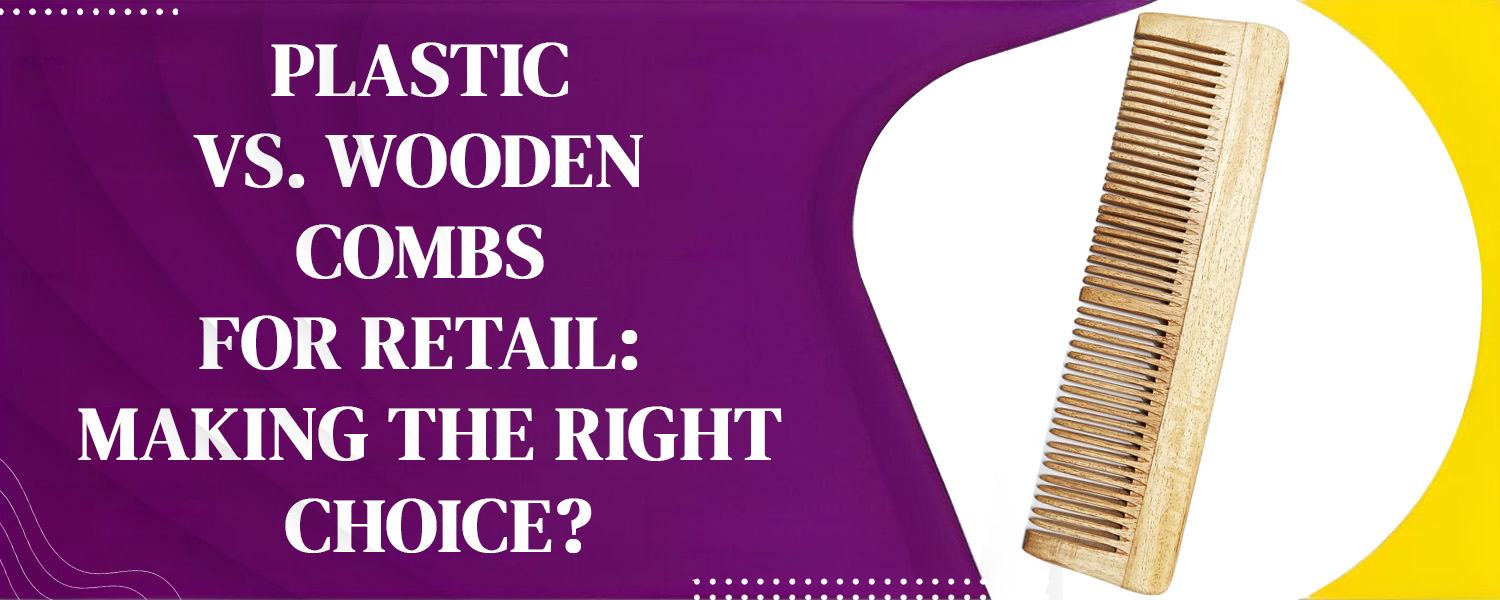
Plastic vs. Wooden Combs for Retail: Making the Right Choice?
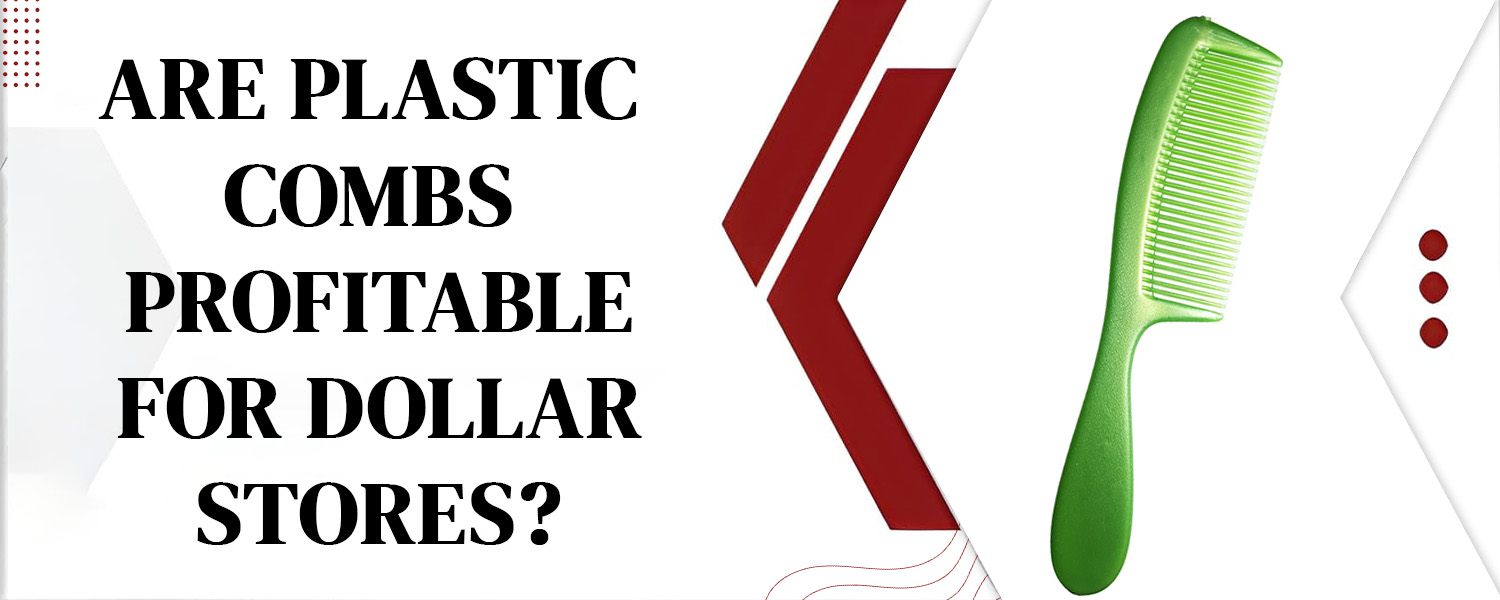
Are Plastic Combs Profitable for Dollar Stores?

Hair Accessories for Amazon FBA: Smart Sourcing Strategies for Sellers
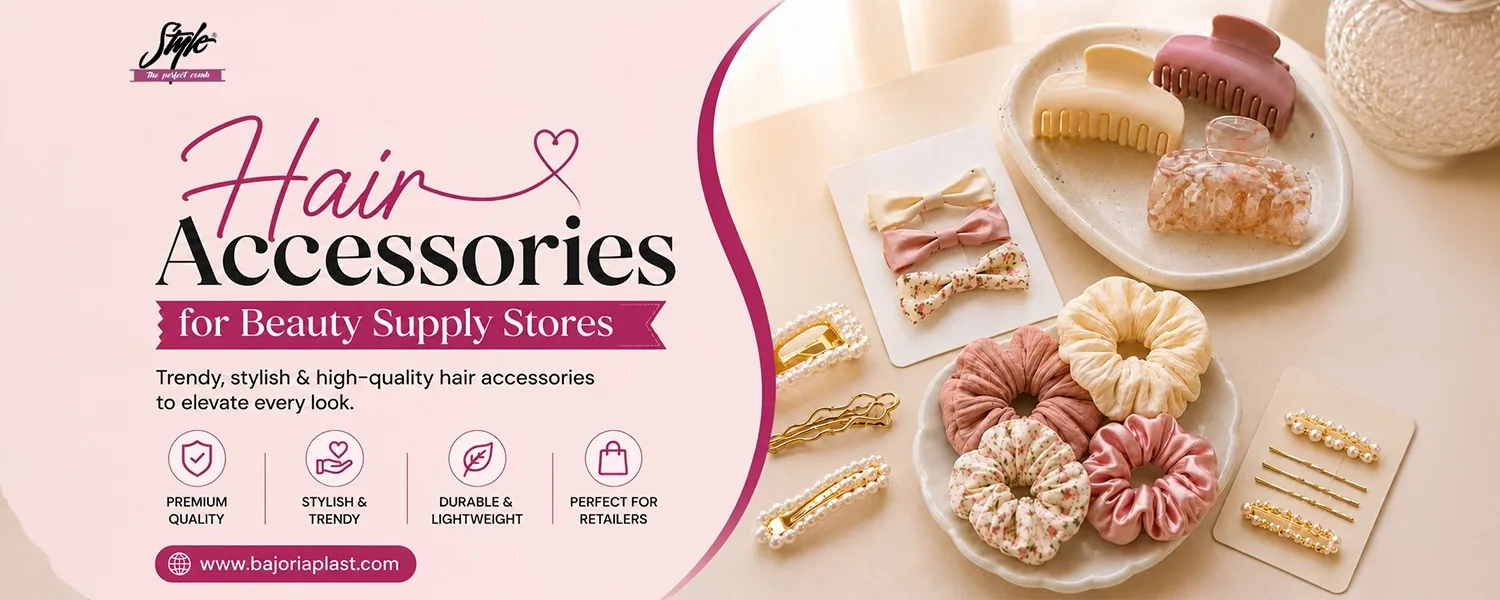
Hair Accessories for Beauty Supply Stores
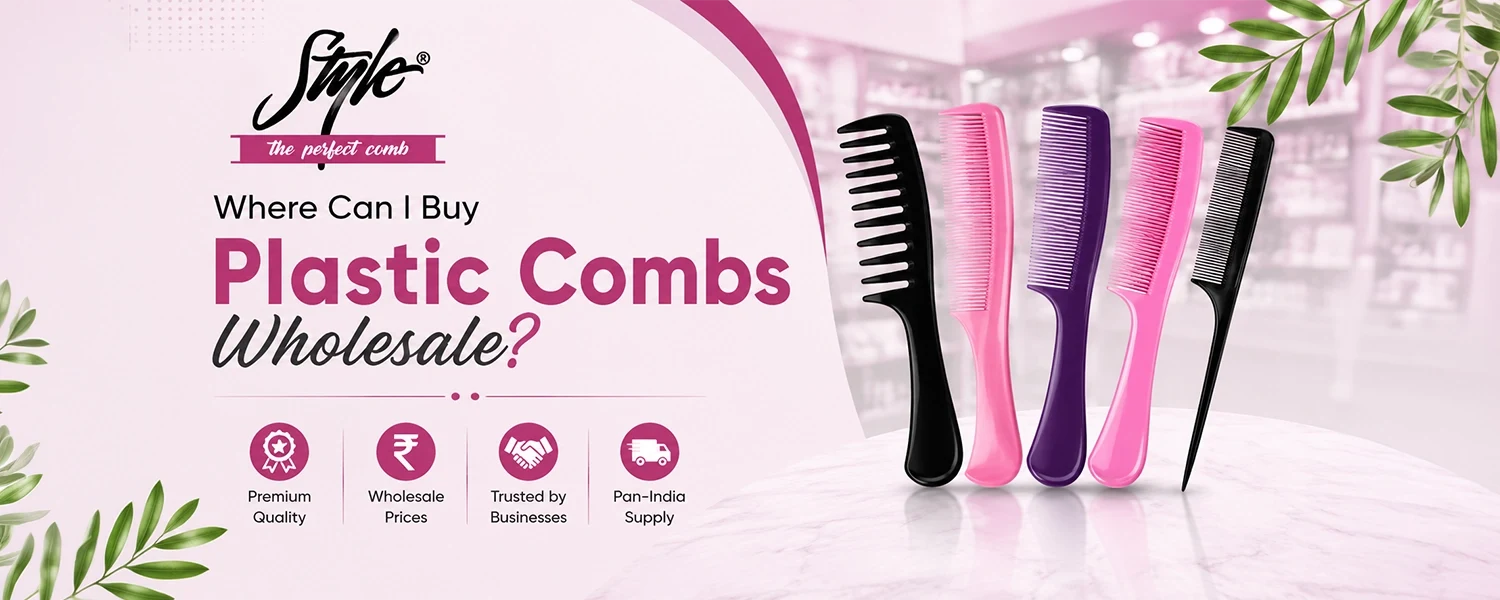
Where Can I Buy Plastic Combs Wholesale?

Hair Accessories for Dollar Stores – Custom & Reliable
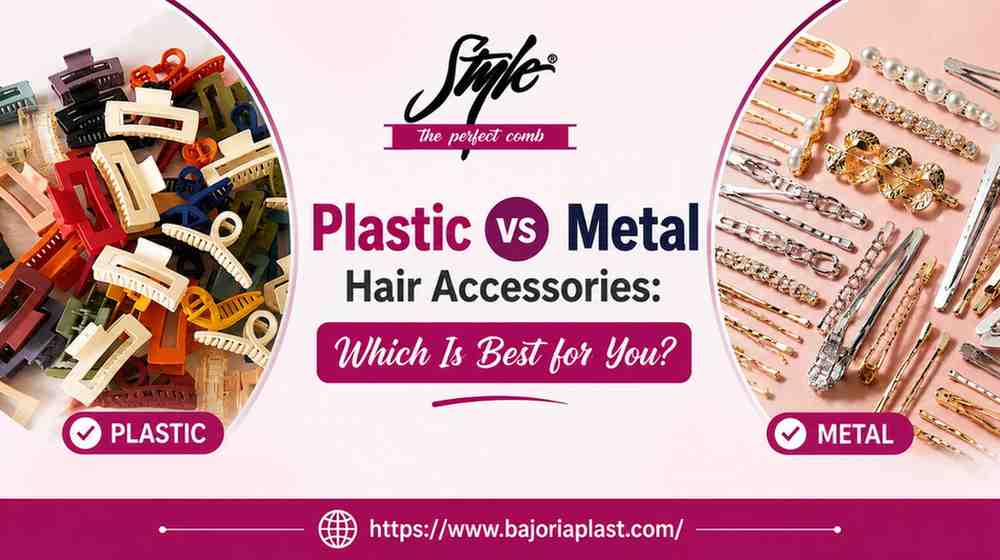
Plastic vs Metal Hair Accessories: Which Is Best for You?
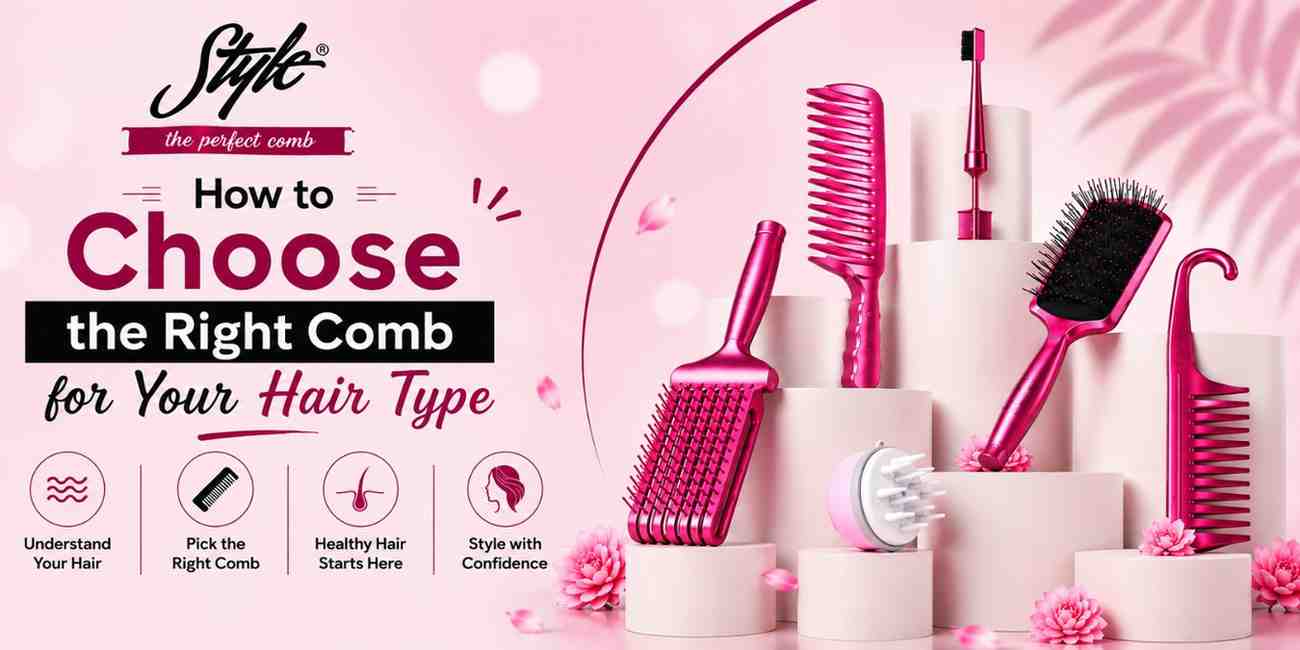
How to Choose the Right Comb for Your Hair Type
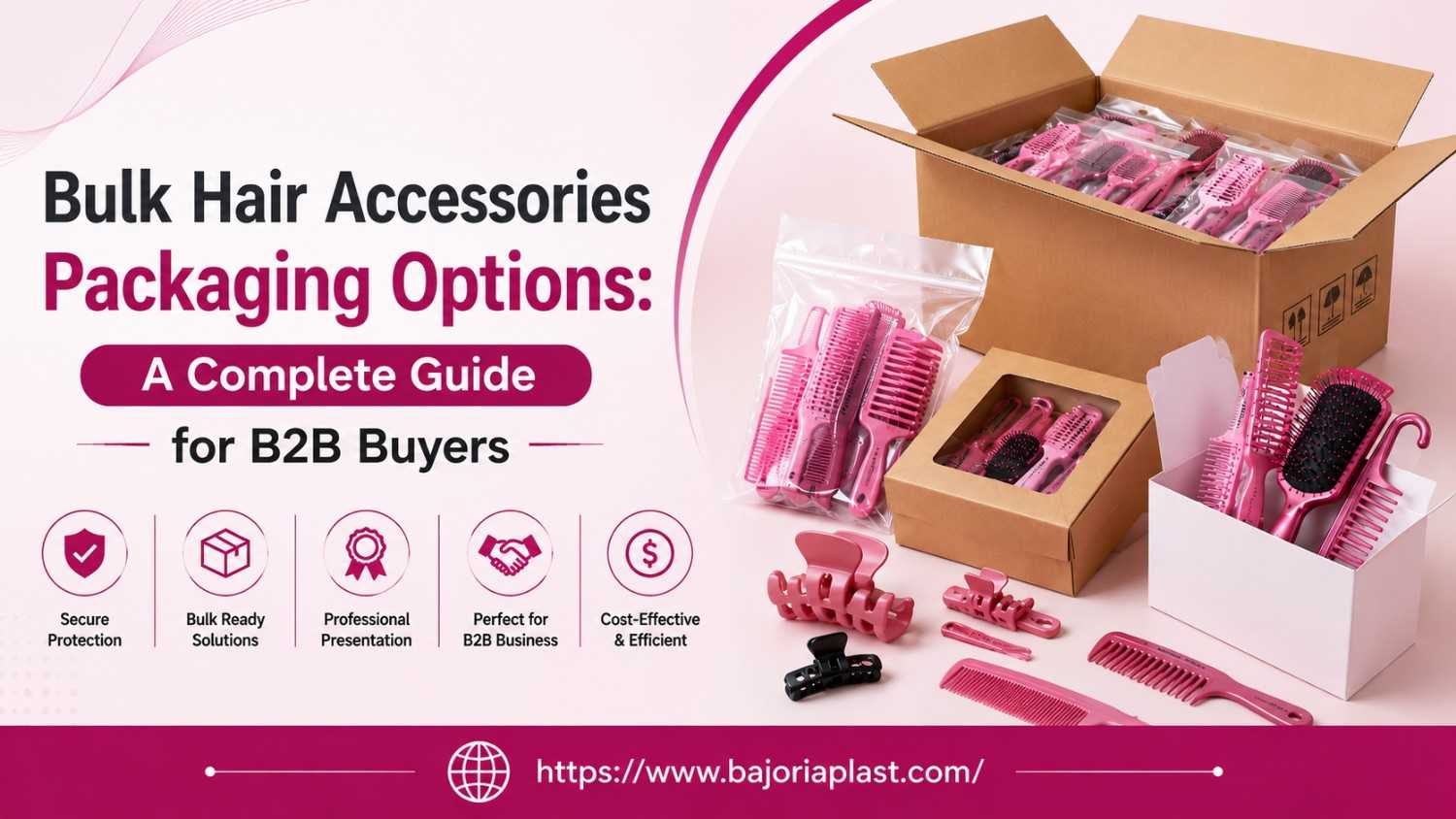
Bulk Hair Accessories Packaging Options: A Complete Guide for B2B Buyers
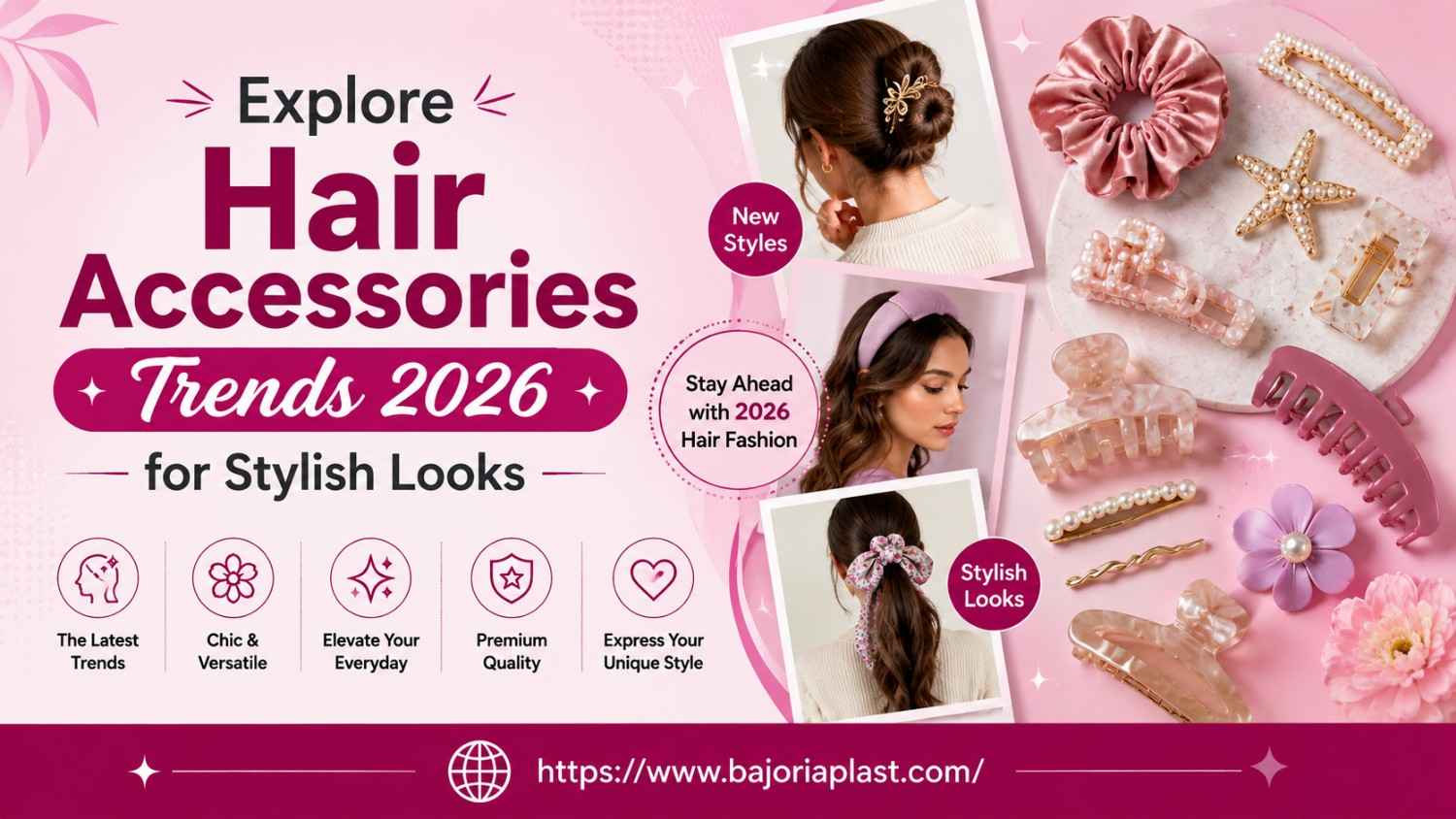
Explore Hair Accessories Trends 2026 for Stylish Looks
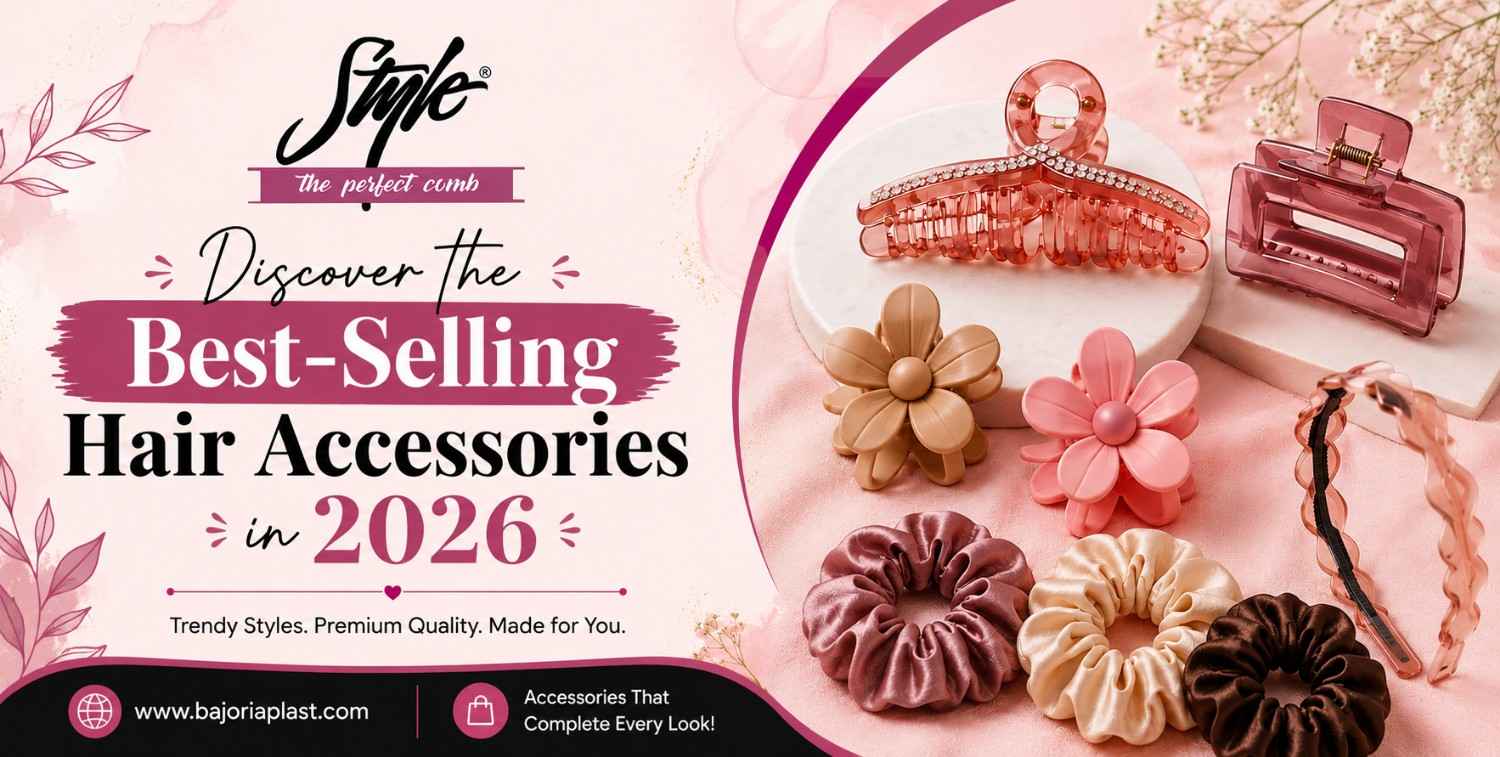
Discover the Best-Selling Hair Accessories in 2026
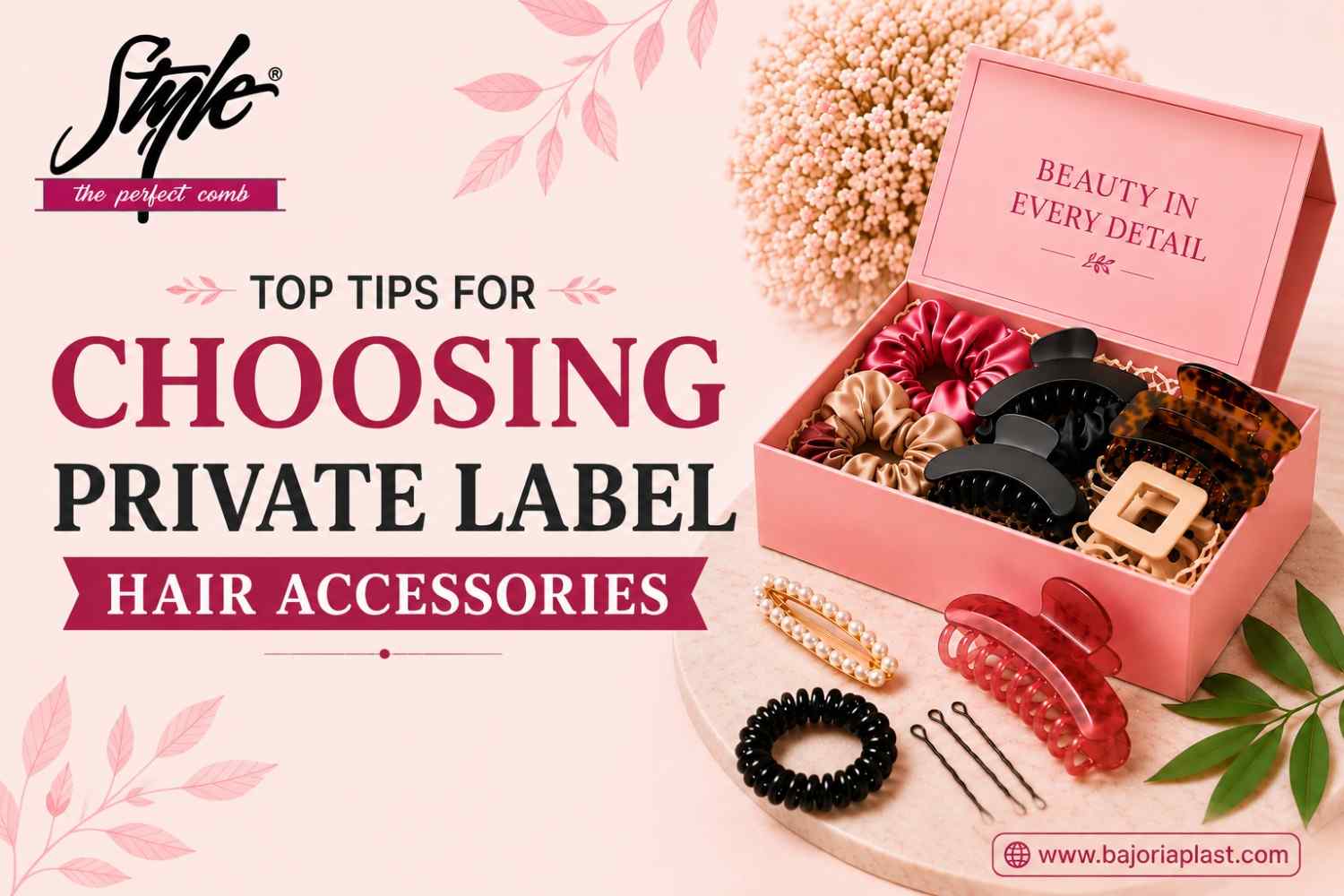
Top Tips for Choosing Private Label Hair Accessories
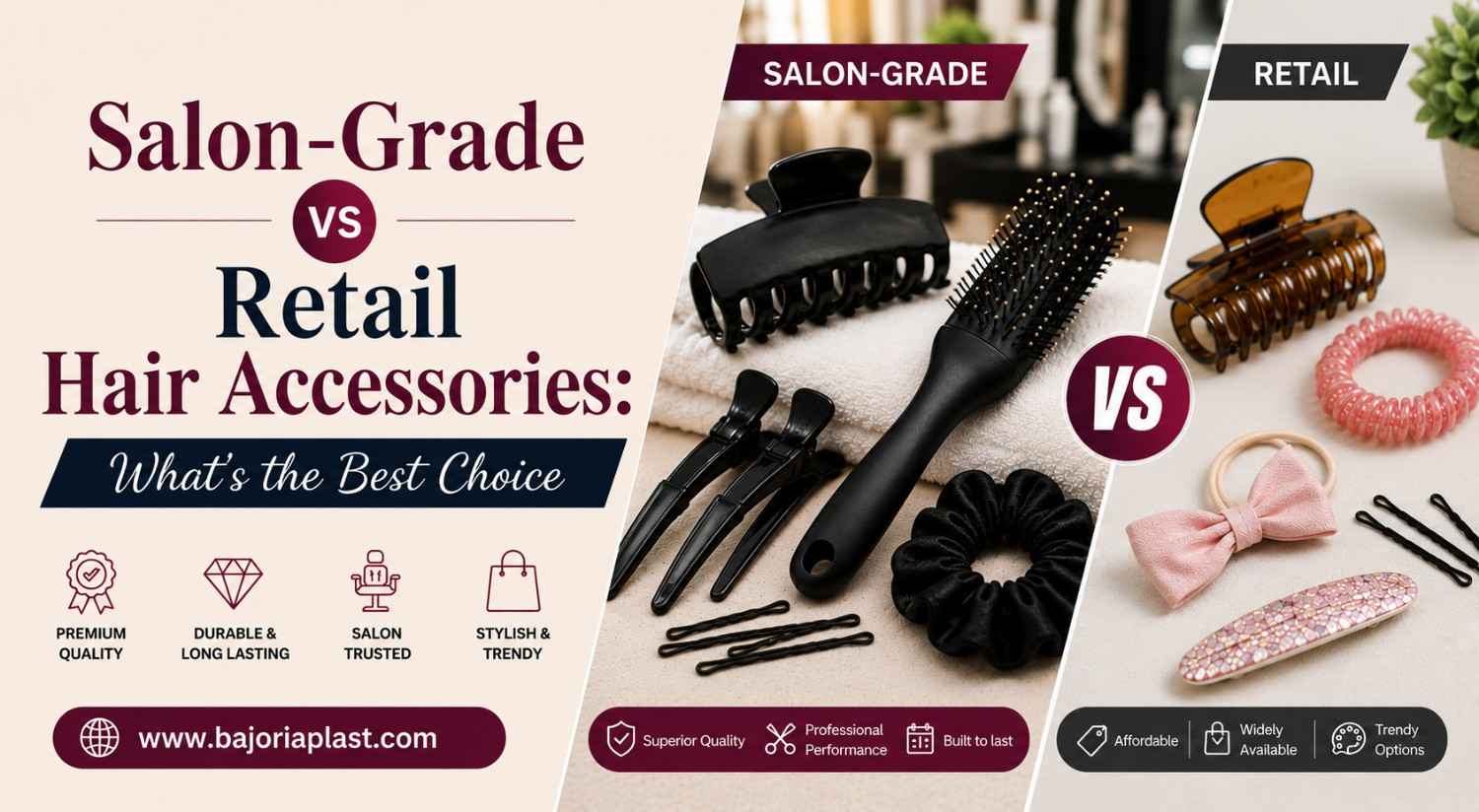
Salon-Grade vs Retail Hair Accessories: What’s the Best Choice?
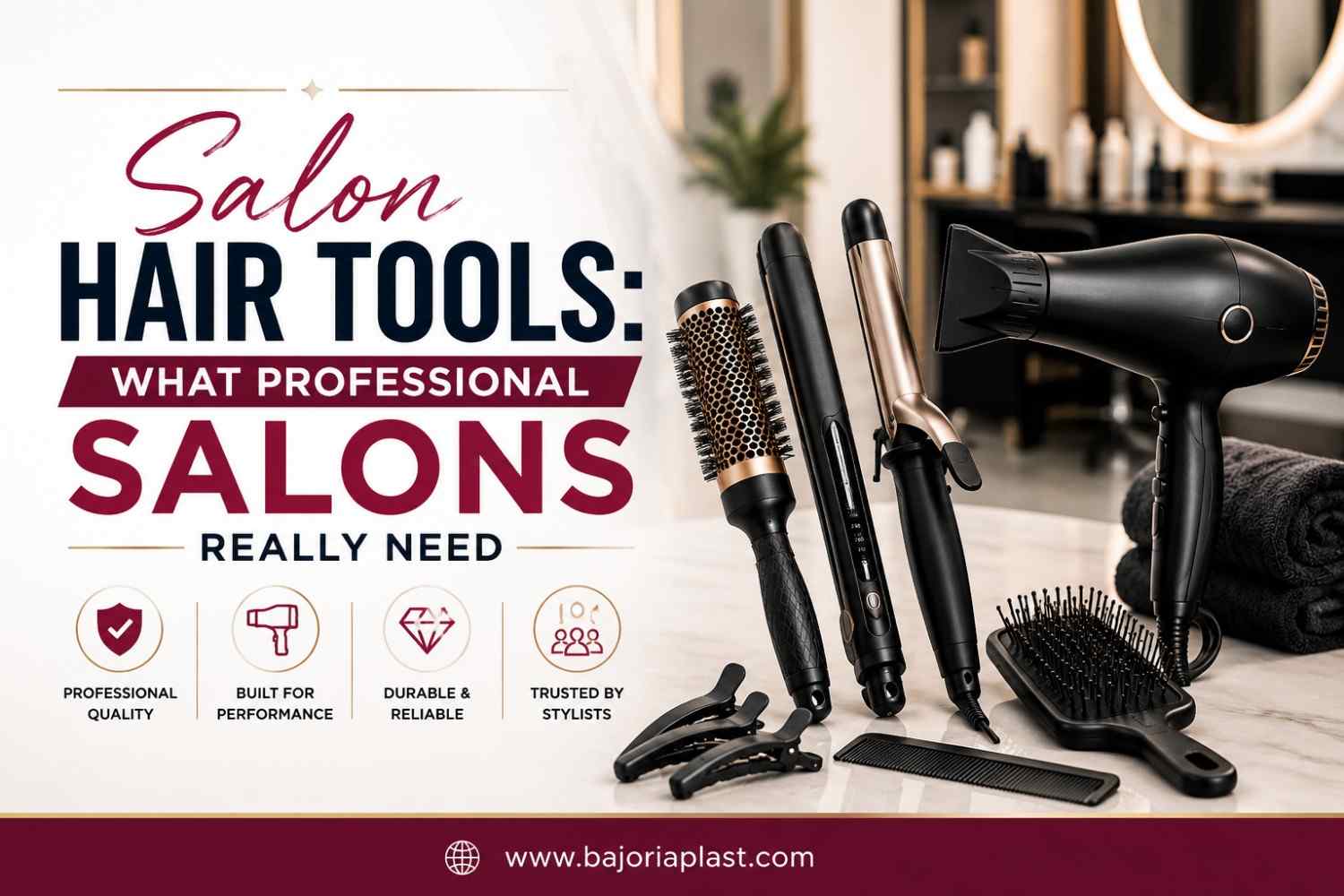
Salon Hair Tools: What Professional Salons Really Need
How to Choose a Hair Accessories Supplier: Key Tips
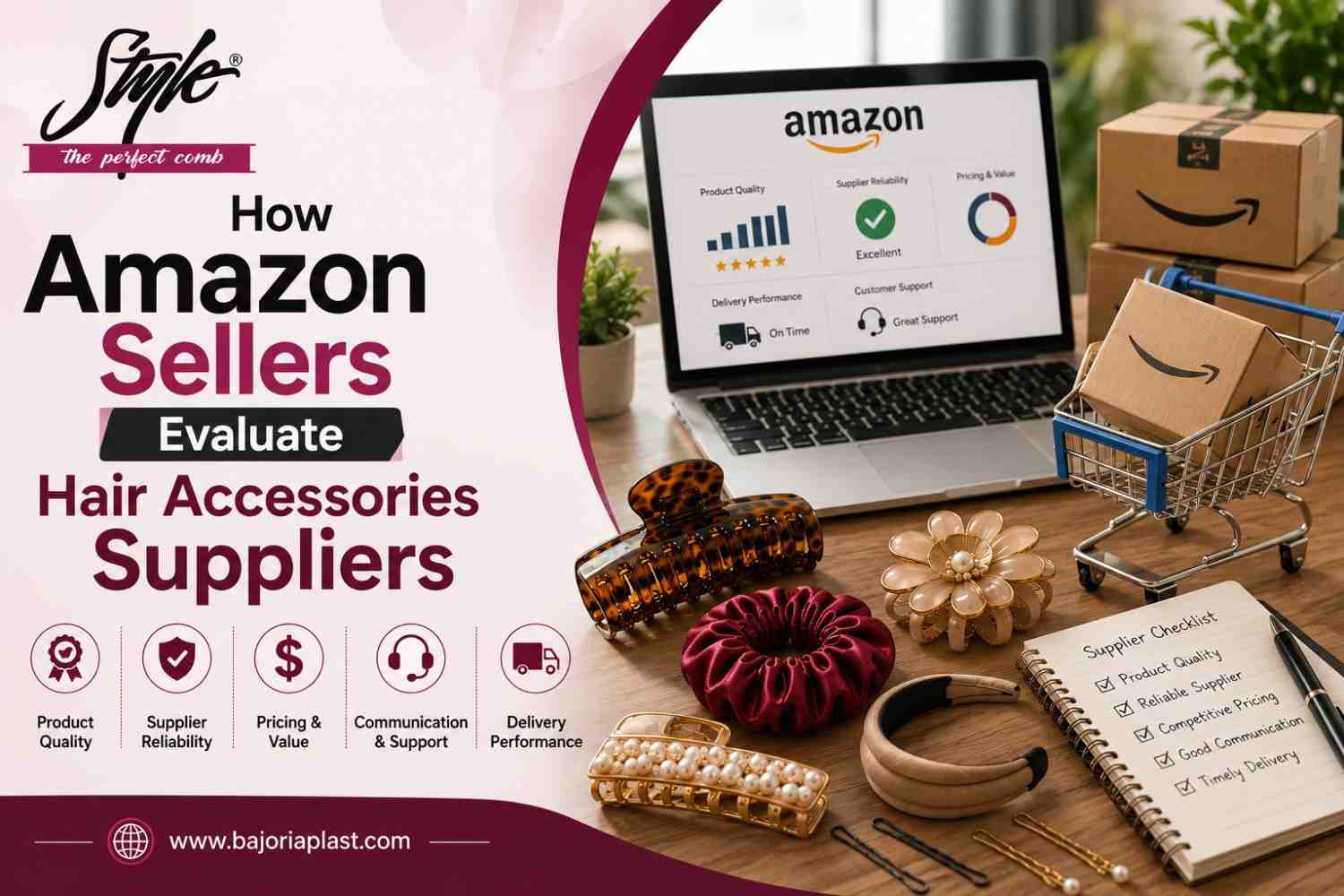
How Amazon Sellers Evaluate Hair Accessories Suppliers
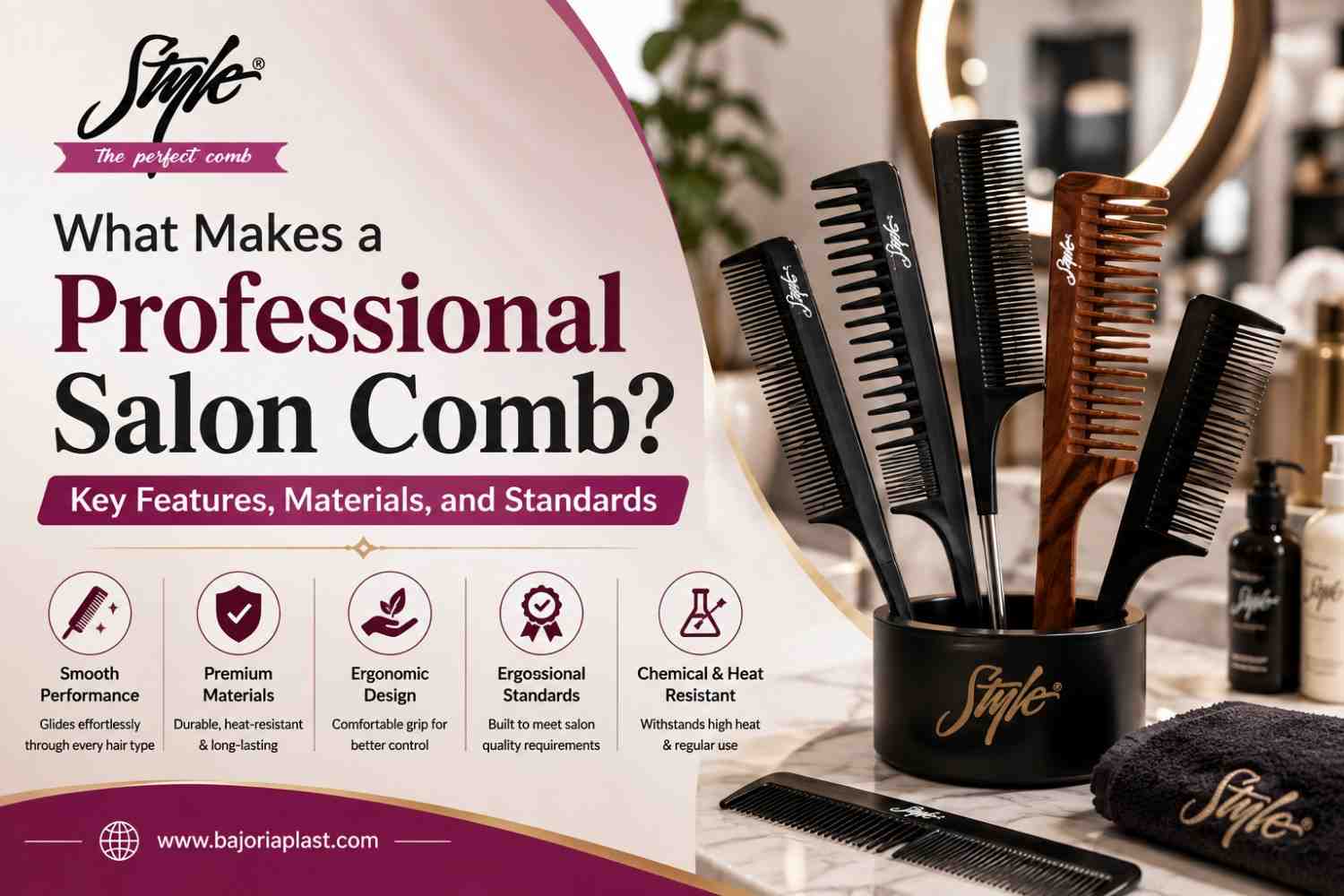
What Makes a Professional Salon Comb? Key Features, Materials, and Standards
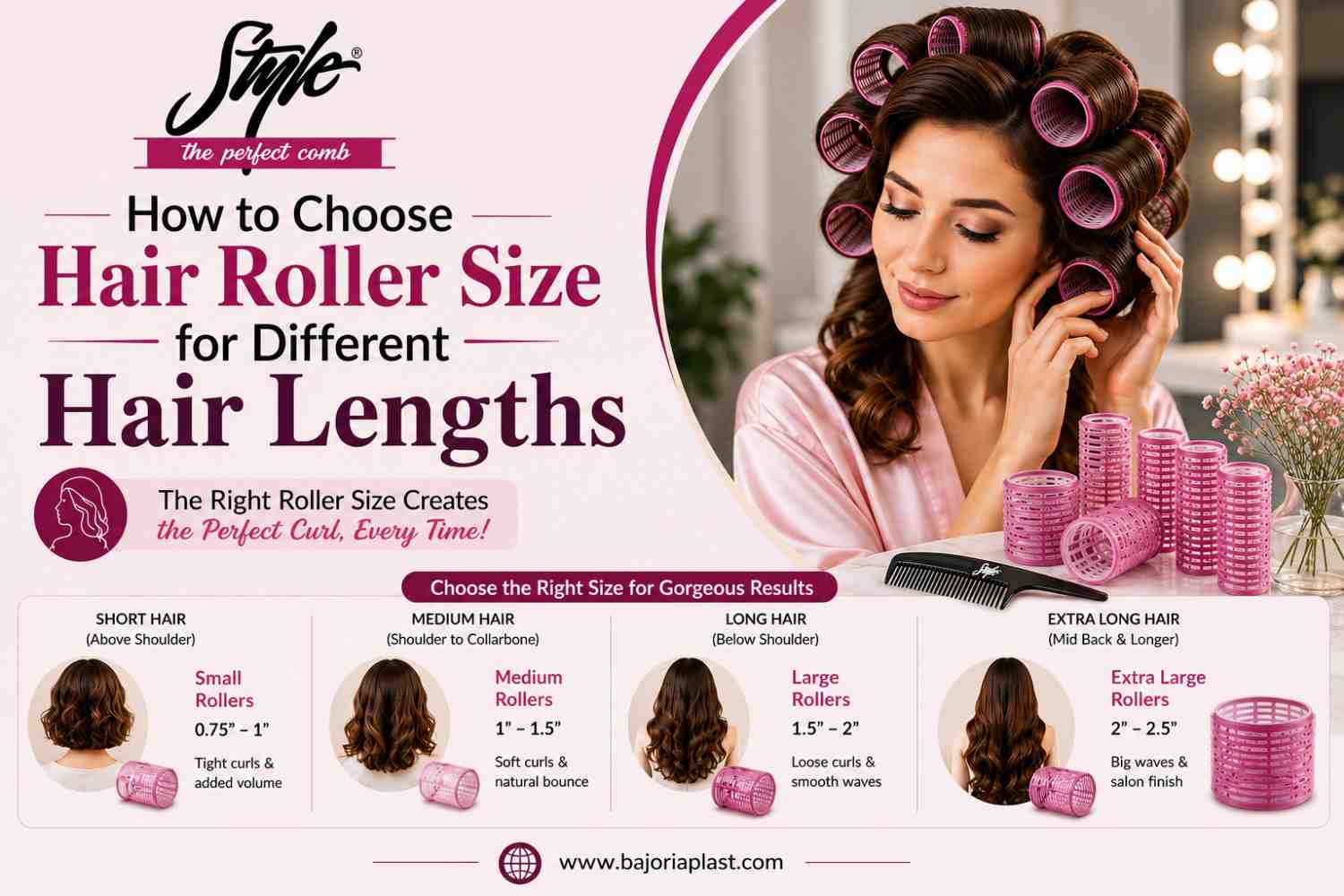
How to Choose the Right Hair Roller Size for Every Hair Length
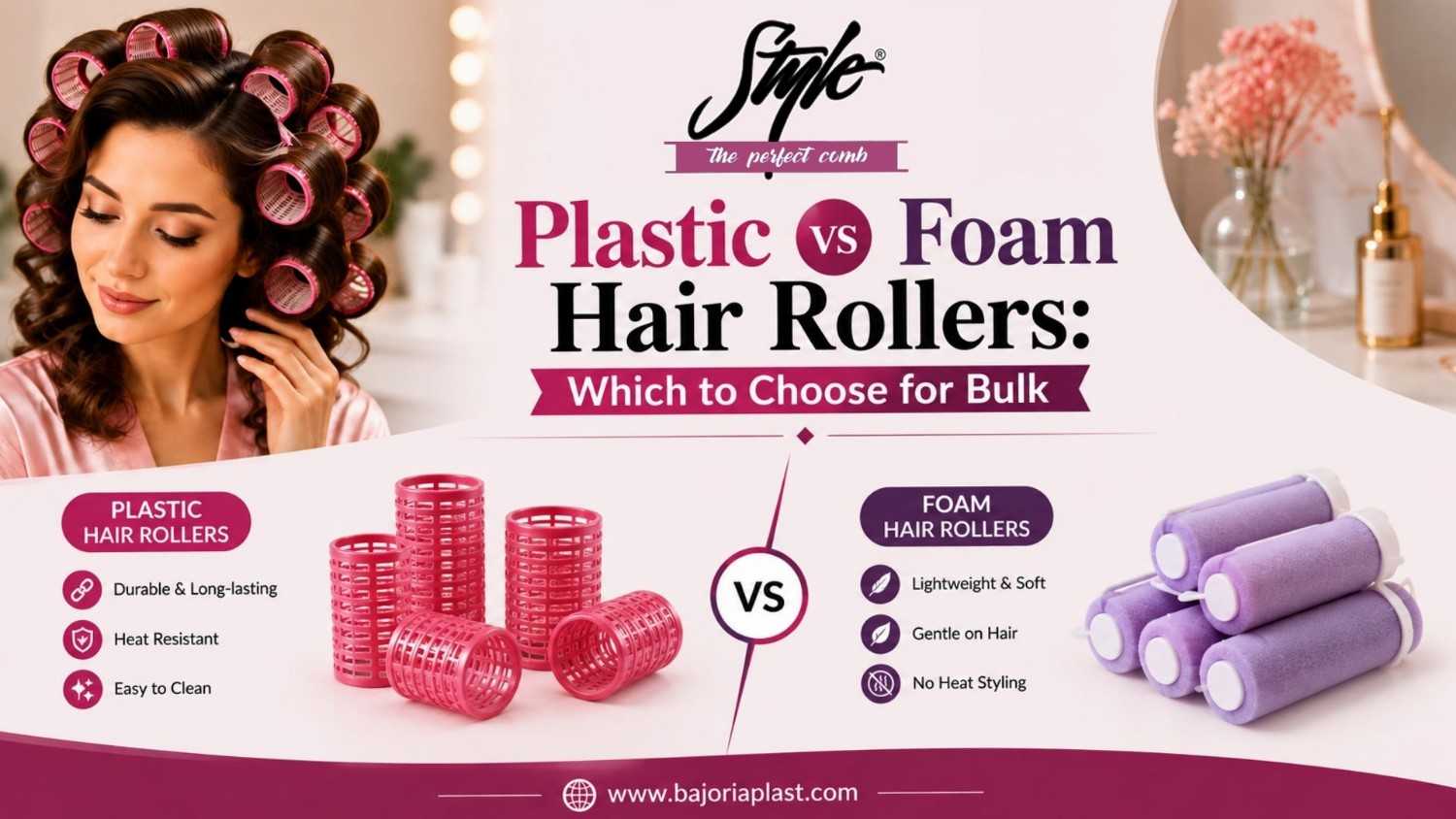
Plastic vs Foam Hair Rollers: Which to Choose for Bulk?
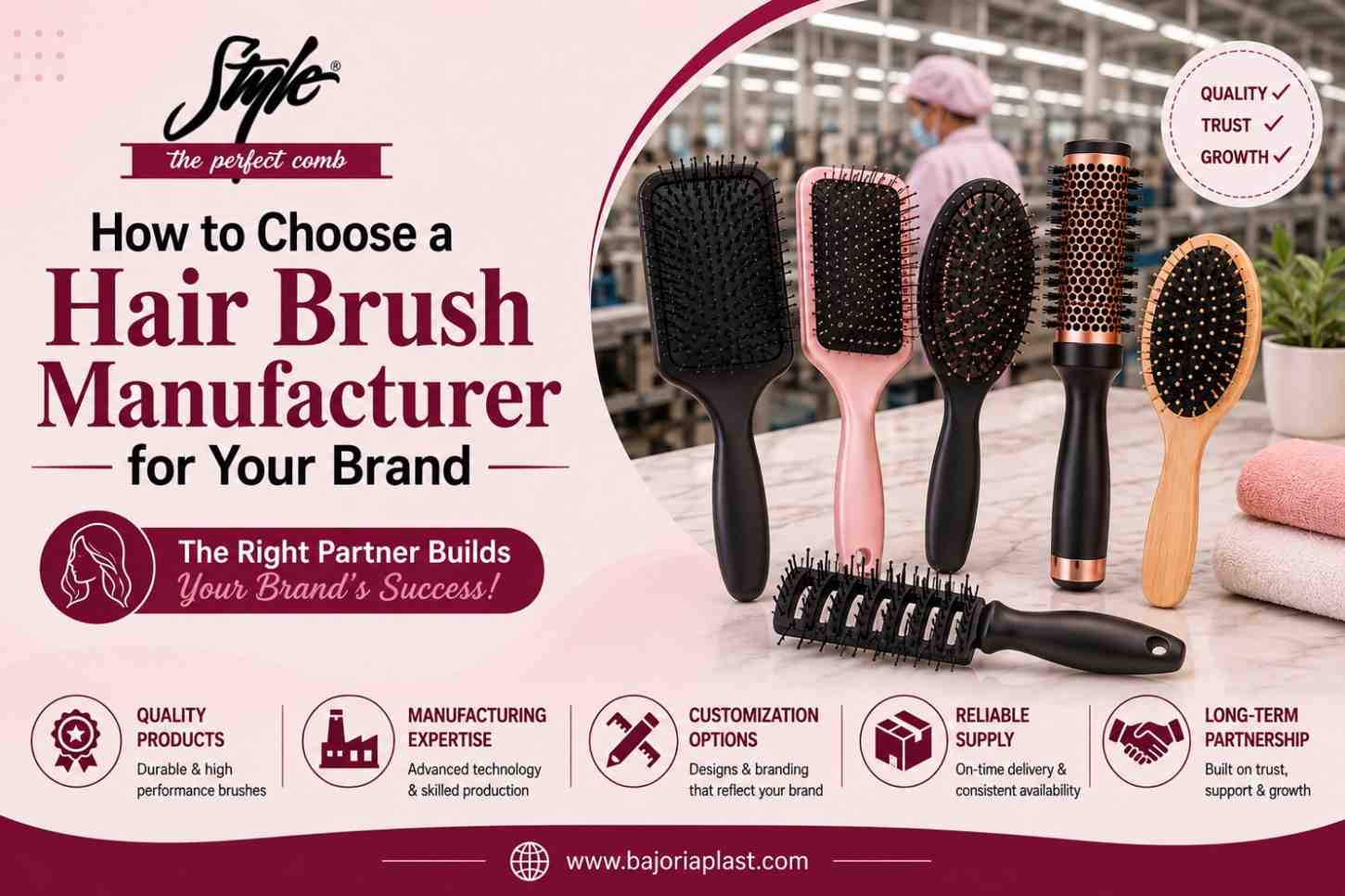
How to Choose a Hair Brush Manufacturer for Your Brand
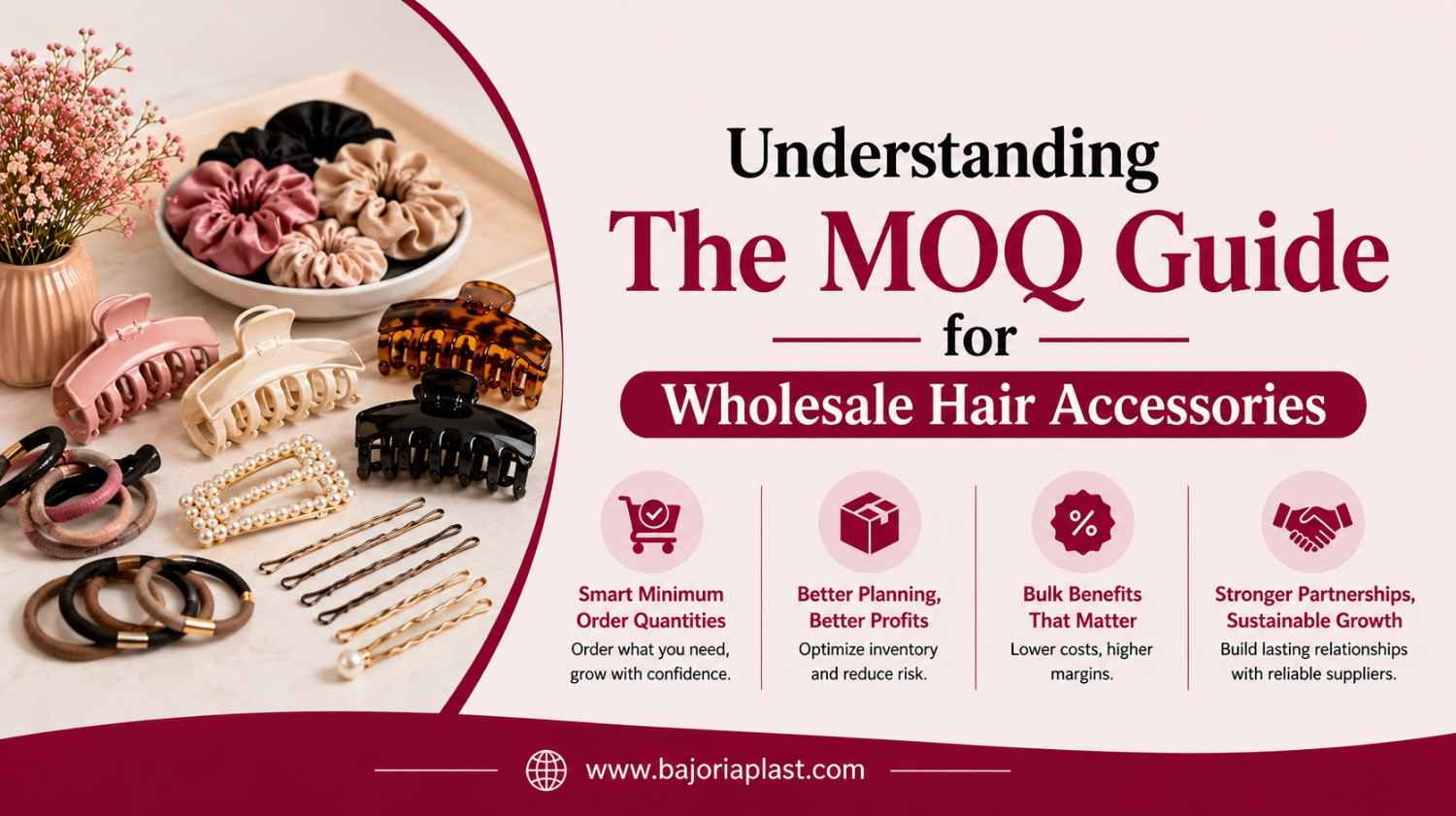
Understanding The MOQ Guide for Wholesale Hair Accessories
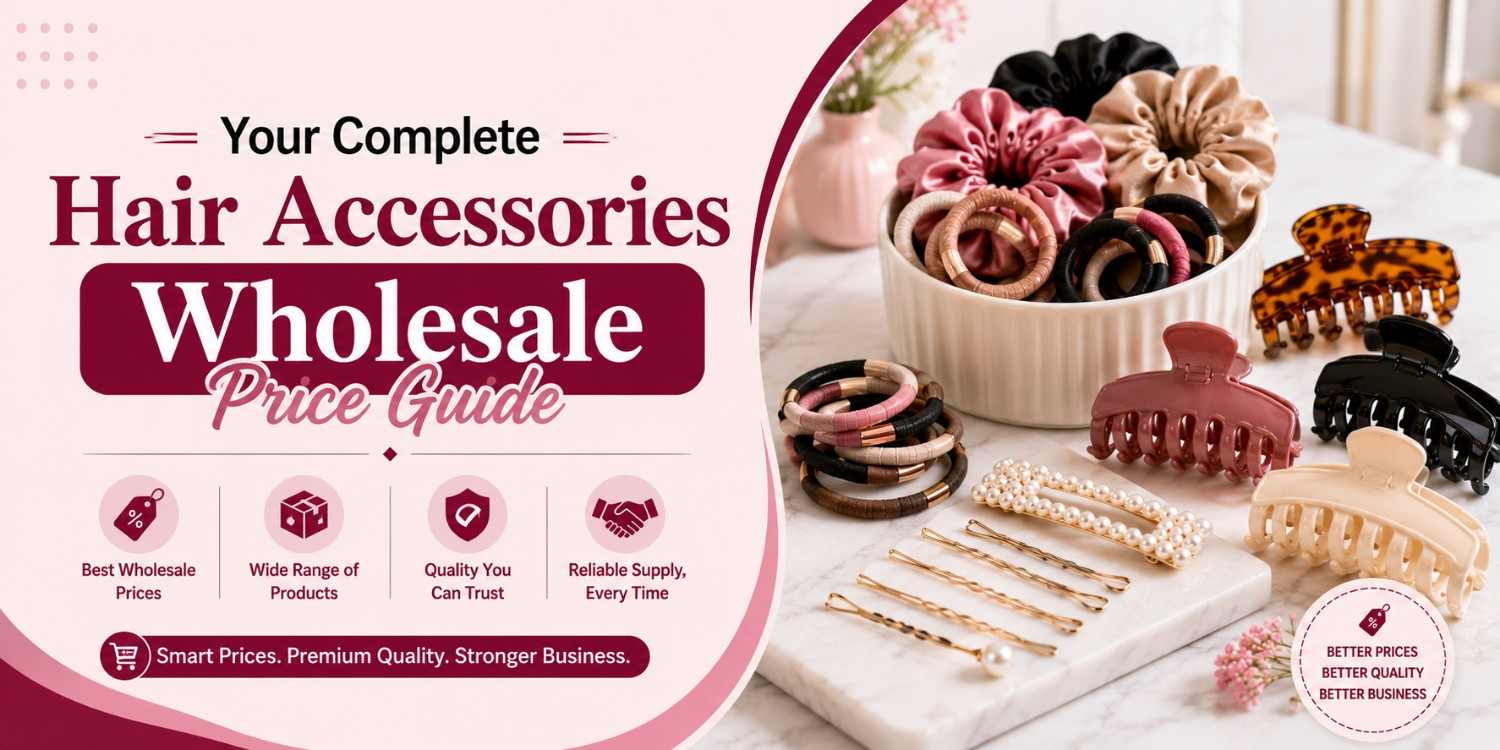
Your Complete Hair Accessories Wholesale Price Guide
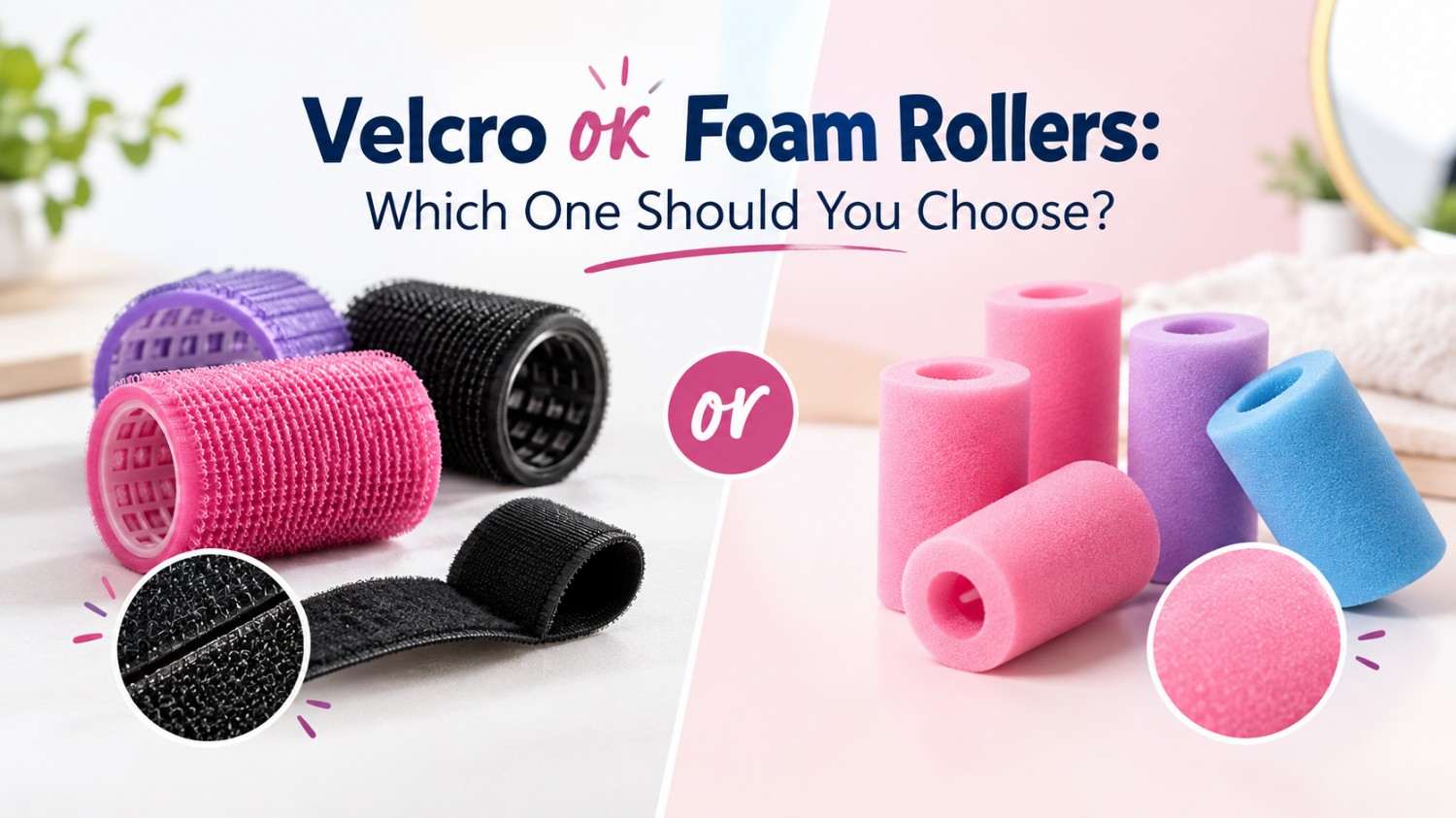
Velcro or Foam Rollers: Which One Should You Choose?
How to Choose the Right Hair Accessories for Dollar Stores
How Industries Purchase Hair Accessories
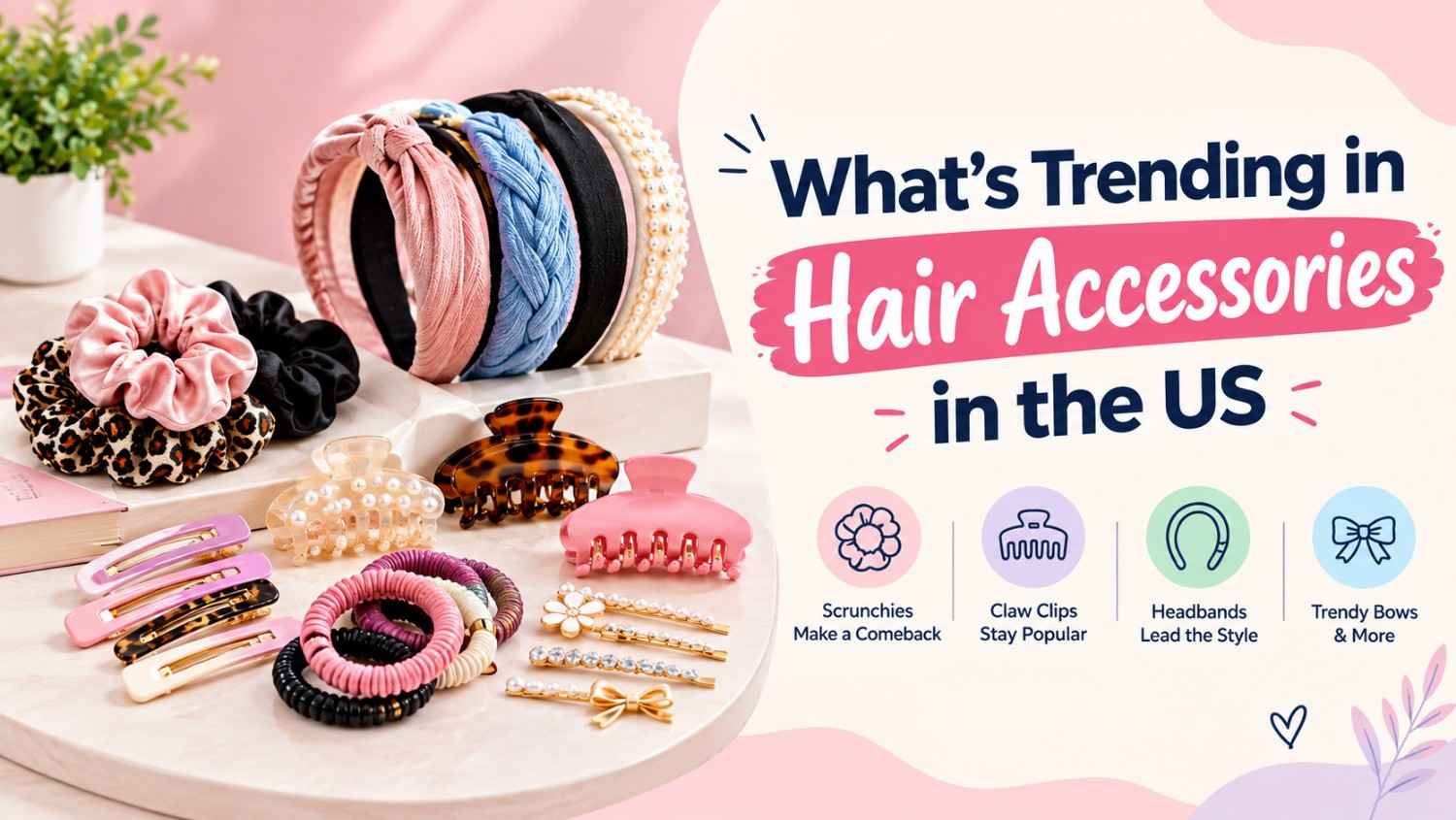
What’s Trending in Hair Accessories in the US

What Are the Benefits of Using a Wooden Comb?
Get In Touch With Bajoria Plast
Address
4593-94 Deputy Ganj, Sadar Bazar, Delhi- 110006, India