Call Us:+91 8882231160

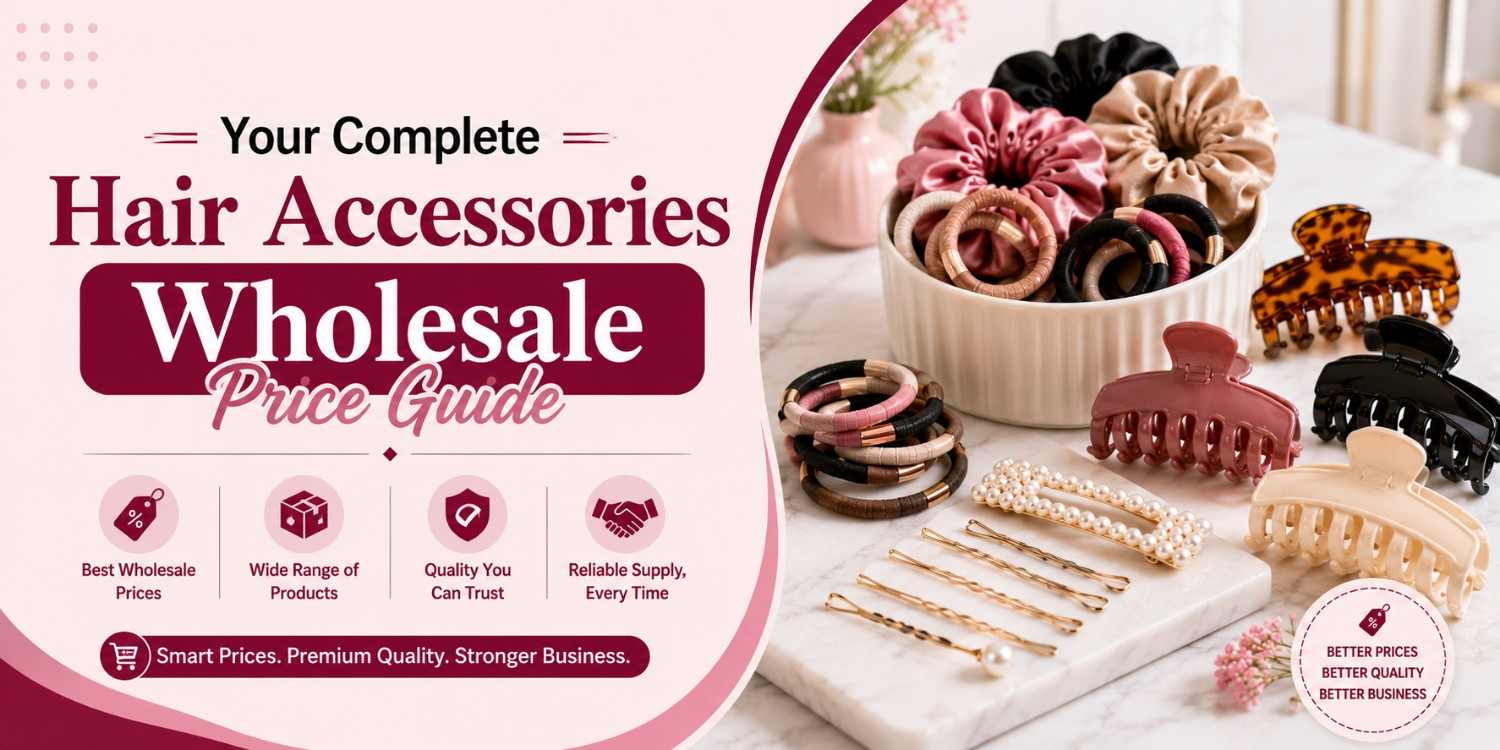
Are you planning to expand the product range of your boutique or online store? Purchasing hair accessories at wholesale prices can be a smart way to build a diverse collection of trendy, stylish, and everyday products for your customers. This guide covers everything you need to know about wholesale hair accessory pricing. You’ll learn how suppliers determine their prices, what factors affect the cost, and how to find reliable suppliers offering quality products at competitive rates. With the right sourcing strategy, you can give your customers more choices while maintaining healthy profit margins. Let’s explore how you can grow your hair accessories collection with confidence.
Wholesale pricing for hair accessories may appear complicated at first, but the basic concept is quite simple. In most cases, purchasing a larger quantity means paying a lower price per piece. Suppliers offer different pricing levels to encourage bulk orders, allowing retailers and businesses to reduce their overall purchasing costs.
This pricing structure gives you an opportunity to purchase products at competitive rates and resell them at a suitable margin. Prices can differ depending on the order quantity, accessory type, material, design, and customization requirements. Understanding these pricing levels can help you plan your purchases according to your budget, target customers, and expected sales. Before placing a bulk order, it is also useful to compare different suppliers and check the quality of their products.
The wholesale cost of Hair Accessories can vary widely depending on the product's design, material, quality, and manufacturing process. Basic accessories with simple designs are generally more affordable and work well for businesses that want to purchase large quantities. More detailed or fashionable products may cost more because they require additional materials, finishing, or craftsmanship.
For instance, a simple plastic headband may have a low wholesale price, making it suitable for bulk purchases and everyday retail collections. In comparison, a fashionable hair clip decorated with rhinestones, pearls, or other embellishments may have a higher unit price because of its detailed design and premium appearance.
This range of pricing allows retailers to create a balanced product collection. You can stock affordable everyday items for price-conscious customers while adding stylish and premium accessories for shoppers who prefer something more distinctive. To make wholesale pricing easier to understand, the table below provides typical price ranges for some popular hair accessories.
Accessory Type | Typical Wholesale Price Range (Per Unit) |
Basic Plastic Headband | $0.99 – $2.00 |
Standard Scrunchies | $1.00 – $3.00 |
Embellished Hair Clips | $5.00 – $12.00+ |
Wholesale pricing for hair accessories is usually structured to make bulk purchasing more beneficial for businesses. Many suppliers follow a tiered pricing model, where the price per piece becomes lower when you order a larger quantity. This helps retailers reduce their purchase costs and gives them more room to set profitable retail prices.
The style and type of accessory also have a direct impact on its wholesale price. For example, a simple metal hair clip may cost less than a hand-knitted headwrap decorated with rhinestones. Accessories with detailed designs often require additional materials, skilled labor, and extra production time, which can increase their overall wholesale cost.
Understanding how quantity and product style affect pricing can help you plan your inventory more effectively. You can combine affordable, fast-selling accessories with premium and distinctive pieces to create a well-rounded collection. This approach allows you to serve customers with different preferences and budgets while maintaining healthy profit margins.
Wholesale prices for hair accessories are affected by several factors, including the materials used, product design, manufacturing process, order quantity, and overall quality. A basic plastic hair clip, for example, will generally cost less than a decorative clip featuring pearls, rhinestones, or other embellishments.
Knowing what affects wholesale prices makes it easier to compare products and suppliers. It also helps you decide which accessories are worth adding to your inventory based on customer demand, product quality, and your target selling price. Let’s take a closer look at some of the major factors that influence costs.
Materials: The material used to make a hair accessory can have a major effect on its wholesale price. Products made with premium fabrics such as velvet and satin, or decorated with pearls, rhinestones, beads, and other embellishments, usually cost more than basic accessories. Higher-quality materials can also improve the product’s appearance, comfort, and durability, giving retailers an opportunity to position these products at a higher retail price.
Design Complexity: The complexity of a product is another important pricing factor. A simple metal hair clip generally requires less material and production work than an intricately designed claw clip covered with rhinestones. Products with detailed patterns, unique shapes, or decorative elements often require additional time, precision, and labor, which can increase the wholesale price. Hand-finished accessories may also cost more than mass-produced items because of the extra craftsmanship involved.
Production Methods: The manufacturing process can also influence the final cost. A basic elastic hair tie can be produced quickly using a straightforward process, while a knitted headwrap may require more time and detailed workmanship. Products that combine durable materials with careful craftsmanship often have a higher wholesale price because they offer better quality, appearance, and longevity.
Branding and customization can help your hair accessories stand out from competing products, but these services may increase the overall wholesale cost. If you choose private labeling, you are creating a unique identity for your business and presenting products under your own brand name. Suppliers may charge additional fees for custom logos, labels, designs, or other personalized requirements, which can be included in the final product cost.
Packaging can also affect your total investment. Standard bulk packaging is usually the most affordable choice and works well for businesses focused on keeping costs low. However, custom packaging such as branded boxes, product tags, pouches, or bags can increase the cost per unit. For boutiques, gift businesses, and event planners, customized packaging can add a more professional and premium touch to the customer experience.
Although branding and customization can raise your initial purchasing cost, they can provide long-term value. A consistent brand identity can improve recognition, create a professional image, and encourage customer loyalty. Before placing an order, discuss customization charges, minimum order quantities, packaging options, and setup fees with your supplier so you have a clear idea of the total cost.
Choosing the right hair accessories wholesale supplier is an important step for any growing business. A dependable supplier can provide consistent product quality, competitive pricing, timely delivery, and a wide range of styles. With numerous suppliers available across different markets, comparing your options carefully can help you find a partner that matches your business requirements.
Price should not be the only factor when selecting a supplier. Consider product quality, variety, communication, production capacity, shipping options, and customer support as well. A supplier that offers good-quality products at reasonable prices can help you maintain customer satisfaction and build a stronger business over time.
A supplier’s reputation can tell you a lot about their reliability and business practices. Check customer reviews, testimonials, product feedback, and their experience in the wholesale market before making a decision. Suppliers with a history of consistent service and positive customer experiences are generally better positioned to handle regular bulk orders.
Quality assurance is equally important when purchasing hair accessories in large quantities. Receiving low-quality products can lead to customer complaints, returns, and unnecessary losses. A reliable supplier should have proper quality-control procedures to check materials, finishing, durability, and overall product appearance.
Whenever possible, request product samples before placing a large wholesale order. Samples allow you to examine the actual quality, size, materials, colors, finishing, and craftsmanship before making a bigger investment.
When evaluating a potential hair accessories wholesale supplier, consider these important points:
After shortlisting a few reliable suppliers, it’s time to compare their wholesale offers carefully. Avoid making your decision based only on the price per piece. Look at the complete cost of your order, including shipping charges, delivery timelines, payment terms, bulk discounts, and any additional fees. Some suppliers may provide better discounts or free shipping when you place larger orders, which can make a noticeable difference to your final purchasing cost.
You should also check the supplier’s minimum order quantity (MOQ). A high MOQ can require a large upfront investment, which may not be suitable for small boutiques or businesses that are just starting out. Suppliers with lower MOQs give you more flexibility to test different designs and understand customer demand before placing larger orders.
To make the comparison easier, create a simple spreadsheet listing each supplier’s product prices, MOQ, shipping costs, delivery time, customization charges, and payment terms. This will help you compare suppliers side by side and identify the offer that provides the best combination of price, quality, flexibility, and service.
Maintaining a healthy profit margin is an important part of running a successful retail business. Buying hair accessories at competitive wholesale prices gives you greater flexibility when setting your retail prices. However, the lowest purchase price does not always mean the highest profit. You also need to consider product quality, customer demand, durability, design, and perceived value.
One effective approach is to combine affordable everyday accessories with fashionable and premium products. Popular styles with attractive designs can often command a higher retail price because customers see greater value in them. By carefully selecting products and monitoring what sells well, you can build an inventory that supports both customer satisfaction and profitability.
Keeping up with current hair accessory trends can help attract shoppers and create opportunities for better resale margins. Products with fashionable designs, unique details, or premium finishes often have a higher perceived value than basic accessories. This can give retailers more flexibility when setting their selling prices.
Embellished accessories, for example, can work well for both everyday styling and special occasions. A simple hairstyle can instantly look more stylish with a sparkling or decorative hair accessory, making these products attractive to customers who are willing to spend more on appearance and design.
Consider adding these popular styles to your inventory:
For boutique owners, finding affordable hair accessories without sacrificing style or quality is important for maintaining healthy profit margins. The aim is to create an appealing product range that meets customer expectations while keeping purchasing costs under control. Start with versatile accessories that customers can use for everyday styling, parties, work, or special occasions.
Basic plastic headbands, simple metal hair clips, scrunchies, and other everyday accessories can be cost-effective choices for your inventory. Buying these products in bulk can help reduce the per-unit cost and give you more flexibility when setting your retail prices. These affordable staples can form the foundation of your collection and attract customers who want practical and stylish accessories at reasonable prices.
However, affordability should not mean compromising on comfort or durability. Check the material, finishing, strength, and overall quality before placing a large order. A combination of affordable everyday products and a few fashionable or premium pieces can help you create a balanced collection that appeals to different customer preferences and budgets.
If you want your products to stand out in a competitive market, custom branding and private labeling can be valuable options. These services allow businesses to sell hair accessories under their own brand name instead of offering generic products. A recognizable brand identity can help build customer trust, encourage repeat purchases, and make your products easier to remember.
Many wholesale hair accessory suppliers offer customization services, depending on their capabilities and order requirements. You may be able to add your logo, select specific colors, customize packaging, or develop unique product designs. Personalized details can give your collection a more professional appearance and help create a consistent brand experience.
Getting started with custom designs or private labeling is usually simple. First, contact your preferred wholesale supplier and ask about their customization and private-label services. Clearly explain what you need and ask about available options, pricing, production timelines, and minimum order quantities.
When submitting your requirements, provide as much useful information as possible. This may include your brand logo, preferred colors, packaging preferences, product specifications, reference images, or design sketches. The supplier can then review your ideas and confirm what can be produced.
Keep in mind that custom orders often have higher minimum order quantities than standard products because they require additional production, setup, packaging, and printing work. Ask for a complete quotation before confirming your order so you understand all costs involved.
Although customized products require more planning and investment, they can help you create a distinctive product line that reflects your brand. Working with an experienced supplier can make the process easier and help turn your ideas into quality hair accessories that your customers can recognize and trust.
Customization can offer several advantages for businesses that want to grow their hair accessories brand. One of the biggest benefits is brand differentiation. Since the market has many similar products, selling accessories with your own branding and designs can help your business stand apart. Unique products are easier for customers to recognize and can encourage them to return to your brand.
Customized products can also create a higher perceived value. When you have greater control over the product design, materials, finishing, and packaging, you can create accessories that match your customers’ expectations. Consistent quality helps build trust, while designs created specifically for your target audience can improve customer interest and sales.
Another advantage of private labeling is greater control over pricing. Instead of selling the same generic products available from multiple retailers, you can create a distinctive product range under your own brand. This allows you to develop your pricing strategy based on your product quality, branding, target market, and overall value.
In the long run, customization can help strengthen brand recognition, encourage customer loyalty, and create a more memorable presence in the hair accessories market.
If you are searching for quality hair accessories at competitive wholesale prices, Bajoria Plast provides an all-in-one OEM/ODM solution designed to support different business requirements.
Understanding wholesale pricing is an important step for businesses that want to purchase hair accessories while maintaining healthy profit margins. Knowing how quantity, materials, designs, production methods, customization, and packaging affect prices can help you make smarter purchasing decisions.
Choosing a reliable supplier is equally important. Before placing a bulk order, compare product quality, pricing, minimum order quantities, shipping terms, customization options, and customer service. You can also consider private labeling to create a unique product range and strengthen your brand identity.
With the right products and supplier, wholesale hair accessories can help you expand your inventory, meet changing customer preferences, and create new opportunities for business growth. If you are planning your next wholesale order, compare your options carefully and choose products that offer the right balance of quality, price, style, and resale potential.
The minimum order quantity (MOQ) varies from one wholesale supplier to another. Some suppliers set a minimum number of pieces, while others require a minimum order value. MOQs can also depend on the product type, customization requirements, and packaging. Before placing an order, always confirm the supplier’s MOQ and whether smaller trial orders are available.
Yes, comparing several suppliers is a smart way to understand wholesale pricing and find the right option for your business. Check product prices along with shipping charges, MOQs, product quality, delivery times, customization costs, payment terms, and supplier reputation. Looking at the complete cost rather than just the unit price can help you choose a better overall deal.
Many wholesale suppliers offer customization and private-label services, although the available options vary. Depending on the supplier, you may be able to customize product designs, colors, logos, labels, packaging, or create exclusive accessories. Custom orders often have different MOQs and additional setup or production costs, so it is best to discuss all requirements with the supplier before confirming an order.

Buying Plastic Combs in Bulk at Low Cost: A Smart Buyer’s Guide
Private Label Hair Accessories: A Practical Guide to Retail Success
Plastic vs. Metal Hair Combs: A Smart Comparison for Wholesale Buyers
Plastic vs. Wooden Combs for Retail: Making the Right Choice?
Are Plastic Combs Profitable for Dollar Stores?

Hair Accessories for Amazon FBA: Smart Sourcing Strategies for Sellers
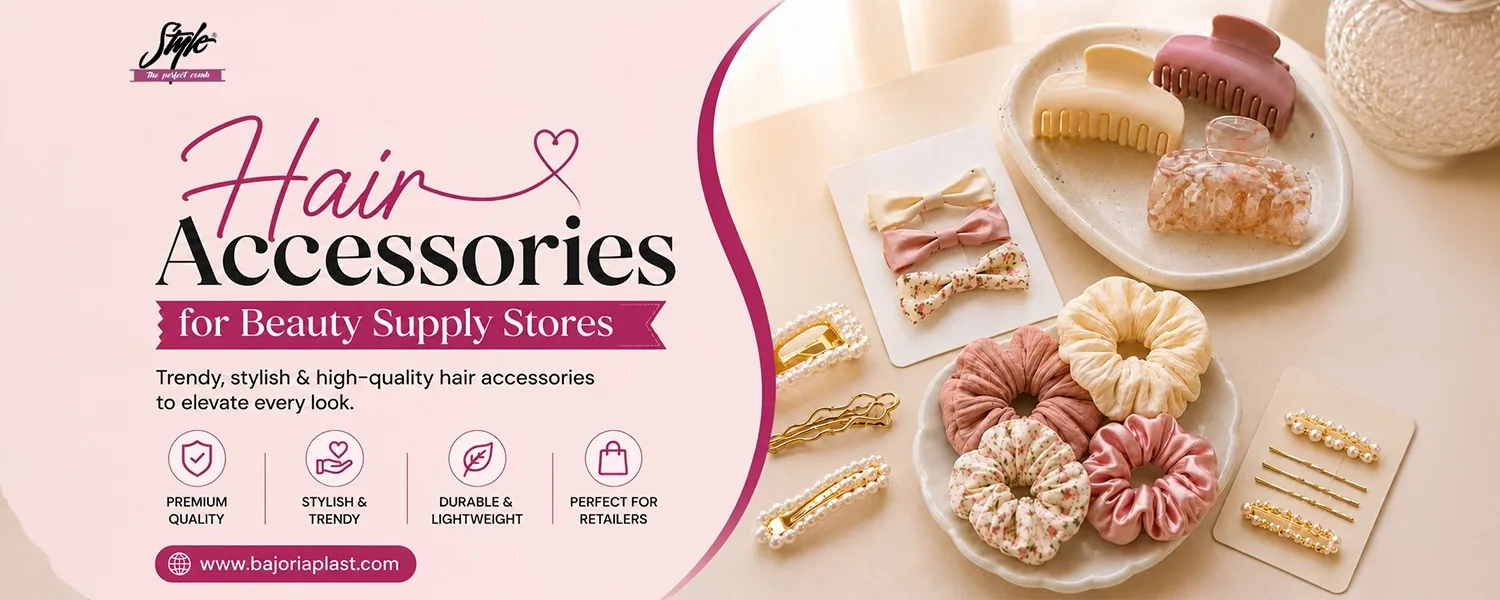
Hair Accessories for Beauty Supply Stores
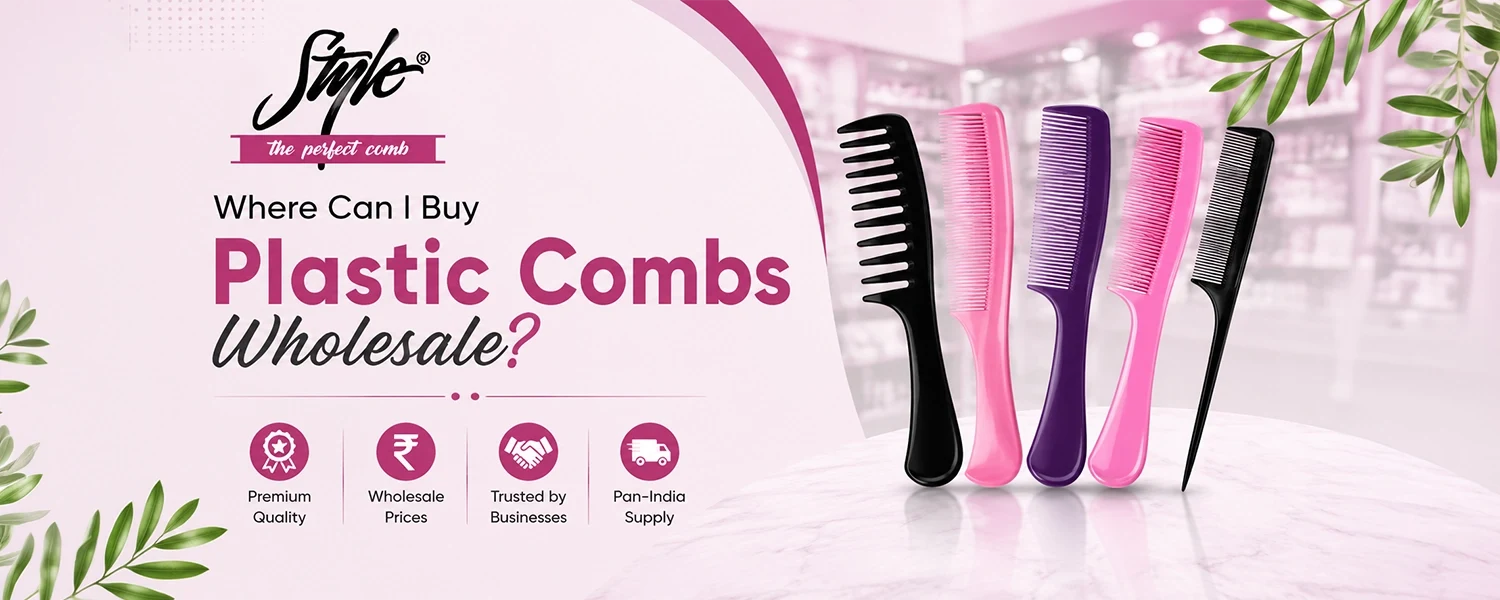
Where Can I Buy Plastic Combs Wholesale?

Hair Accessories for Dollar Stores – Custom & Reliable
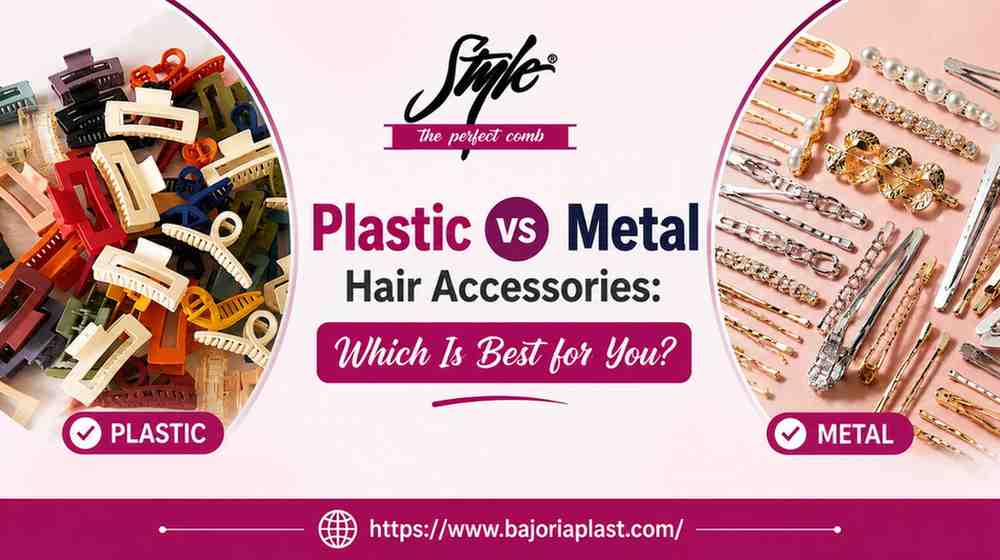
Plastic vs Metal Hair Accessories: Which Is Best for You?
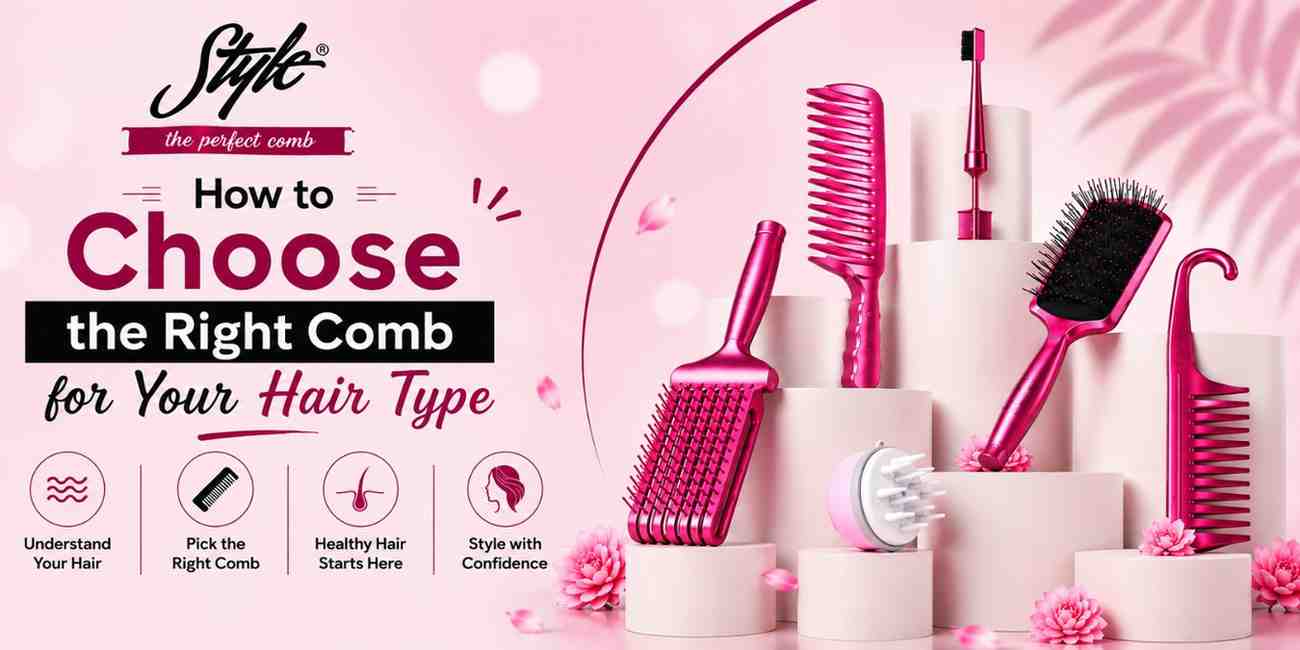
How to Choose the Right Comb for Your Hair Type
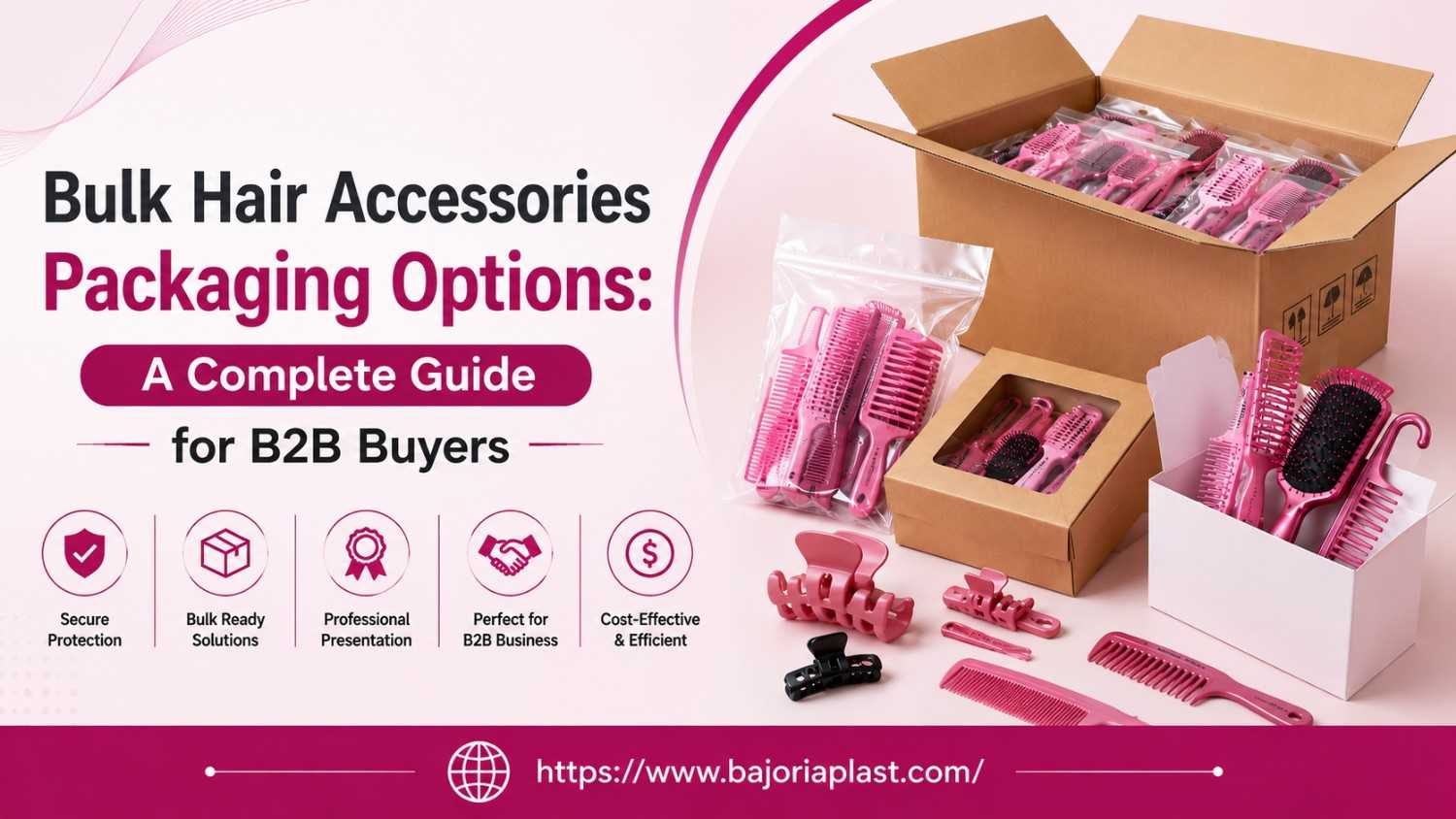
Bulk Hair Accessories Packaging Options: A Complete Guide for B2B Buyers
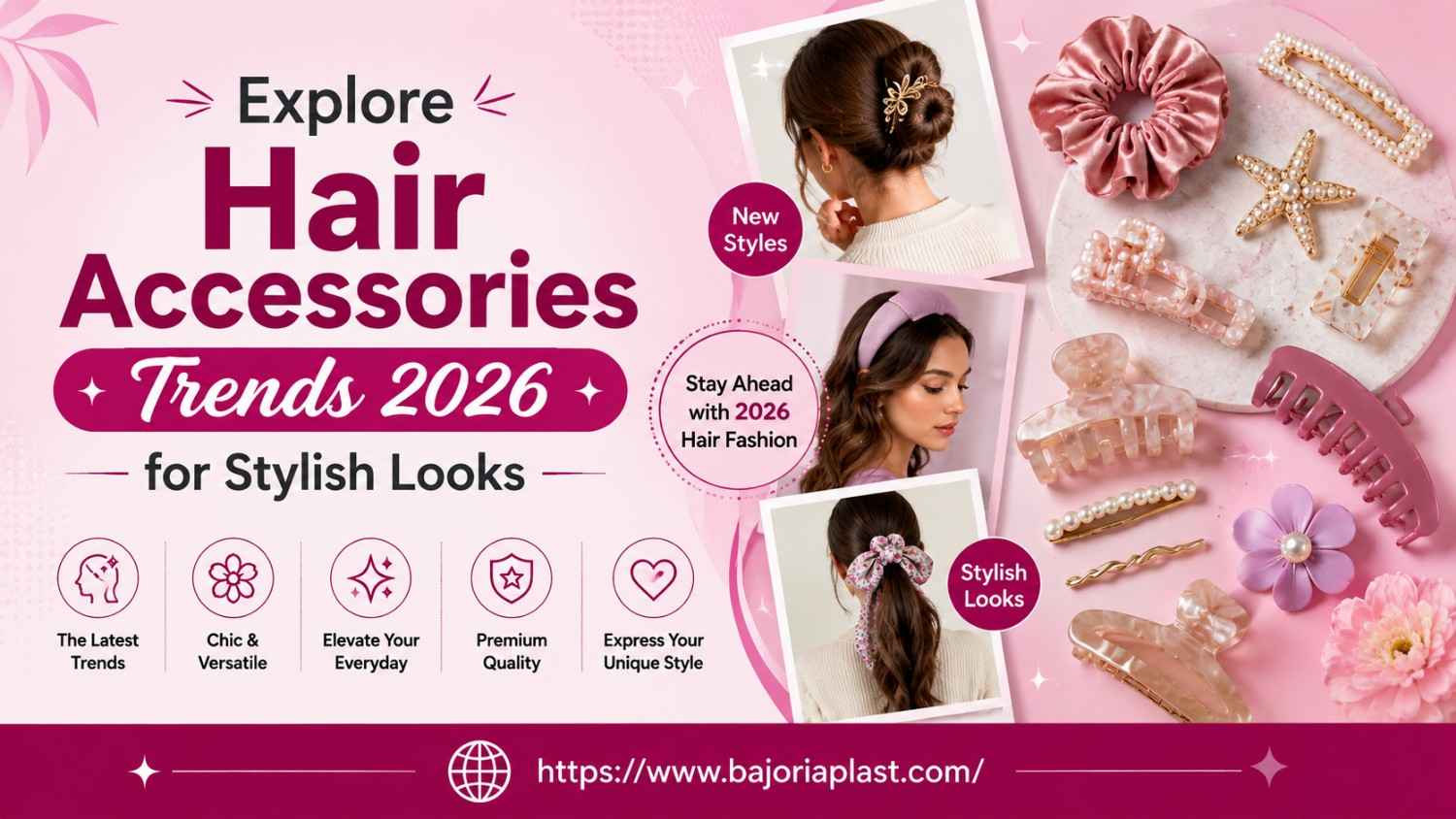
Explore Hair Accessories Trends 2026 for Stylish Looks
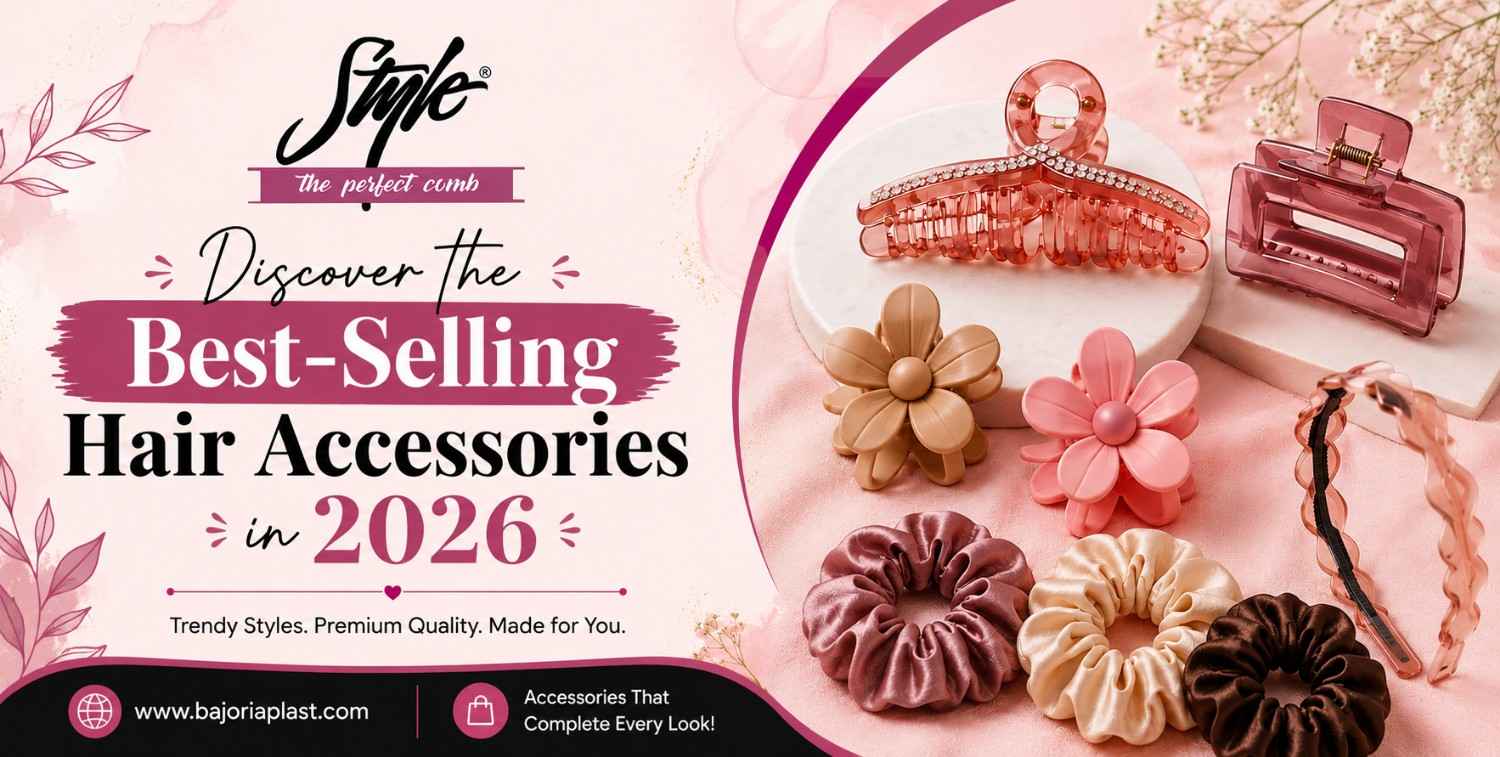
Discover the Best-Selling Hair Accessories in 2026
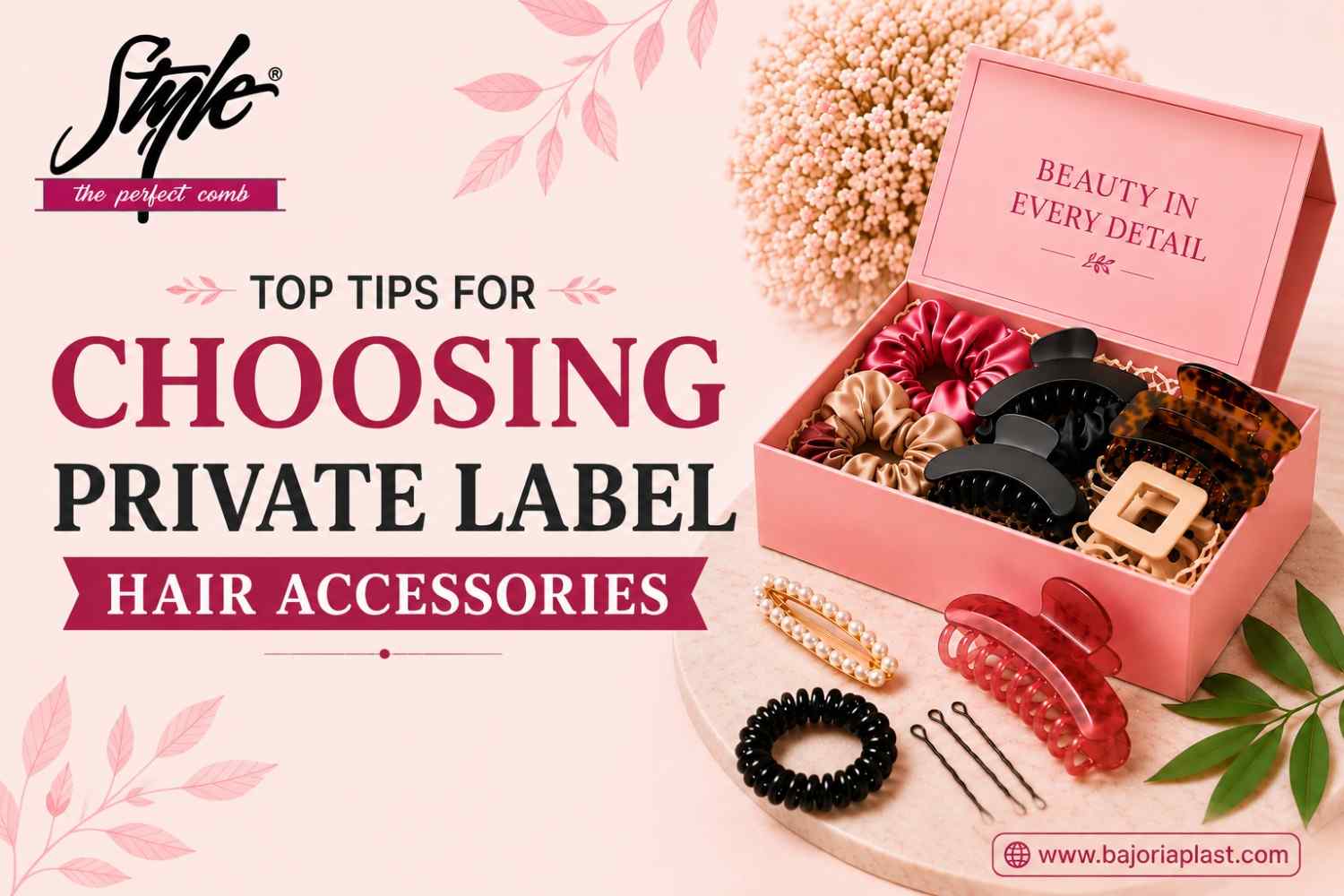
Top Tips for Choosing Private Label Hair Accessories
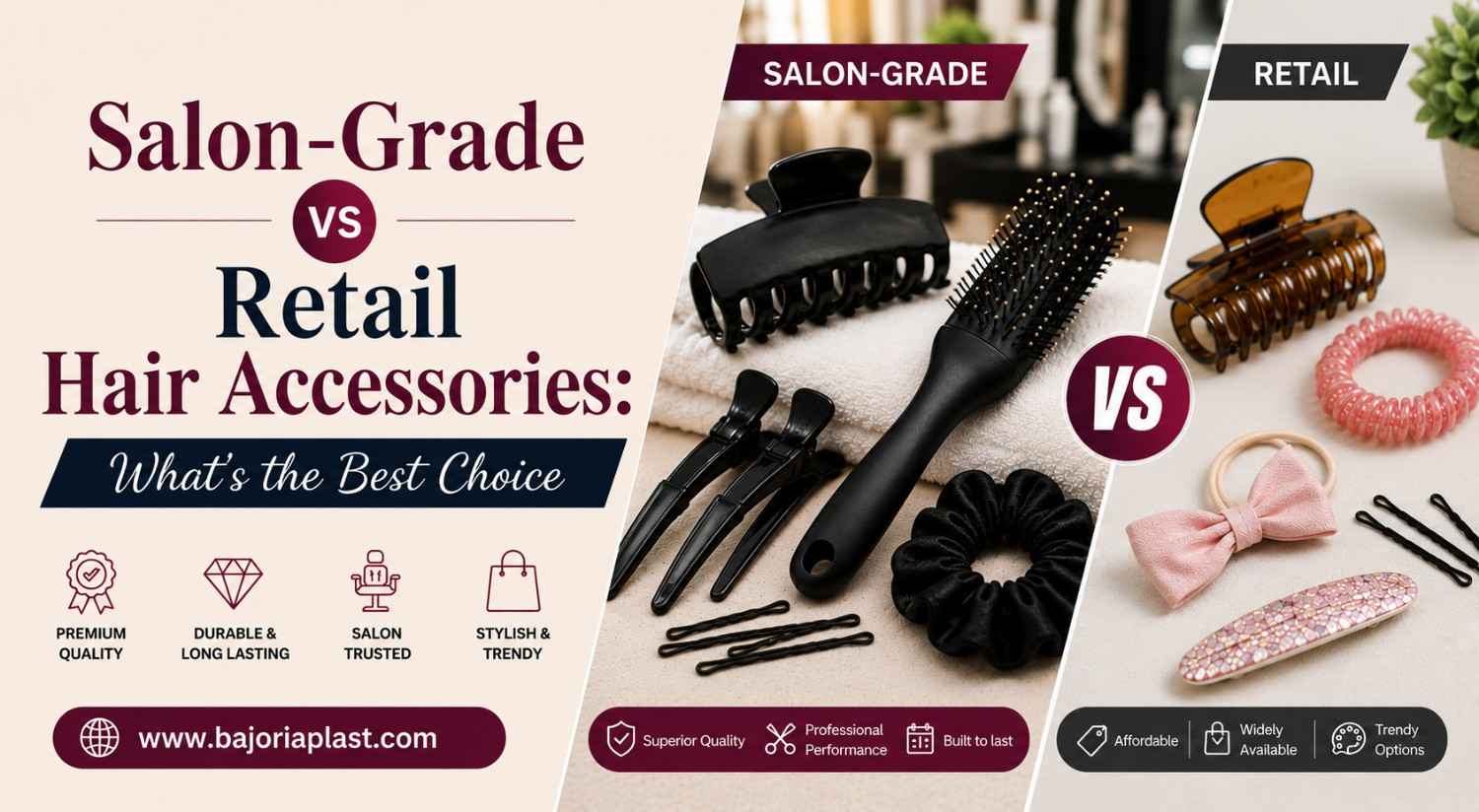
Salon-Grade vs Retail Hair Accessories: What’s the Best Choice?
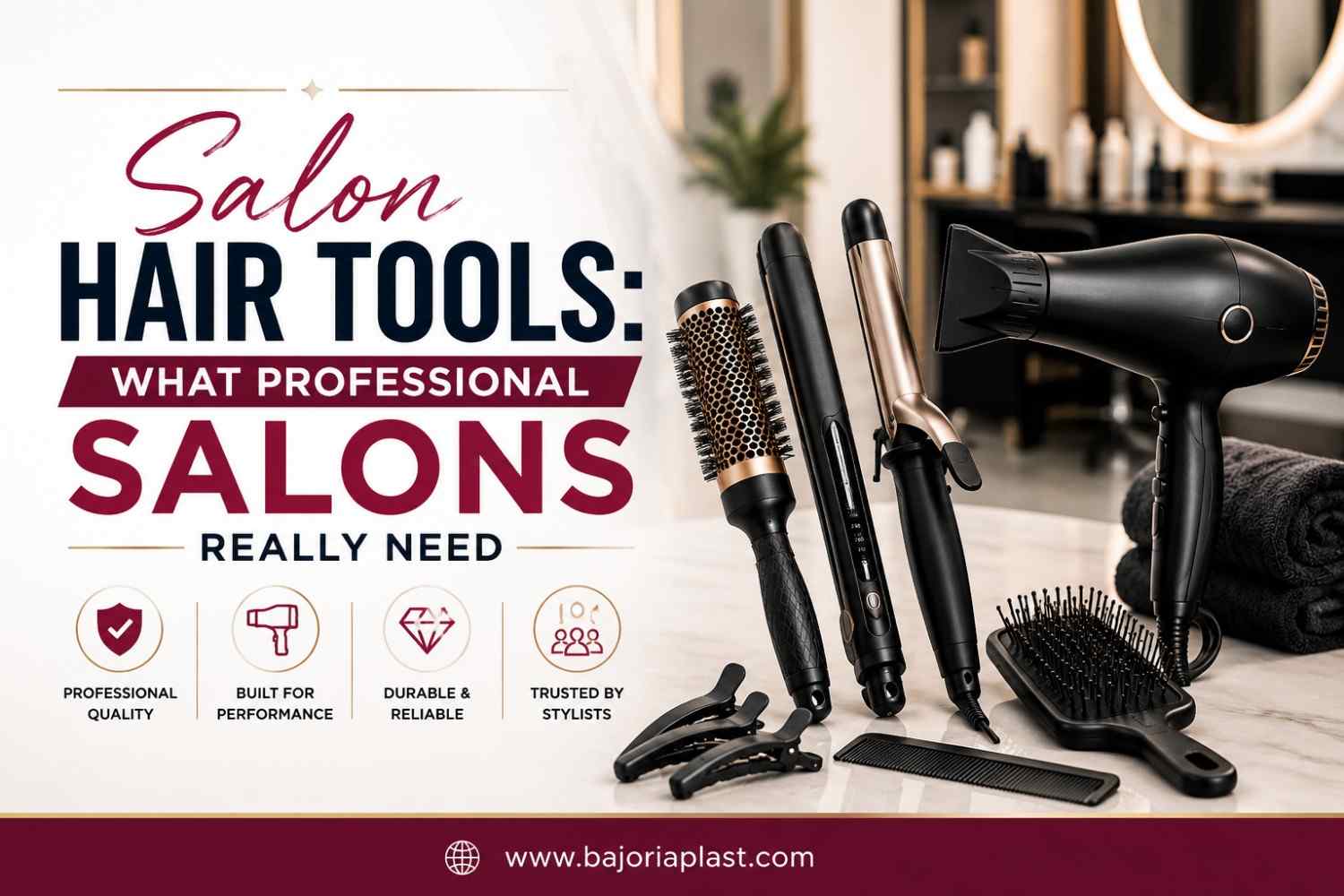
Salon Hair Tools: What Professional Salons Really Need
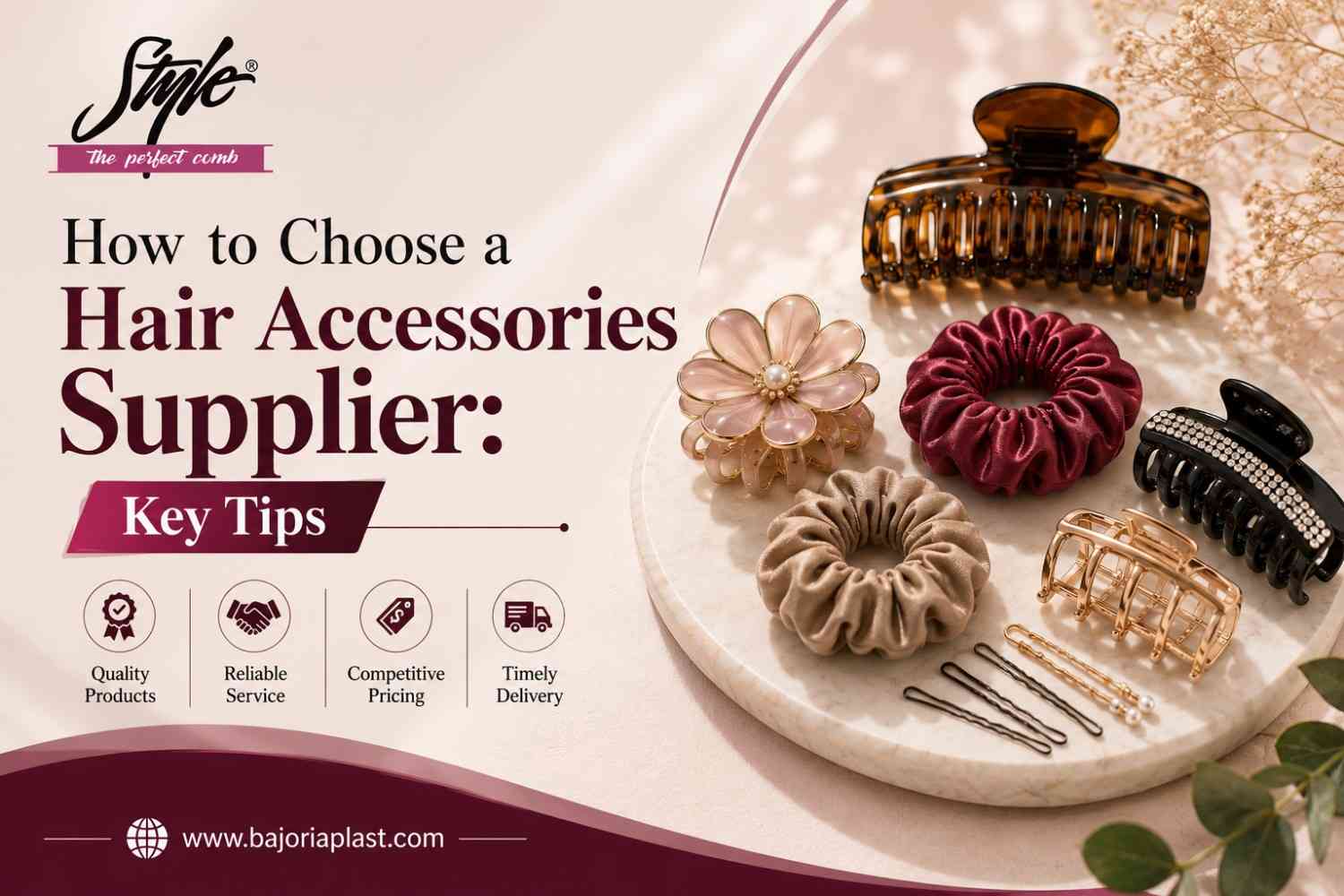
How to Choose a Hair Accessories Supplier: Key Tips
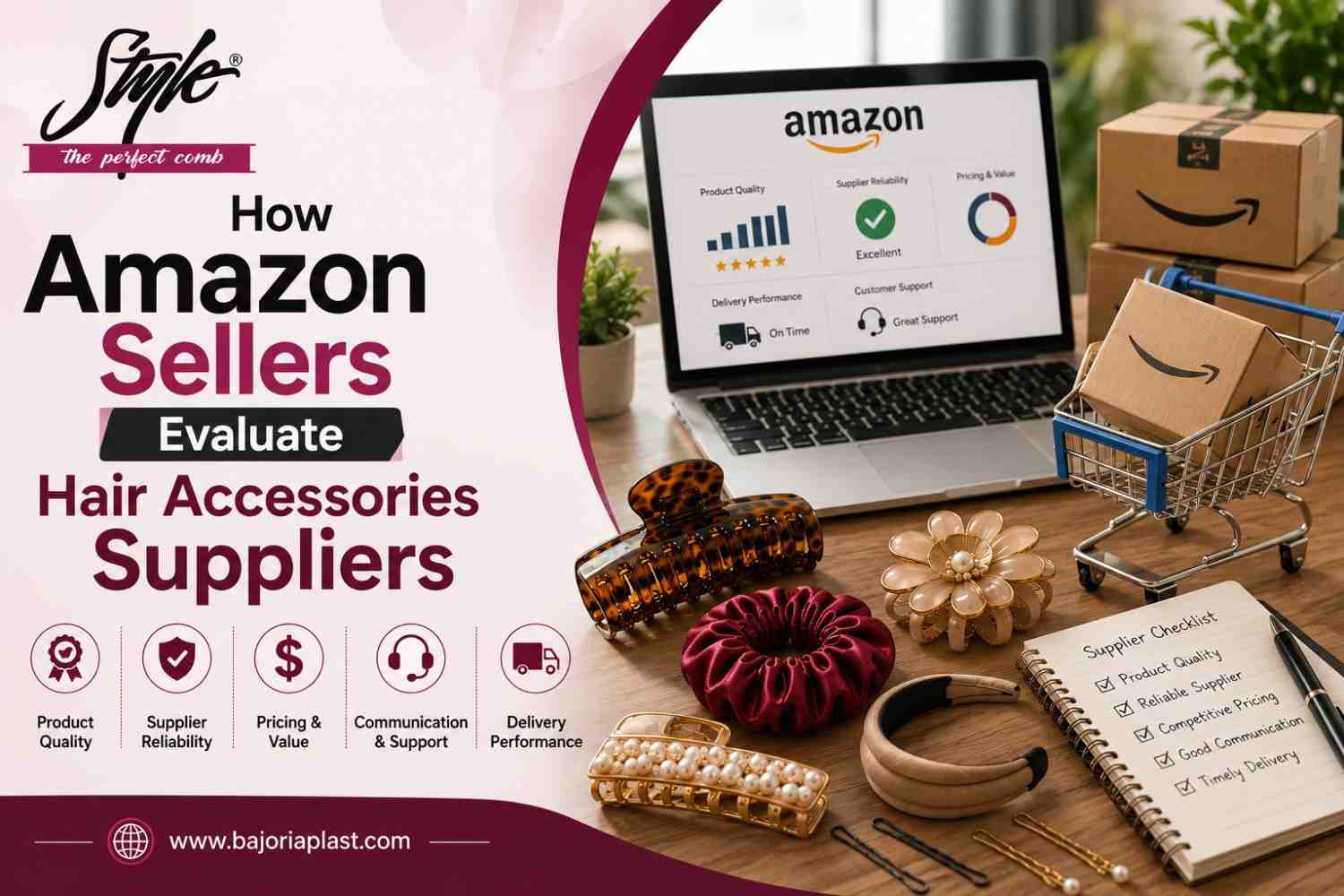
How Amazon Sellers Evaluate Hair Accessories Suppliers
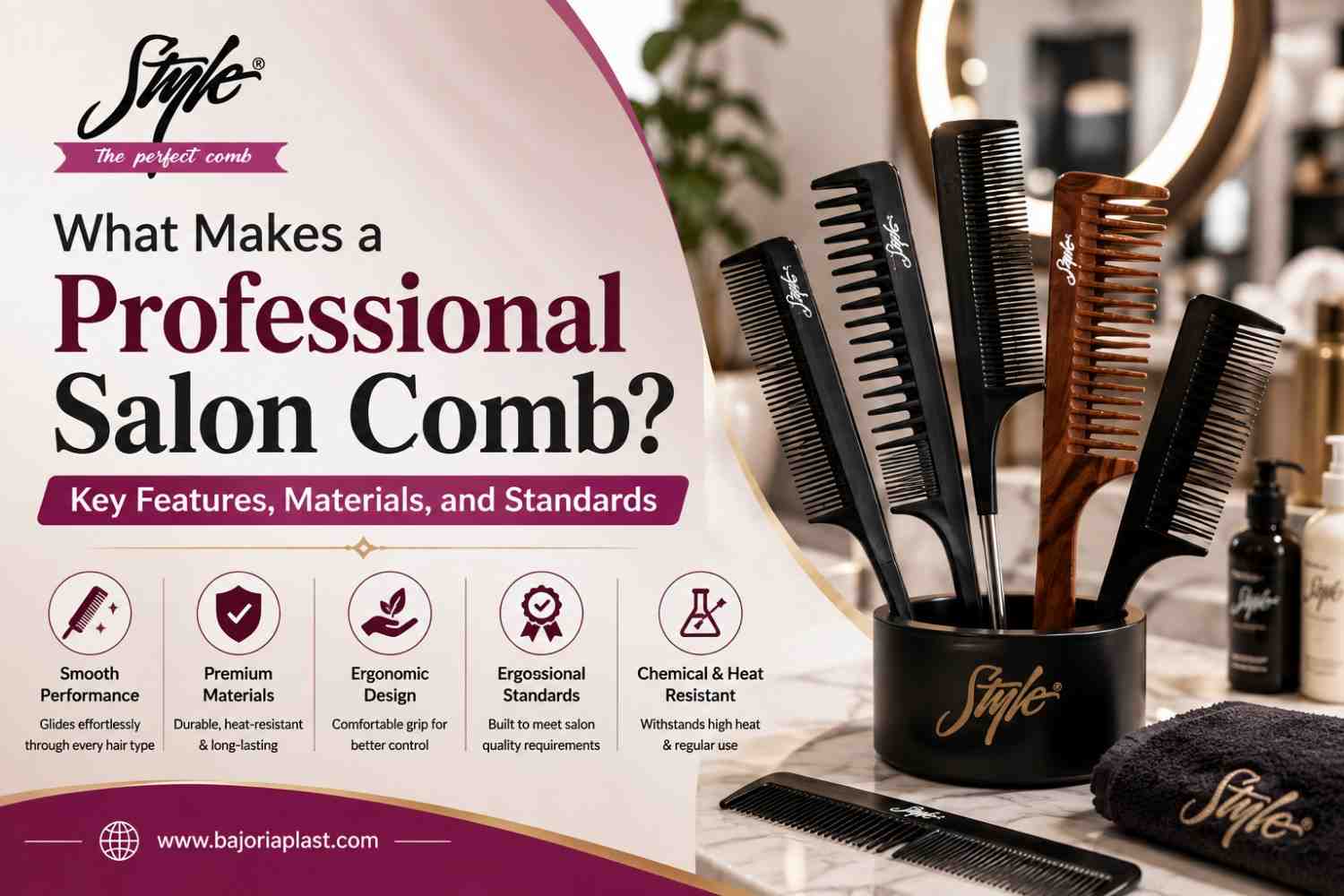
What Makes a Professional Salon Comb? Key Features, Materials, and Standards
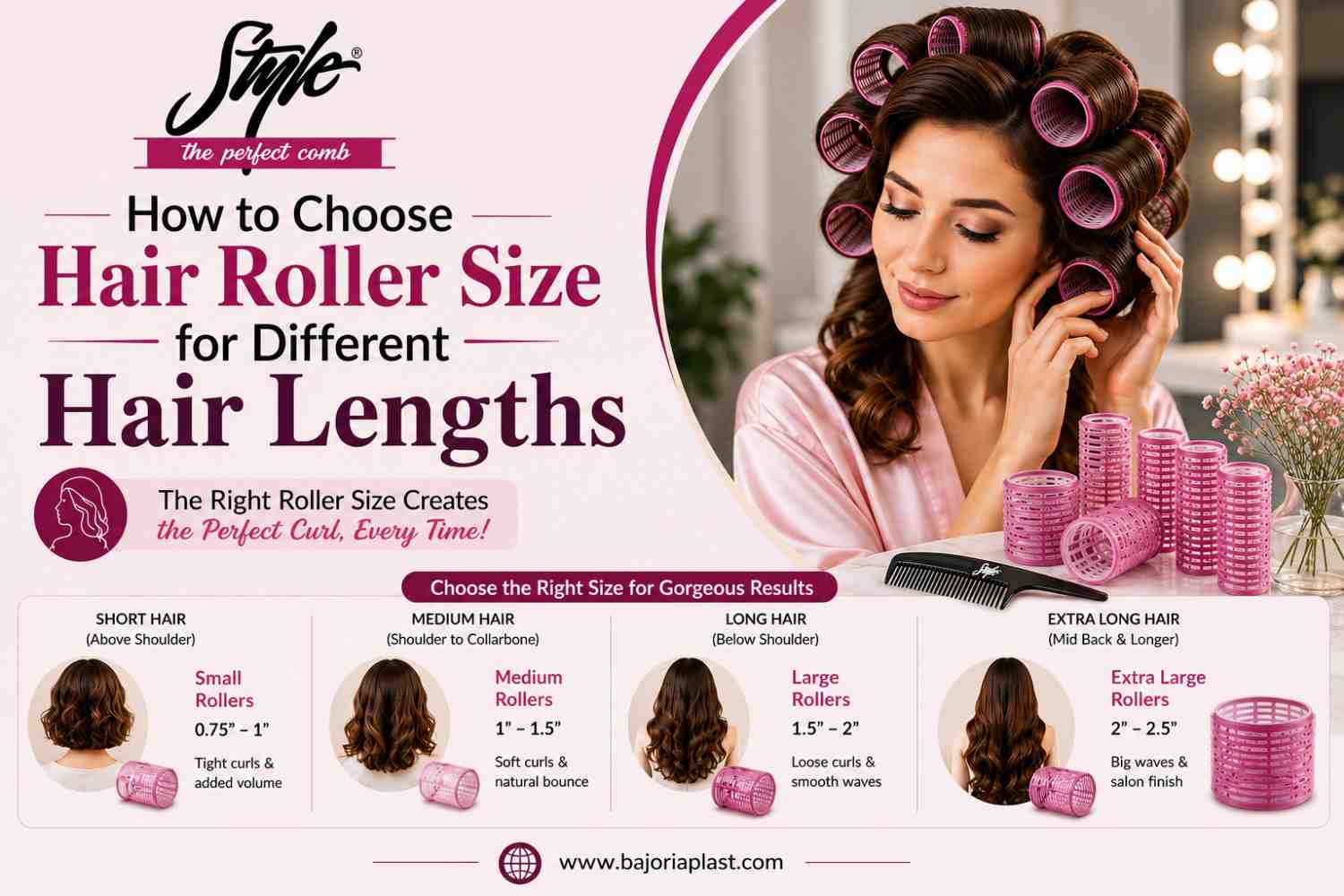
How to Choose the Right Hair Roller Size for Every Hair Length
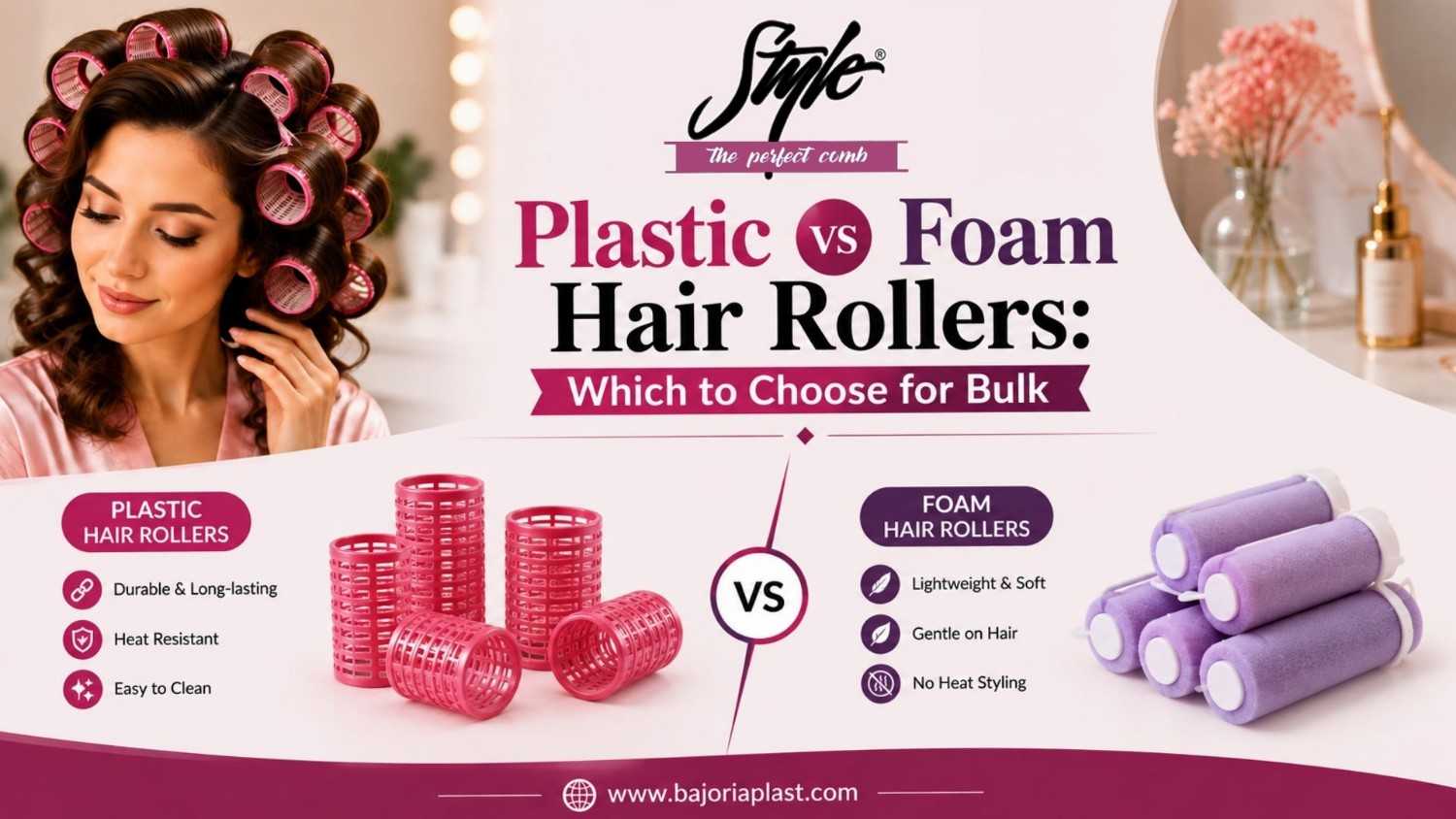
Plastic vs Foam Hair Rollers: Which to Choose for Bulk?
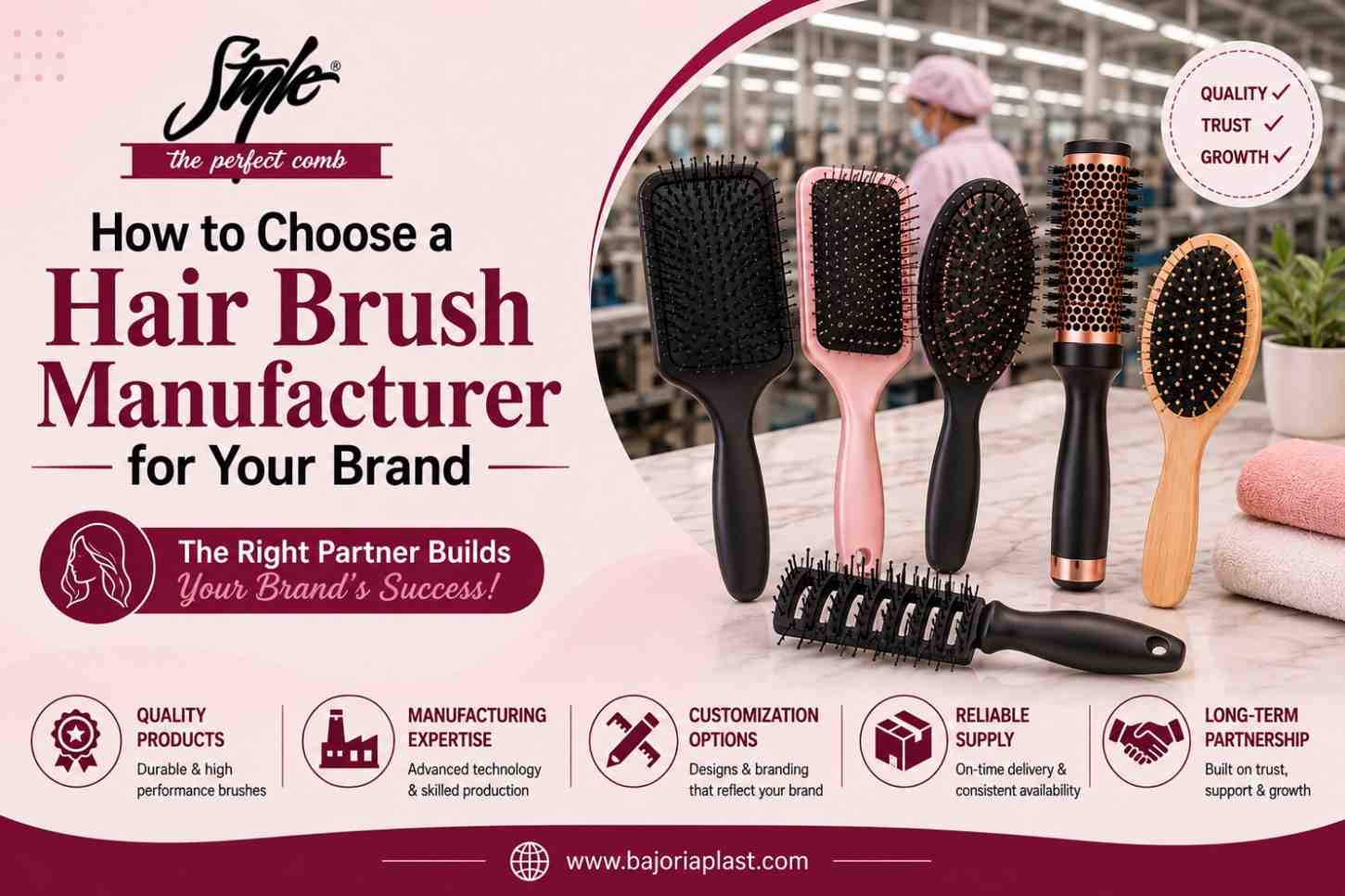
How to Choose a Hair Brush Manufacturer for Your Brand
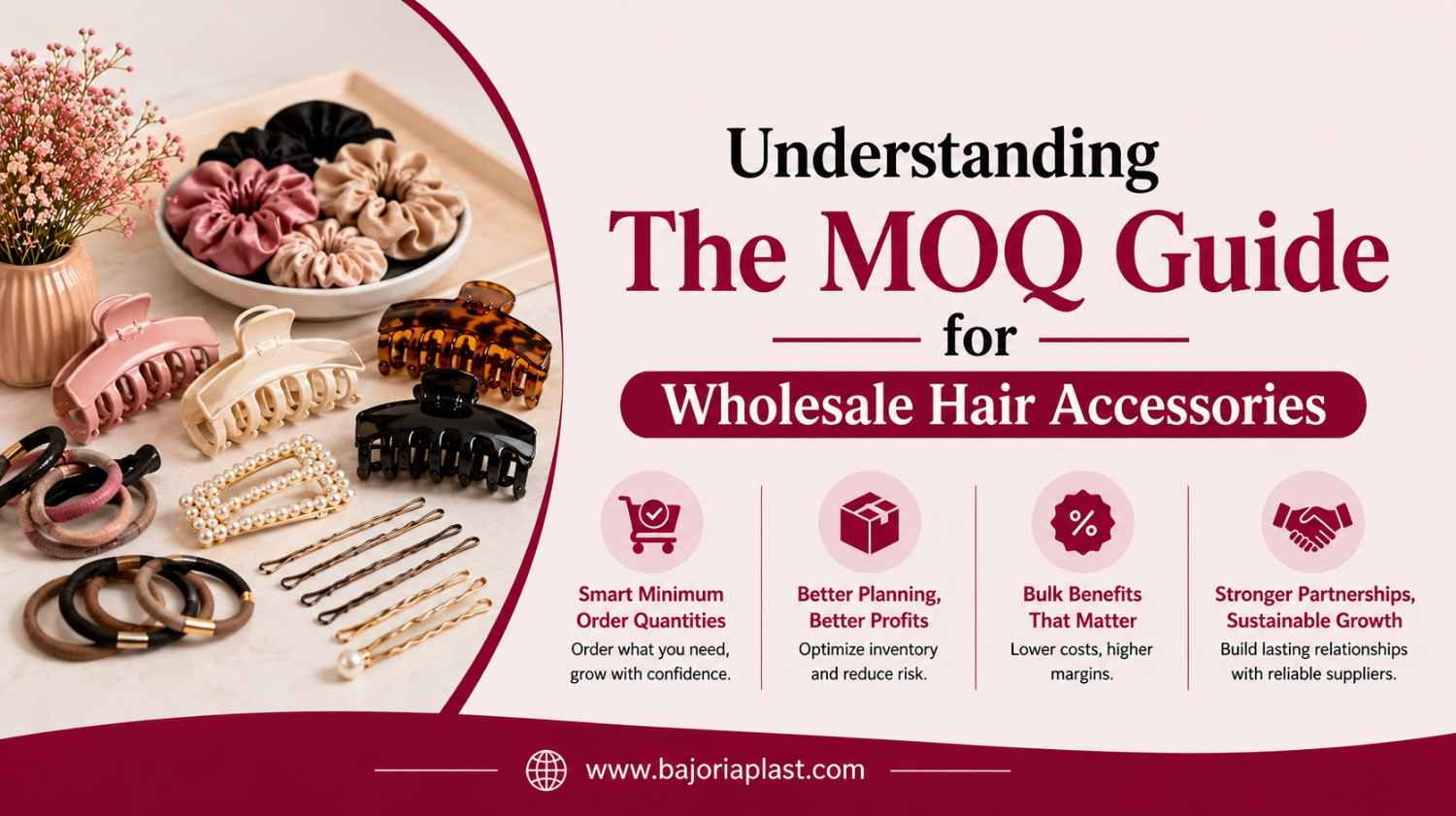
Understanding The MOQ Guide for Wholesale Hair Accessories
Your Complete Hair Accessories Wholesale Price Guide
Velcro or Foam Rollers: Which One Should You Choose?
How to Choose the Right Hair Accessories for Dollar Stores
How Industries Purchase Hair Accessories
What’s Trending in Hair Accessories in the US
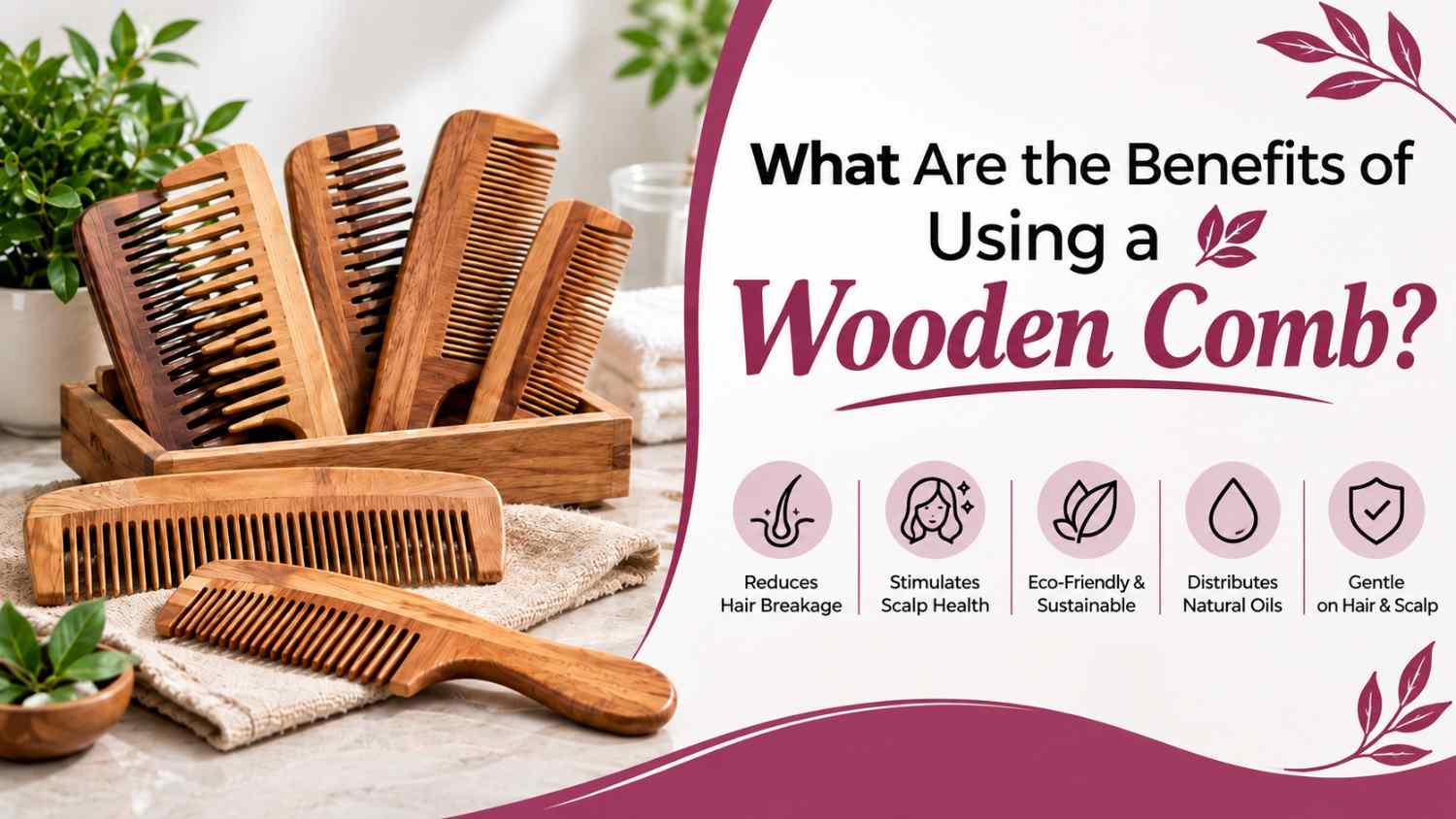
What Are the Benefits of Using a Wooden Comb?
Get In Touch With Bajoria Plast
Address
4593-94 Deputy Ganj, Sadar Bazar, Delhi- 110006, India