Call Us:+91 8882231160


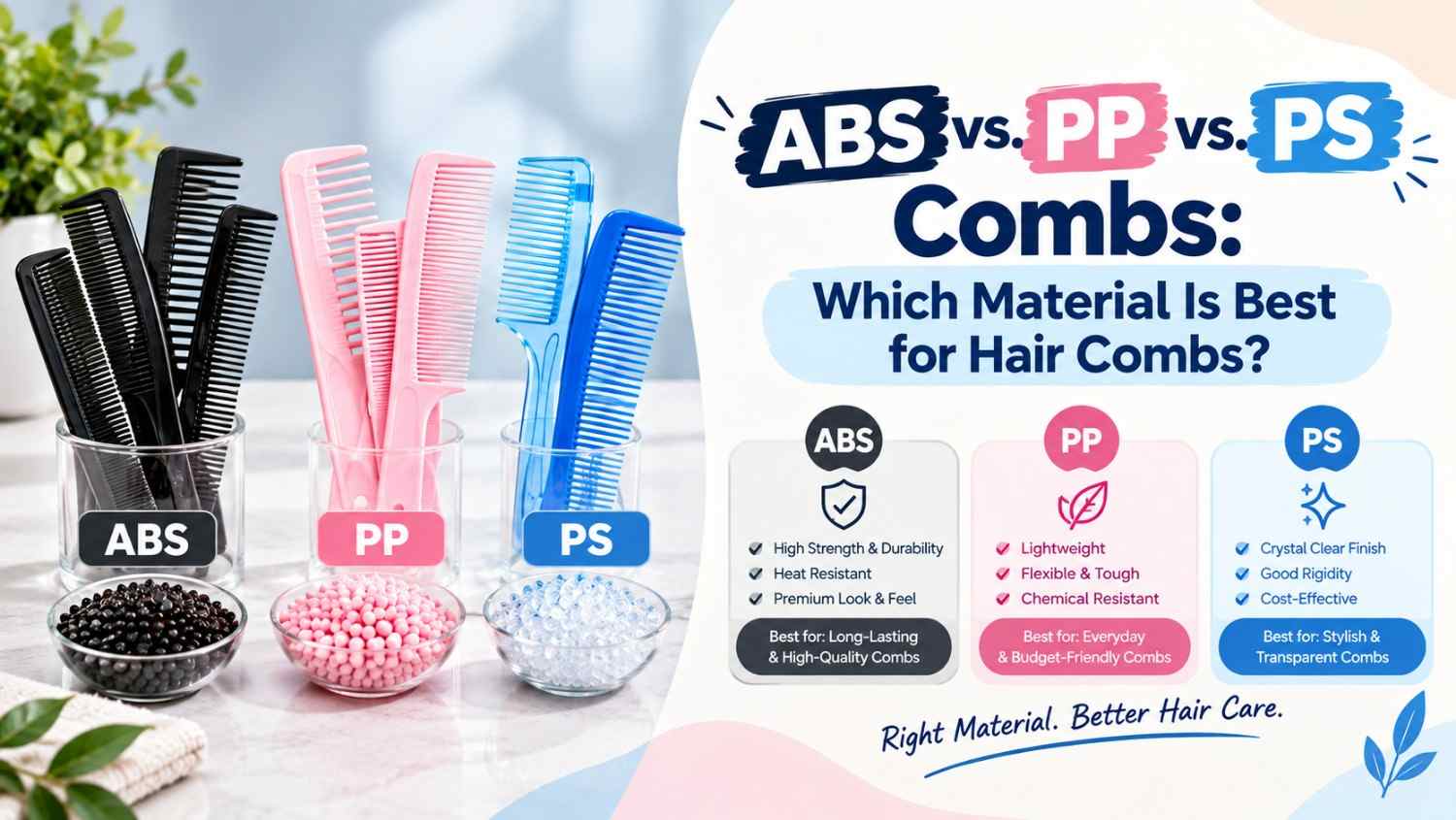
Choosing the right plastic material is essential in hair comb manufacturing because it affects durability, flexibility, appearance, and overall product performance. For international buyers, retailers, and private-label brands, material selection also influences production costs, product positioning, and customer satisfaction.
ABS, PP, and PS are commonly used plastics in comb manufacturing, each offering different advantages. Understanding their properties helps businesses select materials that meet their product requirements, budget, and target market.
Bajoria Plast offers plastic comb manufacturing and OEM/ODM customization solutions, helping businesses evaluate material options according to comb design, finishing requirements, and intended use.
Each material has distinct characteristics that influence the performance, appearance, and cost of a finished comb. Selecting the right option helps brands balance functionality, aesthetics, and affordability.
ABS is a rigid thermoplastic known for its impact resistance, dimensional stability, and smooth surface finish. It is commonly considered for premium and professional-style combs that require a sturdy structure and attractive appearance.
ABS supports finishing options such as spray painting, electroplating, silk-screen printing, and decorative printing, depending on the product design and process requirements. It is suitable for customized combs that require distinctive colors, glossy surfaces, or metallic effects.
PP is a lightweight, flexible, and cost-effective plastic widely used for everyday grooming products. Its flexibility allows comb teeth to bend under pressure, making it a practical option for detangling combs, shower combs, and wide-tooth designs.
PP also offers good resistance to moisture and many chemicals. These properties make it suitable for daily-use combs and products intended for humid environments.
PS is a rigid plastic often considered for economical combs and products where affordability and shape retention are priorities. It can produce smooth surfaces and detailed molded designs.
However, standard PS is generally more brittle than PP and ABS, which can increase the risk of cracking under impact or excessive bending. It is better suited to applications where the product design and expected usage do not demand high flexibility.
Understanding the differences between ABS, PP, and PS helps businesses select materials according to durability, flexibility, heat resistance, appearance, and budget.
Durability determines how well a comb withstands everyday handling and repeated use.
PP is a practical choice when flexibility is important, while ABS is suitable when a firmer structure and refined finish are priorities.
Flexibility influences how a comb responds to pressure during grooming.
PP is generally the most flexible of these three materials and is useful for detangling and wide-tooth combs. ABS offers greater rigidity with some functional flexibility, while standard PS is comparatively brittle.
The final user experience also depends on tooth spacing, tooth shape, surface smoothness, and overall comb design. Material alone does not determine whether a comb will glide comfortably through hair.
Heat resistance is important when combs are used in salons or near styling equipment. PP generally offers good resistance to moisture and many chemicals, while ABS provides a balance of rigidity and heat performance. Standard PS has more limited tolerance for heat and mechanical stress.
Actual temperature limits depend on the material grade, additives, manufacturing process, and duration of exposure. Buyers should confirm the selected grade's technical specifications before using a comb in high-temperature applications.
ABS is a suitable option for combs requiring premium finishes, decorative effects, or customized branding.
PP can produce attractive molded products, but its relatively low surface energy can make painting and printing more challenging without appropriate surface treatment.
PS can provide a smooth, rigid finish, making it suitable for simple designs where cost is a major consideration.
For complex decorative requirements, the material and finishing process should be evaluated together during product development.
Material costs vary according to grade, market conditions, product design, and order quantity.
For large-volume orders, businesses should compare the complete manufacturing cost, including material, molding, finishing, packaging, and quality control.
The environmental impact of a comb depends on its material composition, manufacturing process, durability, and end-of-life disposal.
PP and ABS can be recyclable where suitable collection and processing facilities exist. PS recycling availability varies by location and local infrastructure.
Businesses interested in more sustainable products can explore recycled plastics, including post-consumer recycled (PCR) materials, subject to availability and product requirements. Environmental claims should be supported by appropriate material documentation and certifications.
No single plastic material is ideal for every comb design. The right choice depends on the intended use, required flexibility, tooth structure, finishing requirements, and target market.
Detangling combs benefit from flexibility because the teeth may encounter resistance when passing through tangled hair.
PP is a practical option because it can flex under pressure. ABS may be considered for designs requiring a firmer structure, while standard PS is generally less suitable for applications involving repeated bending.
Recommended material: PP
Alternative: ABS for designs requiring greater rigidity.
Salon combs often require precise tooth alignment, a sturdy structure, and a comfortable grip. ABS is a suitable option for many styling combs because of its rigidity, impact resistance, and finishing versatility.
PP can work well for flexible, wide-tooth designs. Material suitability for use near heated styling tools should be confirmed against the specific grade's temperature limits.
Recommended material: ABS for rigid styling designs.
Alternative: PP for flexible comb designs.
Pocket combs and promotional products often prioritize compact design and cost efficiency.
PS can be considered for economical combs intended for occasional use. PP offers an alternative for products where flexibility and repeated handling are important, while ABS may suit premium promotional collections.
Recommended material: Depends on the balance between cost and durability.
Alternative: PP for improved flexibility.
Shower and wide-tooth combs need to perform well in wet conditions and during detangling.
PP is a strong option because of its low moisture absorption, flexibility, and resistance to many common chemicals. ABS may also be suitable depending on the design and intended use.
Recommended material: PP
Alternative: ABS for designs requiring a more rigid structure.
Premium combs may require metallic effects, glossy coatings, decorative printing, or customized branding.
ABS is commonly considered for these applications because it supports a variety of surface treatments. PP may require additional surface preparation for certain finishes, while PS is better suited to designs that do not demand high impact resistance.
Recommended material: ABS for many decorative designs.
Key consideration: Confirm finishing compatibility with the selected material and production process.
Material selection affects more than the finished comb. It also influences mold design, shrinkage, production settings, surface finishing, and quality control.
ABS, PP, and PS behave differently during injection molding. Their flow characteristics, cooling behavior, and shrinkage rates influence mold dimensions and final product accuracy.
PP generally has a higher molding shrinkage rate than ABS and PS, so the mold design must account for the selected grade and production conditions. Actual shrinkage values vary by formulation, part geometry, and processing parameters.
Manufacturers should evaluate tooth spacing, wall thickness, gate placement, and cooling requirements to achieve consistent results.
Production cycle time depends on material properties, product thickness, mold design, cooling conditions, and machine settings.
PP can be suitable for high-volume production because it is lightweight and widely used in injection molding. ABS and PS also support efficient manufacturing when processing conditions are appropriately controlled.
Rather than relying on a fixed cycle-time comparison, buyers should request production estimates based on their specific comb design and order quantity.
Surface finishing influences the appearance and branding opportunities available for each material.
Finishing Method | ABS | PP | PS |
Spray painting | Generally suitable with the correct coating system | May require surface treatment | Depends on coating compatibility |
Electroplating | Suitable with an appropriate process | Requires specialized preparation | Grade and process dependent |
Heat-transfer printing | Depends on the material and process | May require surface preparation | Depends on the printing system |
Silk-screen printing | Generally suitable | May require surface treatment or suitable inks | Generally suitable with compatible inks |
The final choice should be confirmed through material testing and finishing trials before bulk production.
Businesses can use several factors to determine the most suitable material for a comb project.
Budget is an important consideration for distributors, retailers, and large-volume buyers.
The total cost should include material, molding, finishing, packaging, and expected product performance.
Product positioning helps determine the balance between appearance, durability, and price.
These are general guidelines; the final decision should reflect customer expectations and the intended application.
For combs requiring metallic effects, customized artwork, or decorative coatings, ABS is often a suitable starting point.
PP is useful for simple molded designs and flexible combs, while PS may work well for straightforward rigid products. Finishing compatibility should always be checked before selecting the final material.
The intended use provides another useful selection guide.
Application | Material to Consider | Main Reason |
Detangling combs | PP | Flexibility |
Rigid styling combs | ABS | Structure and finishing options |
Economical promotional combs | PS or PP | Cost and design requirements |
Shower combs | PP | Moisture resistance and flexibility |
Decorative combs | ABS | Surface finishing versatility |
The best material depends on the complete design, not simply the product category.
Bajoria Plast offers plastic comb manufacturing solutions and OEM/ODM customization for businesses developing their own hair accessory collections.
Whether you need PP, ABS, or PS combs, material selection should reflect your design specifications, target price, finishing requirements, and intended use. The company can discuss customization requirements, sampling, bulk production, and packaging options according to project needs.
For brands, wholesalers, retailers, and distributors, working closely with the manufacturer during material selection can help reduce design issues and improve the suitability of the finished product.
There is no single best material for every comb. PP is useful for flexible designs, ABS suits many rigid and decorative combs, and PS may be suitable for economical products with less demanding durability requirements.
PP is often a practical choice for detangling combs because of its flexibility. ABS may be preferable when a firmer structure or a particular decorative finish is required.
PS can maintain its shape under normal conditions but is generally more brittle than PP and ABS. Its suitability depends on the design and expected level of use.
ABS is often suitable for combs requiring decorative finishes, printing, or metallic effects. PP and PS can also be used for customized products when the chosen finishing process is compatible with the material.
Yes, recycled plastic options may be available, depending on the material grade, color requirements, and intended application. Buyers should confirm the material specifications and supporting documentation with the manufacturer.
Businesses should evaluate material, comb design, tooth spacing, dimensions, finishing, order quantity, packaging, quality requirements, and production lead time before approving a bulk order.
Choosing between ABS, PP, and PS depends on the required flexibility, durability, appearance, budget, and intended use of the hair comb.
PP is a practical option for flexible, everyday combs; ABS is well suited to many rigid designs and decorative finishes; and PS can serve economical applications where its limitations are acceptable.
Bajoria Plast offers plastic comb manufacturing and OEM/ODM customization solutions for businesses seeking products tailored to their market requirements. By selecting the right material and confirming the design and finishing specifications early, brands can develop comb collections that balance performance, appearance, and cost.

Buying Plastic Combs in Bulk at Low Cost: A Smart Buyer’s Guide
Private Label Hair Accessories: A Practical Guide to Retail Success
Plastic vs. Metal Hair Combs: A Smart Comparison for Wholesale Buyers
Plastic vs. Wooden Combs for Retail: Making the Right Choice?
Are Plastic Combs Profitable for Dollar Stores?

Hair Accessories for Amazon FBA: Smart Sourcing Strategies for Sellers
Hair Accessories for Beauty Supply Stores
Where Can I Buy Plastic Combs Wholesale?

Hair Accessories for Dollar Stores – Custom & Reliable
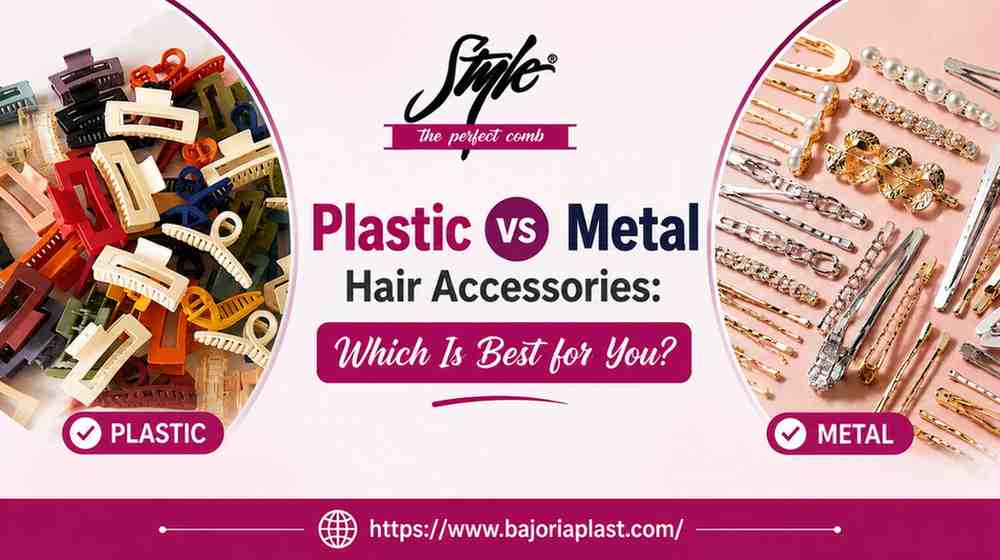
Plastic vs Metal Hair Accessories: Which Is Best for You?
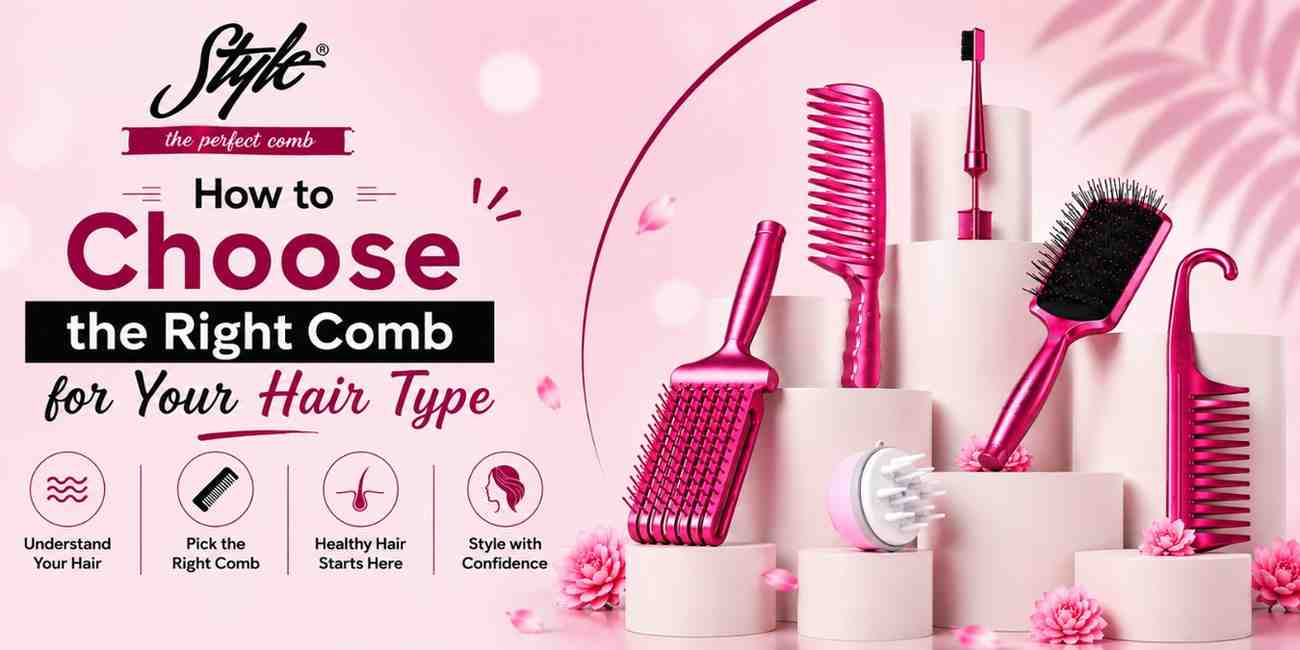
How to Choose the Right Comb for Your Hair Type
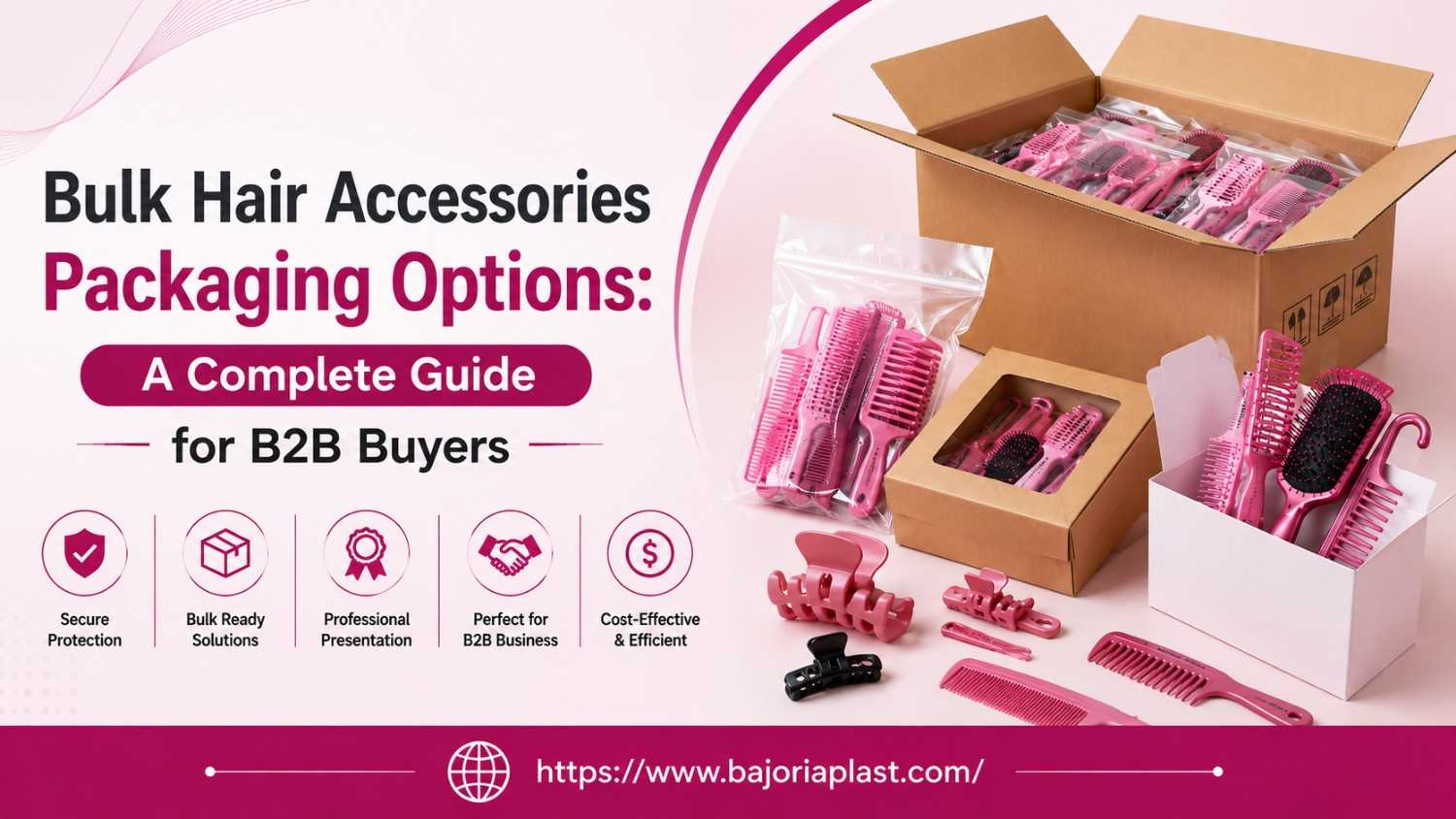
Bulk Hair Accessories Packaging Options: A Complete Guide for B2B Buyers
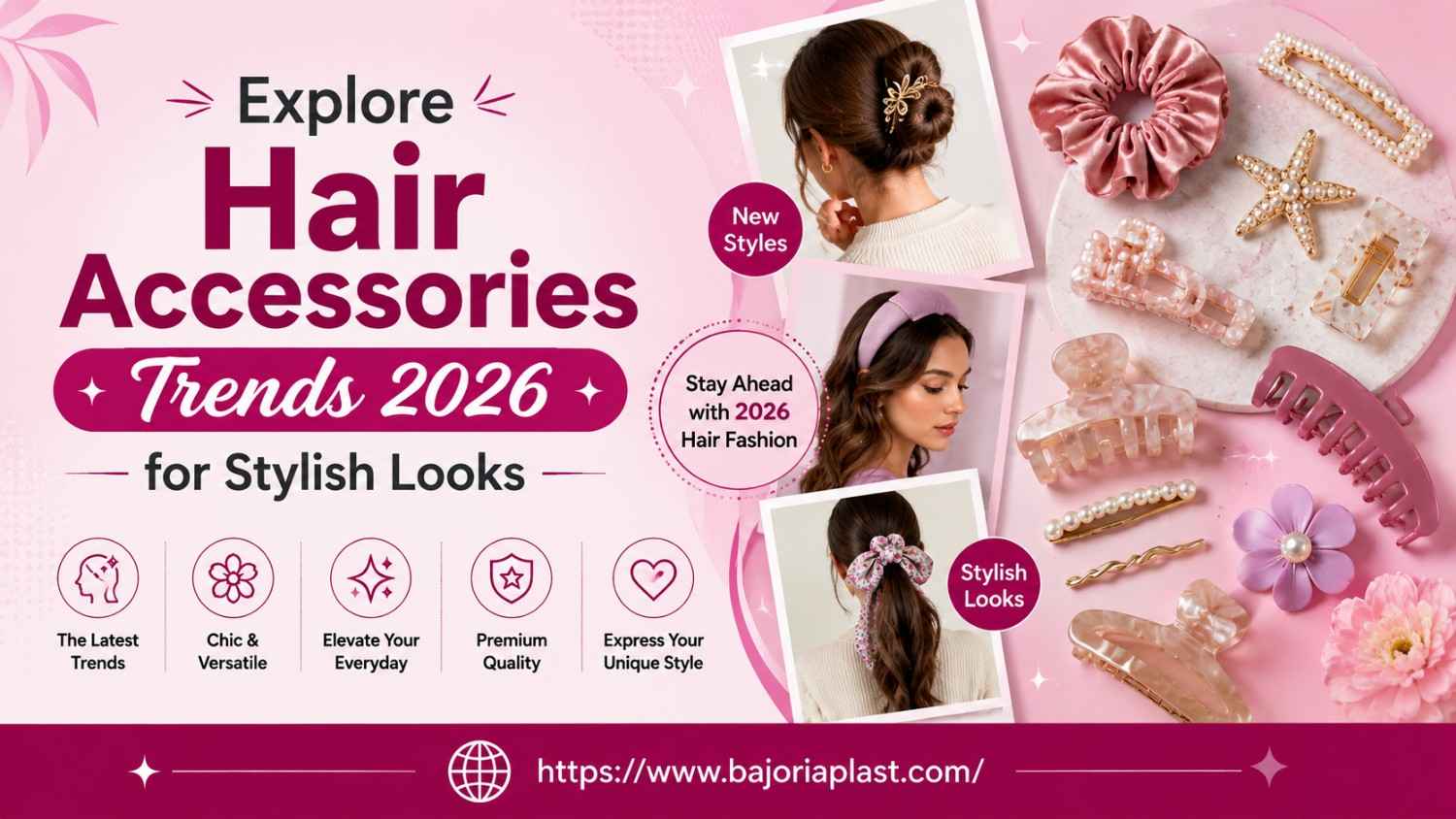
Explore Hair Accessories Trends 2026 for Stylish Looks
Discover the Best-Selling Hair Accessories in 2026
Top Tips for Choosing Private Label Hair Accessories
Salon-Grade vs Retail Hair Accessories: What’s the Best Choice?
Salon Hair Tools: What Professional Salons Really Need
How to Choose a Hair Accessories Supplier: Key Tips

How Amazon Sellers Evaluate Hair Accessories Suppliers
What Makes a Professional Salon Comb? Key Features, Materials, and Standards
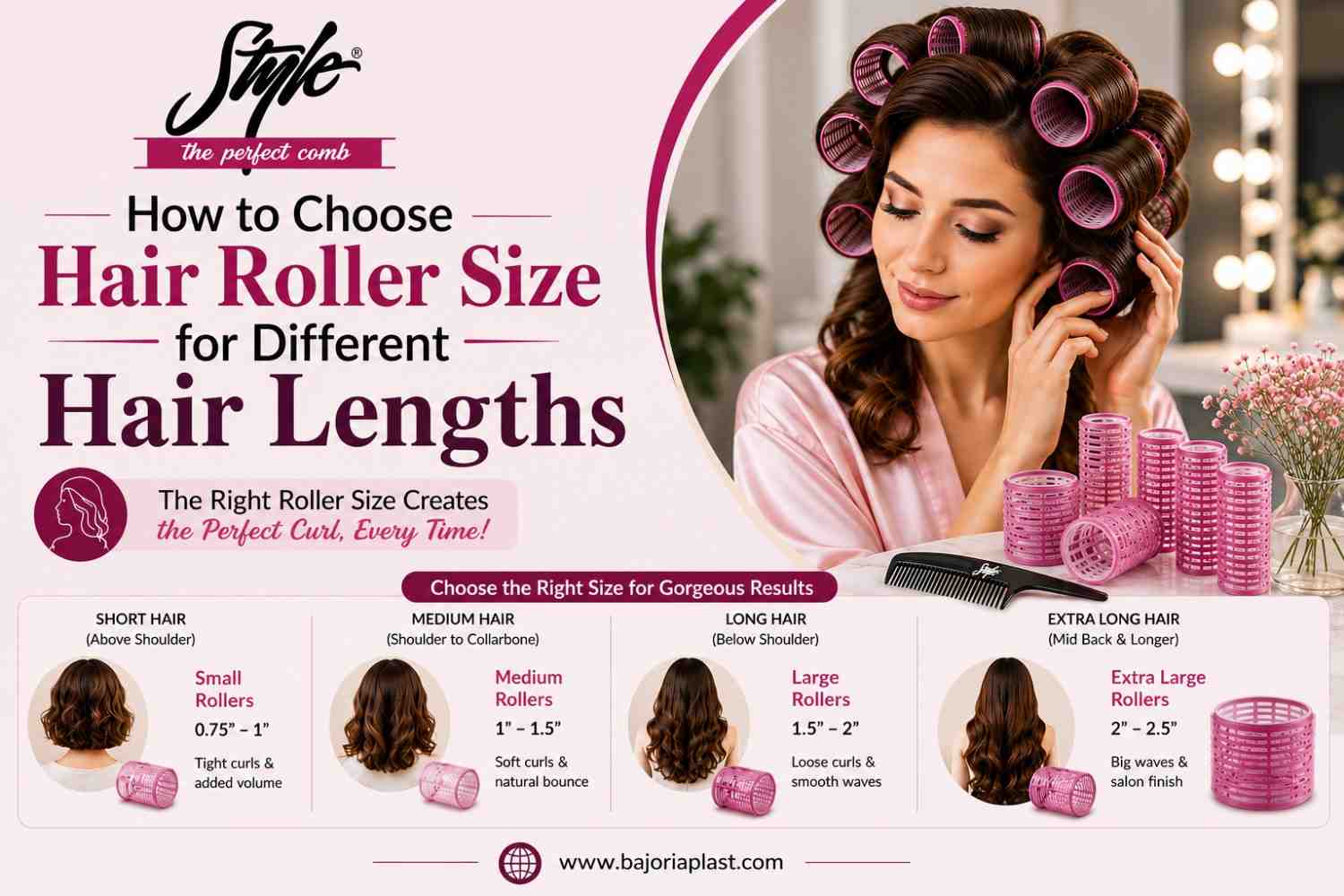
How to Choose the Right Hair Roller Size for Every Hair Length
Plastic vs Foam Hair Rollers: Which to Choose for Bulk?
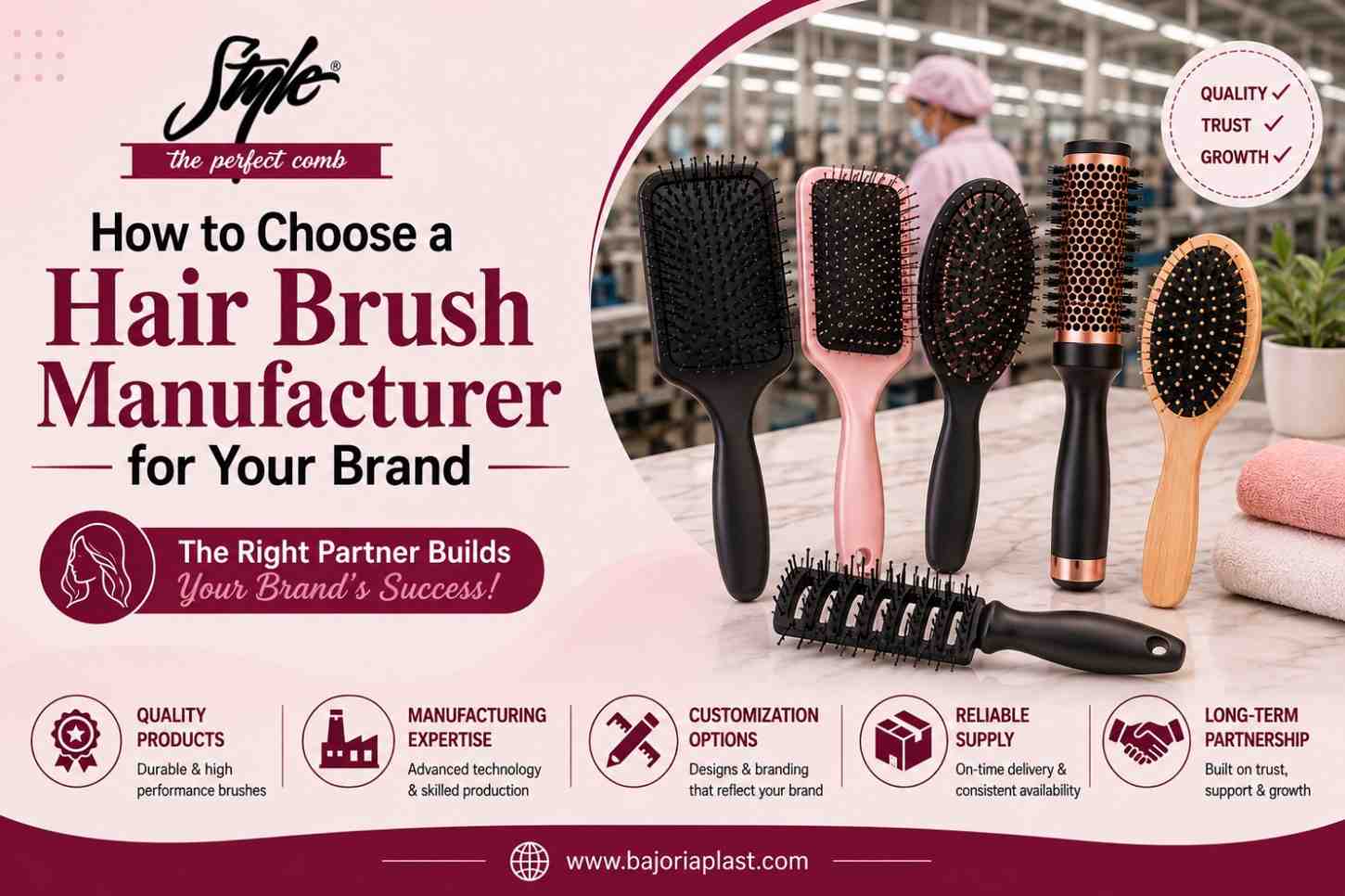
How to Choose a Hair Brush Manufacturer for Your Brand
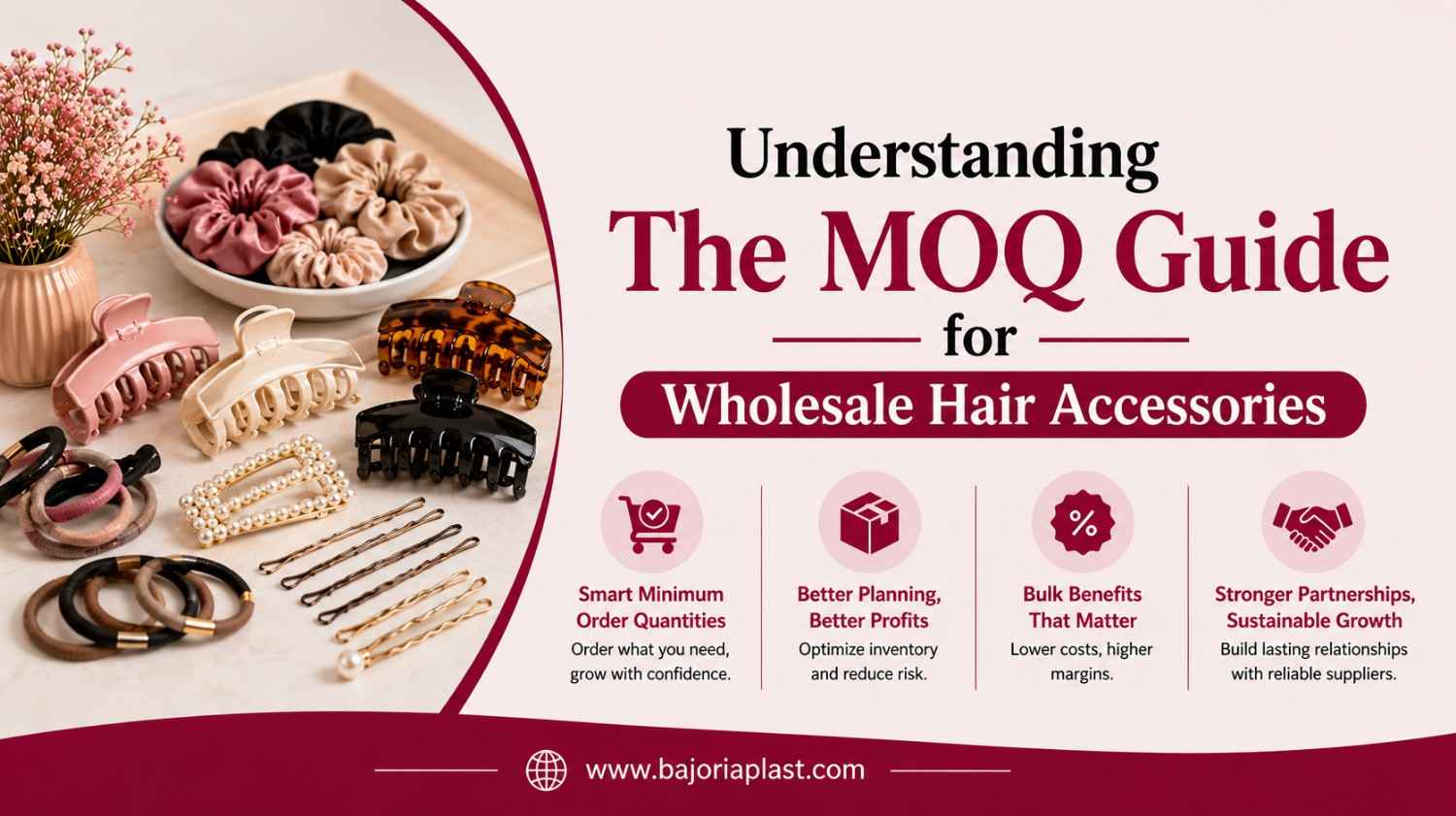
Understanding The MOQ Guide for Wholesale Hair Accessories
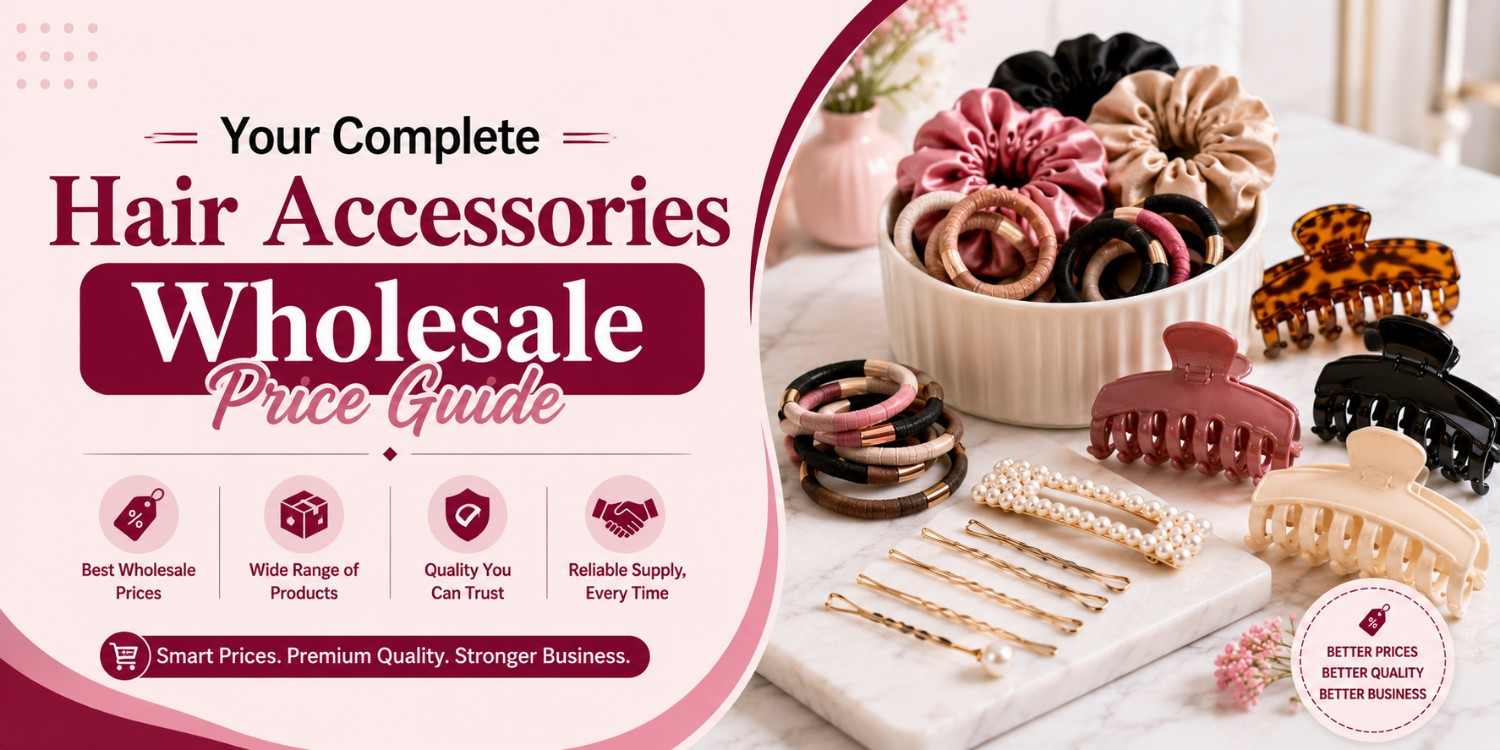
Your Complete Hair Accessories Wholesale Price Guide
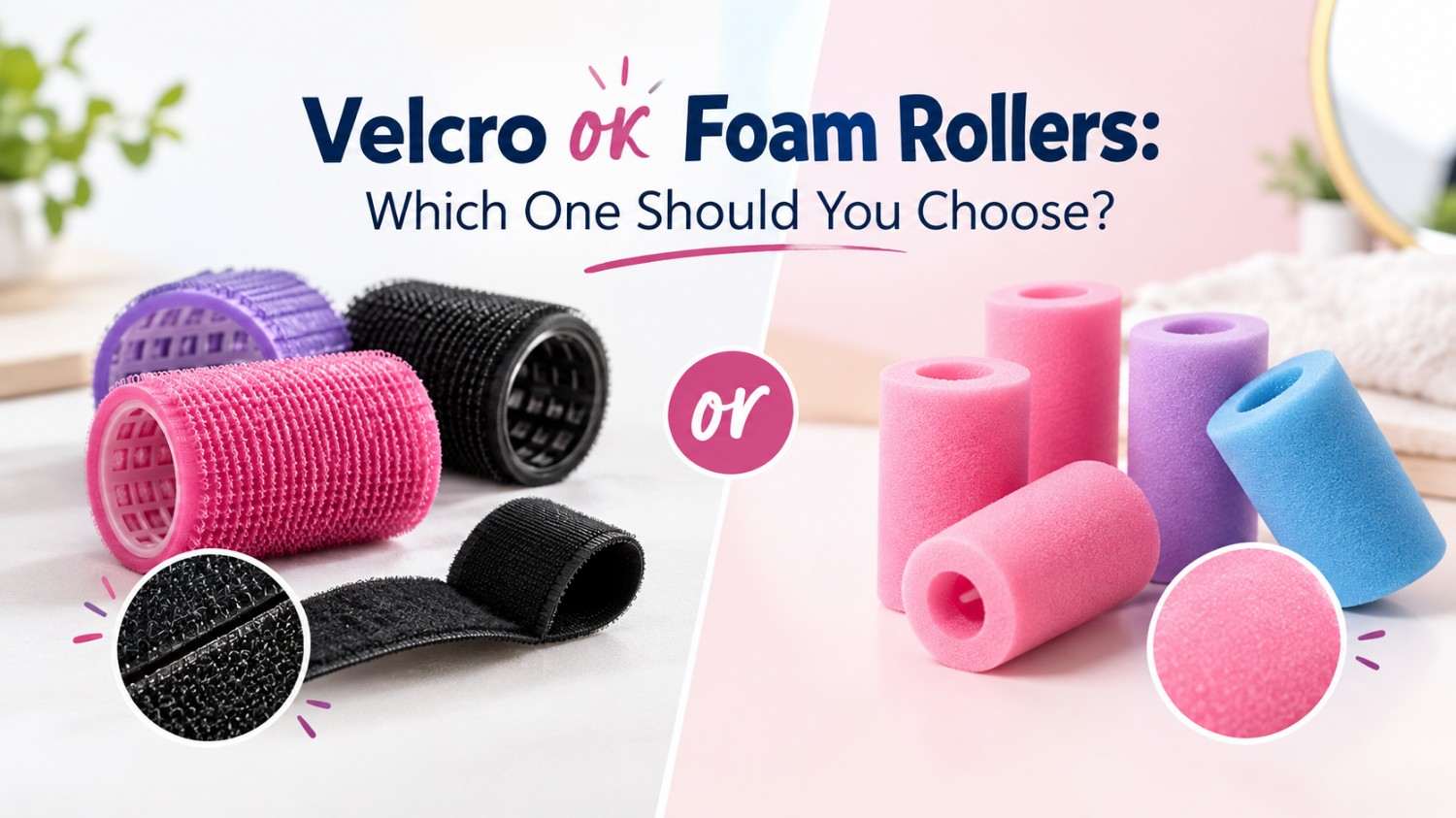
Velcro or Foam Rollers: Which One Should You Choose?
How to Choose the Right Hair Accessories for Dollar Stores
How Industries Purchase Hair Accessories
What’s Trending in Hair Accessories in the US
What Are the Benefits of Using a Wooden Comb?
Bobby Pins vs. Hair Clips: Which One Should You Choose?
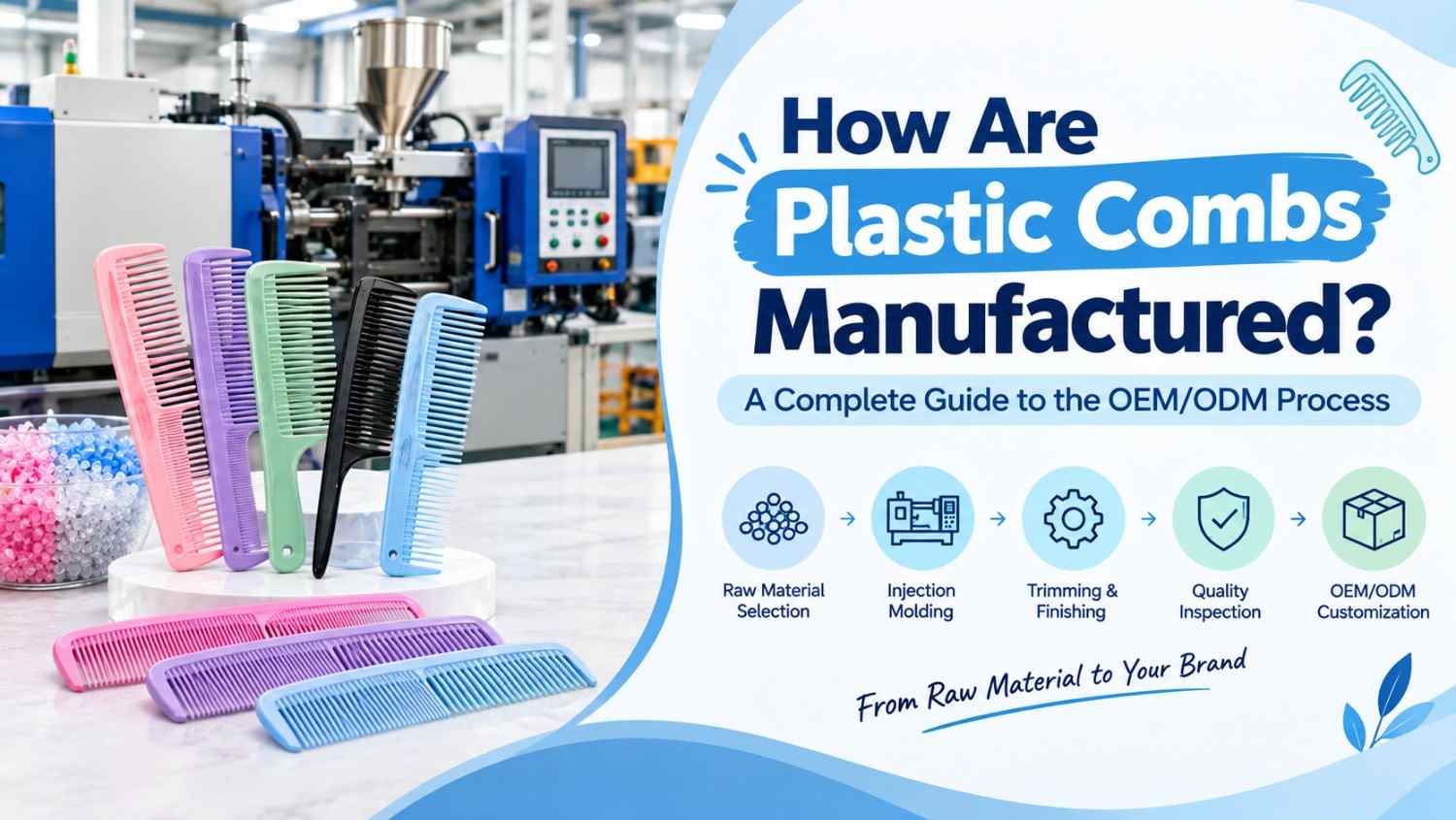
How Are Plastic Combs Manufactured? A Complete Guide to the OEM/ODM Process
ABS vs. PP vs. PS Combs: Which Material Is Best for Hair Combs?
Wide-Tooth Combs vs. Fine-Tooth Combs: Which Is Better for Your Hair?
How to Choose the Right Combs for Salon Use
Get In Touch With Bajoria Plast
Address
4593-94 Deputy Ganj, Sadar Bazar, Delhi- 110006, India