Call Us:+91 8882231160


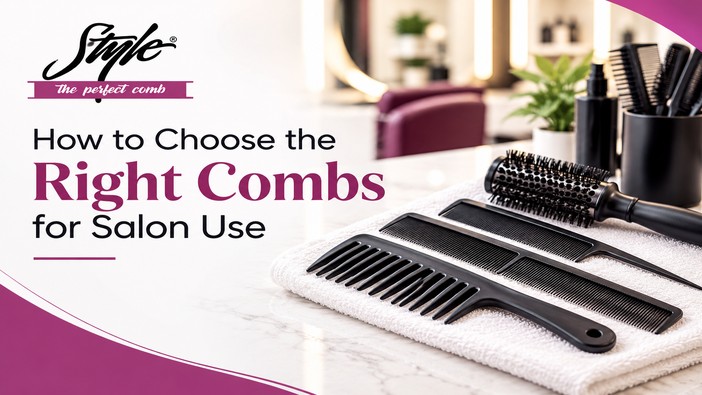
Choosing the right combs is an important part of delivering professional hairstyling services. Experienced hairstylists and salon owners understand that the quality of their combs can directly affect their workflow and results. From creating precise cutting lines and smooth sections to performing heat styling, a comb’s material, design, and quality play an essential role in achieving the desired outcome and improving the client experience.
With so many comb materials, shapes, sizes, and designs available, selecting the most suitable options for your salon can be challenging. Understanding the purpose of each comb and its features can help you make the right decision.
In this guide, we will explain how to select professional-quality combs for salon use, explore different comb types and their applications, and discuss how salon owners and beauty brands can source quality products from manufacturers like Bajoria Plast, which offers wholesale and OEM/ODM comb manufacturing services.
A comb is much more than a basic hairstyling tool. It is one of the most frequently used instruments in a salon and plays an important role in hair cutting, sectioning, coloring, detangling, and styling. The right comb helps hairstylists work with greater precision, maintain control, and achieve consistent results.
Using an unsuitable comb can create unnecessary difficulties during daily salon operations. For example, a comb may lose its shape when exposed to excessive heat during blow-drying, while uneven or flexible teeth can make it harder to achieve clean cutting lines. Similarly, a weak tail may complicate precise sectioning for hair coloring, and static buildup can cause frizz and make hair more difficult to manage.
These problems can interrupt the styling process, waste valuable time, and affect the final result. Choosing appropriate professional tools helps minimize these challenges and supports a smoother workflow.
Salon combs should be suitable for the demands of everyday professional use, including:
Therefore, choosing a salon comb is not simply about its appearance or style. It is about finding a tool that supports your techniques, improves efficiency, and helps deliver consistent results.
At Bajoria Plast, understanding the needs of salon professionals is important when developing comb solutions. Problems such as broken teeth, loss of shape, and poor styling performance highlight why selecting combs designed for their intended applications matters.
Once you understand the features that make a comb suitable for professional salon use, it becomes easier to choose tools that match your services and daily requirements.
Professional hairstylists rarely rely on a single comb for every task. Instead, they use different comb designs to handle specific requirements, from precise haircuts and clean parting to detangling and finishing.
Just as different tools serve different purposes in other professions, salon combs are designed to support particular hairstyling techniques. Keeping a suitable selection of combs within reach allows stylists to work efficiently and maintain better control throughout each service.
Let’s explore the most common types of salon combs and understand how each one can support professional hairstyling.
A cutting comb is one of the most important tools for professional hairstylists. It is commonly designed with fine teeth on one side and wider teeth on the other, allowing stylists to work with different hair types and cutting techniques.
Why Is a Cutting Comb Important?
A good cutting comb should be sufficiently rigid to maintain its shape during use. Excessive bending can affect precision and make cutting more difficult. Combs made from ABS plastic or carbon fiber are popular choices for their strength, stability, and control.
While cutting combs focus on precision, styling combs help hairstylists manage hair during blow-drying, smoothing, curl arrangement, and finishing. They are useful for creating polished looks and maintaining control throughout the styling process.
Why Do Stylists Prefer Styling Combs?
For regular blow-drying and heat styling, hairstylists should choose combs made from materials with suitable heat resistance. Heat-resistant ABS and carbon-fiber combs can be useful options, depending on the product specifications and operating temperature.
Creating neat parting lines and accurate hair sections is essential for professional hairstyling. A tail comb is designed with fine teeth and a long, pointed tail that helps stylists separate hair with precision.
Common Uses of Tail Combs
The pointed tail provides better control when separating individual sections, making this comb especially useful for coloring services and techniques that require detailed parting.
ABS and carbon-fiber combs are popular options because they can provide a firm structure and accurate handling. The best choice depends on the required strength, design, and comfort.
Wet hair can be more vulnerable to breakage, particularly when it is tangled. A detangling comb with wide, rounded teeth helps separate strands gently while reducing pulling and snagging.
Where Can Detangling Combs Be Used?
Materials such as PP (polypropylene) and ABS plastic are commonly considered for detangling tools. The ideal option should offer an appropriate balance of flexibility, strength, and smooth tooth finishing to support comfortable use.
Barber combs are designed to support short haircuts, close trimming, and professional barbering techniques. Their slim profile and carefully arranged teeth help barbers maintain control while using clippers or scissors.
Key Benefits of Barber Combs
Barber combs made from carbon fiber or high-strength ABS can provide the rigidity needed for frequent professional use. When selecting a comb for clipper work, consider its durability, heat tolerance, and suitability for the intended technique.
A pick comb, also known as an Afro comb, is designed to lift hair at the roots and add volume without unnecessarily disturbing natural curl patterns. It is particularly useful for curly, coily, and textured hairstyles.
Common Uses of Pick Combs
Pick combs are available in different materials and designs. ABS and PP plastic are popular options because they can provide durability and comfortable handling when designed with suitable teeth and spacing.
The material of a salon comb affects its strength, flexibility, heat tolerance, and suitability for different hairstyling tasks. Understanding the available options helps salon owners and hairstylists choose tools that meet their professional requirements.
Carbon-fiber combs are widely used in professional hairstyling because of their lightweight construction and durability. Their performance depends on the material composition and product design.
Benefits:
Drawbacks:
Best For: Professional cutting, barbering, blow-drying, coloring, and other salon tasks requiring a lightweight and stable comb.
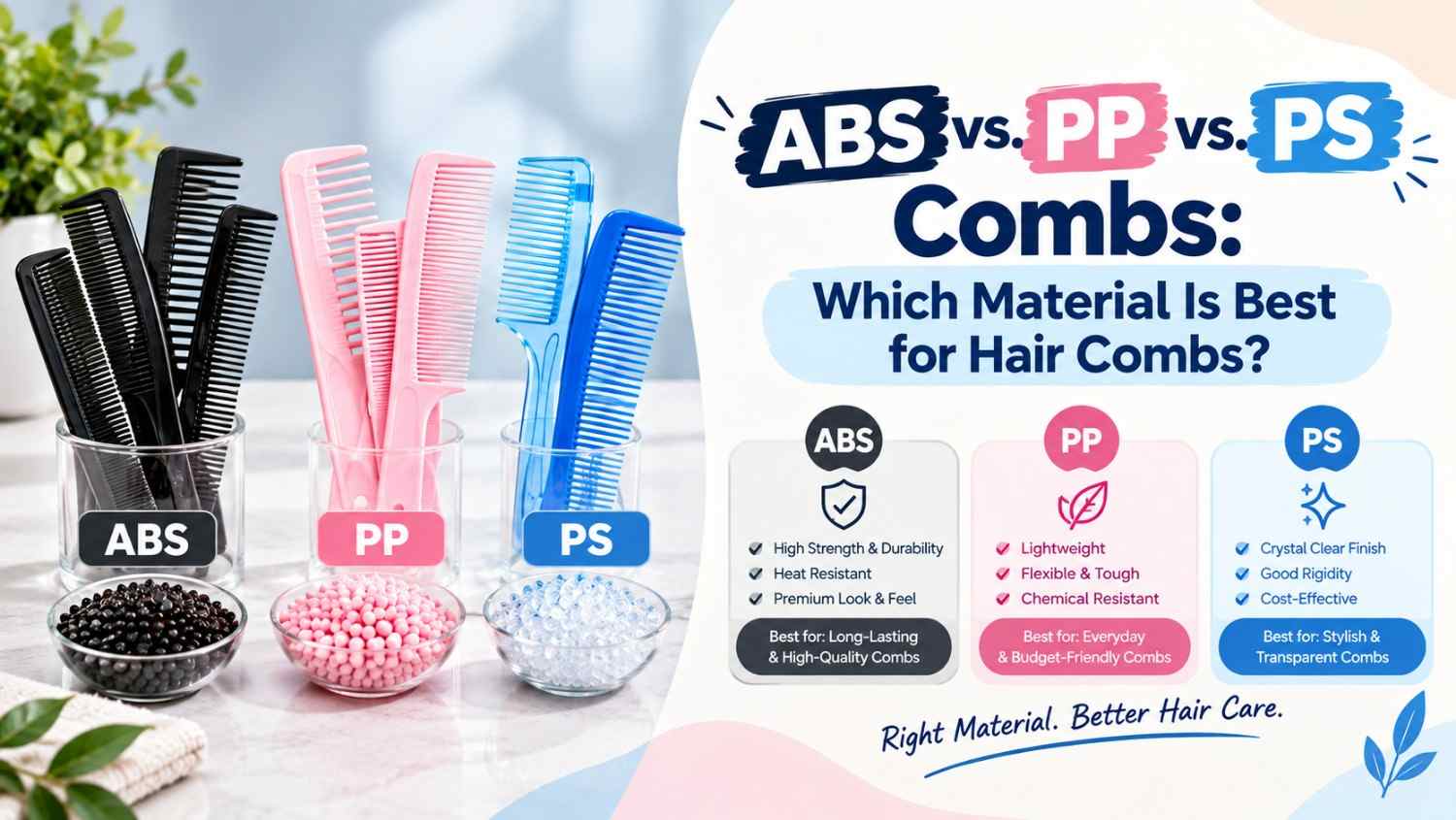
ABS (acrylonitrile butadiene styrene) is a commonly used plastic for manufacturing combs. It offers a useful balance of rigidity, durability, appearance, and design flexibility.
Benefits:
Best For: Professional cutting combs, tail combs, barber combs, and customized salon comb ranges.
PP (polypropylene) is a lightweight plastic that can offer greater flexibility than many rigid comb materials. Its properties make it useful for combs designed for detangling and everyday hair care.
Benefits:
Best For: Wide-tooth combs, detangling combs, and affordable salon or retail hair-care products.
The best material depends on the intended use, styling technique, and required product features. Many salons benefit from keeping a combination of rigid cutting combs, styling combs, and flexible detangling combs. For salon owners and beauty brands, manufacturers such as Bajoria Plast can help explore ABS, PP, and other material options according to product requirements, budget, and customization needs.
A professional salon often benefits from using a combination of ABS and carbon fiber combs for cutting and styling, while PP combs are commonly suitable for detangling and affordable retail product ranges. Selecting the right material helps ensure that each comb meets the requirements of its intended use.
Bajoria Plast works with ABS, PP, and PS materials to support different comb designs and budgets. The company can help salons, retailers, and beauty brands explore suitable material options according to their services, product requirements, and brand positioning.
Choosing salon combs involves more than selecting an attractive design. Since hairstylists use combs throughout the day, factors such as material quality, tooth design, heat resistance, and durability are important. Considering these features can help you select tools that support your daily workflow and deliver consistent styling results.
Heat resistance is an important consideration for salons that regularly perform blow-drying and heat styling. Some combs may bend, deform, or lose their shape when exposed to excessive temperatures, affecting styling control and cutting precision.
Look for carbon fiber or heat-resistant ABS combs with suitable temperature ratings for your intended applications. Always check the manufacturer's specifications before using a comb with heated styling equipment.
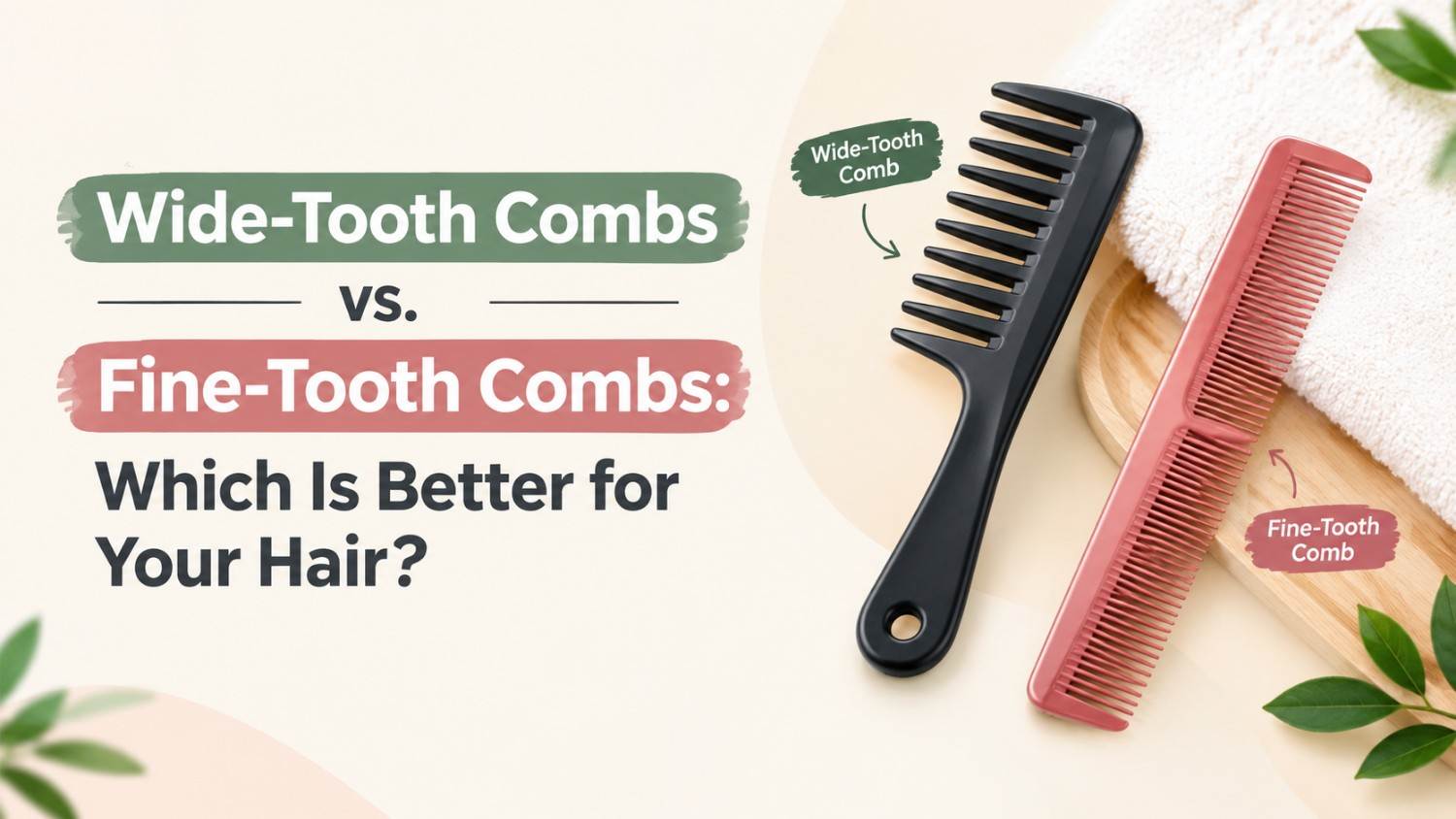
Different hairstyling techniques require different tooth arrangements. Choosing the appropriate design helps improve control and makes everyday salon tasks easier.
A well-designed comb should move smoothly through the hair without unnecessarily pulling strands or irritating the scalp.
Static electricity can make hair difficult to manage during styling, causing flyaways and an uneven appearance. Choosing a comb with suitable anti-static properties can help reduce static buildup and improve styling control.
Carbon fiber combs are commonly preferred for their anti-static performance. Certain plastic formulations may also offer static-reducing benefits, depending on their composition and design.
The ideal balance between flexibility and rigidity depends on the comb's intended purpose. Cutting combs generally require sufficient rigidity to maintain control and support precise cutting techniques. Detangling combs may benefit from some flexibility, allowing them to move through tangled hair more comfortably.
This is where working with an experienced manufacturer can be helpful. Bajoria Plast offers OEM/ODM customization options, enabling businesses to explore different materials, colors, tooth patterns, designs, and packaging to suit their product requirements and brand identity.
Finding suitable salon combs in bulk can be challenging for salons, distributors, retailers, and beauty brands. Product consistency, material selection, design options, and manufacturing capacity are important considerations when choosing a wholesale comb manufacturer.
Bajoria Plast works with businesses seeking comb manufacturing and customization solutions for different market requirements. According to the company's provided information, it has over 18 years of manufacturing experience, supporting its understanding of comb design and production requirements.
Different customers require different types of combs. Some need rigid cutting combs, while others prefer flexible detangling designs or affordable products for retail distribution.
Bajoria Plast works with materials such as ABS, PP, and PS and offers options for customized designs and finishes. This flexibility can help businesses develop comb ranges suited to their target customers and brand preferences.
Manufacturing capacity is another important factor when sourcing wholesale combs. Bajoria Plast reports operating 35 automated injection machines and producing more than 2 million combs annually.
This reported capacity can support businesses looking for manufacturing solutions for larger orders. Buyers should discuss order quantities, production schedules, and quality requirements directly with the company before placing an order.
Businesses looking to establish or expand their own hair-care brands may benefit from OEM/ODM manufacturing services.
Through OEM/ODM customization, customers can explore options such as:
Bajoria Plast's provided information indicates that product sampling may take approximately seven days. Actual sampling and production timelines should be confirmed according to the design, order quantity, and customization requirements.
The company also reports supplying North American retail chains, including Dollar Tree and Dollarama. Businesses evaluating a manufacturer should independently confirm relevant product specifications, compliance documentation, and supply requirements before entering into an agreement.
Overall, Bajoria Plast offers manufacturing experience, multiple material options, customization possibilities, and bulk production capabilities for businesses sourcing combs. These factors can help salon owners, retailers, and beauty brands evaluate whether the company is suitable for their product and sourcing needs.
Cutting combs, styling combs, tail combs, and barber combs are widely used in professional salons. The best option depends on the hairstyling technique and the client's hair type.
Carbon fiber and high-quality ABS are popular options because they can provide the rigidity and control needed for precise cutting. The final choice depends on the product's specifications and intended use.
A wide-tooth comb with smooth, rounded teeth is generally suitable for detangling wet hair. PP and ABS are possible material choices, depending on the design and flexibility required.
Yes, when they are used for blow-drying or heat styling. Choose combs with a suitable heat-resistance rating and follow the manufacturer's instructions.
Yes. OEM/ODM manufacturers such as Bajoria Plast offer customization options that may include product designs, colors, logos, and packaging. Confirm the available options and minimum order quantities directly with the manufacturer.
Choosing the right salon combs helps hairstylists improve control, work efficiently, and achieve consistent results. Material, tooth structure, heat resistance, flexibility, and durability should all be considered when selecting professional hairstyling tools.
Whether you need cutting combs, styling combs, anti-static options, or cost-effective combs for retail distribution, matching the product to its intended use is essential.
For salons, retailers, distributors, and beauty brands seeking wholesale combs, Bajoria Plast provides manufacturing and customization options worth exploring. Evaluating product specifications, sample quality, order requirements, and production timelines can help you choose the right manufacturing partner for your business.

Buying Plastic Combs in Bulk at Low Cost: A Smart Buyer’s Guide
Private Label Hair Accessories: A Practical Guide to Retail Success
Plastic vs. Metal Hair Combs: A Smart Comparison for Wholesale Buyers
Plastic vs. Wooden Combs for Retail: Making the Right Choice?
Are Plastic Combs Profitable for Dollar Stores?

Hair Accessories for Amazon FBA: Smart Sourcing Strategies for Sellers
Hair Accessories for Beauty Supply Stores
Where Can I Buy Plastic Combs Wholesale?

Hair Accessories for Dollar Stores – Custom & Reliable
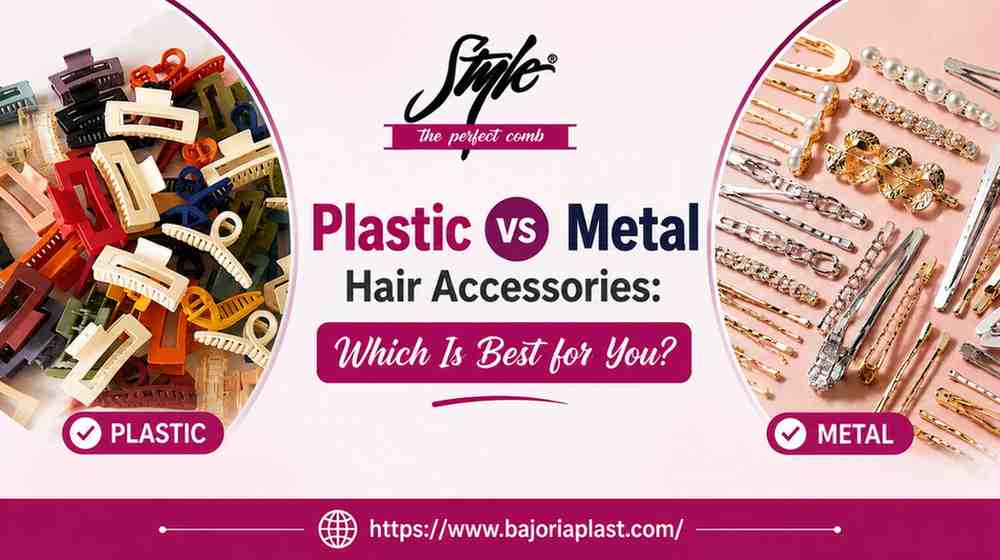
Plastic vs Metal Hair Accessories: Which Is Best for You?
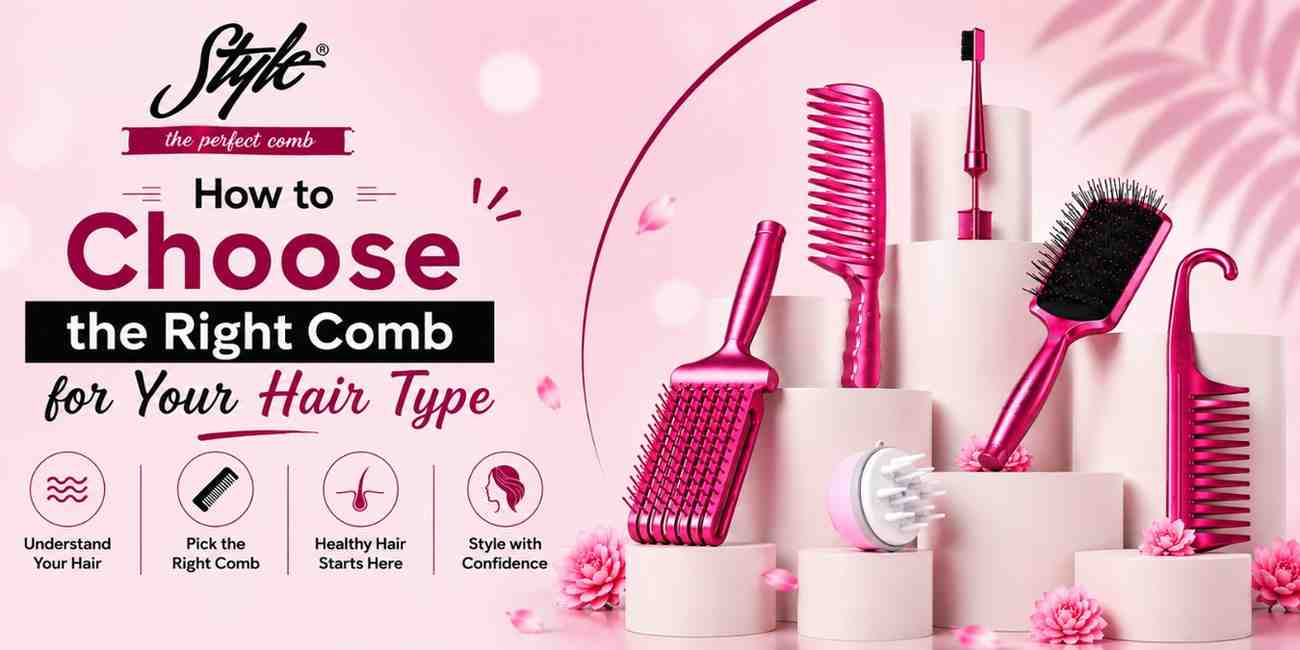
How to Choose the Right Comb for Your Hair Type
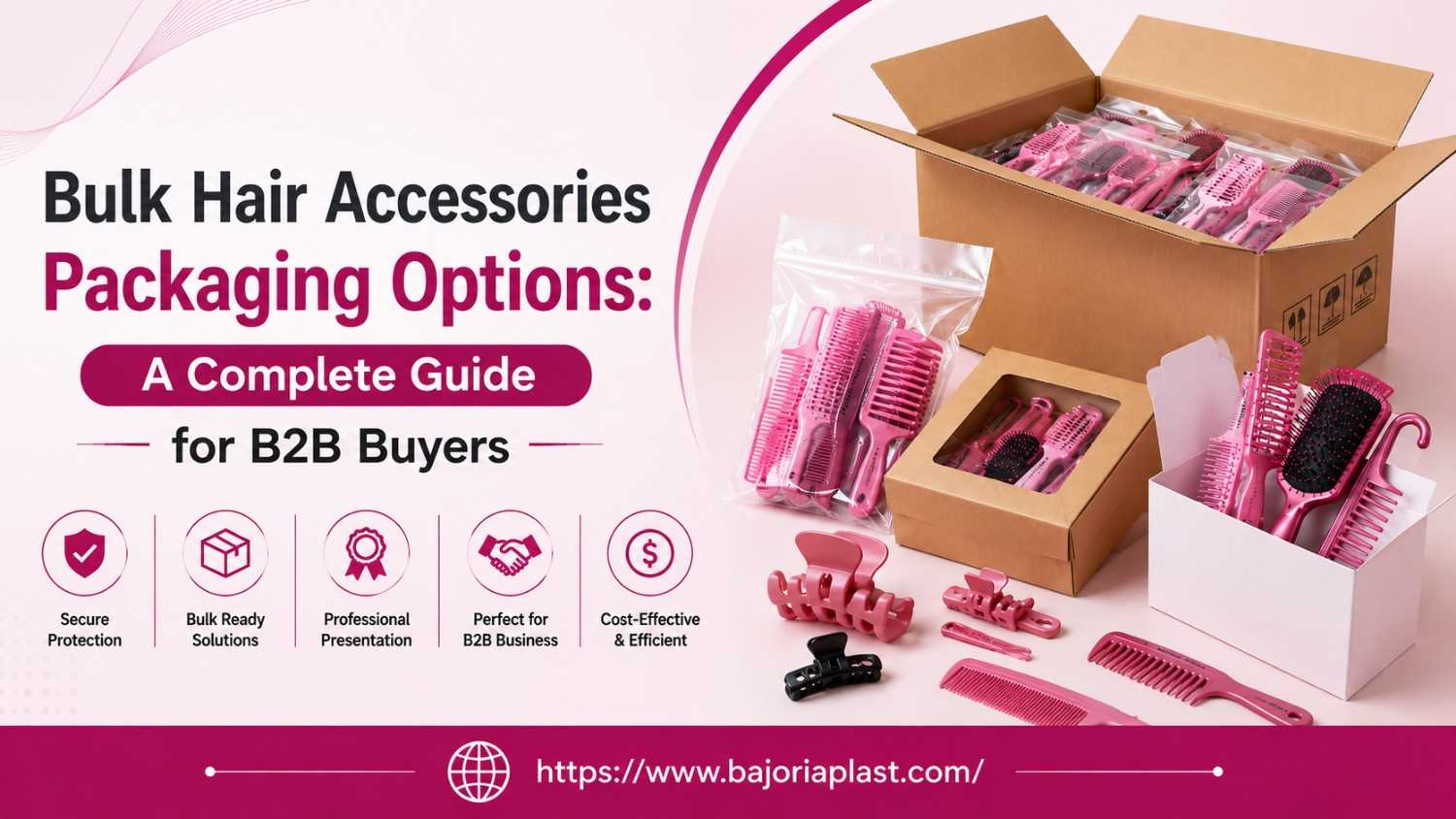
Bulk Hair Accessories Packaging Options: A Complete Guide for B2B Buyers
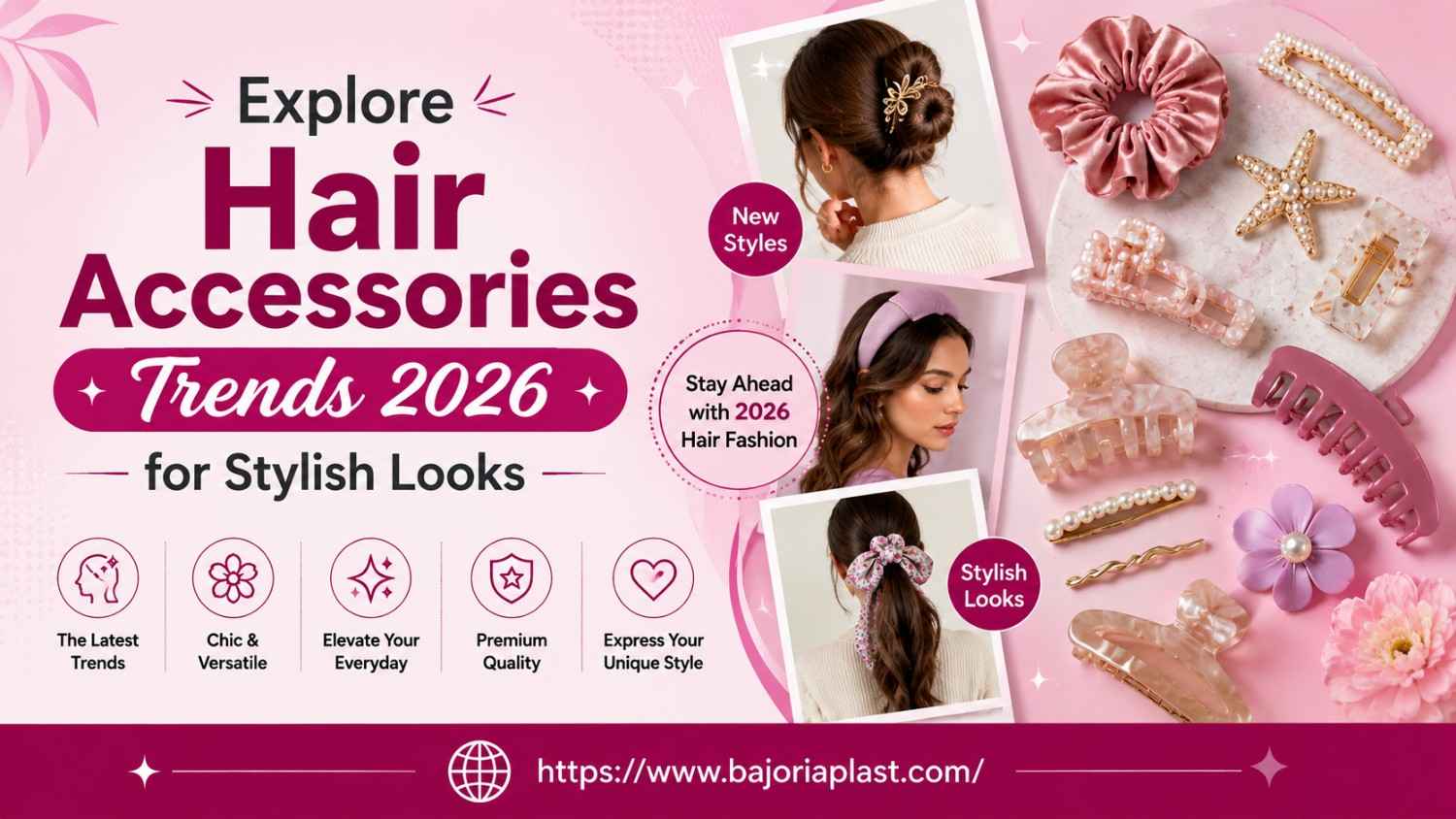
Explore Hair Accessories Trends 2026 for Stylish Looks
Discover the Best-Selling Hair Accessories in 2026

Top Tips for Choosing Private Label Hair Accessories
Salon-Grade vs Retail Hair Accessories: What’s the Best Choice?
Salon Hair Tools: What Professional Salons Really Need
How to Choose a Hair Accessories Supplier: Key Tips

How Amazon Sellers Evaluate Hair Accessories Suppliers
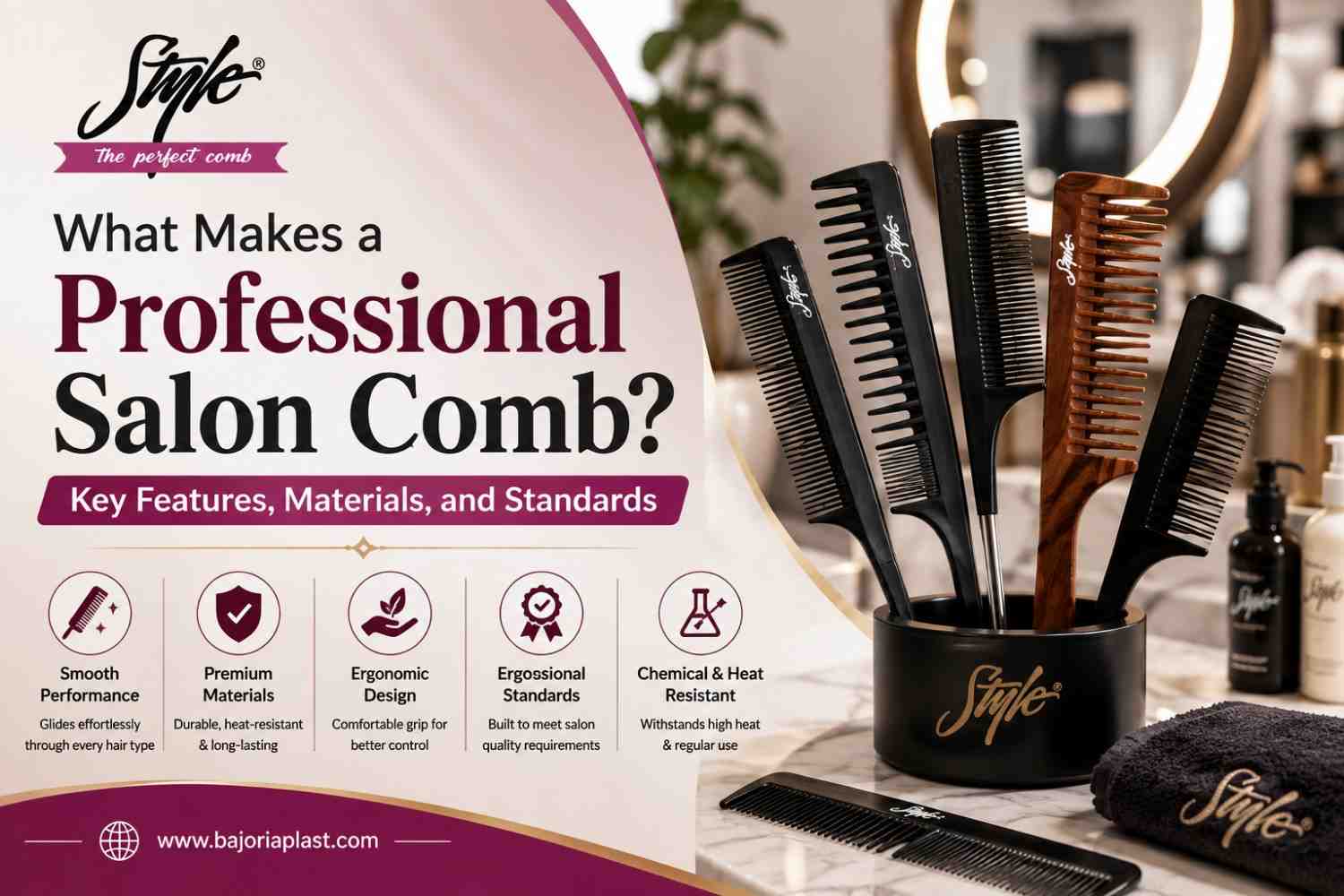
What Makes a Professional Salon Comb? Key Features, Materials, and Standards
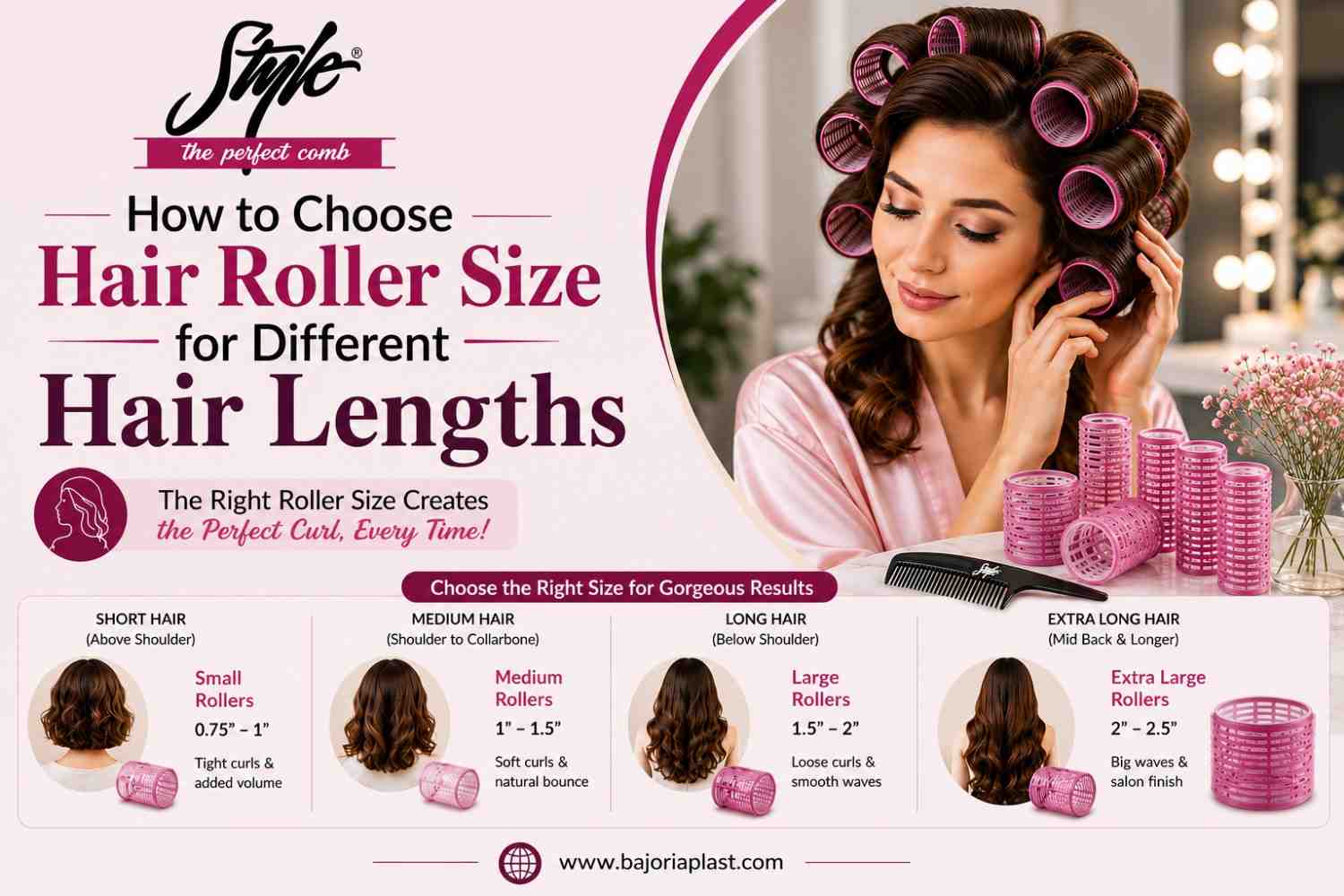
How to Choose the Right Hair Roller Size for Every Hair Length
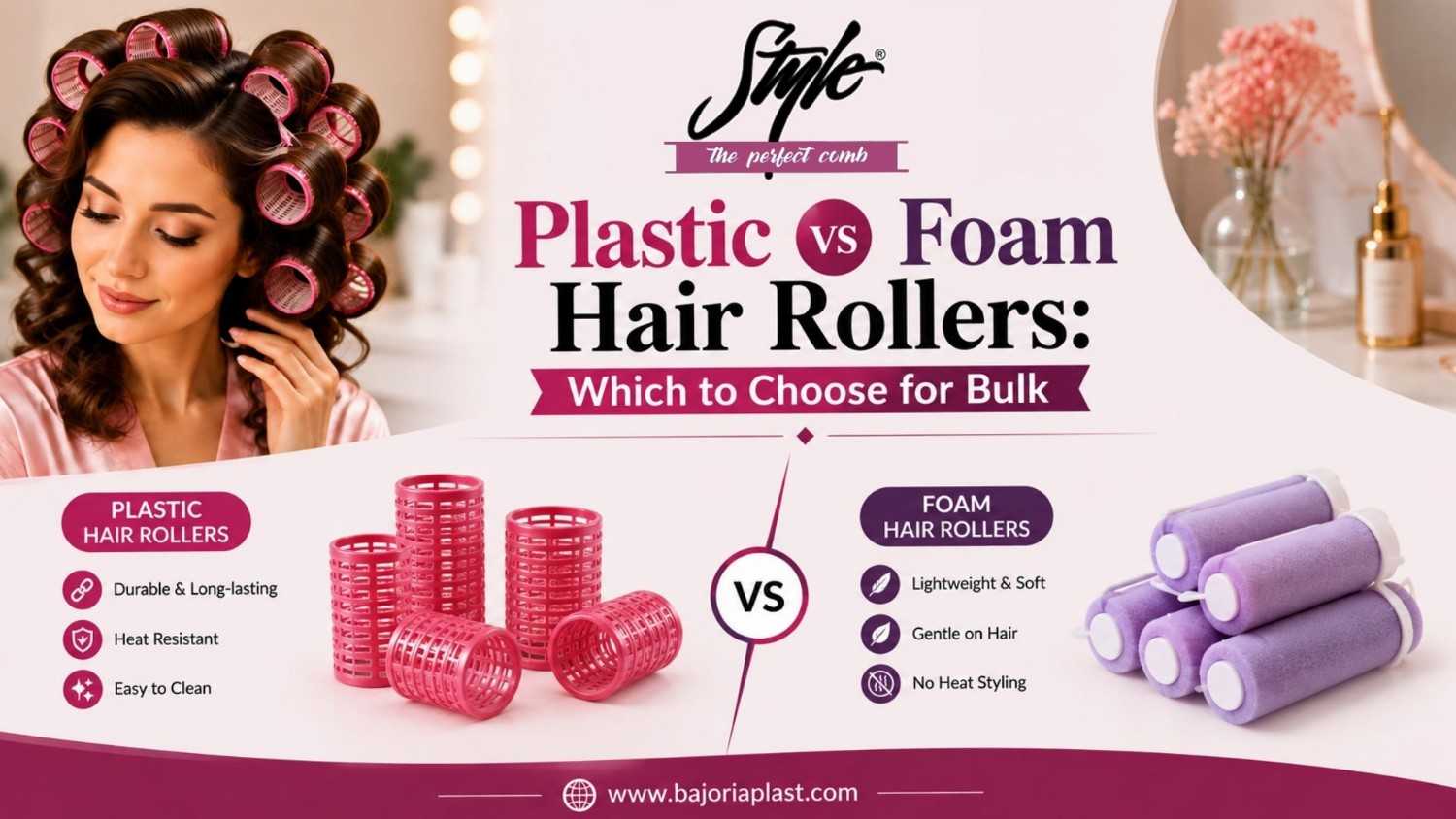
Plastic vs Foam Hair Rollers: Which to Choose for Bulk?
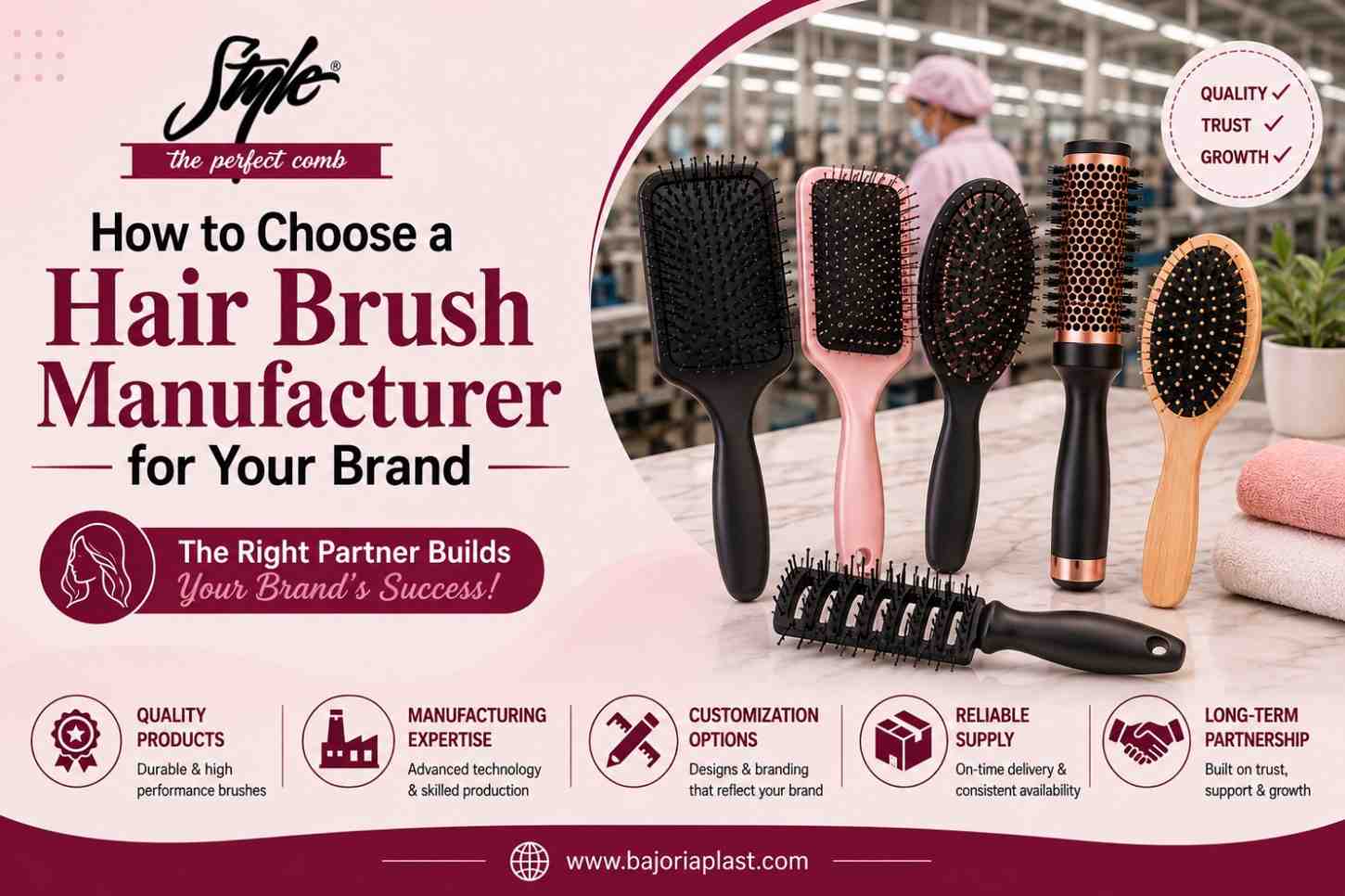
How to Choose a Hair Brush Manufacturer for Your Brand
Understanding The MOQ Guide for Wholesale Hair Accessories
Your Complete Hair Accessories Wholesale Price Guide
Velcro or Foam Rollers: Which One Should You Choose?
How to Choose the Right Hair Accessories for Dollar Stores

How Industries Purchase Hair Accessories
What’s Trending in Hair Accessories in the US
What Are the Benefits of Using a Wooden Comb?
Bobby Pins vs. Hair Clips: Which One Should You Choose?
How Are Plastic Combs Manufactured? A Complete Guide to the OEM/ODM Process
ABS vs. PP vs. PS Combs: Which Material Is Best for Hair Combs?
Wide-Tooth Combs vs. Fine-Tooth Combs: Which Is Better for Your Hair?
How to Choose the Right Combs for Salon Use
Get In Touch With Bajoria Plast
Address
4593-94 Deputy Ganj, Sadar Bazar, Delhi- 110006, India