
Call Us:+91 8882231160


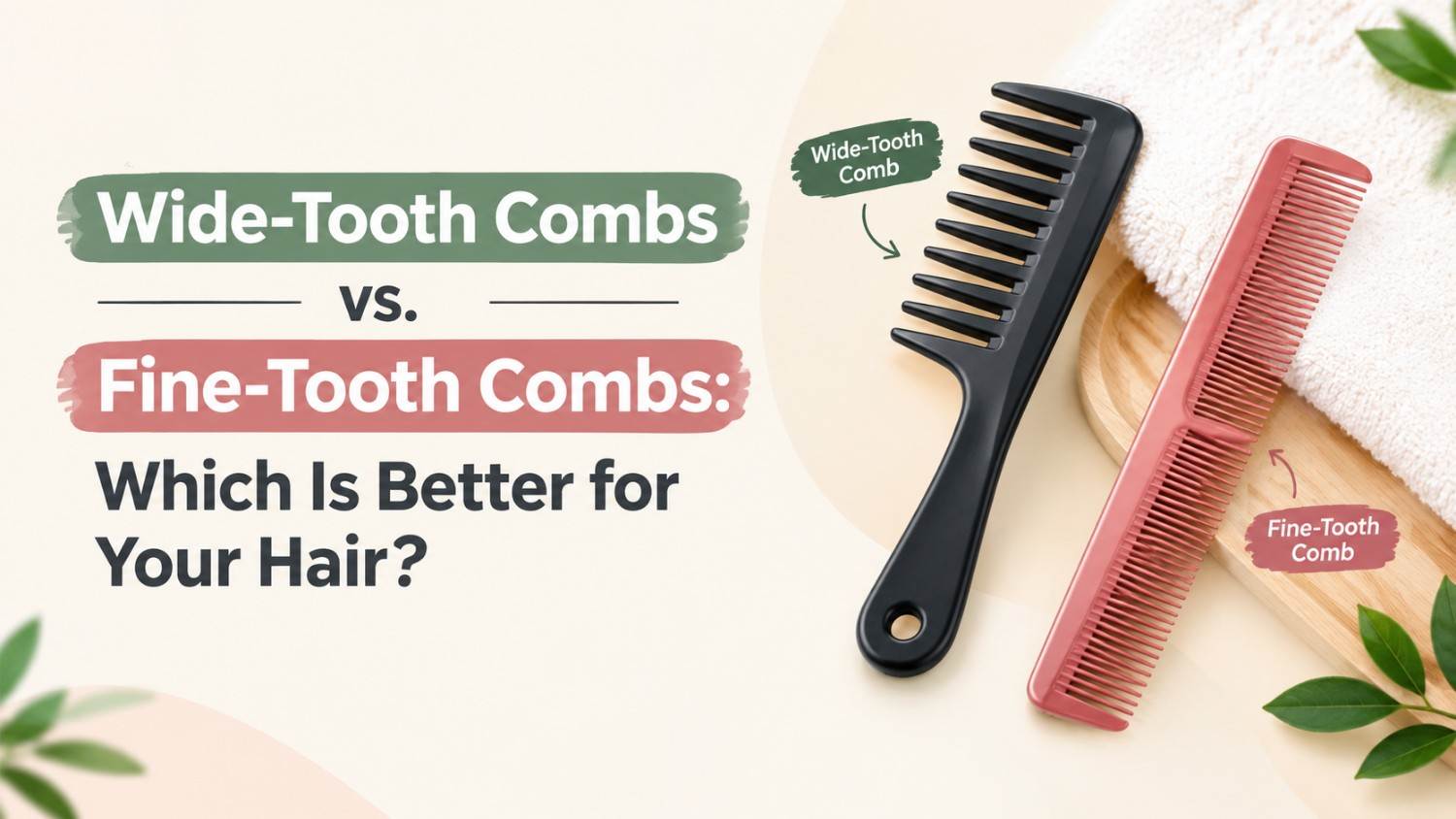
If you’ve ever wondered why your comb keeps pulling, snagging, or refusing to glide smoothly through your hair, the problem may not be your hair—it could be the comb you’re using.
Many people overlook the importance of tooth spacing when choosing a comb. However, it plays a significant role in detangling, styling precision, comfort, and reducing unnecessary hair breakage. For salons, retailers, and businesses purchasing combs in bulk, understanding the difference between wide-tooth and fine-tooth combs is essential for selecting the right products.
In this guide, we’ll explore the key differences between wide-tooth and fine-tooth combs to help you choose the most suitable option for your hair type, styling routine, or business requirements.
Have you ever noticed how some combs move effortlessly through your hair while others seem to catch on every knot? One of the main reasons is the spacing between the teeth.
Tooth design influences how a comb performs and how comfortably it moves through different hair types. It can affect:
Many people choose combs based on their appearance, price, or availability. Professional hairstylists, however, understand that tooth spacing is an important factor in selecting the right tool for each service.
Wide-tooth combs are generally preferred for gentle detangling, particularly when working with wet, thick, or curly hair. In contrast, fine-tooth combs offer greater precision for creating neat partings, sectioning hair, and achieving controlled styling results.
Understanding these differences can help you avoid common combing problems and select a tool that better suits your needs.
Feature | Wide-Tooth Comb | Fine-Tooth Comb |
Tooth Spacing | Wide gaps between teeth | Closely spaced teeth |
Best Suited For | Thick, curly, or tangled hair | Fine, short, or straight hair, depending on the task |
Common Uses | Detangling, conditioning, and combing wet hair | Styling, cutting, and creating neat partings |
Pulling and Breakage | Generally reduces pulling when used gently | May cause more pulling if used on tangled hair |
Salon Applications | Shampooing and conditioning areas | Cutting, sectioning, and styling stations |
Common Material Options | PP and ABS | ABS and carbon-fiber-style materials |
Wholesale Applications | Retail sets and hotel grooming kits | Professional salons and barber shops |
The best choice ultimately depends on hair type, comb design, and the task being performed.
A wide-tooth comb features teeth with larger gaps between them, allowing hair to pass through more easily. This design makes it a useful option for managing knots and tangles without excessive pulling.
Unlike closely spaced teeth, which can catch on tangled strands, wider spacing allows the comb to move through the hair more gently when used with the right technique.
Wide-tooth combs are popular for several reasons:
For people who regularly experience knots, tangles, or breakage during combing, a wide-tooth comb can be a practical addition to their hair-care routine.
Wide-tooth combs may be particularly useful for people with:
They can also be helpful for children whose hair becomes tangled easily, making everyday grooming more comfortable when the comb is used gently.
Professional salons frequently use wide-tooth combs at shampoo stations, during conditioning treatments, and when detangling clients’ hair before styling.
Their wider spacing helps stylists work through knots without applying unnecessary tension. They are also useful for distributing hair-care products through the lengths of the hair.
For salon owners, retailers, and beauty brands sourcing combs in bulk, wide-tooth designs are practical options for professional hair-care collections and everyday grooming products.
Here’s a simple, real-life example:
Have you ever tried combing freshly washed, tangled hair with a fine-tooth comb? It can feel difficult because the closely spaced teeth may catch on knots and pull at the strands.
Now try a wide-tooth comb. Its wider spacing allows you to work through tangles more gently, helping reduce pulling and making detangling easier.
If you’re sourcing combs for a salon, retail store, or your own beauty brand, Bajoria Plast offers wide-tooth comb options made from flexible PP and durable ABS. Customization options may include colors, shapes, and packaging, making these combs suitable for grooming kits, product bundles, and hair-care sets.
If a wide-tooth comb is designed for gentle detangling, a fine-tooth comb is ideal for precision and control. Its closely spaced teeth help manage smaller sections of hair, making it a popular choice for detailed styling and professional grooming.
Fine-tooth combs are especially useful when you need clean partings, neat finishes, and greater control over individual strands. They are commonly used by hairstylists and barbers for cutting, sectioning, and creating polished hairstyles.
Fine-tooth combs offer several practical benefits:
Fine-tooth combs are particularly useful for techniques such as blending fades, trimming sideburns, layering, and creating sharp partings. They help professionals maintain better control when accuracy is essential.
Fine-tooth combs can be useful for people with:
However, they may not be the best choice for working through thick tangles, especially in wet or curly hair. Using a fine-tooth comb on tangled strands can increase pulling and the risk of breakage.
Imagine trying to create a neat side part using a wide-tooth comb. Because the teeth are spaced farther apart, achieving a sharp, precise line can be challenging.
A fine-tooth comb, on the other hand, offers closer control and helps create a cleaner, more defined parting.
For salons, barbershops, and professional grooming brands, Bajoria Plast offers ABS and carbon-fiber-style fine-tooth comb options. Depending on the product specifications, these combs can provide the stability and heat resistance required for professional styling applications.
Businesses can also explore customization options such as brand logos, colors, and packaging. These features make customized combs suitable for professional salon sets, barbering kits, and retail product collections.
Choosing between a wide-tooth comb and a fine-tooth comb depends on your hair type and how you plan to use it. Both serve important purposes, but their designs make them suitable for different tasks.
Wide-tooth combs are generally better for gentle detangling, while fine-tooth combs are designed for precision styling and greater control.
A wide-tooth comb is a practical option for managing knots and tangles. Its wider spacing helps the teeth move through the hair more easily when used gently, making it a useful tool for everyday hair care.
Fine-tooth combs are essential tools for many hairstylists and barbers who work with detailed cuts and sleek hairstyles. However, they should be used carefully on tangled, wet, or curly hair to avoid unnecessary pulling.
Ultimately, the best comb is the one that suits your hair type and styling needs. Many professionals keep both wide-tooth and fine-tooth combs in their toolkit so they can switch between gentle detangling and precision styling whenever needed.
The truth is that most people can benefit from having both wide-tooth and fine-tooth combs. Each serves a different purpose and can be useful at different stages of your hair-care or styling routine.
A wide-tooth comb is ideal for everyday detangling, helping you manage knots with less pulling. A fine-tooth comb, on the other hand, is better suited to precise styling, neat partings, and shaping hair.
If you run a salon, online store, or beauty supply business, stocking both types is a practical choice. Different customers have different hair types, styling preferences, and grooming requirements, so offering a variety of combs helps you meet their needs.
When selecting a comb for personal use or professional applications, the material is just as important as the tooth design. Materials such as PP, ABS, and carbon-fiber-style materials can influence a comb’s flexibility, durability, weight, and performance.
Understanding these differences can help you choose suitable combs for your salon, retail collection, or beauty brand.
Wide-tooth combs are designed primarily for comfortable detangling. Their material should provide the right balance of flexibility and strength, allowing the comb to move through the hair without excessive pulling.
PP is known for its lightweight construction and flexibility, making it a practical material for wide-tooth combs. These combs can be useful for detangling curly hair, managing knots, and everyday grooming.
PP combs are also generally cost-effective, making them suitable for high-volume retail products, grooming kits, and hotel amenities.
ABS is a suitable option when you prefer a firmer comb with a more structured feel. It can offer a durable construction and a polished appearance, depending on the product design and finish.
ABS wide-tooth combs may be suitable for salon use, retail gift sets, and branded promotional products where appearance and durability are important.
Quick tip:
Both materials have their advantages. The best option depends on the intended use, product design, and customer requirements.
Fine-tooth combs are commonly used for detailed styling, sectioning, and cutting. Since these tasks require greater control, the material should provide sufficient rigidity and durability for regular use.
ABS is a popular material for cutting and styling combs because it offers a firm structure and durability for everyday grooming applications.
Its rigidity helps hairstylists maintain control while sectioning hair, creating partings, and performing precision cuts. ABS combs can be a practical option for salons, barbershops, and professional grooming kits.
Carbon-fiber-style combs are another option for professionals who need durable tools for frequent styling and cutting. Depending on their construction, these combs may offer useful heat resistance, anti-static performance, and a lightweight yet sturdy feel.
They can be suitable for techniques such as blending, fading, and precision cutting, particularly in busy barber shops and professional salons.
Always check the manufacturer's specifications for heat resistance and anti-static properties, as performance varies by product and material composition.
Quick tip:
Choosing the right material helps ensure that your comb meets the demands of your work, whether you need a flexible tool for detangling or a more structured comb for precision styling.
If you’re sourcing combs for a salon, online store, supermarket, or your own beauty brand, Bajoria Plast offers a range of material options to suit different requirements.
Whether you need flexible PP wide-tooth combs for detangling, durable ABS cutting combs for barbers, or carbon-fiber-style combs for professional hairstylists, Bajoria Plast can help you explore suitable options for your products.
The company also offers customization options, including logos, colors, shapes, and packaging, helping businesses create combs that align with their brand identity and target market.
Experience working with salons, barbershops, and beauty brands highlights an important point: a good comb is more than a simple grooming accessory. Its design, comfort, and durability can make a real difference in everyday use.
Here are some factors to consider when choosing Bajoria Plast for wholesale combs.
Professional hairstylists need combs that offer smooth teeth, suitable spacing, comfortable handling, and reliable performance during daily use.
Bajoria Plast focuses on producing combs for different grooming and styling applications, helping businesses explore products that meet their customers’ requirements.
Consistency matters when ordering combs in bulk. Differences in tooth finishing, flexibility, or molding quality can affect the overall user experience.
Maintaining consistent manufacturing standards helps businesses receive products that align with their approved samples and specifications. Buyers should confirm quality-control procedures and sample approval requirements before placing large orders.
Every salon, retailer, and beauty brand has different product requirements. Some may need wide-tooth combs for detangling, while others may prefer fine-tooth combs for cutting and precision styling.
Bajoria Plast offers customization options that may include:
These options allow businesses to develop product collections tailored to their target customers.
Pricing is an important consideration when purchasing combs in bulk. However, businesses should also evaluate product quality, durability, customization costs, and order requirements.
Bajoria Plast provides wholesale manufacturing options for businesses seeking a balance between product quality and cost. Comparing samples, quotations, and minimum order quantities can help buyers determine the best fit for their budget.
Different businesses require different types of combs. Professional salons may prioritize cutting and styling tools, while retailers and online brands may need versatile grooming products for a wider audience.
Bajoria Plast serves businesses looking for comb manufacturing and customization solutions for various markets. Buyers can discuss their product specifications, branding requirements, order volumes, and target markets directly with the company.
In short, Bajoria Plast offers options for businesses seeking wholesale wide-tooth, fine-tooth, cutting, and detangling combs. Selecting the right products can help you build a collection that meets your customers’ needs.
The primary difference is the spacing between the teeth. Wide-tooth combs are generally better for detangling, while fine-tooth combs are useful for precision styling, sectioning, and cutting.
Wide-tooth combs are often a suitable choice for curly hair because their wider spacing helps reduce pulling during detangling. Using the comb gently can also help minimize unnecessary breakage.
Fine-tooth cutting combs are commonly used for precise haircuts. ABS and carbon-fiber-style combs are popular options, depending on the stylist’s preferences and the product’s specifications.
Yes. Purchasing both types can help wholesalers, retailers, and salons serve customers with different hair types and styling requirements. Availability, minimum order quantities, and pricing should be confirmed with the manufacturer.
Bajoria Plast offers OEM/ODM customization options for businesses. Depending on the product and order requirements, these may include custom colors, logos, designs, and packaging.
Wide-tooth and fine-tooth combs serve different purposes, and choosing the right type can improve everyday grooming, professional styling, and salon efficiency. Wide-tooth combs are generally suited to gentle detangling, while fine-tooth combs provide greater control for detailed styling and cutting.
For salons, barbershops, retailers, and beauty brands looking for customizable wholesale products, Bajoria Plast offers a range of wide-tooth, fine-tooth, barber, and detangling comb options.
By considering material, tooth design, product quality, customization requirements, and wholesale pricing, businesses can select combs that suit their customers and support their long-term product goals.

Buying Plastic Combs in Bulk at Low Cost: A Smart Buyer’s Guide

Private Label Hair Accessories: A Practical Guide to Retail Success
Plastic vs. Metal Hair Combs: A Smart Comparison for Wholesale Buyers

Plastic vs. Wooden Combs for Retail: Making the Right Choice?

Are Plastic Combs Profitable for Dollar Stores?

Hair Accessories for Amazon FBA: Smart Sourcing Strategies for Sellers
Hair Accessories for Beauty Supply Stores
Where Can I Buy Plastic Combs Wholesale?

Hair Accessories for Dollar Stores – Custom & Reliable
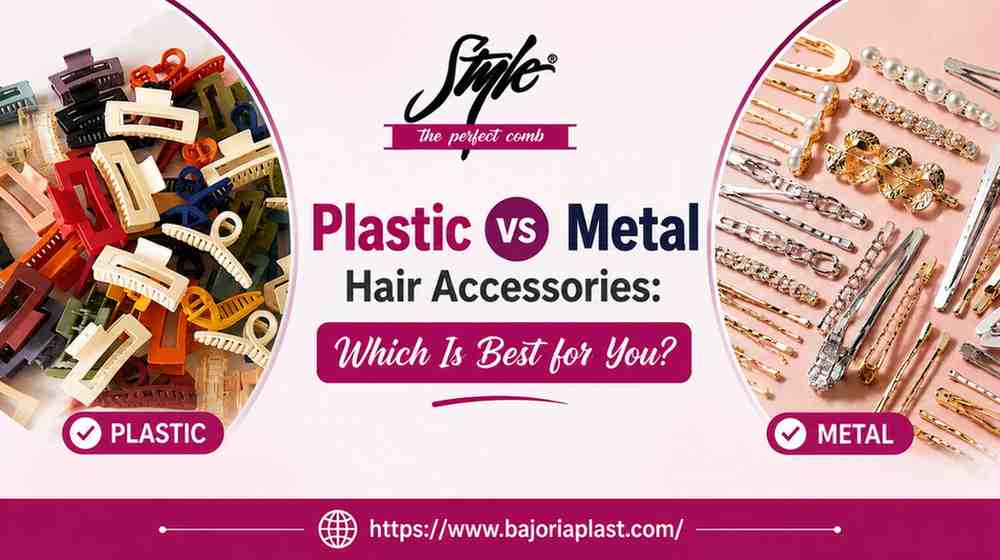
Plastic vs Metal Hair Accessories: Which Is Best for You?
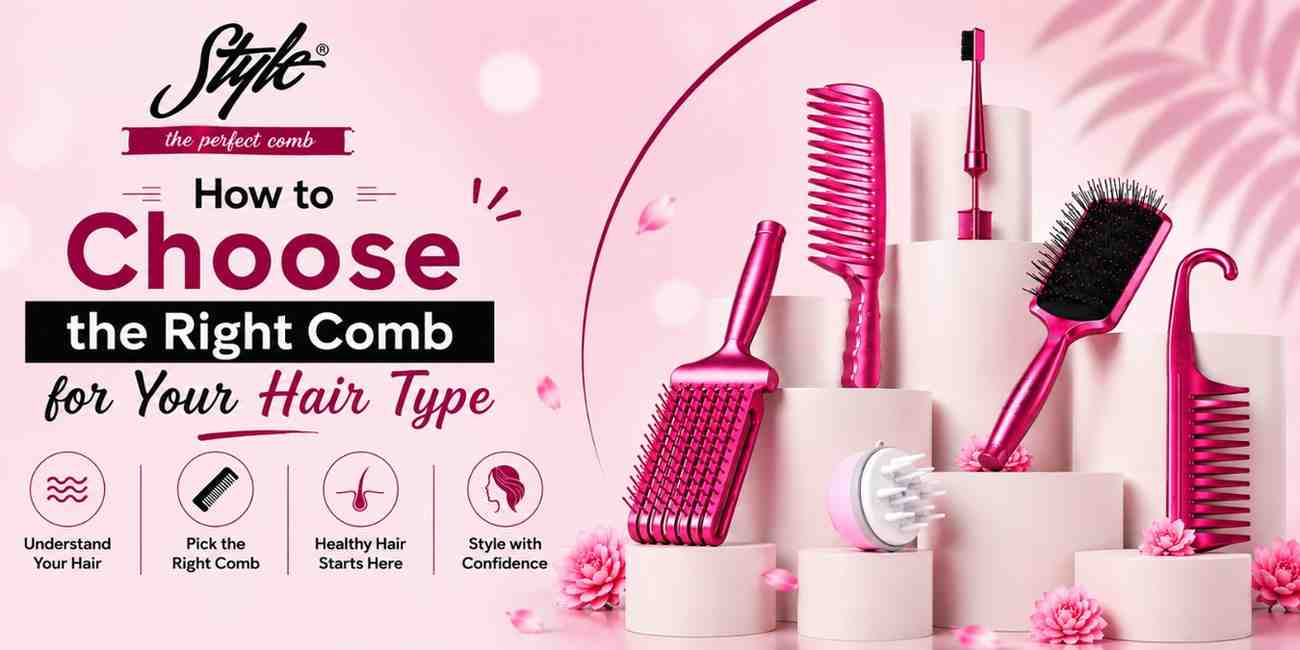
How to Choose the Right Comb for Your Hair Type
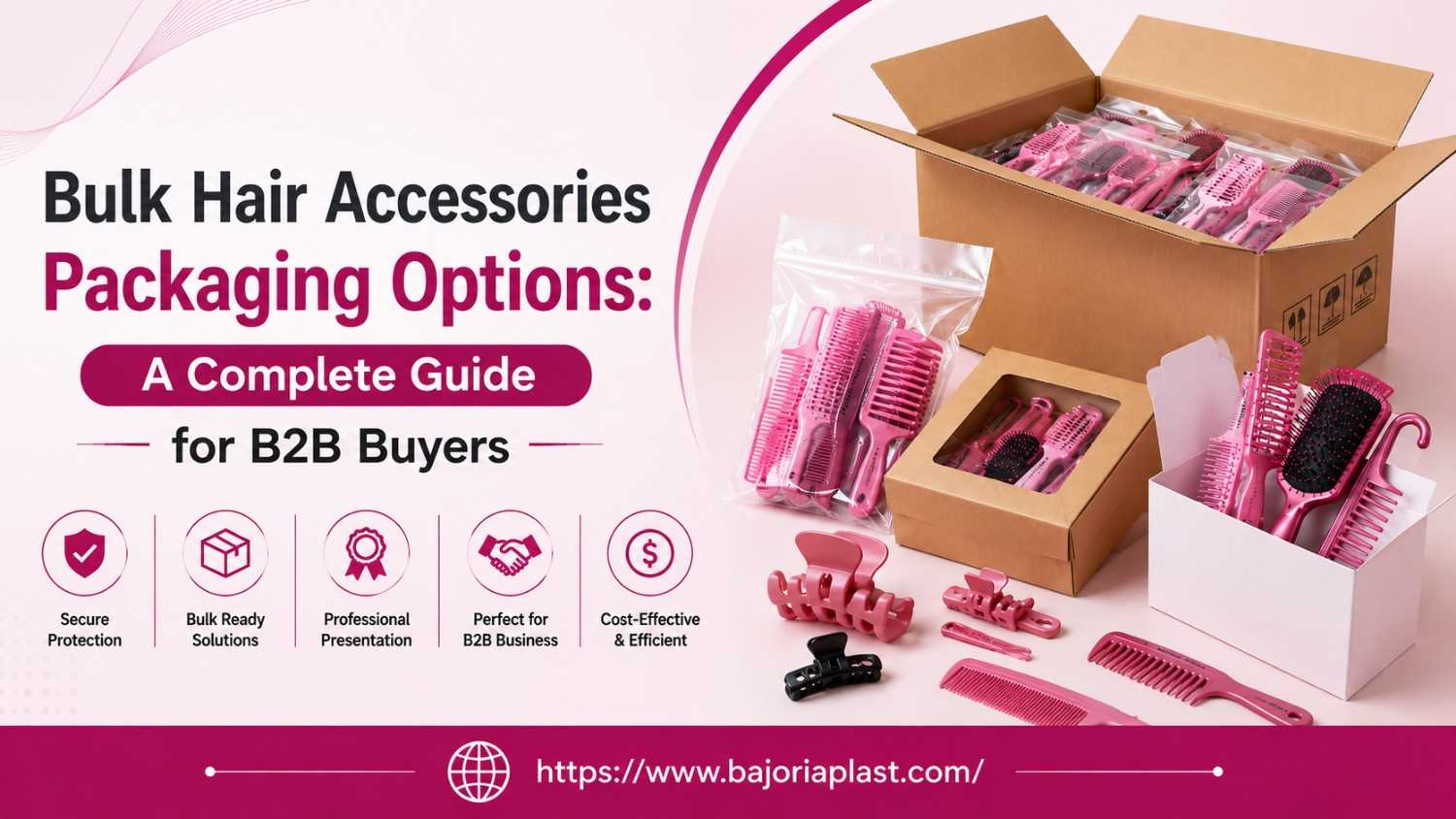
Bulk Hair Accessories Packaging Options: A Complete Guide for B2B Buyers
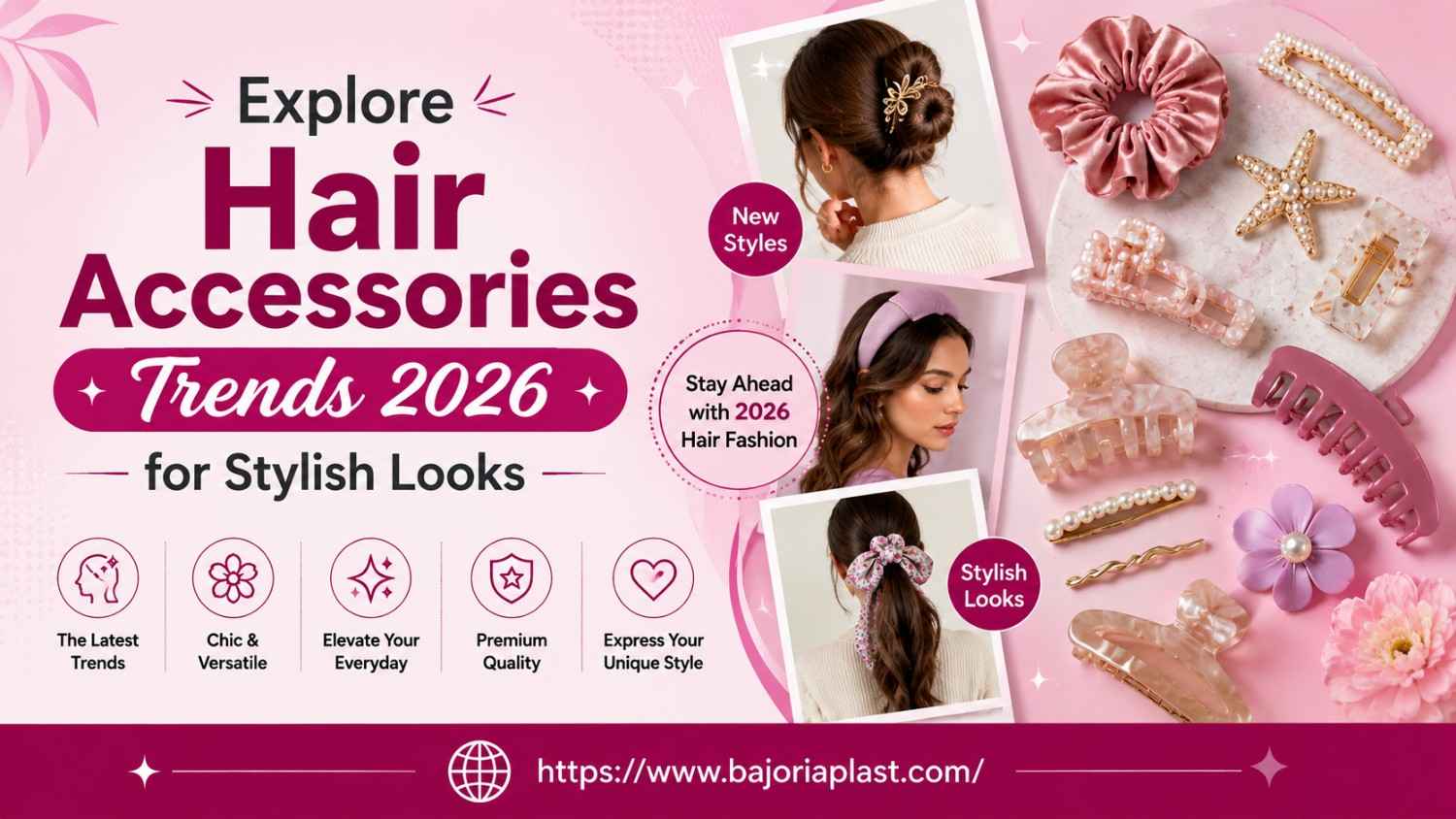
Explore Hair Accessories Trends 2026 for Stylish Looks
Discover the Best-Selling Hair Accessories in 2026

Top Tips for Choosing Private Label Hair Accessories
Salon-Grade vs Retail Hair Accessories: What’s the Best Choice?
Salon Hair Tools: What Professional Salons Really Need
How to Choose a Hair Accessories Supplier: Key Tips

How Amazon Sellers Evaluate Hair Accessories Suppliers
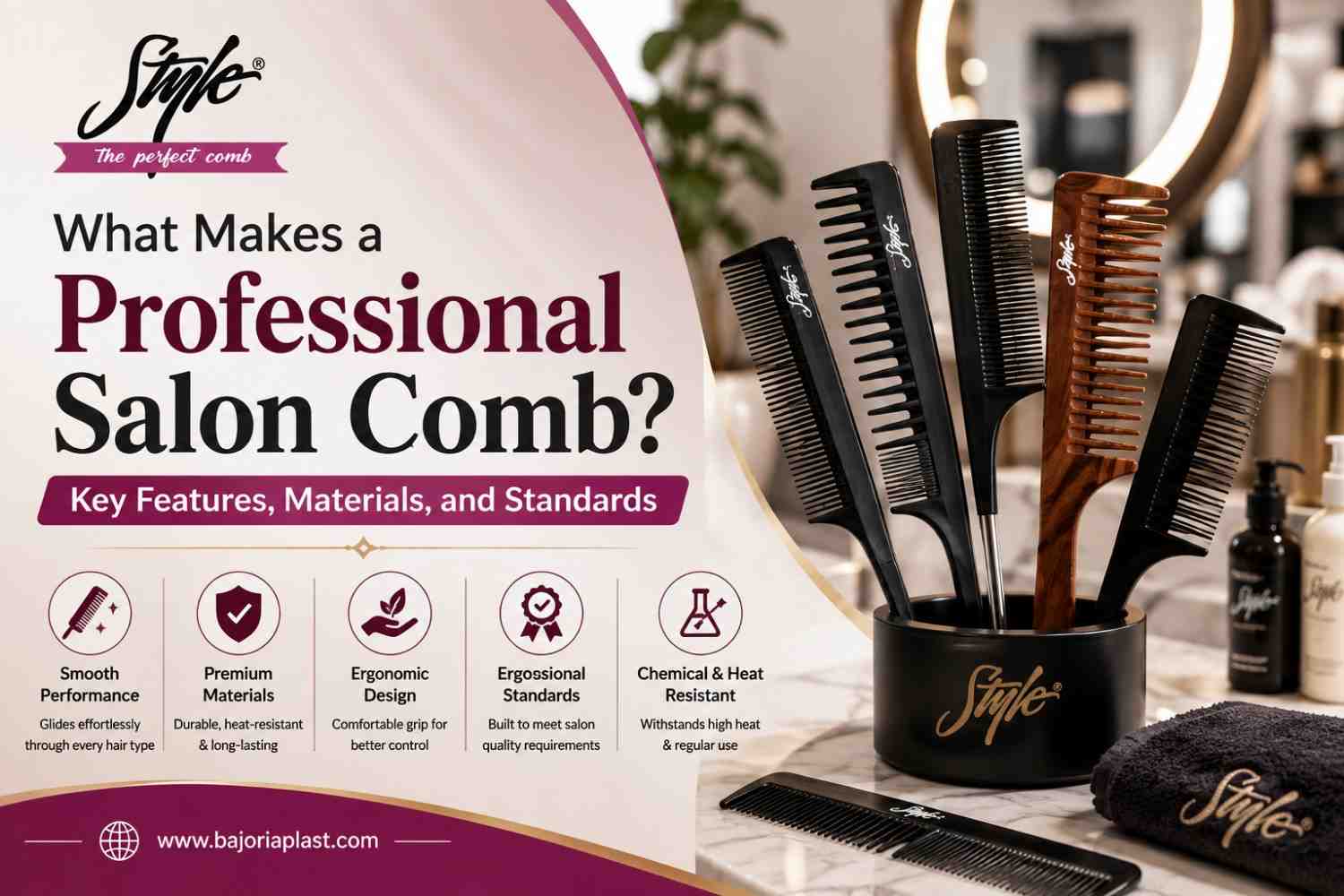
What Makes a Professional Salon Comb? Key Features, Materials, and Standards
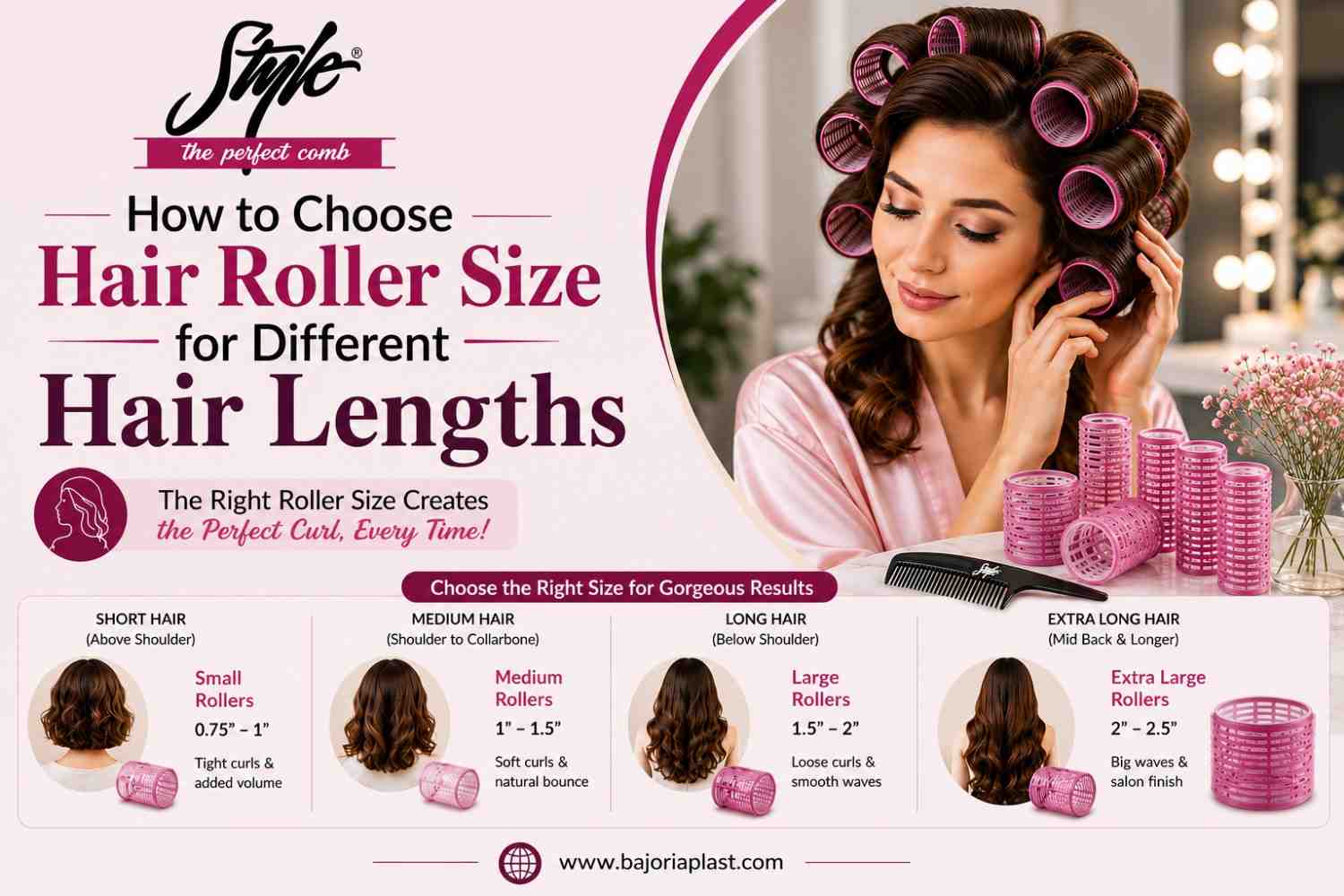
How to Choose the Right Hair Roller Size for Every Hair Length
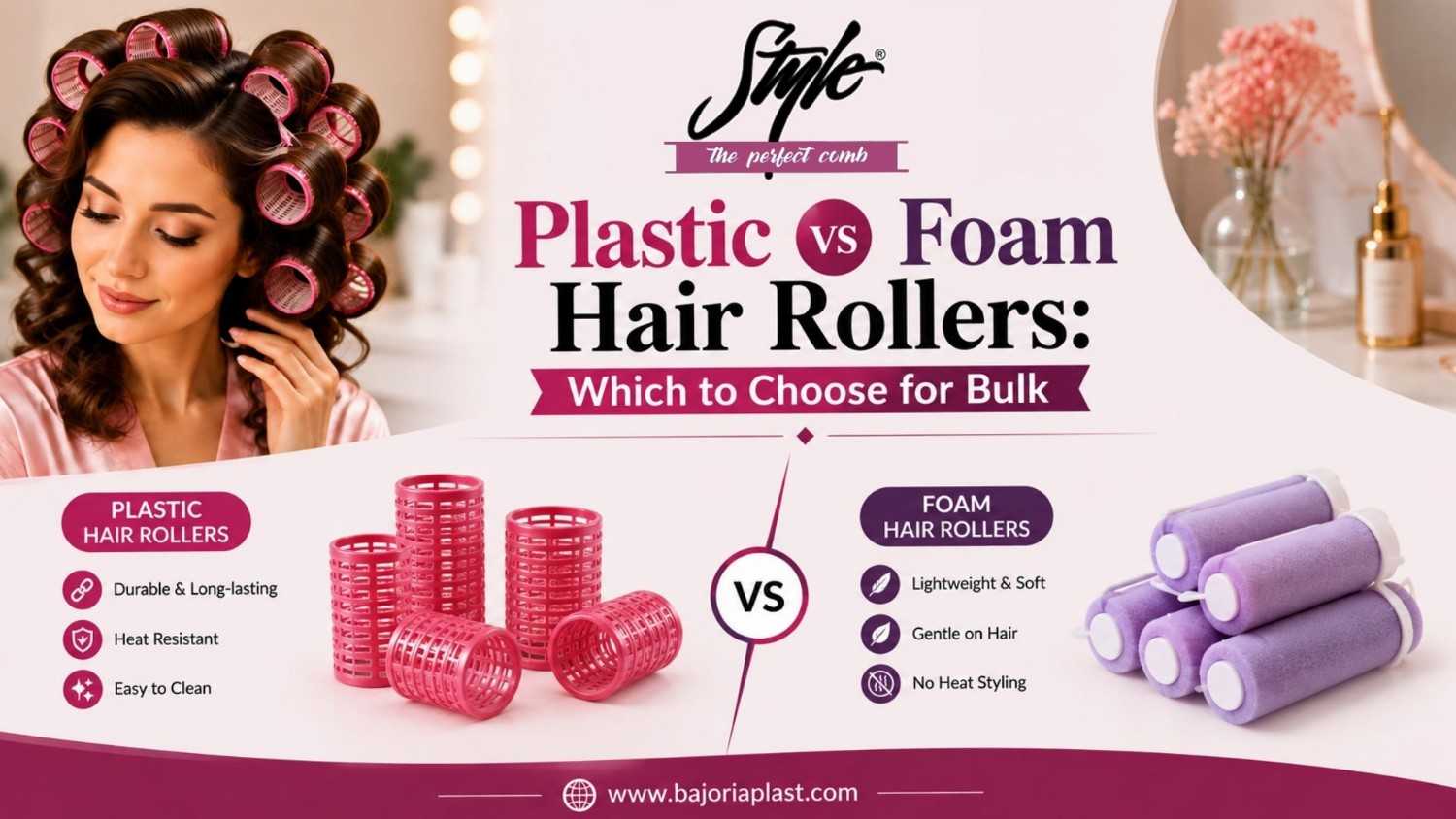
Plastic vs Foam Hair Rollers: Which to Choose for Bulk?
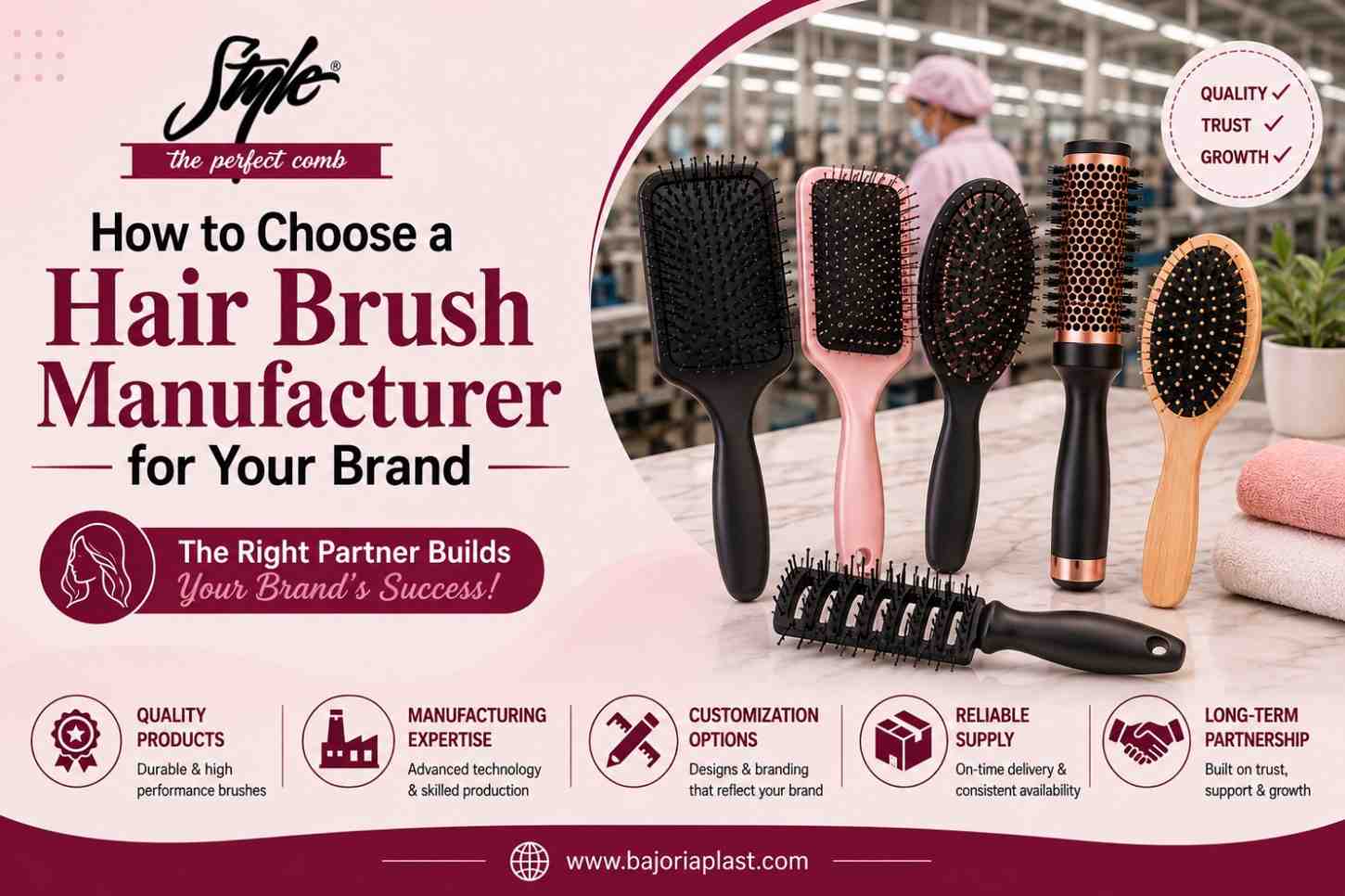
How to Choose a Hair Brush Manufacturer for Your Brand
Understanding The MOQ Guide for Wholesale Hair Accessories
Your Complete Hair Accessories Wholesale Price Guide
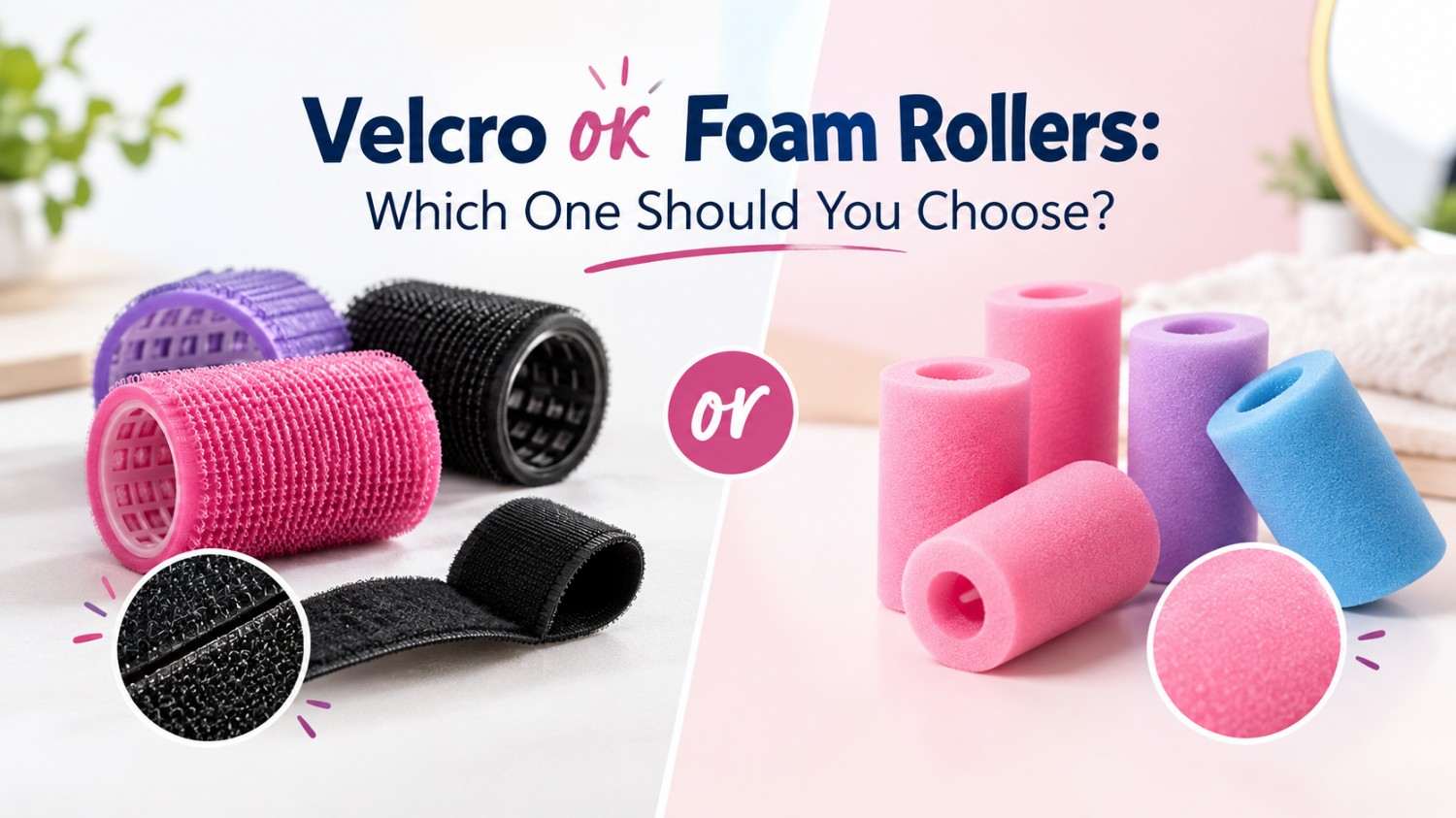
Velcro or Foam Rollers: Which One Should You Choose?

How to Choose the Right Hair Accessories for Dollar Stores

How Industries Purchase Hair Accessories
What’s Trending in Hair Accessories in the US

What Are the Benefits of Using a Wooden Comb?
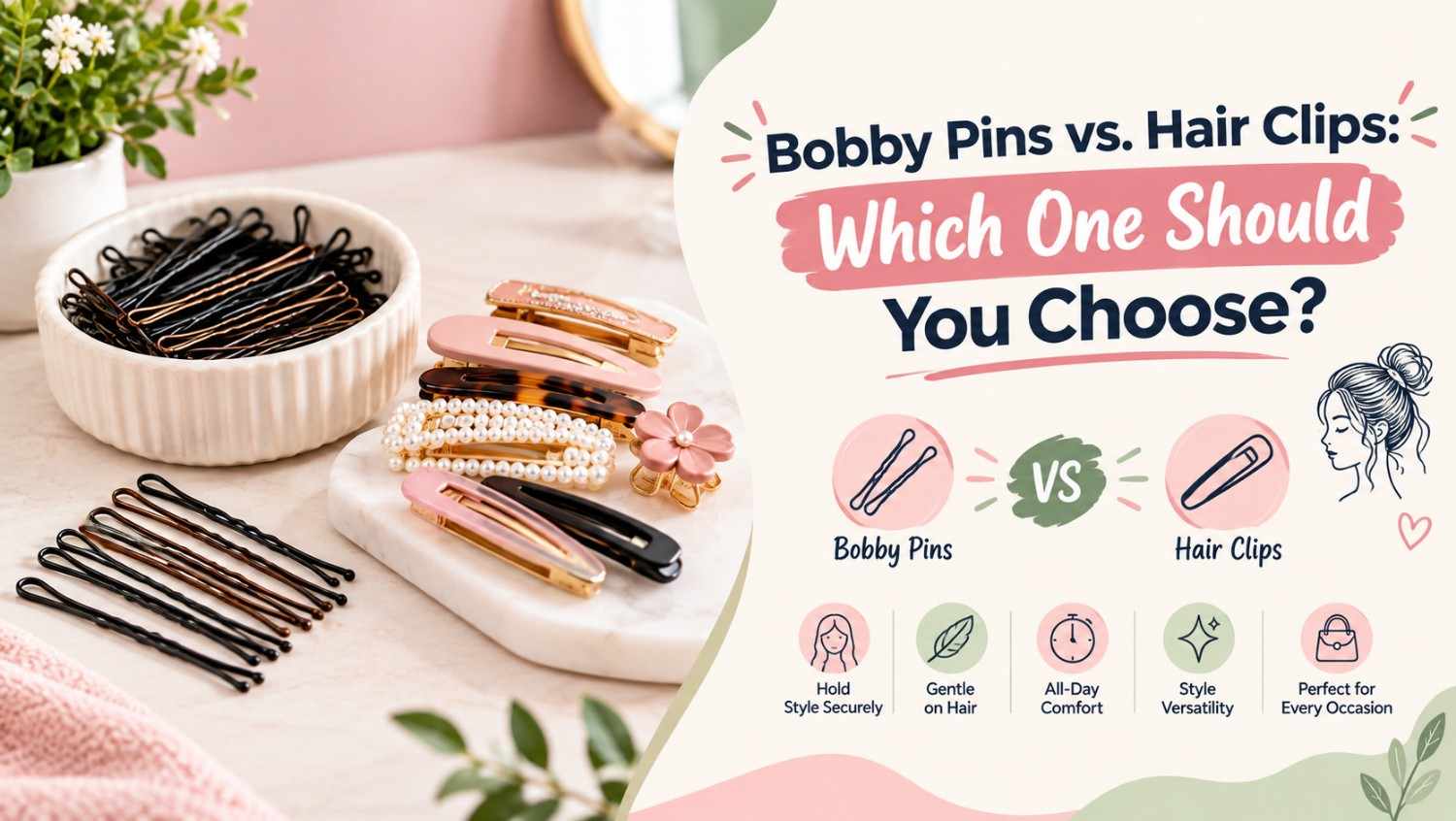
Bobby Pins vs. Hair Clips: Which One Should You Choose?

How Are Plastic Combs Manufactured? A Complete Guide to the OEM/ODM Process
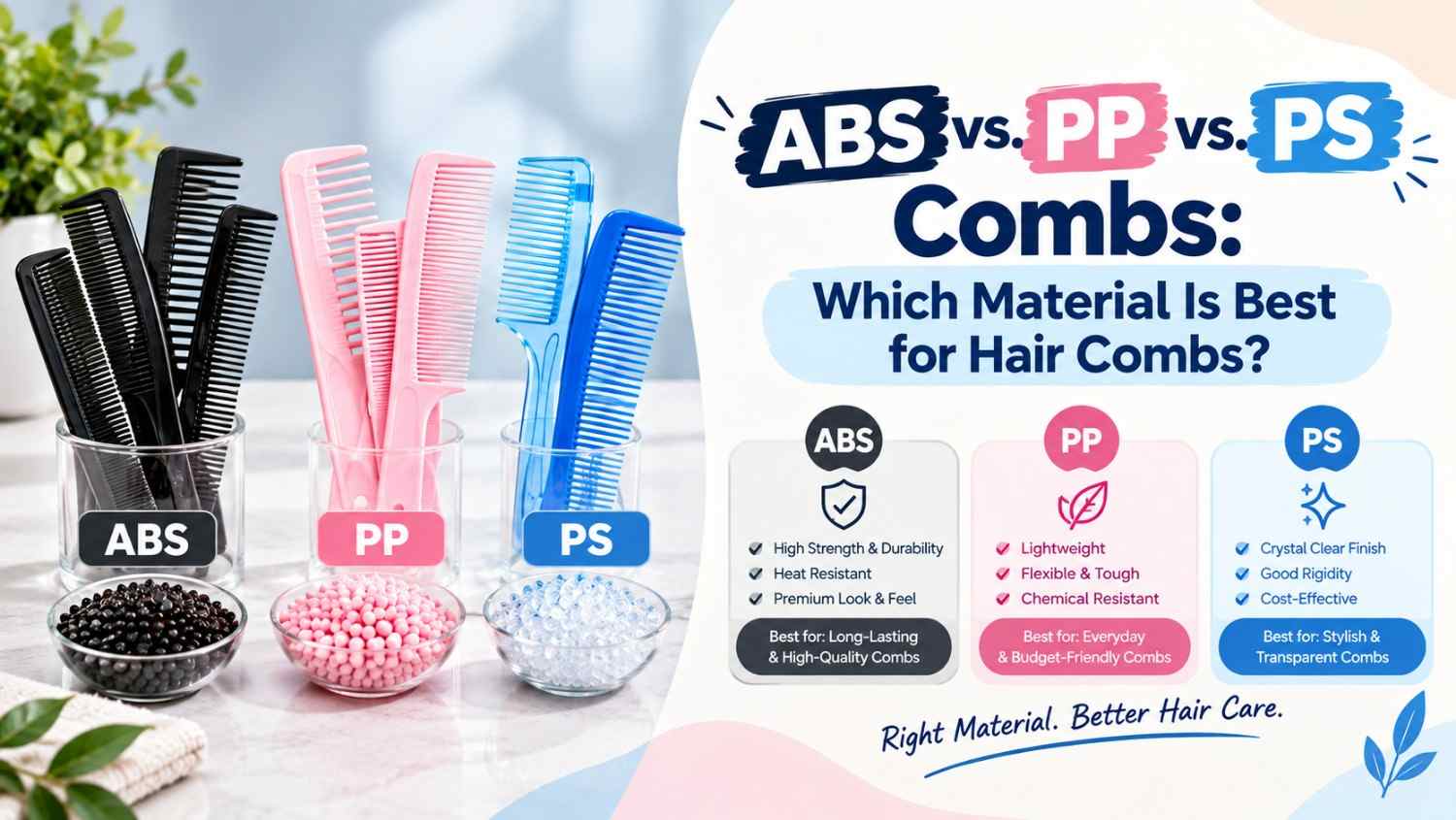
ABS vs. PP vs. PS Combs: Which Material Is Best for Hair Combs?
Wide-Tooth Combs vs. Fine-Tooth Combs: Which Is Better for Your Hair?
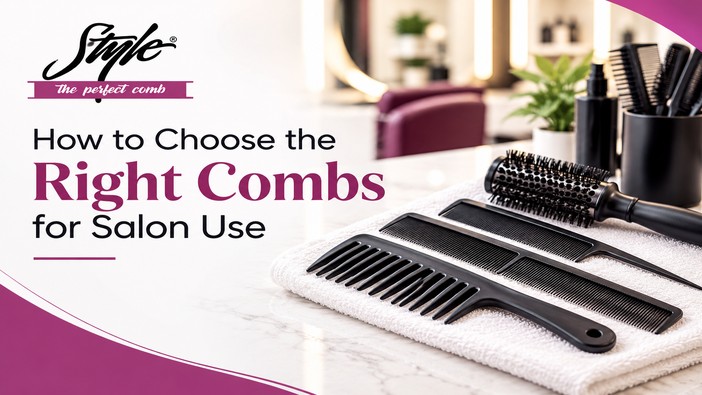
How to Choose the Right Combs for Salon Use
Get In Touch With Bajoria Plast
Address
4593-94 Deputy Ganj, Sadar Bazar, Delhi- 110006, India